Are you ready to get stronger, feel healthier, and boost your confidence—all with just a pair of dumbbells? If you’re new to working out, finding the right routine can feel overwhelming.
But don’t worry, this beginner dumbbell workout routine is designed just for you. It’s simple, effective, and easy to follow, helping you build muscle and burn fat without confusion or frustration. Keep reading, and you’ll discover how to get started today and see real results faster than you think.
Your best body is closer than you imagine.
Credit: www.liftingitalia.com
Choosing The Right Dumbbells
Choosing the right dumbbells is key for beginners starting a workout routine. The correct dumbbells help improve strength without causing injury. It also makes exercises easier and more enjoyable. Picking dumbbells that fit your needs encourages steady progress and keeps you motivated.
Types Of Dumbbells
Dumbbells come in various types, each with unique features. Fixed dumbbells have a set weight and are easy to use. Adjustable dumbbells let you change weights quickly. They save space and money. Neoprene dumbbells have a soft coating and are good for light workouts. Metal dumbbells are durable and fit serious training. Choose the type that suits your workout style and budget.
Weight Selection Tips
Selecting the right weight is important for safety and results. Start with a weight that feels manageable for 10-15 repetitions. You should feel tired but not strained at the end. Avoid weights that cause pain or poor form. Increase weight gradually as strength improves. Keep a few different weights for various exercises. This helps target different muscle groups effectively.

Credit: vixencomposites.com
Essential Warm-up Moves
Warming up is important before starting your dumbbell workout. It prepares your muscles and joints for exercise. Warm-up moves reduce injury risk. They also help improve your performance during the workout.
Dynamic Stretches
Dynamic stretches involve moving your body through full ranges of motion. These stretches increase blood flow and loosen muscles. Examples include arm circles, leg swings, and torso twists. Perform each move slowly and smoothly. Aim for 8 to 10 repetitions per stretch. Dynamic stretches wake up your muscles and joints for lifting dumbbells.
Light Cardio Options
Light cardio raises your heart rate gently. It helps prepare your body for physical activity. Simple options include brisk walking, jogging in place, or jumping jacks. Spend 3 to 5 minutes on light cardio. This step boosts circulation and warms your muscles. It makes your dumbbell workout more effective and safer.
Basic Dumbbell Exercises
Basic dumbbell exercises are perfect for beginners. They help build strength, improve balance, and increase muscle tone. Using dumbbells allows you to work different muscles with simple moves. These exercises fit easily into any workout routine. Start with light weights to learn the correct form. Gradually increase weight as you get stronger. Focus on exercises that target the upper body, lower body, and core for a full workout.
Upper Body Workouts
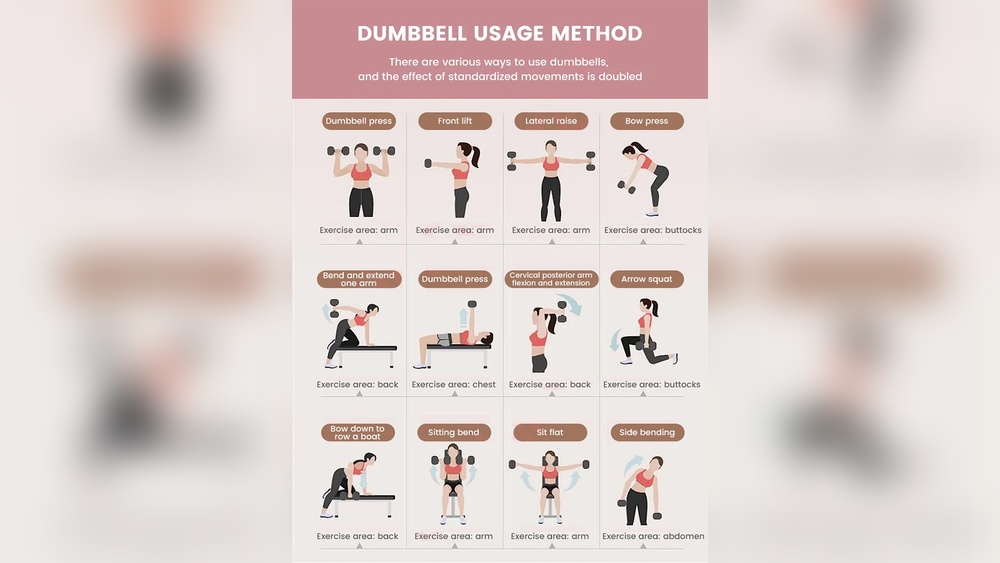
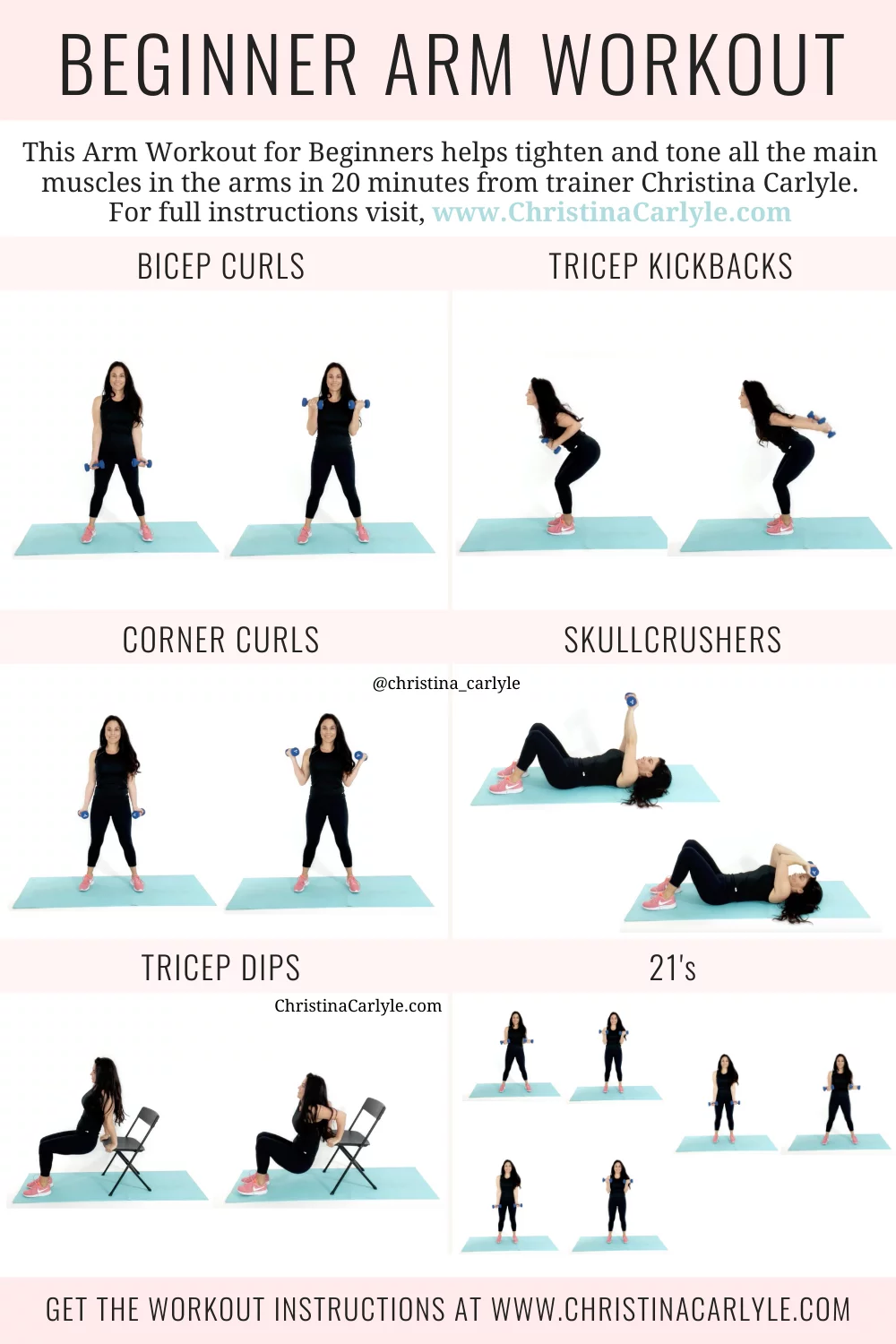
Dumbbell exercises for the upper body target arms, shoulders, and chest. Try dumbbell bicep curls to strengthen your arms. Shoulder presses build strong shoulders and improve posture. Chest presses work the chest muscles and help with pushing strength. These exercises improve muscle tone and enhance daily movement. Keep your movements slow and controlled to avoid injury.
Lower Body Moves
Lower body dumbbell exercises focus on legs and glutes. Dumbbell squats are great for strengthening thighs and hips. Lunges with dumbbells build balance and leg power. Deadlifts target the hamstrings and lower back. These moves improve stability and help with everyday activities. Use light weights and focus on good form to get the best results.
Core Strengthening
Core exercises with dumbbells help stabilize your body. Russian twists with a dumbbell strengthen your obliques. Dumbbell side bends target the waist muscles. Weighted sit-ups increase abdominal strength. A strong core improves posture and reduces back pain. Perform these exercises slowly to engage your muscles properly.
Creating A Balanced Routine
Creating a balanced dumbbell workout routine helps build strength safely. It targets different muscle groups evenly. This approach reduces injury risk and improves overall fitness. A well-rounded plan also keeps workouts interesting. Staying consistent becomes easier with variety.
Exercise Frequency
Begin with two to three sessions per week. This gives muscles time to recover. Recovery is key for muscle growth and repair. Avoid training the same muscle group on back-to-back days. Rest days help prevent burnout and injury. Gradually increase frequency as strength improves.
Sets And Reps Guidelines
Start with one to two sets per exercise. Each set should have 8 to 12 repetitions. This range builds both strength and endurance. Use a weight that feels challenging but manageable. Focus on proper form during every rep. Increase sets or reps slowly over weeks for progress.
Safety Tips For Beginners
Starting a dumbbell workout can be exciting and rewarding. Safety must be your top priority. Avoiding injuries helps you stay consistent and enjoy your progress. Follow these simple safety tips to protect your body and build strength effectively.
Proper Form Techniques
Always focus on your form. Hold the dumbbells firmly but not too tight. Keep your back straight and your core tight during exercises. Move slowly and control every motion. Avoid swinging the weights or using momentum. Proper form reduces stress on joints and muscles. It makes your workout more effective and safer.
Avoiding Common Injuries
Warm up before lifting dumbbells. Gentle stretches and light cardio help prepare muscles. Start with light weights and increase gradually. Do not lift weights that feel too heavy. Rest between sets and listen to your body. Stop if you feel sharp pain or discomfort. Use a mirror or ask for help to check your form. These steps help prevent strains, sprains, and other injuries.
Tracking Progress
Tracking progress is key to getting stronger with dumbbell workouts. It helps you see improvements and stay motivated. By keeping a clear record, you know what works and what needs change. This way, you keep moving forward and avoid hitting a plateau.
Recording Workouts
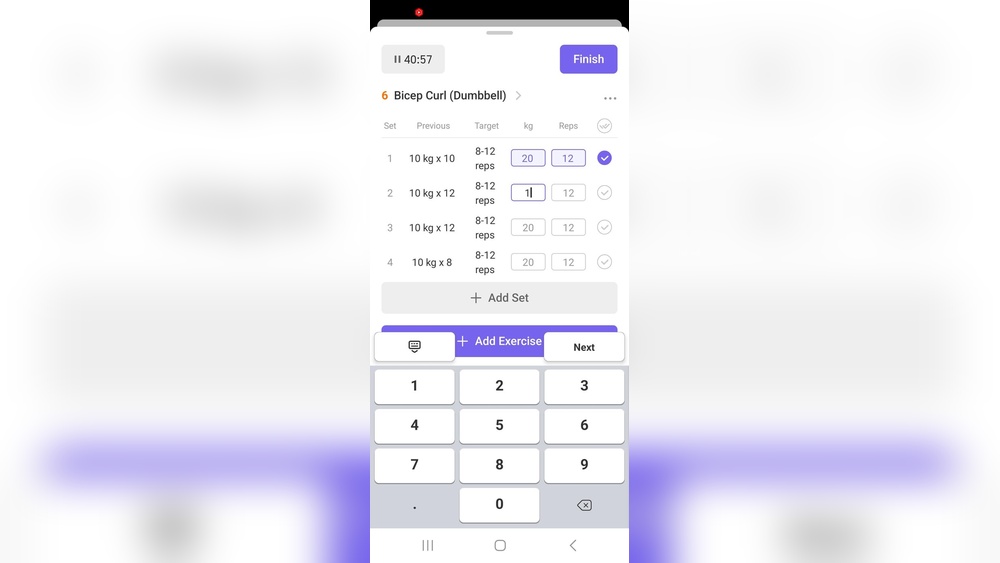
Write down every workout session. Note the exercises, sets, and reps. Also, record the weight used for each exercise. This simple habit shows your growth over time. You can spot patterns and plan better workouts. Recording keeps your progress clear and easy to follow.
Adjusting Weights Over Time
Increase weights gradually to build strength. When exercises feel easier, add a little more weight. This challenges your muscles and helps them grow. Avoid sudden jumps in weight to prevent injury. Small, steady increases work best for beginners.
Staying Motivated
Staying motivated is key to sticking with a beginner dumbbell workout routine. Many people start strong but lose interest quickly. Keeping your drive alive helps build habits and see results. Motivation can come from simple, clear steps that make your fitness journey easier and more fun.
Setting Realistic Goals
Set small, clear goals that you can reach in a short time. For example, lifting light weights for 10 minutes three times a week. Goals like these feel doable and give a sense of success. Avoid aiming too high at first to prevent frustration. Realistic goals keep you moving forward without feeling overwhelmed.
Rewarding Milestones
Celebrate each step you complete. Rewards boost your mood and encourage you to continue. Choose simple treats like a relaxing bath or a favorite snack. Mark progress by noting improvements in strength or endurance. Rewarding yourself makes working out more enjoyable and creates positive habits.

Credit: vixencomposites.com
Frequently Asked Questions
What Dumbbell Weight Is Best For Beginners?
Start with light weights, usually 5 to 10 pounds. Choose a weight you can lift comfortably for 12-15 reps. This helps build strength without risking injury. Gradually increase weight as you get stronger.
How Often Should Beginners Do Dumbbell Workouts?
Aim for 2 to 3 sessions per week. Allow 48 hours of rest between workouts for muscle recovery. Consistency is key for progress and avoiding burnout.
Which Exercises Are Best In A Beginner Dumbbell Routine?
Focus on compound moves like dumbbell squats, presses, rows, and curls. These exercises target multiple muscle groups. They build strength and improve coordination effectively.
Can Dumbbell Workouts Help With Weight Loss?
Yes, dumbbell workouts boost metabolism and burn calories. Combined with a healthy diet, they aid fat loss. Strength training also increases muscle mass, which burns more calories at rest.
Conclusion
Starting a dumbbell workout routine can build strength and confidence. Use light weights and focus on form. Consistency helps your muscles grow and improves fitness. Rest days are important to avoid injury. Track progress by noting weights and reps. Enjoy the process and celebrate small wins.
This routine sets a strong foundation for future workouts. Keep it simple, stay patient, and stay active. Your body will thank you for the effort.