Are you ready to build stronger, more defined calves without needing fancy gym machines? Using dumbbells for your calf exercises is a simple and effective way to boost your leg strength and improve your overall balance.
You’ll discover the best calf exercises with dumbbells that you can do anywhere. Whether you’re a beginner or looking to take your workouts to the next level, these moves will help you see real results fast. Keep reading to find out how to sculpt your calves and step up your fitness game today!
Credit: www.gregor-strechy.cz
Benefits Of Dumbbell Calf Workouts
Dumbbell calf workouts offer many benefits for your lower legs. Using dumbbells adds resistance, helping your calf muscles grow stronger and more defined. These exercises improve balance and stability, which helps in daily movements and sports. Dumbbells also make your workout more flexible. You can adjust the weight and try different exercises easily. This makes your calf training more effective and interesting.
Improved Muscle Definition
Dumbbell calf exercises target the muscles deeply. This helps to shape and tone your calves. Regular training with dumbbells reduces fat and builds lean muscle. Well-defined calves enhance the look of your legs. This adds to your overall fitness appearance.
Enhanced Strength And Stability
Holding dumbbells forces your calves to work harder. This builds muscle strength faster than bodyweight alone. Strong calves support your ankles and knees better. This reduces the risk of injuries during sports or daily activities. Improved stability also helps with balance and coordination.
Increased Workout Versatility
Dumbbells allow you to vary your calf workouts easily. You can change the weight to match your fitness level. Different exercises target the calves from various angles. This variety prevents workout boredom and plateaus. It keeps your muscles challenged and growing.

Credit: vixencomposites.com
Essential Dumbbell Calf Exercises
Building strong calves improves balance and leg power. Dumbbells help target calf muscles effectively. These exercises are simple and suit many fitness levels.
Use these essential dumbbell calf exercises to boost strength and shape. Each move focuses on different calf parts. This variety helps improve overall muscle tone and endurance.
Standing Dumbbell Calf Raises
Hold a dumbbell in each hand at your sides. Stand tall with feet hip-width apart. Slowly lift your heels off the ground. Hold the top position briefly. Lower your heels back down with control. Repeat for 12 to 15 reps. This exercise targets the gastrocnemius muscle. It helps build visible calf size and strength.
Seated Dumbbell Calf Raises
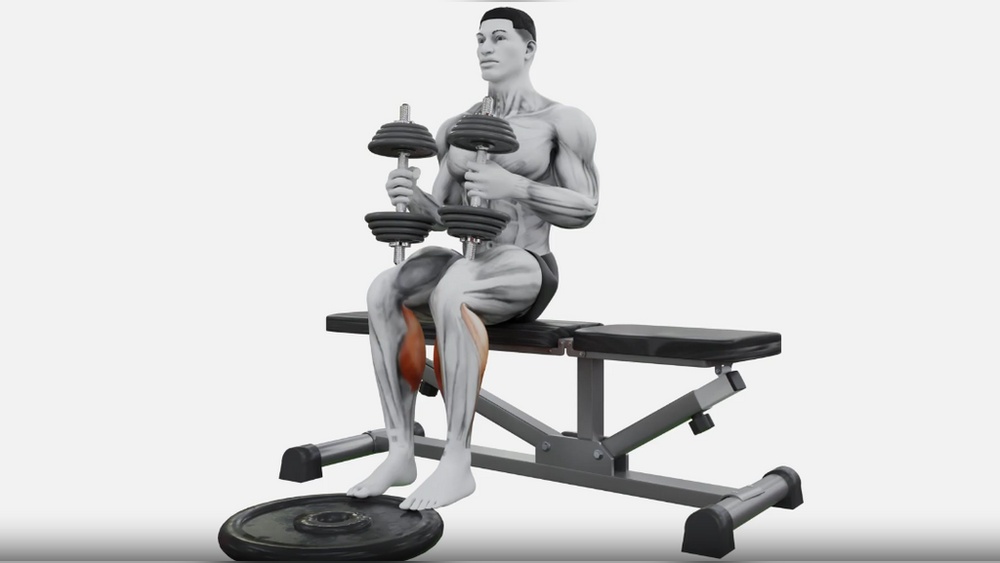
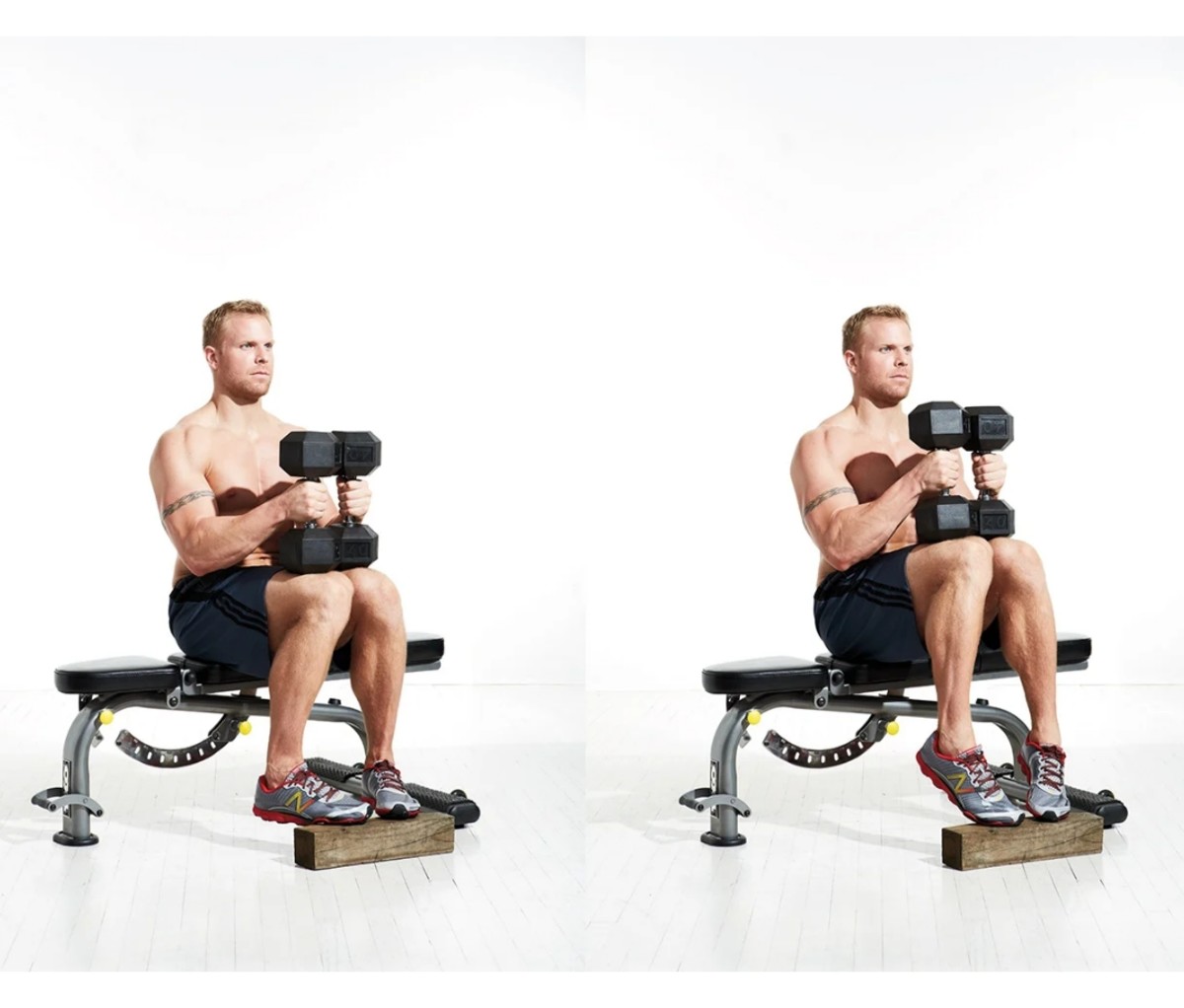
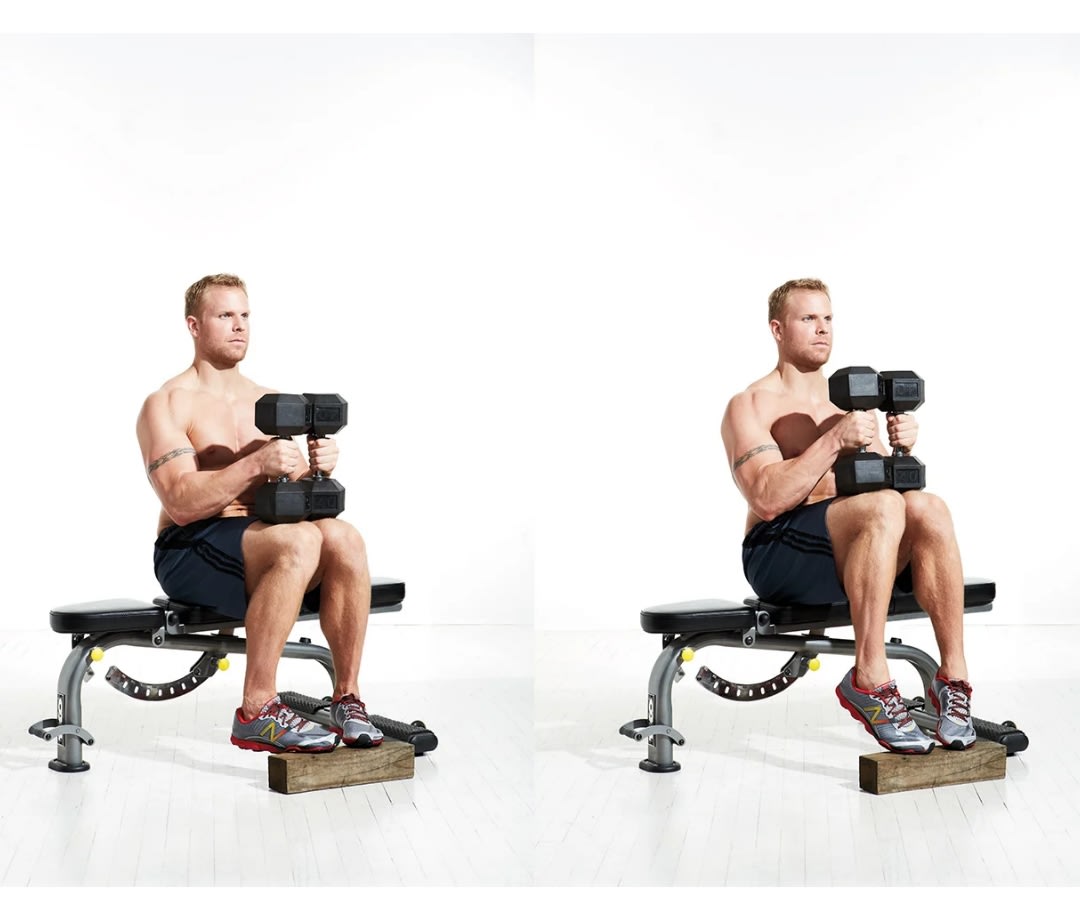
Sit on a bench with dumbbells resting on your knees. Place your feet flat on the floor. Raise your heels as high as possible. Pause at the top for a second. Lower your heels slowly back to the floor. Perform 15 to 20 reps. This exercise works the soleus muscle. It improves endurance and calf definition.
Dumbbell Farmer’s Walk On Toes
Hold a dumbbell in each hand at your sides. Stand on your tiptoes and walk forward. Keep your core tight and shoulders back. Walk for 20 to 30 seconds or a set distance. Rest and repeat for 3 rounds. This move builds calf strength and stability. It also improves balance and grip strength.
Advanced Calf Moves With Dumbbells
Advanced calf exercises with dumbbells build strength and improve balance. These moves push your muscles harder. They help shape and define your calves faster. Using dumbbells adds extra weight, making each exercise more effective. Try these three advanced exercises to challenge your lower legs.
Single-leg Dumbbell Calf Raises
Stand on one leg, holding a dumbbell in the same-side hand. Keep your other leg bent at the knee. Slowly raise your heel off the ground. Hold the top position for a moment. Lower your heel back down with control. This move works each calf muscle separately. It improves balance and targets small stabilizer muscles.
Dumbbell Jump Squats
Hold a dumbbell in each hand by your sides. Squat down until your thighs are parallel to the floor. Explode upward, jumping as high as you can. Land softly, bending your knees to absorb impact. This plyometric move strengthens calves and legs. It also boosts power and coordination.
Dumbbell Box Step-ups On Toes
Hold dumbbells at your sides. Step one foot onto a sturdy box or bench. Push through the ball of your foot and raise your heel. Step up fully, balancing on your toes. Step down slowly and switch legs. This exercise targets calves and improves ankle strength. It also enhances stability and control.
Proper Form And Technique Tips
Proper form and technique are essential for effective calf exercises with dumbbells. They help prevent injuries and ensure the muscles work correctly. Small adjustments can make a big difference in your workout results.
Focus on your body’s position and movement. Keep your muscles engaged and your motions slow. This approach builds strength and improves balance.
Foot Positioning
Place your feet shoulder-width apart for stability. Point your toes straight ahead to target the calves evenly. Slightly turning toes out or in can shift focus to different calf muscles. Keep your heels aligned and avoid letting them drop too low. Proper foot placement helps maintain balance and muscle control.
Controlled Movement
Raise your heels slowly to feel the calf muscles work. Pause at the top for a second to maximize contraction. Lower your heels with control, not dropping quickly. Fast or jerky movements reduce effectiveness and increase injury risk. Controlled reps improve muscle strength and endurance.
Breathing Patterns
Inhale before you lift your heels. Exhale as you push up on your toes. Keep breathing steady and avoid holding your breath. Proper breathing supports muscle oxygen flow and reduces tension. It helps maintain energy and focus during your exercises.
Creating An Effective Calf Routine
Building strong calves with dumbbells needs a clear plan. A good calf routine helps you get better results fast. It focuses on the right exercises, sets, and rest times. This keeps your muscles growing and avoids injuries. Follow simple steps to create a routine that fits your goals and level.
Choosing Sets And Reps
Start with 3 to 4 sets per exercise. Each set should have 12 to 15 reps. This range works well for calf muscles. It helps build both strength and size. Use a weight that challenges you but allows good form. Increase weight or reps gradually as you improve. Rest 30 to 60 seconds between sets.
Balancing Intensity And Recovery
Work your calves hard but don’t overtrain. Calves recover quickly but still need rest. Train calves 2 to 3 times a week. Avoid doing calf exercises every day. Give muscles time to heal and grow. Use light days or different exercises to reduce strain. Proper rest improves performance and lowers injury risk.
Combining With Other Leg Workouts
Include calf exercises with other leg workouts. Squats and lunges help overall leg strength. Dumbbell calf raises add focus to the lower leg. Mix these exercises in one session or alternate days. This balance builds all leg muscles evenly. A full leg routine supports better balance and movement.
Credit: www.mensjournal.com
Common Mistakes To Avoid
Calf exercises with dumbbells help build strong and toned lower legs. Many people make common mistakes that slow progress or cause injury. Avoiding these errors ensures better results and safer workouts. Pay attention to form and technique for effective calf training.
Using Too Much Weight
Choosing heavy dumbbells can harm your calves. It causes poor form and reduces muscle work. Start with light weights and increase gradually. Control the movement instead of rushing. Proper weight helps muscles grow safely.
Neglecting Full Range Of Motion
Raising your heels only halfway wastes effort. Full range means lifting heels as high as possible. Lower your heels below the step level if you use one. This stretches the calf muscle fully. Full motion builds strength and flexibility better.
Ignoring Warm-up And Stretching
Skipping warm-up leads to tight muscles and injuries. Stretch calves gently before and after workouts. Warm muscles respond better and recover faster. A few minutes of stretching protects your calves and improves exercise quality.
Frequently Asked Questions
What Are The Best Dumbbell Calf Exercises?
Effective dumbbell calf exercises include standing calf raises, seated calf raises, and dumbbell farmer’s walks. These target both the gastrocnemius and soleus muscles. Using dumbbells adds resistance, improving strength and muscle tone. Consistency and proper form enhance results.
How Many Reps For Calf Exercises With Dumbbells?
Aim for 12-20 reps per set for calf exercises with dumbbells. Higher reps build endurance and muscle definition. Perform 3-4 sets with short rest to maximize growth. Adjust weight to maintain good form throughout.
Can Dumbbell Calf Exercises Increase Muscle Size?
Yes, dumbbell calf exercises can increase muscle size. Progressive overload and proper form stimulate muscle growth. Combining standing and seated variations targets all calf muscles. Consistency and balanced nutrition support hypertrophy.
How Often Should I Do Dumbbell Calf Workouts?
Perform dumbbell calf workouts 2-3 times weekly for optimal results. Allow at least 48 hours between sessions for muscle recovery. Frequency depends on your fitness level and goals. Avoid overtraining to prevent injury.
Conclusion
Dumbbell calf exercises help build strong, defined lower legs. They improve balance and support daily movements. Regular practice leads to better muscle tone and endurance. Start with light weights and increase gradually for best results. Consistency and proper form matter most for progress.
Keep your routine simple and focused. Strong calves boost overall fitness and confidence. Give these exercises a try and feel the difference.