Choosing the best dumbbell weight for men can be confusing. You want to build strength, stay fit, and avoid injury, but how do you pick the right weight?
The truth is, the perfect dumbbell weight depends on your goals and current fitness level. Get it wrong, and you might stall your progress or even hurt yourself. Keep reading, and you’ll discover exactly how to find the ideal weight that matches your body and workout style—so every rep counts and your muscles grow stronger, faster.
Your fitness journey starts with the right choice, and we’re here to help you make it.

Credit: www.menshealth.com
Choosing Dumbbell Weight
Choosing the right dumbbell weight is important for effective workouts. The right weight helps build strength safely and prevents injury. It also keeps workouts challenging and enjoyable. Understanding key factors can guide men in picking the best dumbbell weight for their needs.
Factors To Consider
Consider your current strength and fitness level first. Think about the exercises you plan to do with the dumbbells. Choose weights that allow for proper form and control. Avoid weights that are too heavy or too light. Quality and adjustability of the dumbbells matter too. Adjustable dumbbells save space and offer more flexibility.
Strength Levels And Experience
Beginners should start with lighter weights to learn proper technique. Men with more experience can use heavier weights for muscle growth. Strength varies by individual, so test different weights. Pick dumbbells that challenge muscles without causing strain. Gradually increase weight as strength improves for steady progress.
Goals And Training Style
Your fitness goals affect your dumbbell choice. For muscle building, use heavier weights with fewer repetitions. For endurance, choose lighter weights with more repetitions. Training styles like circuit training may need moderate weights. Think about how often you train and your workout intensity. The right weight matches your goal and style well.
Weight Recommendations
Choosing the right dumbbell weight is important for progress and safety. Different fitness levels need different weights. This helps build strength without causing injury. Here are simple weight recommendations for men at different training stages.
Beginners
Start with light weights to learn proper form. Dumbbells between 5 to 15 pounds work well. This weight range helps build basic strength. It also reduces the risk of muscle strain. Focus on slow, controlled movements.
Intermediate Lifters
Increase weight as strength improves. Choose dumbbells from 15 to 30 pounds. This range challenges muscles and boosts growth. It allows for more intense workouts. Keep good form to avoid injuries.
Advanced Lifters
Use heavier weights to push limits. Dumbbells from 30 pounds and above suit advanced training. This helps increase muscle size and power. Train with care to prevent strain. Add variety to avoid plateaus.
Types Of Dumbbells
Dumbbells are a key part of strength training for men. Choosing the right type helps improve workouts. Two main types exist: fixed weight and adjustable dumbbells. Each has unique features and uses. Understanding these types helps pick the best dumbbell weight for your needs.
Fixed Weight Dumbbells
Fixed weight dumbbells have a set weight that cannot change. They come in pairs with different weights. These dumbbells are simple and ready to use. They are common in gyms and home setups. You just pick the pair that matches your strength level.
They are durable and require little maintenance. Fixed dumbbells offer quick workout changes by switching pairs. However, owning many pairs takes space. They are best for consistent weight training routines.
Adjustable Dumbbells
Adjustable dumbbells allow you to change the weight on one pair. Plates or discs add or remove weight easily. This type saves space and money over time. One set can replace several fixed pairs.
They suit workouts with different weight needs. Adjustable dumbbells are good for beginners and advanced users. Adjusting weight takes some time but gives flexibility. They are perfect for small areas or home gyms.
Pros And Cons
Fixed dumbbells are strong and easy to use. No need to adjust weight during workouts. They are faster to switch between exercises. But many fixed pairs need more storage space.
Adjustable dumbbells save space and cost less overall. You get many weight options in one set. Changing weights takes time and can interrupt flow. They may wear out faster due to moving parts.
Both types have benefits for men’s strength training. The choice depends on space, budget, and workout style.
Credit: www.liftingitalia.com
Maximizing Muscle Gains
Maximizing muscle gains requires more than just lifting heavy dumbbells. It involves smart training strategies and consistent effort. Choosing the right dumbbell weight is key. It helps you challenge your muscles without risking injury. Focus on methods that promote steady progress and muscle growth.
Progressive Overload
Progressive overload means increasing the weight or reps over time. This forces muscles to adapt and grow stronger. Start with a weight you can lift with good form. Slowly add more weight or repetitions each week. This steady increase prevents plateaus and boosts muscle size.
Proper Form And Technique
Using correct form is essential for muscle growth. It targets the right muscles and avoids injury. Choose a dumbbell weight that lets you keep good technique. Avoid swinging or using momentum to lift. Control your movements and focus on muscle contraction.
Workout Frequency And Volume
Training muscles regularly helps build strength and size. Aim to work each muscle group two to three times per week. Adjust your sets and reps based on your dumbbell weight. Enough volume and rest together promote better muscle recovery and growth.
Common Mistakes
Choosing the best dumbbell weight for men is important for safe and effective workouts. Many make common mistakes that slow progress or cause injuries. Avoiding these errors helps build strength and stay motivated.
Using Too Heavy Weights
Picking dumbbells that are too heavy can cause poor form. This leads to injuries and muscle strain. It also stops muscles from growing properly. Start with lighter weights and increase gradually. Focus on control and technique during each exercise.
Neglecting Warm-up
Skipping warm-up harms muscles and joints. Cold muscles are more prone to tears and pain. Spend 5 to 10 minutes warming up with light activity. This prepares the body for lifting dumbbells safely. Warm muscles perform better and recover faster.
Ignoring Recovery
Rest days are as important as workout days. Muscles need time to repair and grow stronger. Lifting every day without breaks leads to fatigue and injury. Plan recovery time and listen to your body’s signals. Proper rest improves long-term results and keeps motivation high.

Credit: www.youtube.com
Dumbbell Exercises For Men
Dumbbell exercises offer a versatile and effective way for men to build strength and tone muscles. They target different muscle groups and help improve balance and coordination. Using the right dumbbell weight is key for safe and effective workouts.
Choosing exercises that fit your fitness level ensures steady progress. Dumbbells allow for a wide range of movements, from simple lifts to complex routines. This section covers key dumbbell exercises for men, focusing on upper body, lower body, and full body workouts.
Upper Body Workouts
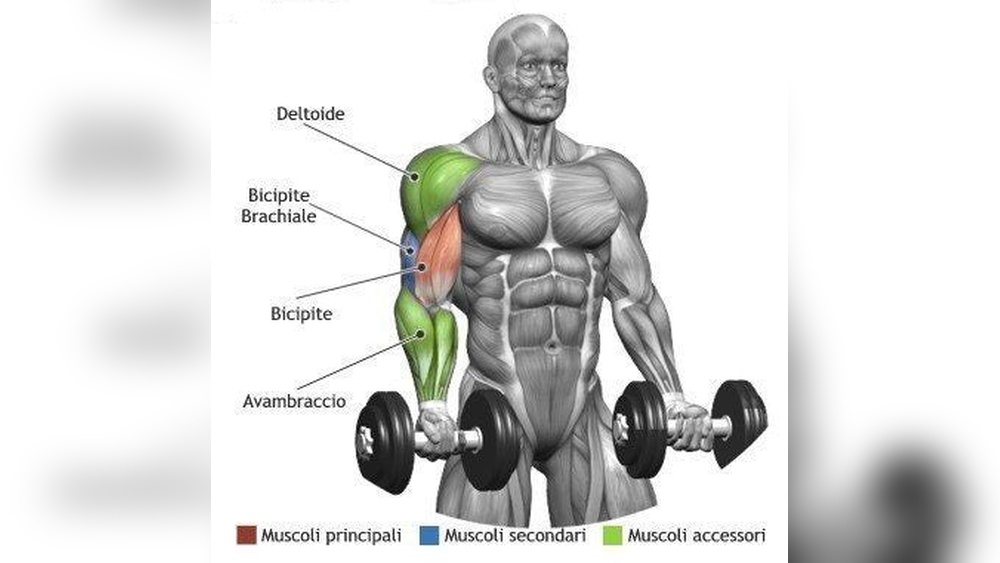
Upper body dumbbell exercises strengthen the chest, shoulders, back, and arms. Try dumbbell bench presses to work the chest and triceps. Shoulder presses build strong shoulders and improve posture. Bent-over rows target the back muscles and improve posture. Bicep curls and tricep extensions shape the arms and increase arm strength.
Lower Body Workouts
Lower body exercises with dumbbells strengthen legs and glutes. Dumbbell squats improve leg power and balance. Lunges with dumbbells work the thighs and glutes evenly. Deadlifts target hamstrings, glutes, and lower back. Step-ups with dumbbells enhance leg strength and coordination.
Full Body Routines
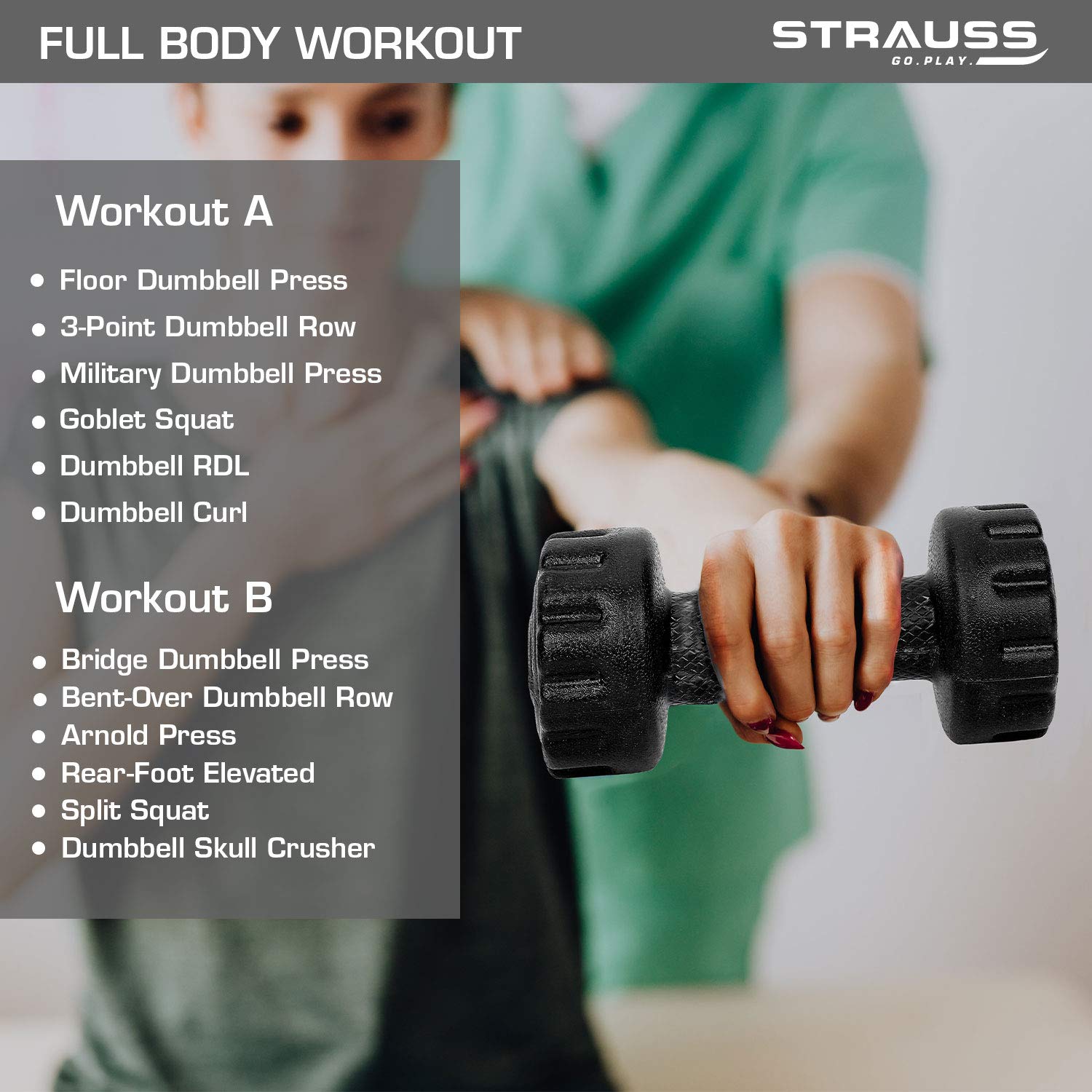
Full body dumbbell workouts maximize calorie burn and muscle tone. Combine squats, presses, and rows for a complete session. Dumbbell thrusters mix squats and shoulder presses for strength and cardio. Renegade rows work the back, arms, and core simultaneously. These routines save time and build overall fitness effectively.
Frequently Asked Questions
What Is The Ideal Dumbbell Weight For Men Beginners?
For beginner men, 10-20 pounds dumbbells are ideal. They help build strength without risking injury. Start light and gradually increase weight as you gain confidence and muscle.
How To Choose Dumbbell Weight For Muscle Growth?
Select weights that allow 8-12 reps per set with proper form. The weight should challenge your muscles but not cause strain. Adjust as you get stronger to keep progressing.
Can Men Use Adjustable Dumbbells For Workouts?
Yes, adjustable dumbbells are perfect for men. They save space and offer multiple weight options. This allows for versatile workouts and gradual strength increases.
What Dumbbell Weight Suits Men For Fat Loss?
Moderate weights, around 15-25 pounds, are best for fat loss. Use higher reps and shorter rest periods. This boosts calorie burn and promotes muscle tone.
Conclusion
Choosing the right dumbbell weight helps build strength safely. Start with lighter weights to learn proper form. Increase weight gradually as your muscles grow. Focus on consistency, not speed, for steady progress. Remember, comfort and control matter most during workouts.
Use weights that challenge you but do not cause pain. This approach keeps exercise effective and enjoyable. Keep your fitness goals in mind while selecting weights. Smart choices lead to better results over time. Stay patient and enjoy your fitness journey.