Are you ready to get stronger, feel healthier, and boost your confidence—all with just a pair of dumbbells? Whether you’re new to working out or looking to build a solid foundation, the right exercises can make all the difference.
You’ll discover the best beginner dumbbell exercises that are simple to learn, effective for your whole body, and perfect for fitting into your busy life. Keep reading, and you’ll soon have the tools to transform your workouts and see real progress faster than you might expect.

Credit: rosavtomattorg.ru
Choosing The Right Dumbbells
Choosing the right dumbbells is key for effective workouts. Picking the best dumbbells helps beginners stay safe and build strength. This guide breaks down simple tips for weight, types, and safety.
Weight Selection Tips
Start with light weights to learn proper form. Choose dumbbells you can lift 10 to 15 times easily. Increase weight slowly as your muscles get stronger. Avoid weights that feel too heavy or cause pain. Proper weight helps prevent injury and keeps workouts effective.
Types Of Dumbbells
Fixed dumbbells have a set weight and are easy to use. Adjustable dumbbells let you change the weight with plates or dials. Vinyl dumbbells are light and great for beginners. Metal dumbbells last long and offer more weight options. Pick the type that fits your space and budget.
Safety Considerations
Check dumbbells for damage before each use. Use a firm grip to avoid slipping. Clear your workout area to prevent tripping. Warm up muscles before lifting weights. Stop exercising if you feel sharp pain or dizziness. Safety keeps your workouts steady and injury-free.
Warm-up Moves To Start
Starting your dumbbell workout with a proper warm-up is key to avoid injuries. It prepares your muscles and joints for exercise. A good warm-up increases blood flow and helps you move better.
Warm-up moves get your body ready and boost your workout quality. Try easy, focused movements to wake up your muscles. This section covers simple warm-up ideas for beginners.
Dynamic Stretching
Dynamic stretching means moving your muscles through a full range. It loosens your joints and raises your heart rate slightly. Examples include arm circles, leg swings, and torso twists. These moves improve flexibility and prepare your body for lifting dumbbells. Avoid holding stretches still, as this does not warm muscles well.
Light Cardio Options
Light cardio warms your heart and lungs without tiring you. Try brisk walking, jogging in place, or jumping jacks. Spend 3 to 5 minutes on these to increase circulation. This helps your muscles get more oxygen and reduces stiffness. Light cardio also readies your nervous system for better coordination during exercises.
Upper Body Exercises
Upper body exercises help build strength and tone muscles. They target arms, shoulders, and chest. Using dumbbells makes these exercises easy and effective. Beginners can start with light weights and grow stronger over time.
Bicep Curls
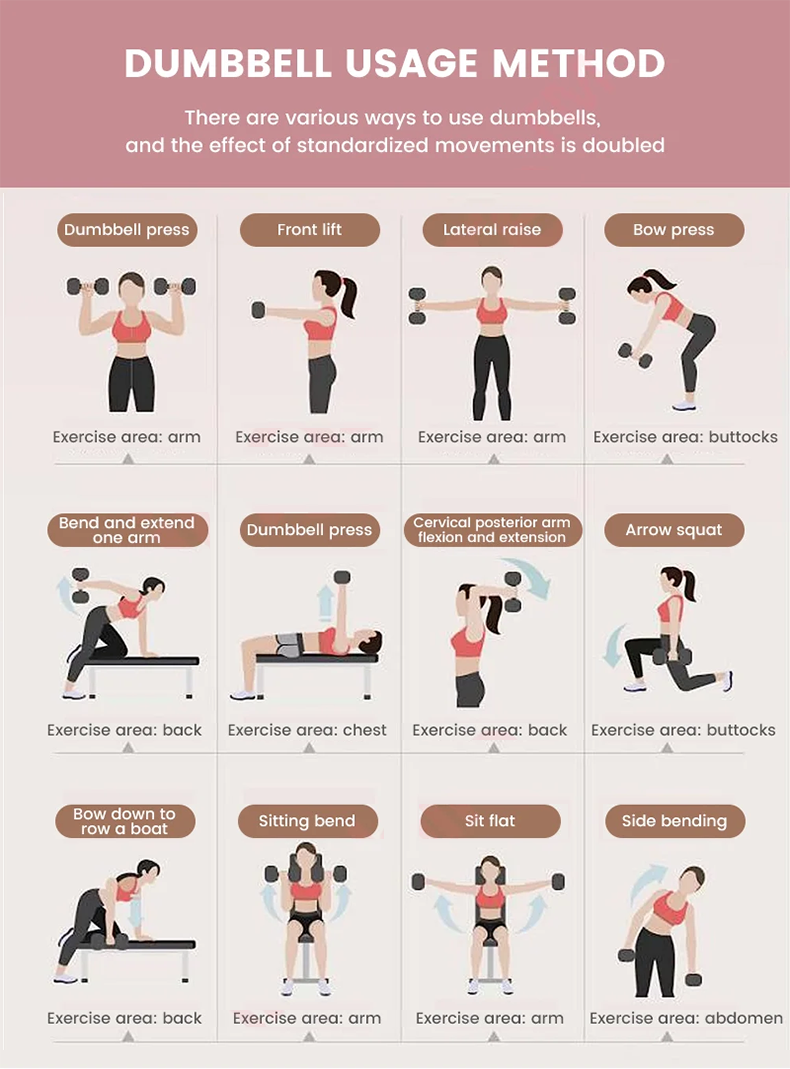
Bicep curls work the front of your arms. Hold a dumbbell in each hand with palms facing up. Slowly lift the weights toward your shoulders. Lower them back down with control. This move builds arm strength and shape.
Shoulder Press
The shoulder press strengthens your shoulders and upper arms. Hold dumbbells at shoulder height with palms facing forward. Push the weights straight up until your arms are extended. Lower them slowly to the start. This helps improve shoulder stability and power.
Tricep Kickbacks
Tricep kickbacks tone the back of your arms. Hold a dumbbell in each hand and bend slightly forward. Keep your elbows close to your body. Extend your arms backward until straight. Return slowly to the starting position. This exercise targets the triceps for better arm definition.
Chest Press
The chest press works the chest and shoulders. Lie on your back with a dumbbell in each hand. Hold the weights near your chest with elbows bent. Push the dumbbells up until your arms are straight. Lower them back down carefully. This move builds upper body strength and firmness.

Credit: vixencomposites.com
Lower Body Exercises
Strengthening the lower body is key for better balance and daily movement. Dumbbell exercises target major muscles like quads, hamstrings, and calves. These workouts build strength and improve stability.
Start with simple moves that use dumbbells to add resistance. This helps muscles grow without risk of injury. Focus on form and control for best results.
Goblet Squats
Hold a dumbbell close to your chest with both hands. Stand with feet shoulder-width apart. Lower your body by bending your knees and hips. Keep your back straight and chest up. Push through your heels to return to start. Goblet squats build strong legs and core muscles.
Lunges
Hold a dumbbell in each hand by your sides. Step forward with one leg and lower your hips. Bend both knees to about 90 degrees. Keep your front knee above your ankle. Push back to the starting position. Lunges improve balance and strengthen thighs and glutes.
Calf Raises
Hold a dumbbell in each hand at your sides. Stand with feet hip-width apart. Rise onto your toes slowly, lifting your heels off the ground. Hold briefly at the top, then lower back down. Calf raises tone and strengthen the lower legs for better stability.
Core Strengthening Moves
Core strengthening is key to better balance and posture. It helps protect your back and improves overall fitness. Dumbbells make these exercises more effective without needing complex machines. Beginners can start easily with these simple moves. They target different core muscles for a strong foundation.
Russian Twists
Sit on the floor with knees bent. Hold a dumbbell with both hands. Lean back slightly and twist your torso from side to side. Keep your core tight throughout the movement. This exercise works your obliques and helps improve rotation strength.
Dumbbell Side Bends
Stand tall with a dumbbell in one hand. Slowly bend sideways at the waist towards the dumbbell side. Return to the starting position and repeat. Switch sides after completing reps. Side bends strengthen the muscles along your waist and improve stability.
Weighted Sit-ups
Lie on your back with knees bent and feet flat. Hold a dumbbell on your chest or behind your head. Use your core to lift your upper body toward your knees. Lower down slowly to avoid strain. Weighted sit-ups build strong abdominal muscles and increase endurance.
Credit: www.liftingitalia.com
Creating A Beginner Routine
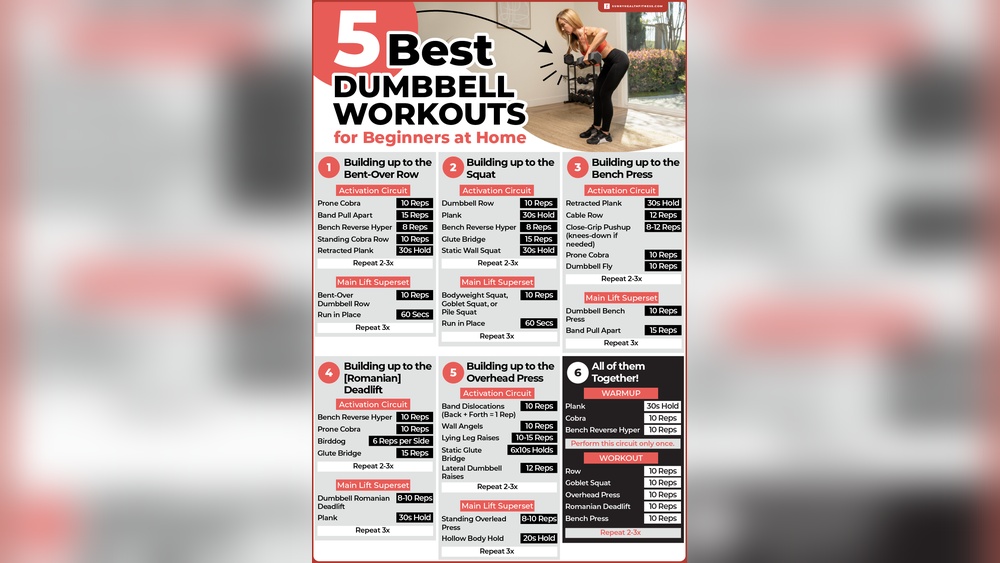
Creating a beginner dumbbell routine helps build strength safely and effectively. Start with simple exercises that target major muscle groups. A clear plan keeps workouts focused and balanced. Follow easy steps to design your routine.
Exercise Order Tips
Begin with large muscle groups like legs and chest. These exercises use more energy and need more focus. Follow with smaller muscles such as biceps and triceps. End your routine with core exercises to stabilize your body. This order helps maintain good form and reduces injury risk.
Sets And Reps Guidelines
Start with 2 to 3 sets per exercise. Each set should have 8 to 12 repetitions. This range builds strength and endurance without overdoing it. Use a weight that feels challenging but allows good form. Increase reps or weight gradually as you get stronger.
Rest And Recovery
Rest between sets for 30 to 60 seconds. This time lets your muscles recover slightly. Take at least one full day off between workouts. Rest helps muscles repair and grow stronger. Avoid training the same muscles on back-to-back days.
Common Mistakes To Avoid
Starting with dumbbells can be exciting. But some common mistakes can slow progress or cause injury. Avoiding these errors helps you exercise safely and effectively. Pay attention to how you move and plan your workouts wisely.
Poor Form Issues
Using wrong form is a top mistake. It puts strain on joints and muscles. It may cause pain or injury. Focus on slow, controlled movements. Keep your back straight and core tight. Watch yourself in a mirror or ask for help.
Overtraining Risks
Doing too much too soon leads to overtraining. Muscles need time to rest and grow. Overtraining causes tiredness and soreness. It can make you lose motivation. Schedule rest days and listen to your body’s signals.
Ignoring Warm-up And Cool-down
Skipping warm-up makes muscles stiff. It raises injury chances. Spend 5 to 10 minutes warming up. Use light cardio or dynamic stretches. Cooling down helps muscles relax and recover. Stretch gently after your workout to reduce soreness.
Tracking Progress
Tracking progress is important for beginners using dumbbells. It helps you see how much you improve over time. This keeps motivation high and guides your workout plan. Knowing your progress also stops you from doing too much or too little. Tracking makes your fitness journey clear and effective.
Recording Workouts
Write down each workout in a notebook or app. Note the exercises, sets, reps, and weight used. This record shows what you did and helps you remember. It also shows which exercises work best for you. Recording workouts makes it easy to follow your plan every session.
Adjusting Weight And Intensity
Increase the dumbbell weight when exercises feel easy. Add more reps or sets to challenge your muscles. This helps your body grow stronger step by step. Adjusting weight and intensity prevents plateaus and keeps progress steady. Listen to your body to avoid injury and improve safely.
Frequently Asked Questions
What Are The Best Dumbbell Exercises For Beginners?
Best beginner dumbbell exercises include bicep curls, shoulder presses, goblet squats, and dumbbell rows. These target major muscle groups safely and effectively. Start with light weights and focus on proper form to build strength and avoid injury.
How Often Should Beginners Do Dumbbell Workouts?
Beginners should do dumbbell workouts 2-3 times per week. This frequency allows muscles to recover and grow. Avoid daily workouts initially to prevent overtraining and injury. Gradually increase intensity as strength improves.
Can Dumbbell Exercises Help With Full-body Workouts?
Yes, dumbbell exercises can provide a full-body workout. Movements like squats, presses, and rows engage multiple muscle groups. Dumbbells offer versatility, allowing beginners to target arms, legs, chest, and back effectively.
What Weight Dumbbells Are Best For Beginners?
Beginners should start with light to moderate weights, typically 5 to 15 pounds. Choose weights that allow 12-15 controlled repetitions without strain. Gradually increase weight as strength and confidence improve.
Conclusion
Starting dumbbell exercises builds strength and confidence. Use light weights to learn proper form. Practice regularly for steady progress and better results. Focus on basic moves to avoid injury. Enjoy the process and stay patient. Small steps lead to big improvements.
Keep your routine simple and consistent. Your body will thank you with more energy and muscle tone. Dumbbells are a great tool for beginners. Stay motivated and watch your fitness grow.