Choosing the right weight for your boxing gloves can make a huge difference in your training and performance. If you’ve ever felt unsure about which gloves to pick, you’re not alone.
The weight affects your speed, power, and comfort every time you hit the bag or spar with a partner. You’ll discover how to find the perfect glove weight that matches your goals and keeps you safe. Keep reading, and you’ll unlock the key to improving your boxing experience like never before.
Choosing Gloves By Weight Class
Choosing the right boxing gloves depends a lot on your weight class. Gloves come in different weights, each designed for specific uses. Picking the right glove helps improve your training and protects your hands. The weight of the glove affects speed, power, and comfort during boxing. Below are the main categories for glove weights and what they offer.
Lightweight Gloves For Speed
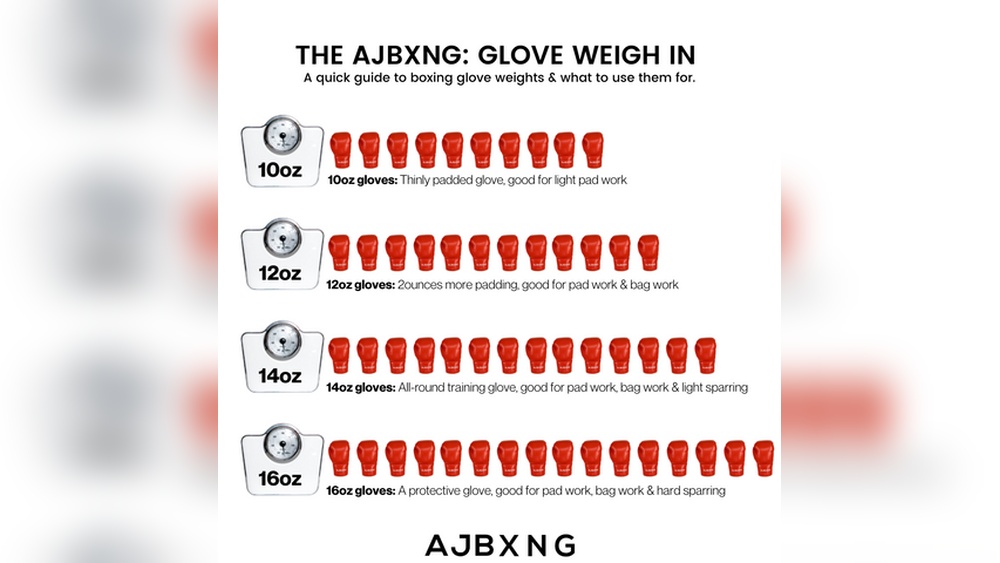
Lightweight gloves usually weigh between 8 to 10 ounces. They allow faster hand movement and quicker punches. These gloves suit boxers who rely on speed and agility. They offer less padding but give more control. Ideal for lighter weight classes and fast training sessions.
Medium Weight Gloves For Versatility
Medium weight gloves range from 12 to 14 ounces. They balance speed and protection well. Many boxers use these gloves for both training and sparring. They provide enough padding to protect your hands and your partner. Good for those who want a mix of speed and power.
Heavyweight Gloves For Power
Heavyweight gloves weigh 16 ounces or more. These gloves offer maximum padding and hand protection. They slow down your punches but increase power impact. Best for sparring and heavy bag work. They suit heavier weight classes and boxers focusing on strength.
Factors Influencing Glove Weight
Choosing the right weight for boxing gloves depends on several important factors. These factors affect comfort, performance, and safety. Understanding them helps you pick gloves that suit your needs well.
Glove weight is not just about size or style. It is about how you use the gloves, your hand size, and the materials inside. Each of these plays a role in finding the best fit for you.
Purpose: Training Vs Competition
Glove weight varies based on the purpose of use. Training gloves often weigh more to provide extra padding and protection. Heavier gloves help reduce hand injuries during long practice sessions.
Competition gloves are usually lighter. They allow faster punches and better control in the ring. Lighter gloves also meet official fight rules and standards.
Hand Size And Comfort
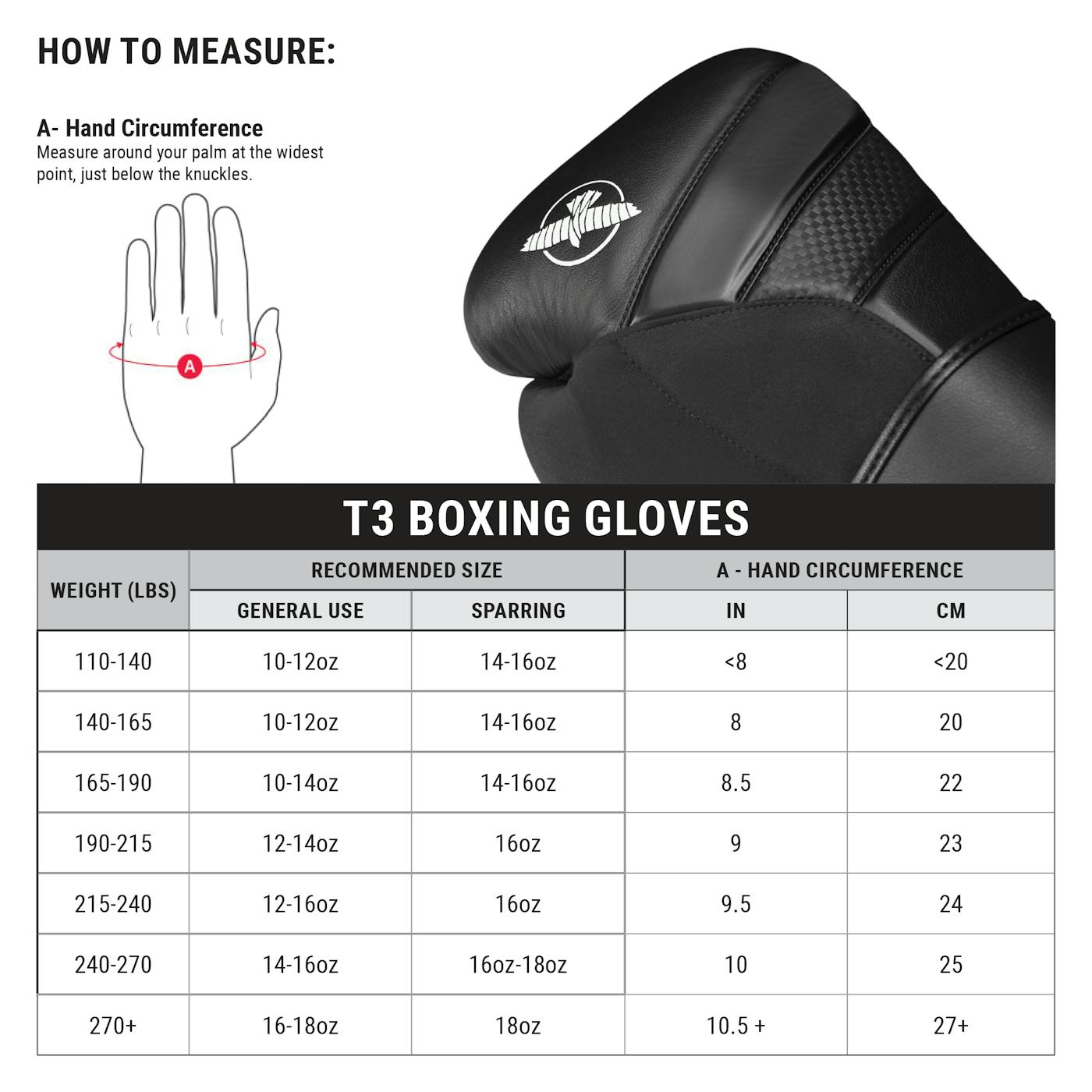
Glove weight must match your hand size for comfort and safety. Smaller hands often need lighter gloves. Larger hands require heavier gloves for a snug fit and good protection.
Comfort is key. Gloves that are too heavy or too light can cause pain or reduce performance. Try different weights to find what feels best.
Material And Padding Density
The materials inside gloves affect their weight. High-density foam or gel padding adds more weight but offers better shock absorption. This protects your hands and your training partner.
Leather gloves tend to be heavier than synthetic ones. The choice of material influences how long the gloves last and how they feel during use.
Common Glove Weights And Their Uses
Boxing gloves come in different weights. Each weight serves a special purpose. Choosing the right glove weight matters for safety and performance. Understanding common glove weights helps you select the best pair for your needs.
Gloves range from light to heavy. Light gloves offer speed and precision. Heavy gloves provide more protection and strength training. Here are the common glove weights and their main uses.
8 Oz Gloves For Professionals
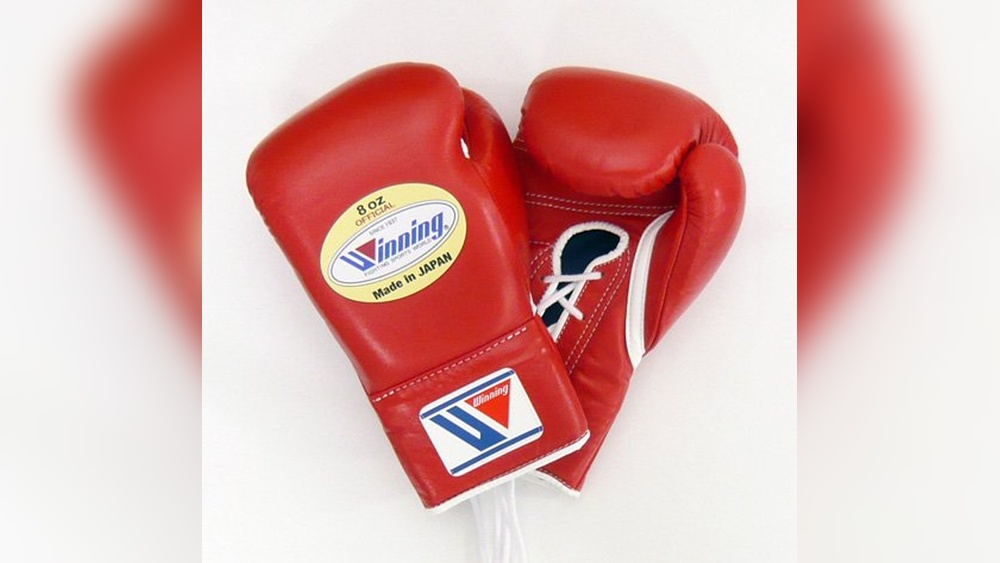
These gloves are light and fast. Boxers use them in pro matches. They give quick hand movement and sharp punches. Less padding means more power but less protection. Best for experienced fighters in the ring.
10 Oz Gloves For Amateur Fights
Amateurs often wear 10 oz gloves. They balance speed and safety well. The gloves protect hands and the opponent. Common in amateur competitions and some pro fights. Help beginners adjust to real fighting conditions.
12 Oz And 14 Oz For Training
These gloves are popular for training. They have enough padding for bag work and mitt drills. Help build strength and improve technique. Comfortable for long sessions. Suitable for most gym workouts.
16 Oz Gloves For Sparring
Sparring needs more hand protection. 16 oz gloves provide extra padding. They reduce injury risk for both fighters. Slower punches but safer for practice. Most gyms recommend these for sparring sessions.
:max_bytes(150000):strip_icc()/Best-Boxing-Gloves-SHP-tout-65aa90b28a2641cdac73919cae6c7765.jpg)
Credit: kdfoundation.org
Impact Of Glove Weight On Performance
The weight of boxing gloves plays a big role in how a boxer performs. Gloves that are too heavy or too light affect speed, power, and stamina. Choosing the right glove weight helps balance these factors. This balance can improve training and matches.
Speed And Agility
Lighter gloves help punch faster. They allow quicker hand movements and faster combinations. Speed is key for dodging and counterattacking. Heavy gloves slow down punches and reduce hand speed. Light gloves improve reaction time and overall agility.
Power And Protection
Heavier gloves absorb more impact and protect hands better. They reduce the risk of injury during hard hits. Heavier gloves also add weight to punches, increasing power. Lighter gloves give less padding and less protection. Boxing with the right glove weight keeps hands safe and punches strong.
Endurance And Fatigue
Heavy gloves tire arms faster. They require more energy to move. This can reduce training time and performance. Lighter gloves help conserve energy and delay fatigue. Using the correct glove weight allows longer, more effective workouts. Endurance improves with proper glove choice.
Tips For Selecting The Right Glove Weight
Selecting the right weight for your boxing gloves is key to a good training session. The glove weight affects comfort, protection, and performance. Knowing how to pick the right gloves helps you train safely and effectively.
Matching Gloves To Training Goals
Different training types need different glove weights. For heavy bag work, heavier gloves offer more protection. Lighter gloves feel better for speed and technique drills. Choose gloves that fit your main training focus. This keeps your hands safe and improves your skill.
Trying Different Weights
Trying several glove weights helps find the best fit. Visit a gym or store to test gloves. Feel how each weight affects your movement and comfort. Notice if your hands tire quickly or feel well-supported. This hands-on test guides your choice.
Consulting Coaches And Experts
Coaches and boxing experts give valuable advice. They know which gloves suit different levels and goals. Ask about glove weight recommendations based on your size and skill. Their tips prevent mistakes and improve your training experience.
Credit: vixencomposites.com
Maintaining And Caring For Gloves
Taking care of your boxing gloves extends their life and keeps them safe to use. Gloves face sweat, dirt, and wear after each training. Proper maintenance stops bad smells and damage. A few simple steps help your gloves stay fresh and strong for a long time.
Cleaning And Drying
After each use, wipe gloves with a clean cloth. Use a small amount of mild soap and water for stains. Avoid soaking gloves in water. Let them air dry in a cool, dry place. Never use direct heat or sunlight. Heat can damage the material and cause cracking.
Storage Tips
Store gloves in a well-ventilated area. Avoid leaving them in your gym bag for days. Use glove deodorizers or stuff gloves with newspaper to absorb moisture. Keep gloves away from damp or hot spots. Proper storage keeps them fresh and shape intact.
When To Replace Gloves
Replace gloves when padding becomes thin or uneven. Strong odors that don’t go away also mean time for new gloves. Tears or broken seams reduce protection. Using worn-out gloves increases injury risk. Regularly check gloves to keep training safe.
Credit: mysoapboxkids.com
Frequently Asked Questions
What Weight Gloves Are Best For Beginners?
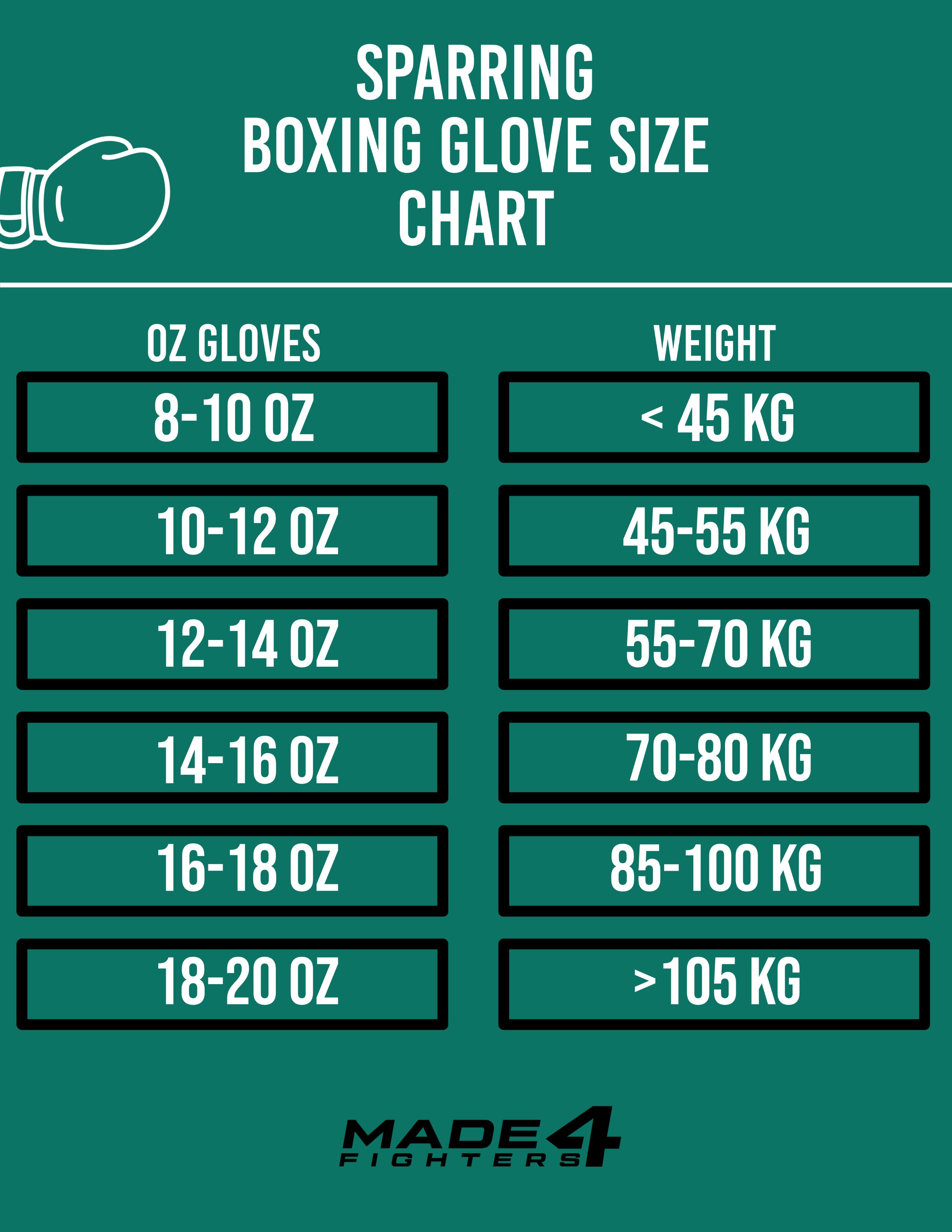
For beginners, 12 to 14 ounces gloves are ideal. They offer good protection and control, helping to build technique safely.
How Does Glove Weight Affect Training Quality?
Heavier gloves provide more padding, reducing hand impact. Lighter gloves increase speed and agility but offer less protection during training.
Which Glove Weight Is Best For Sparring?
14 to 16 ounces gloves are best for sparring. They protect both you and your partner from injury during practice.
Are Heavier Gloves Better For Bag Work?
Yes, heavier gloves (16 ounces) add resistance, building strength. However, lighter gloves allow faster punches and better technique during bag workouts.
Conclusion
Choosing the right boxing glove weight matters a lot. It affects your comfort and safety during training. Lighter gloves help with speed, while heavier ones protect better. Match glove weight with your training type and body size. Trying different weights can help you find the best fit.
Remember, the best glove weight feels good and supports your goals. Keep practicing with the right gloves to improve steadily. Your hands will thank you for the care.