Are you looking to build stronger, more defined traps without bulky gym machines? Using dumbbells for trap exercises might be exactly what you need.
These simple tools can help you target your trapezius muscles effectively, boosting your posture, strength, and overall upper body look. Keep reading to discover the best trap exercises with dumbbells that you can do anywhere, whether at home or the gym.
Your traps will thank you!
Why Focus On Trap Muscles
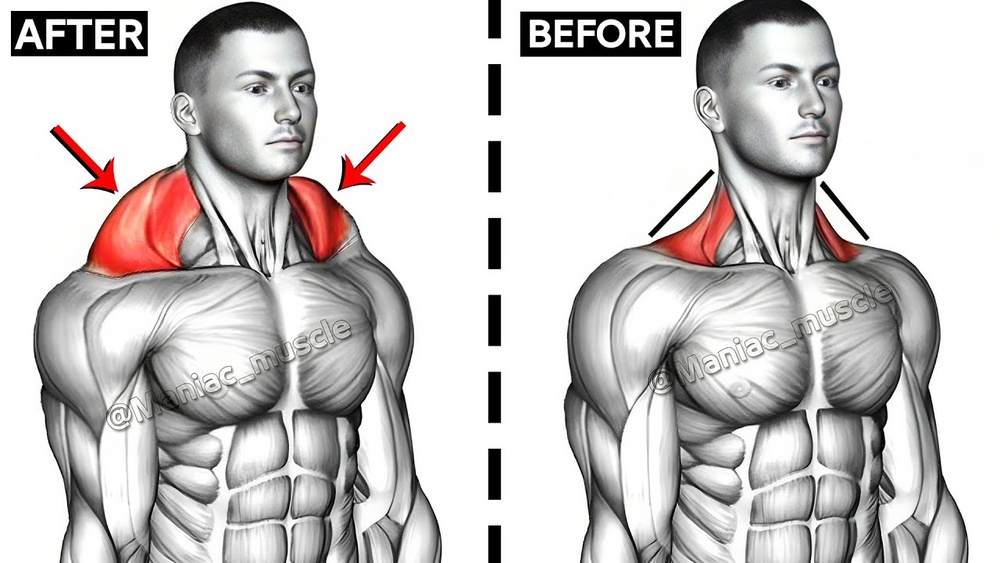
Focusing on your trap muscles brings many benefits to your workout and daily life. The traps support many upper body movements and improve your posture. Strong traps help protect your neck and shoulders from injury. Training traps with dumbbells is effective and easy to do at home.
Role Of Traps In Strength
Traps connect your neck, shoulders, and back. They help lift and move your shoulders. These muscles support heavy lifting and pulling actions. Traps stabilize your shoulder blades during many exercises. Strong traps improve your overall upper body strength. They play a key role in power and balance.
Benefits Of Strong Traps
Strong traps improve your posture and reduce neck pain. They help carry heavy loads without strain. Well-developed traps make your shoulders look bigger and more defined. They protect your neck and spine during physical activity. Strong traps also reduce the risk of shoulder injuries. They help you perform daily tasks with ease.
Credit: fitnessvolt.com
Advantages Of Dumbbell Trap Exercises
Dumbbell trap exercises offer many benefits for building strong shoulders and traps. They help improve posture and reduce neck pain. Using dumbbells allows for natural movement, which lowers injury risk. Dumbbells also let you work each side of your body equally. This balance is important for muscle growth and strength. These exercises fit well into any workout routine, whether at home or gym.
Versatility And Range Of Motion
Dumbbells allow a wide range of motion for trap exercises. You can perform shrugs, raises, and rows with dumbbells. This variety helps target different parts of the traps. Dumbbells move freely, so your joints stay safer. You can adjust angles easily to focus on weak spots. This flexibility enhances muscle activation and growth over time.
Accessibility And Convenience
Dumbbells are easy to find and use anywhere. You don’t need a lot of space or special machines. Many people keep dumbbells at home for quick workouts. They come in many sizes, perfect for beginners and advanced lifters. Dumbbells also cost less than other gym equipment. This makes them a smart choice for regular trap training.
Top Dumbbell Exercises For Traps
Strong traps improve shoulder strength and posture. Dumbbells help target traps effectively. They allow natural movement and help build muscle evenly. Here are the best dumbbell exercises to work your traps.
Dumbbell Shrugs
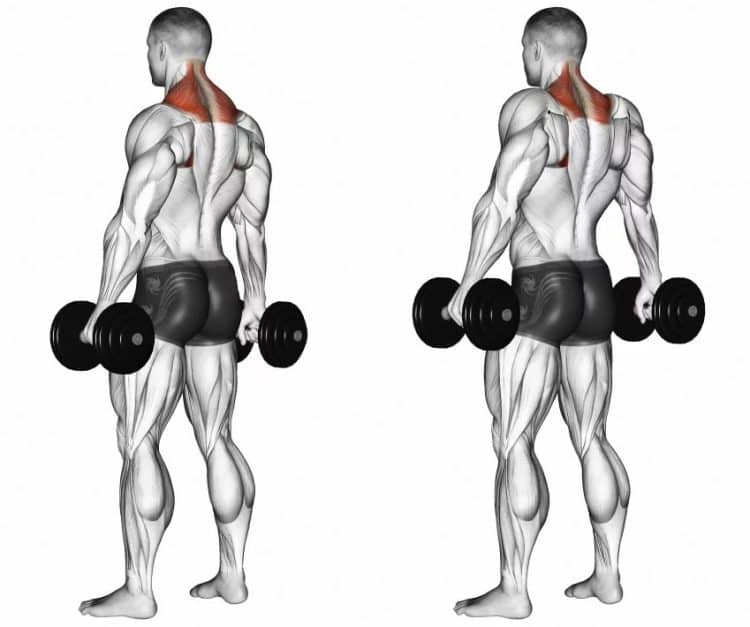
Hold a dumbbell in each hand. Keep arms straight and shrug your shoulders up. Hold for a second at the top. Lower the weights slowly. This exercise focuses on the upper traps.
Dumbbell Upright Rows
Hold dumbbells in front of your thighs. Pull the weights up to your chest. Keep elbows higher than your hands. Lower the dumbbells slowly. Upright rows work the traps and shoulders.
Dumbbell Farmer’s Walk
Hold heavy dumbbells at your sides. Stand tall and walk forward. Keep your shoulders back and chest up. This improves trap strength and grip. Walk for a set distance or time.
Dumbbell Reverse Fly
Bend forward at the hips with dumbbells in hand. Keep a slight bend in your elbows. Raise your arms out to the sides. Squeeze your shoulder blades together. This targets the middle and lower traps.
Dumbbell High Pull
Start with dumbbells in front of your thighs. Pull the weights up to your chest quickly. Keep your elbows higher than your hands. Control the dumbbells down slowly. This exercise builds power in your traps.

Credit: www.liftingitalia.com
Proper Form And Technique Tips
Proper form and technique are key to effective dumbbell trap exercises. Good form helps you target the traps well and avoid injury. Small adjustments make a big difference in results and safety.
Focus on posture, breathing, and avoiding common errors. These tips improve your workout quality. Let’s explore these points in detail to help you train smart.
Maintaining Posture
Stand tall with your feet shoulder-width apart. Keep your back straight and chest up. Avoid slouching or leaning forward. Hold the dumbbells firmly but relaxed. Keep your shoulders down, not raised before lifting. This position protects your neck and spine. Proper posture helps trap muscles work better.
Breathing Patterns
Inhale before you lift the dumbbells. Exhale slowly as you raise your shoulders or shrug. Breathe out fully at the top of the movement. Inhale while lowering the weights back down. Controlled breathing keeps muscles supplied with oxygen. It supports steady effort and reduces tension.
Common Mistakes To Avoid
Don’t use too much weight that forces swinging. Avoid rolling your shoulders in circles. Keep movements slow and controlled, not jerky. Don’t lift your shoulders too high or shrug unevenly. Avoid bending your elbows too much. These errors reduce trap activation and may cause pain.
Designing A Trap Workout Routine
Designing a trap workout routine requires careful planning. You must balance intensity, volume, and recovery. This helps build strong, well-defined trapezius muscles. Using dumbbells allows for versatile and effective exercises. Setting the right structure ensures steady progress and prevents injury.
Focus on how many sets and reps to perform. Understand the importance of rest between workouts. Learn ways to increase difficulty over time. These steps help create a solid trap training plan.
Sets And Reps For Strength
For building strength, choose heavier dumbbells. Aim for 3 to 5 sets per exercise. Keep reps low, around 4 to 6 per set. This encourages muscle growth and power. Take enough rest between sets to maintain intensity. About 90 seconds to 2 minutes works well.
Incorporating Rest And Recovery
Rest is key for muscle repair and growth. Give your traps at least 48 hours before training again. This avoids overtraining and soreness. Sleep well and eat protein-rich foods. Light stretching or gentle movement on rest days helps blood flow.
Progression Strategies
Gradually increase dumbbell weight to challenge your muscles. Add more sets or reps as strength improves. Try slower movement to boost muscle tension. Track your workouts to see progress. Change exercises occasionally to work traps from different angles.

Credit: www.youtube.com
Combining Traps Training With Overall Fitness
Training your traps with dumbbells helps build strong shoulders and neck muscles. Combining trap exercises with overall fitness creates a balanced and healthy body. Focus on different muscle groups to avoid injury and improve posture. A well-rounded workout plan includes strength, cardio, and mobility.
Balancing Push And Pull Movements
Trap exercises mostly involve pulling motions. Balance these with push exercises like push-ups or dumbbell presses. This balance improves muscle coordination and prevents muscle tightness. Equal focus on push and pull helps maintain good posture. It also reduces the risk of shoulder injuries during daily activities.
Integrating Cardio And Mobility
Cardio exercises improve heart health and burn fat. Include activities like walking, cycling, or jumping rope. Mobility work, such as stretching and foam rolling, keeps muscles flexible. Flexible traps move better and recover faster. Combining cardio and mobility with trap training supports overall fitness and muscle health.
Nutrition Tips For Muscle Growth
Nutrition plays a big role in muscle growth. Eating the right foods helps your body repair and build muscle after workouts. Proper nutrition fuels your traps and other muscles. Without good nutrition, exercises with dumbbells may not give the best results.
Protein Intake Guidelines
Protein is essential for muscle repair and growth. Aim for about 1.2 to 2.0 grams of protein per kilogram of body weight daily. Choose lean sources like chicken, fish, eggs, and beans. Spread protein intake evenly across meals. This helps your body use it better.
Eating protein after workouts helps rebuild muscle fibers. A snack or meal with protein within 30 to 60 minutes after training is ideal. This timing supports faster recovery and muscle growth.
Supplements To Consider
Supplements can support your nutrition but do not replace real food. Whey protein powder is a quick and easy source of protein. Creatine may help increase strength and muscle size. Branched-chain amino acids (BCAAs) can reduce muscle soreness and aid recovery.
Take supplements as directed. Check with a healthcare provider before starting new supplements. Focus on a balanced diet first to get most nutrients naturally.
Frequently Asked Questions
What Are The Best Dumbbell Exercises For Traps?
The best dumbbell exercises for traps include shrugs, upright rows, and farmer’s walks. These target the upper trapezius effectively. They help build strength and muscle definition in your traps using simple equipment.
How Often Should I Train Traps With Dumbbells?
Training traps with dumbbells 2-3 times a week is ideal. Allow at least 48 hours for muscle recovery. Consistency and proper form maximize growth and prevent injury.
Can Dumbbell Exercises Replace Barbell Trap Workouts?
Yes, dumbbell exercises can replace barbell workouts. They offer greater range of motion and reduce injury risk. Dumbbells also improve muscle balance and coordination in your traps.
What Is The Best Form For Dumbbell Shrugs?
Stand straight with dumbbells at your sides. Lift shoulders straight up toward ears, hold briefly, then lower. Avoid rolling shoulders. Proper form maximizes trap activation and prevents strain.
Conclusion
Dumbbell trap exercises help build strong, defined shoulders. They fit well into any workout plan. Using dumbbells gives you control and balance. You can do these exercises at home or gym. Regular practice improves posture and reduces neck tension. Start with light weights and increase slowly.
Stay consistent for the best results. Strong traps support many daily activities. Try these moves to feel stronger and more confident. Keep your form correct to avoid injury. Small steps lead to great progress over time.