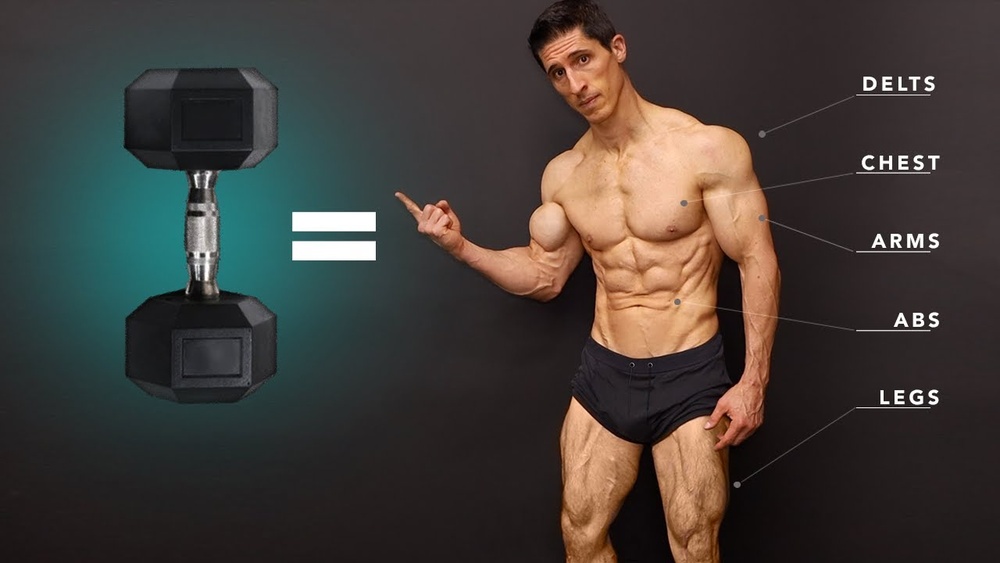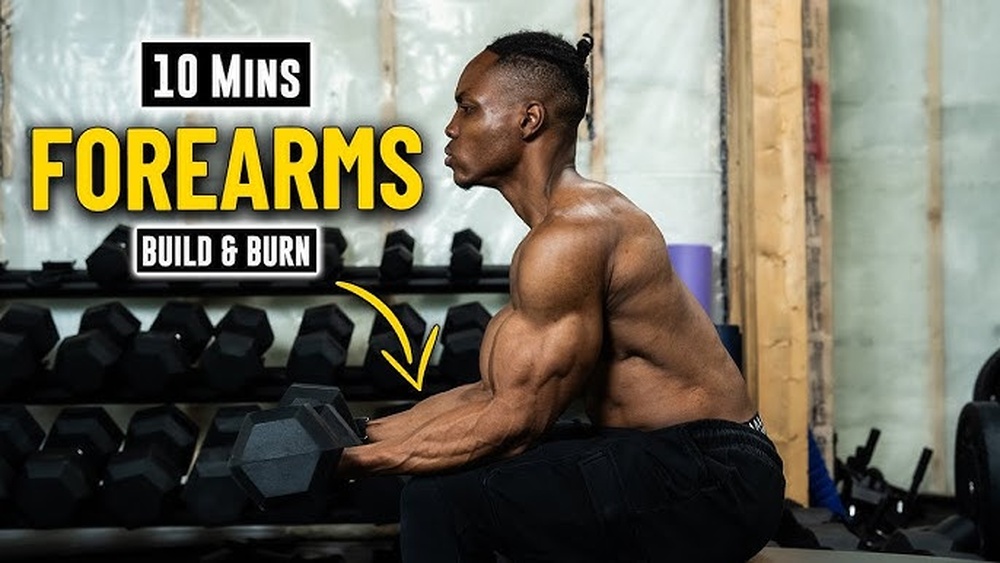
If you want stronger, more defined forearms, using dumbbells is one of the easiest and most effective ways to get there. Your forearms play a big role in almost every upper-body movement, from lifting weights to gripping objects.
But many people overlook training them directly. This guide will show you the best forearm exercises with dumbbells that you can do at home or in the gym. By adding these simple moves to your routine, you’ll see noticeable strength and muscle gains faster than you expect.
Ready to take your grip and arm power to the next level? Keep reading!
Benefits Of Dumbbell Forearm Workouts
Dumbbell forearm workouts build strength and improve grip. Strong forearms support many daily tasks and sports activities. Using dumbbells targets muscles in the wrist, hand, and lower arm. These exercises increase endurance and reduce injury risk. Dumbbell workouts also help shape and tone forearms for a balanced look.
Improved Grip Strength
Dumbbell exercises enhance grip power effectively. A strong grip helps in lifting heavier weights safely. It also aids in sports like climbing, tennis, and golf. Better grip reduces hand fatigue during long workouts. This makes training more efficient and productive.
Increased Wrist Stability
Workouts with dumbbells strengthen wrist muscles and tendons. Strong wrists prevent strains and sprains during physical activity. Stability helps maintain proper form in exercises like push-ups and pull-ups. It also supports wrist health for daily motions like typing and carrying.
Enhanced Muscle Definition
Dumbbell exercises sculpt and tone forearm muscles. This creates a balanced and athletic appearance. Visible muscle definition boosts confidence in both men and women. Regular training firms up loose skin and improves muscle shape. It helps achieve a strong and healthy look.
Better Functional Strength
Forearm workouts improve strength for everyday tasks. Carrying bags, opening jars, and using tools become easier. Strong forearms reduce fatigue during manual work. This improves overall efficiency in daily routines. Functional strength supports an active and independent lifestyle.

Credit: www.youtube.com
Key Muscles Targeted
Understanding the key muscles targeted by forearm exercises helps improve strength and grip. Forearms consist of several muscles that control wrist and finger movements. Training these muscles with dumbbells builds endurance and enhances daily activities. Focus on three main muscle groups for balanced forearm development.
Flexor Muscles
Flexor muscles are located on the inside of the forearm. They help bend the wrist and fingers. These muscles are important for gripping objects tightly. Dumbbell wrist curls mainly work the flexors. Strengthening flexors reduces wrist pain and improves hand control.
Extensor Muscles
Extensor muscles sit on the outside of the forearm. They straighten the wrist and fingers. These muscles balance the flexors and prevent injuries. Dumbbell reverse wrist curls target the extensors. Strong extensors improve wrist stability and movement.
Brachioradialis
The brachioradialis is a large muscle on the upper forearm. It helps bend the elbow and rotate the forearm. Dumbbell hammer curls focus on this muscle. Developing the brachioradialis boosts overall arm strength and grip power.
Preparation And Safety Tips
Preparing well before forearm exercises with dumbbells helps improve results. It also lowers the risk of injuries. Safe workouts keep your muscles strong and pain-free.
Focus on warming up, using proper form, and avoiding common mistakes. These steps protect your joints and muscles during training. Start each session with care and attention.
Warm-up Techniques
Begin with light cardio like jogging or jumping jacks for 5 minutes. This raises your heart rate and warms muscles. Next, do wrist circles and stretches to loosen forearms. Gentle squeezing of a stress ball also activates hand muscles. Warm muscles respond better to exercise and prevent strains.
Proper Form Guidelines
Hold dumbbells firmly but without tension. Keep wrists straight and avoid bending them too much. Move slowly through each repetition. Control every motion to target forearm muscles effectively. Keep your elbows close to the body. Maintain a neutral spine and relaxed shoulders. Stop if you feel sharp pain or discomfort.
Avoiding Common Injuries
Do not lift weights that feel too heavy. Overloading leads to strains and joint problems. Rest between sets to allow muscle recovery. Avoid sudden jerks or fast movements. Use smooth, steady motions during exercises. If pain lasts more than a day, take a break and consult a doctor. Listen to your body’s signals to train safely.
Credit: www.healthline.com
Top Dumbbell Exercises For Forearms
Strong forearms improve grip and overall arm strength. Dumbbells offer a simple way to target these muscles effectively. The following exercises focus on different parts of the forearm for balanced development.
Wrist Curls
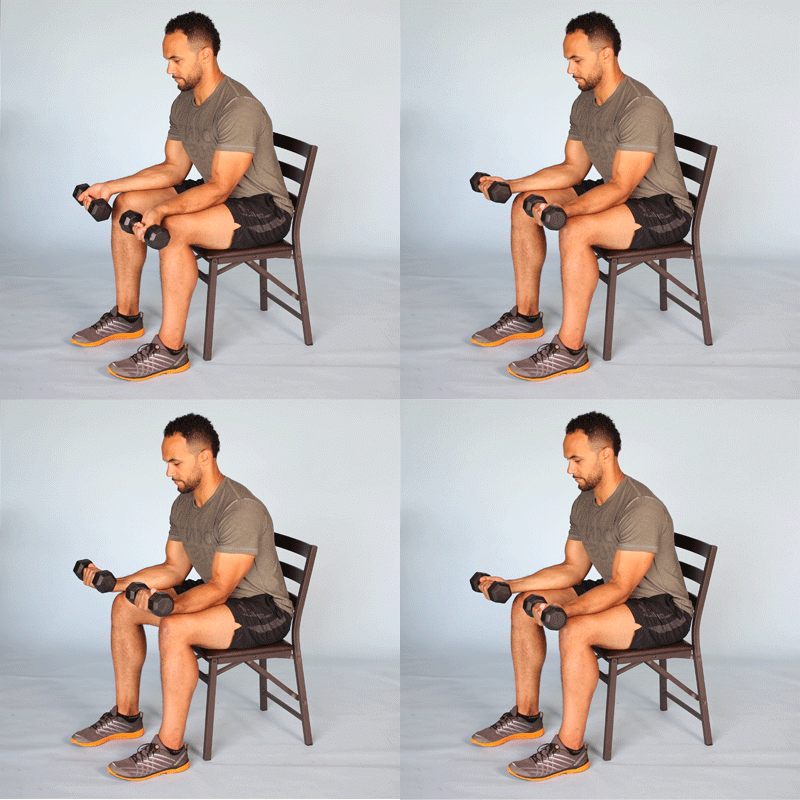
Wrist curls strengthen the forearm flexors. Sit on a bench with your forearms resting on your thighs. Hold dumbbells with palms facing up. Slowly curl your wrists upward, then lower them back down. Perform 3 sets of 12 to 15 reps for best results.
Reverse Wrist Curls
Reverse wrist curls work the forearm extensors. Sit with forearms on thighs, palms facing down. Hold dumbbells and lift your wrists upward. Lower them slowly to starting position. This exercise improves wrist stability and balance. Aim for 3 sets of 12 to 15 reps.
Hammer Curls
Hammer curls target both the forearms and biceps. Hold dumbbells with palms facing your body. Curl the weights up while keeping your palms inward. Slowly lower the dumbbells back down. Do 3 sets of 10 to 12 reps to build arm power.
Zottman Curls
Zottman curls combine regular and reverse curls. Start with palms facing up and curl the dumbbells. Rotate your wrists at the top to face down. Lower the weights slowly in this position. This move works multiple forearm muscles. Complete 3 sets of 10 reps.
Farmer’s Walk
The farmer’s walk improves grip strength and endurance. Hold heavy dumbbells at your sides. Walk a set distance or time without dropping the weights. Keep your back straight and shoulders down. Repeat for 3 rounds to build strong forearms and grip.
Training Frequency And Progression
Training frequency and progression are key to building strong forearms with dumbbells. Consistent workouts help muscles grow and get stronger. Gradual increases in weight or reps push your muscles to adapt. This section explains how often to train, how to increase your workload, and how to track your progress effectively.
How Often To Train
Train your forearms two to three times per week. Allow at least one day of rest between sessions. Forearms recover quickly but still need time to heal. Avoid training them every day to prevent injury and fatigue.
Increasing Weight And Reps
Start with a weight you can lift comfortably for 10 to 15 reps. Once you can do 15 reps easily, increase the weight slightly. If weight increase is not possible, add more reps. Small, steady increases help build strength safely and effectively.
Tracking Progress
Keep a workout journal or use a fitness app to record your sets, reps, and weights. Tracking helps you see improvements and stay motivated. Review your progress weekly to decide when to increase intensity. Consistent tracking leads to better results over time.

Credit: www.antoinesarr.com
Combining Forearm Workouts With Other Training
Combining forearm workouts with other training routines helps create a balanced fitness plan. Forearm strength supports many upper body exercises. Training these muscles alongside other groups improves overall performance and grip power. Smart integration prevents overtraining and injury. Proper recovery keeps muscles growing and ready for the next session.
Integrating With Upper Body Routines
Forearm exercises fit well with upper body workouts. Include dumbbell wrist curls or reverse curls after bicep or tricep sets. This approach saves time and targets related muscles together. It also helps maintain wrist stability during pressing and pulling movements. A stronger forearm means better control in lifts like rows and bench presses.
Balancing Grip Strength
Grip strength affects many exercises, from deadlifts to pull-ups. Forearm training enhances your grip endurance and power. Use dumbbells to perform wrist rotations and holds. These exercises develop small muscles that support hand function. Balanced grip strength reduces fatigue and improves workout quality.
Recovery Strategies
Forearm muscles need rest to grow and avoid strain. Stretch wrists and fingers gently after workouts. Use light massage or foam rolling for relief. Schedule at least one day between intense forearm sessions. Proper hydration and nutrition also aid muscle repair. Rest ensures you gain strength without injury.
Frequently Asked Questions
What Are The Best Dumbbell Exercises For Forearms?
The best dumbbell exercises for forearms include wrist curls, reverse wrist curls, hammer curls, and farmer’s walks. These target both the flexor and extensor muscles effectively. Using dumbbells allows for controlled resistance and improved grip strength, essential for balanced forearm development.
How Often Should I Train My Forearms With Dumbbells?
Train your forearms with dumbbells 2-3 times per week. Allow at least 48 hours of rest between sessions for recovery. Consistent training promotes muscle growth and grip strength without overtraining or injury.
Can Dumbbell Exercises Improve Grip Strength?
Yes, dumbbell exercises like wrist curls and farmer’s walks enhance grip strength. Strengthening forearm muscles directly supports a stronger grip. This benefits daily tasks and other workouts like deadlifts and pull-ups.
Are Forearm Dumbbell Workouts Suitable For Beginners?
Absolutely. Forearm dumbbell workouts are beginner-friendly with adjustable weights. Start with light weights and focus on proper form. Gradually increase resistance as strength improves to avoid injury.
Conclusion
Strong forearms improve grip and support daily tasks. Dumbbell exercises target muscles effectively and safely. Consistent practice leads to better strength and endurance. Start with light weights, then increase gradually. Focus on form to avoid injury and gain results. Mix different exercises to work all forearm muscles.
Stay patient; progress takes time and effort. Your forearms will become stronger and more durable. Keep training regularly for lasting benefits and confidence.