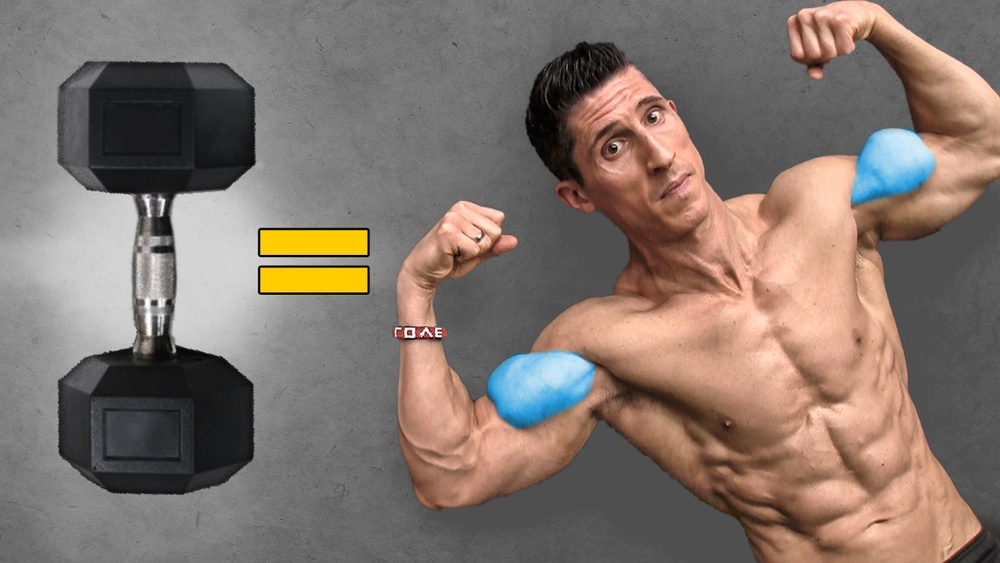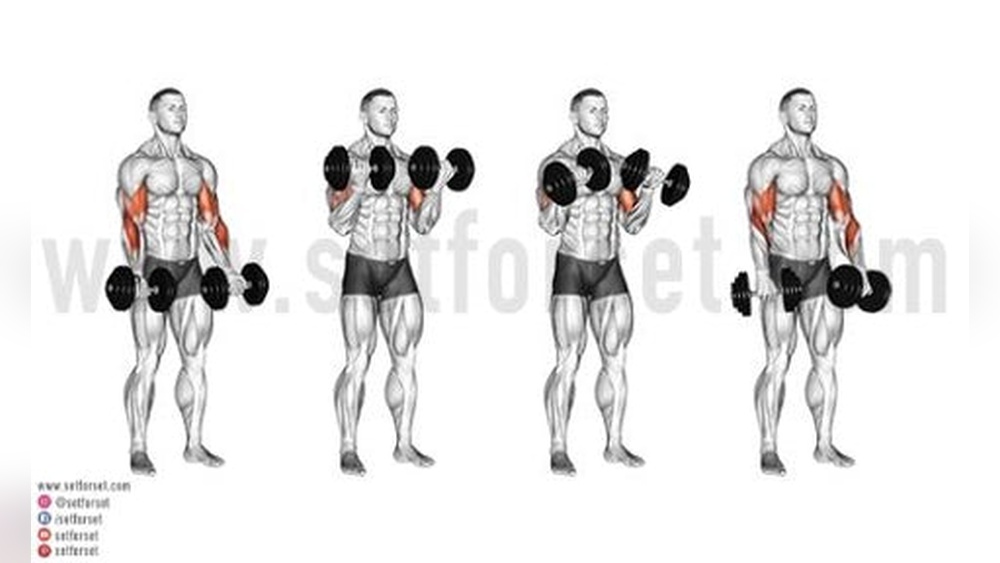
If you want stronger, bigger biceps, choosing the right dumbbell curl technique is key. The best bicep curls with dumbbells can transform your arm workouts and help you see real results faster.
Whether you’re just starting out or looking to break through a plateau, this guide is made for you. Keep reading to discover simple tips and the most effective curls that will make your biceps stand out. Your stronger arms start here.

Credit: www.strengthlog.com
Choosing The Right Dumbbells
Choosing the right dumbbells for bicep curls is important. The right set helps you train better and avoid injury. Picking dumbbells that match your strength and goals makes workouts more effective. Let’s explore key points to consider before buying.
Fixed Vs Adjustable Dumbbells
Fixed dumbbells have a set weight and shape. They are simple and ready to use. Adjustable dumbbells let you change the weight by adding or removing plates. They save space and money over time. Choose fixed dumbbells for ease and durability. Pick adjustable dumbbells for versatility and saving space.
Weight Selection Tips
Select a weight that challenges your muscles but allows good form. Start with lighter weights to learn the right movement. Increase the weight gradually as you get stronger. Avoid weights that feel too heavy and cause bad form. Choose weights that let you do 8 to 12 good reps per set.
Material And Grip Considerations
Dumbbells come in metal, rubber, or neoprene coatings. Metal dumbbells last long but may feel cold. Rubber-coated dumbbells protect floors and reduce noise. Neoprene dumbbells offer a soft and comfortable grip. Check the handle grip for texture and size. A good grip stops slipping and improves control during curls.
Credit: www.fmgestionautomotriz.cl
Top Bicep Curl Variations
Building strong biceps requires variety in your workout. Different bicep curl styles target muscles from unique angles. This variety helps improve muscle size and strength. Here are some top dumbbell bicep curl variations to include in your routine.
Standard Dumbbell Curl
The standard dumbbell curl works the main bicep muscle. Hold a dumbbell in each hand. Keep your elbows close to your body. Slowly lift the weights by bending your elbows. Lower the dumbbells with control. This exercise improves overall bicep strength and size.
Hammer Curl
Hammer curls target the biceps and forearms. Hold dumbbells with palms facing your body. Curl the weights while keeping this grip. The motion looks like using a hammer. This variation adds thickness to your arms. It also improves grip strength.
Concentration Curl
Concentration curls focus on the biceps peak. Sit on a bench and rest your elbow on your thigh. Curl the dumbbell slowly towards your shoulder. Keep your upper arm still. This isolates the biceps and helps build a sharp peak. Use a slow, controlled motion.
Incline Dumbbell Curl
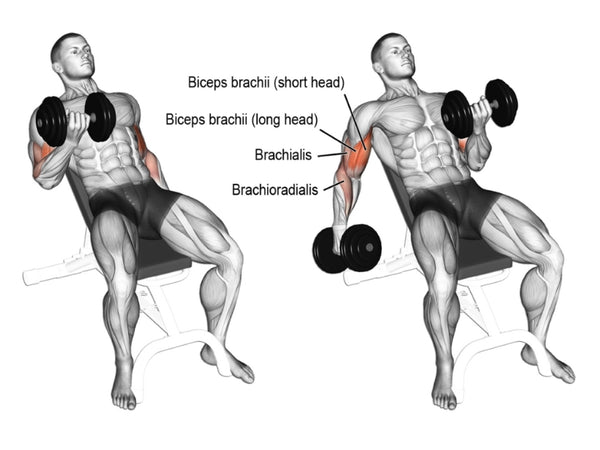
Incline curls stretch the biceps for a full range of motion. Sit on an incline bench holding dumbbells at your sides. Curl the weights up without moving your upper arms. This stretch helps target the long head of the biceps. It promotes better muscle growth and definition.
Proper Curl Techniques
Proper curl techniques are key to building strong, well-shaped biceps. Using the right form helps prevent injuries and makes your workout more effective. Small details in your posture and movement can change results significantly. Focus on control and precision with every curl.
Correct Posture And Form
Stand straight with your feet shoulder-width apart. Keep your elbows close to your body at all times. Avoid swinging your body or using momentum to lift the dumbbells. Lift the weights slowly and lower them with control. Keep your wrists neutral, not bent or twisted.
Common Mistakes To Avoid
Avoid using too much weight that forces you to cheat. Don’t let your elbows move forward or backward. Avoid leaning back or arching your lower back. Don’t rush through the movement; fast curls reduce muscle engagement. Prevent jerky motions that strain your joints.
Breathing Patterns
Inhale deeply before you start lifting the dumbbells. Exhale slowly as you curl the weight upwards. Breathe in as you lower the dumbbells back down. Consistent breathing supports muscle performance and energy. Holding your breath can increase tension and cause dizziness.
Training Tips For Maximum Gains
Training your biceps with dumbbell curls requires smart techniques. These training tips help you gain muscle faster and avoid injuries. Focus on consistent effort and proper form for best results.
Small changes in your workout can lead to big improvements. Use these strategies to make the most of your bicep curls.
Progressive Overload Strategies
Progressive overload means gradually increasing the weight or reps. This forces your muscles to grow stronger over time. Start with a weight you can lift comfortably for 10-12 reps. Each week, add a small amount of weight or extra reps. Keep challenging your muscles without losing good form. This steady increase builds muscle size and strength.
Rep And Set Recommendations
For bicep growth, aim for 3 to 4 sets of 8 to 12 reps. This range helps build muscle size and endurance. If you want more strength, try 4 to 6 reps with heavier weights. Rest about 60 seconds between sets to keep your muscles fresh. Keep reps smooth and controlled. Avoid swinging the dumbbells for better muscle focus.
Rest And Recovery
Muscles grow during rest, not just workouts. Give your biceps at least 48 hours to recover between sessions. Sleep well to support muscle repair. Avoid training the same muscle group every day. Overtraining can cause injury and slow progress. Use rest days for light activity or stretching to stay flexible.
Incorporating Bicep Curls Into Workouts
Bicep curls with dumbbells are a popular exercise to build arm strength. Adding them to your workout routine can help improve muscle tone and overall fitness. Simple to do and effective, bicep curls fit well into different workout styles. Understanding how to use them properly can boost your exercise results and keep workouts balanced.
Full-body Workout Integration
Bicep curls work well in full-body workouts. They can be added after big compound lifts like squats or deadlifts. This approach targets the arms without taking focus from main lifts. It helps maintain workout flow and avoids fatigue early in the session. Using light to moderate dumbbells keeps energy up for other exercises.
Supersets And Drop Sets
Supersets pair bicep curls with another exercise, like tricep dips. This method saves time and increases workout intensity. Drop sets involve lowering dumbbell weight after muscle fatigue. This technique pushes muscles harder and improves endurance. Both methods add variety and challenge to your arm training.
Balancing With Other Muscle Groups
Strong biceps need balanced training with other muscles. Include triceps, shoulders, and back exercises for overall arm strength. This balance prevents injuries and muscle imbalances. It also creates a more natural and functional arm movement. Plan workouts that target all major upper body muscles evenly.
Credit: learn.athleanx.com
Equipment Alternatives And Add-ons
Choosing the right equipment can improve your bicep curl workouts. Dumbbells are popular, but other tools can add variety and help target muscles differently. Equipment alternatives and add-ons offer new ways to challenge your arms. They can fit different fitness levels and workout styles. Exploring these options keeps your routine fresh and effective.
Resistance Bands
Resistance bands are light and portable. They create tension that works your biceps throughout the movement. You can adjust the difficulty by changing the band’s thickness or length. Bands allow smooth and controlled motion. They are gentle on joints and good for beginners or rehab.
Cable Machines
Cable machines provide constant resistance during curls. The pulley system keeps tension on your muscles. You can change the weight easily to match your strength. Cables help with controlled, steady movements. They also allow different grip positions for variety.
Wrist Weights
Wrist weights add extra resistance to your arms. They make every movement harder without holding anything. This keeps your hands free and improves endurance. Wrist weights suit light workouts or warm-ups. Use them carefully to avoid strain.
Tracking Progress And Staying Motivated
Tracking your progress is key to improving your bicep curls with dumbbells. It helps you see how much you have improved over time. Staying motivated is easier when you know your efforts are working. Small changes add up to big results.
Using Fitness Apps
Fitness apps help you record your workouts quickly. They keep track of weights, sets, and repetitions. Some apps show graphs of your progress. This visual feedback encourages you to keep going. Apps also remind you to workout regularly.
Setting Realistic Goals
Set goals that you can reach step by step. Start with light weights and fewer reps. Increase gradually as your strength improves. Realistic goals prevent frustration and injury. They keep you focused on steady progress.
Celebrating Milestones
Notice when you lift heavier weights or do more reps. Celebrate these wins, no matter how small. Rewards help keep your motivation high. Share your success with friends or workout partners. These moments make your fitness journey enjoyable.
Frequently Asked Questions
What Are The Best Dumbbells For Bicep Curls?
The best dumbbells for bicep curls are adjustable or fixed weights. Choose those with a comfortable grip and balanced weight. Quality materials like cast iron or rubber-coated options enhance durability and comfort during workouts.
How Many Reps Of Dumbbell Curls Build Biceps Fast?
Perform 8-12 reps per set for muscle growth. Aim for 3-4 sets with proper form. Rest 30-60 seconds between sets to maximize strength and size gains.
Can Dumbbell Bicep Curls Improve Arm Strength?
Yes, dumbbell bicep curls effectively build arm strength. They target the biceps brachii, enhancing muscle tone and lifting power. Consistent training improves overall arm endurance and performance.
Should I Use Heavy Or Light Dumbbells For Curls?
Use weights that challenge you without sacrificing form. Start with lighter dumbbells to master technique, then gradually increase weight for strength and size gains. Balance is key to avoid injury.
Conclusion
Choosing the right dumbbells makes bicep curls effective and safe. Start with weights that feel comfortable but challenging. Focus on slow, steady movements to build muscle well. Consistency matters more than heavy lifting every time. Small progress adds up over weeks and months.
Enjoy the process and watch your strength grow. Keep your form correct to avoid injury. This simple exercise fits well in any workout plan. Bicep curls with dumbbells help tone and strengthen arms. Give yourself time and stay patient with results.