Are you ready to build strong, sculpted shoulders that turn heads? Using dumbbells for your shoulder workouts is one of the easiest and most effective ways to achieve that.
Whether you’re working out at home or in the gym, the right dumbbell exercises can help you boost strength, improve posture, and enhance your overall look. You’ll discover the best shoulder workout dumbbells and how to use them to get maximum results.
Keep reading to find out which moves will transform your shoulders and make your workouts more powerful than ever.
Credit: www.menshealth.com
Benefits Of Dumbbell Shoulder Workouts
Dumbbell shoulder workouts offer many benefits for building strong, balanced shoulders. They help improve muscle control and reduce the risk of injury. Using dumbbells allows for natural movement and better muscle engagement.
These workouts suit all fitness levels and can be done at home or in the gym. They target different shoulder muscles effectively with simple equipment.
Improved Muscle Symmetry
Dumbbells require each arm to work independently. This helps fix muscle imbalances between sides. Balanced strength improves posture and reduces injury chances. Symmetrical muscles look better and perform stronger.
Enhanced Range Of Motion
Dumbbells allow a wider, more natural motion than machines. This improves joint flexibility and muscle activation. Better movement range helps build stronger, more flexible shoulders. It also supports daily activities and sports.
Convenience And Versatility
Dumbbells are easy to use anywhere, anytime. They fit small spaces and require little setup. Many exercises target various shoulder parts with one tool. This saves time and keeps workouts interesting.
Credit: learn.athleanx.com
Key Shoulder Muscles To Target
Strong and well-shaped shoulders improve posture and upper body strength. Knowing which muscles to target helps you choose the best dumbbell exercises. This focus ensures balanced development and reduces injury risk.
Deltoid Muscle Breakdown
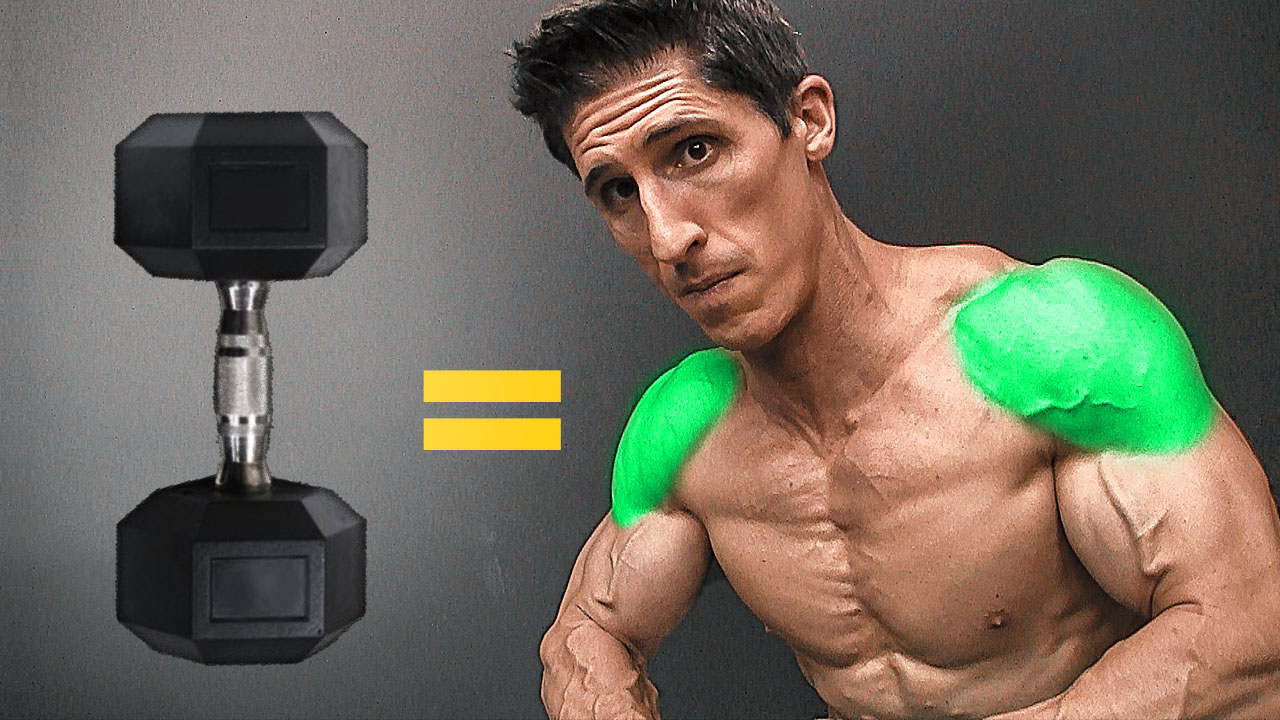
The deltoid is the main shoulder muscle. It has three parts: front (anterior), middle (lateral), and rear (posterior). Each part controls different arm movements.
The front deltoid lifts the arm forward. The middle deltoid lifts the arm sideways. The rear deltoid pulls the arm backward. Training all three parts creates round, strong shoulders.
Supporting Muscle Groups
Other muscles help the deltoids work well. The rotator cuff muscles stabilize the shoulder joint during movement. Strong rotator cuffs prevent injuries and improve control.
The trapezius and rhomboid muscles support shoulder movement. They help lift and rotate the shoulder blade. Working these muscles supports overall shoulder strength and posture.
Top Dumbbell Exercises For Shoulders
Strong shoulders improve posture and support many daily movements. Dumbbells offer a flexible way to build shoulder strength at home or in the gym. These exercises target all parts of the shoulder for balanced muscle growth. Using dumbbells helps improve muscle coordination and joint stability.
Try these top dumbbell exercises to strengthen your shoulders safely and effectively.
Dumbbell Shoulder Press
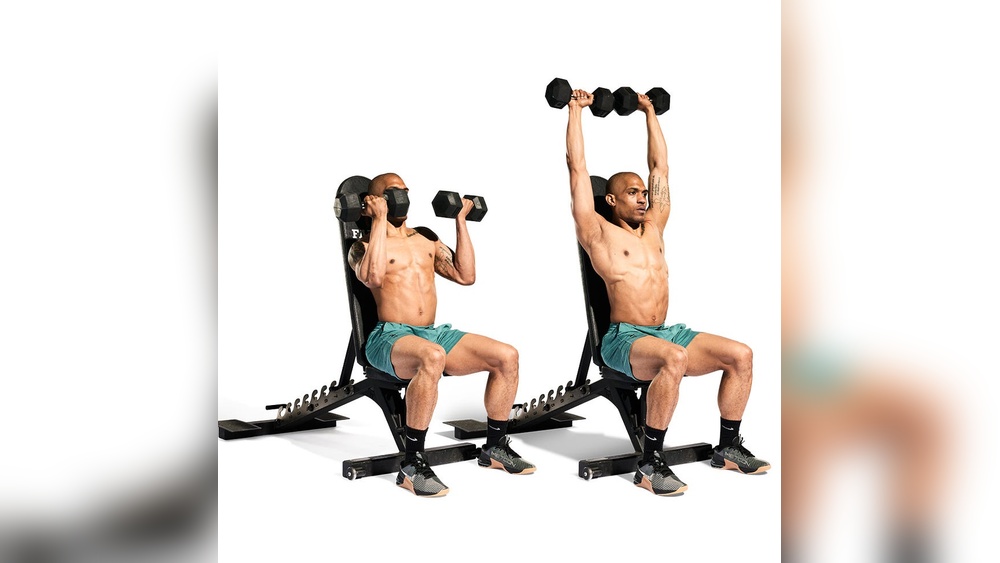
Hold a dumbbell in each hand at shoulder height. Press the weights upward until your arms are straight. Lower the dumbbells slowly back to the start. This exercise builds overall shoulder strength and size. Keep your core tight to protect your back.
Lateral Raises
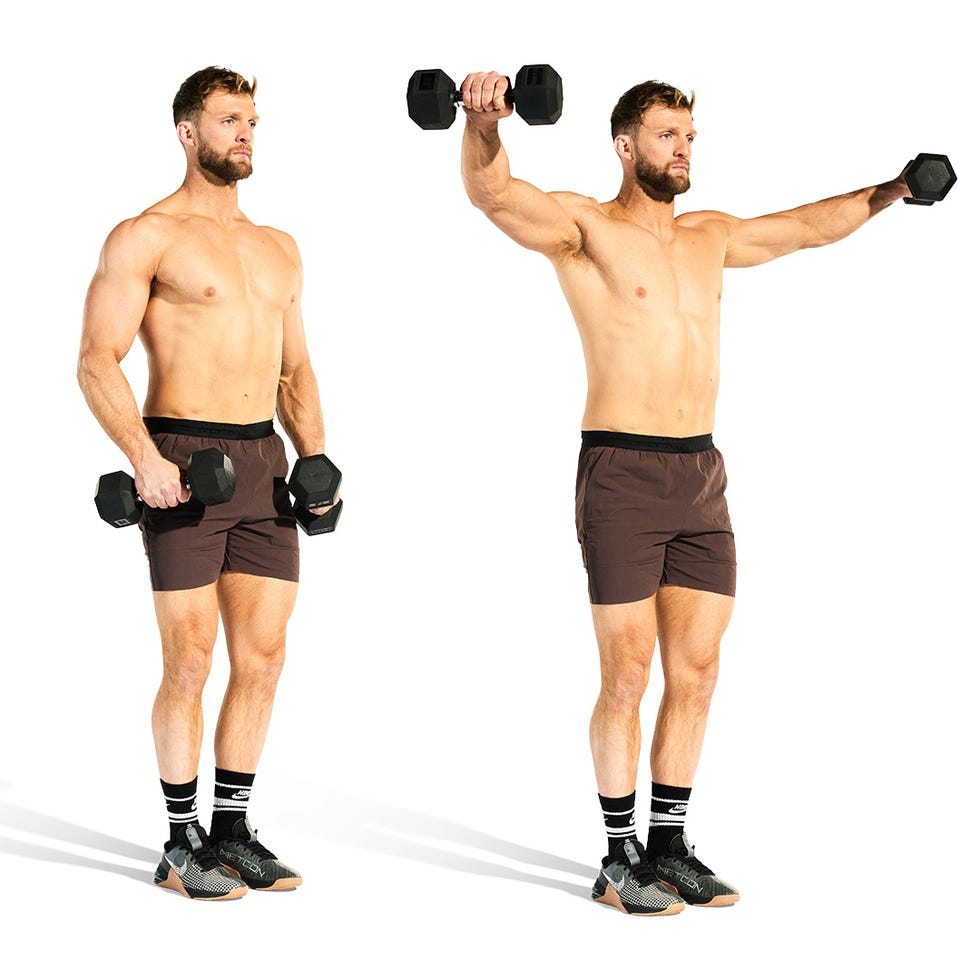
Stand with dumbbells at your sides. Lift the weights out to the sides until your arms are parallel to the floor. Lower the dumbbells with control. This move targets the side deltoids for wider shoulders. Avoid swinging the weights to keep tension on the muscles.
Front Raises
Hold dumbbells in front of your thighs. Raise one or both arms straight forward to shoulder height. Slowly return to the starting position. Front raises focus on the front deltoid muscles. Use light weights to avoid shoulder strain.
Rear Delt Flyes
Bend forward slightly with dumbbells in hand. Keep your back flat. Raise your arms out to the sides, squeezing your shoulder blades together. Lower the weights down slowly. This exercise targets the rear deltoids and improves posture. Control is key to prevent injury.
Arnold Press
Start with dumbbells in front of your shoulders, palms facing you. Rotate your palms outward while pressing the weights overhead. Reverse the motion back to the start. The Arnold press works all shoulder heads for balanced development. Move slowly to maintain form.
Designing Your Dumbbell Shoulder Routine
Designing a dumbbell shoulder routine needs careful planning. It helps to build strength and shape your shoulders evenly. A good routine targets all parts of the shoulder. This approach reduces injury risk and improves muscle balance. Focus on weight choice, sets, reps, and workout intensity. These elements shape your progress and results.
Choosing The Right Weight
Select dumbbells that challenge your muscles but allow good form. Start with lighter weights to learn each move. Increase weight as you gain strength and confidence. Avoid weights that cause pain or sloppy movements. The right weight makes workouts effective and safe.
Sets And Reps For Growth
Work in sets to organize your shoulder exercises. For muscle growth, aim for 3 to 4 sets per exercise. Reps should be between 8 and 12 for best results. Keep rest time short between sets to maintain intensity. This balance helps muscles grow stronger and bigger.
Balancing Volume And Intensity
Volume means total work done—more reps and sets increase volume. Intensity means the effort level during exercise. High intensity with lower volume can build strength. Higher volume with moderate intensity builds endurance. Change volume and intensity to avoid plateaus and keep progress steady.
Common Mistakes To Avoid
A great shoulder workout with dumbbells can bring strong, toned muscles. Mistakes can slow progress or cause injury. Watch out for common errors to stay safe and get the best results. These simple tips help you avoid problems and keep your workout effective.
Poor Form And Posture
Bad form can hurt your shoulders and neck. Keep your back straight and shoulders down. Avoid lifting weights too fast or using momentum. Control each movement to target muscles correctly. Focus on slow, steady reps for best results.
Neglecting Warm-up And Stretching
Skipping warm-up raises injury risk. Spend 5-10 minutes warming up muscles. Use light weights or do arm circles to prepare shoulders. Stretching improves flexibility and reduces soreness. Always include warm-up and stretching in your routine.
Overtraining Risks
Too much training can cause pain and fatigue. Give muscles time to recover between workouts. Avoid training shoulders every day. Aim for 2-3 sessions per week. Rest helps muscles grow and prevents injury.

Credit: www.youtube.com
Tips For Maximizing Muscle Growth
Maximizing muscle growth in your shoulder workouts requires smart strategies. Small changes can lead to better strength and size. Focus on how you lift, eat, and rest. These tips help you make the most of your dumbbell exercises.
Progressive Overload Techniques
Progressive overload means increasing the challenge on your muscles over time. Lift heavier dumbbells gradually. Add more sets or reps each week. Change the speed of your movements for more tension. This forces muscles to adapt and grow stronger.
Track your progress carefully. Avoid lifting the same weight for too long. Your muscles need new challenges to build size effectively.
Nutrition And Recovery
Muscle grows outside the gym. Eating enough protein supports muscle repair and growth. Include lean meats, beans, and dairy in your meals. Stay hydrated to keep muscles working well.
Rest is just as important. Give your shoulders time to recover between workouts. Aim for 7 to 9 hours of sleep each night. Overtraining can slow progress and increase injury risk.
Incorporating Variation
Doing the same shoulder exercises can cause a plateau. Change your dumbbell workouts regularly. Use different angles and grips. Try seated, standing, or incline positions.
Switch between slow and fast reps. Include both heavy and light weights. Variation keeps muscles guessing and growing.
Equipment Recommendations
Choosing the right equipment is key for effective shoulder workouts with dumbbells. The right tools help you train safely and get better results. This section covers the best dumbbells and useful accessories for your shoulder routine.
Choosing Adjustable Dumbbells
Adjustable dumbbells save space and money. You can change the weight quickly for different exercises. They work well for beginners and advanced users alike. Look for models with secure locking systems. This prevents plates from slipping during lifts. Choose dumbbells with comfortable grips to protect your hands. Smooth adjustments make workouts faster and less frustrating. Pick weights that cover your strength range for long-term use.
Essential Accessories
A good mat protects your floor and reduces noise. Wrist wraps offer extra support during heavy lifts. Weightlifting gloves improve grip and prevent blisters. A sturdy rack keeps your dumbbells organized and safe. Mirrors help check your form to avoid injuries. Small tools like collars keep plates in place. These accessories improve comfort and safety during your workouts.
Frequently Asked Questions
What Are The Best Dumbbells For Shoulder Workouts?
Adjustable dumbbells with good grip are ideal for shoulder workouts. Choose weights that allow proper form and gradual progression.
How Often Should I Do Shoulder Workouts With Dumbbells?
For muscle growth and strength, train shoulders 2-3 times per week. Allow at least 48 hours of rest between sessions.
Which Dumbbell Exercises Target All Shoulder Muscles Effectively?
Overhead press, lateral raises, front raises, and reverse flyes target all shoulder heads. Combining these moves ensures balanced shoulder development.
Can Dumbbell Shoulder Workouts Reduce Shoulder Injury Risk?
Yes, dumbbell exercises improve shoulder stability and strength. Proper form and controlled motion help prevent injuries and enhance joint health.
Conclusion
Strong shoulders need the right dumbbell exercises. Choose weights that match your strength. Focus on form to avoid injury. Regular workouts build muscle and improve posture. Small steps lead to big results. Stay consistent and patient with your training. Enjoy the process and track your progress.
Your shoulders will become stronger over time. Keep challenging yourself, but listen to your body. This routine can fit any fitness level. Start today for healthier, stronger shoulders tomorrow.


