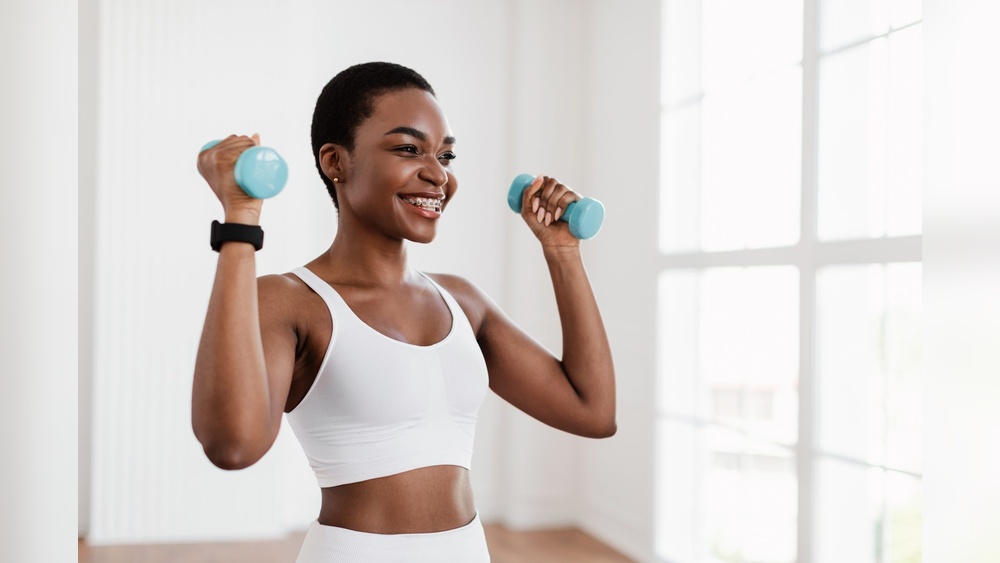
Choosing the right dumbbell weight can make all the difference in your workout. If you’re a beginner female, picking weights that are too heavy might leave you frustrated or even cause injury.
On the other hand, weights that are too light won’t give you the results you want. So, how do you find the perfect balance? You’ll discover exactly which dumbbell weight suits your strength and goals. Keep reading to make sure every lift counts and your progress stays strong from day one.
Credit: www.prowolf.in
Benefits Of Dumbbell Training For Beginners
Dumbbell training offers many benefits for women new to exercise. It helps build strength safely and effectively. Beginners can control the weight and focus on proper form. This training style fits well into any fitness routine. It also encourages steady progress without overwhelming the body.
Using dumbbells improves more than just muscle power. It supports better movement and helps burn calories. These benefits make dumbbell workouts a smart choice for starting fitness.
Enhancing Muscle Strength
Dumbbells allow beginners to build muscle gradually. Lifting light weights improves muscle tone and endurance. Stronger muscles help with daily tasks and reduce injury risk. Small, consistent workouts lead to noticeable strength gains. Women can increase weight as strength improves safely.
Improving Flexibility
Dumbbell exercises encourage a full range of motion. Moving joints through different angles helps flexibility. Increased flexibility reduces stiffness and improves posture. It also makes other exercises easier and safer. Regular training helps muscles stay loose and flexible.
Boosting Metabolism
Strength training with dumbbells increases metabolic rate. More muscle means the body burns more calories at rest. This helps with weight management and energy levels. Even short sessions can raise metabolism for hours. It supports fat loss and overall health improvement.
Factors To Consider When Choosing Dumbbell Weight
Choosing the right dumbbell weight matters a lot for beginners. The right weight helps build strength safely. It also keeps workouts effective and fun. Several key factors guide this choice. Understanding these factors makes starting easier.
Current Fitness Level
Start with your current strength and fitness. Beginners with little experience should pick light weights. Weights that feel too heavy can cause injury. Light dumbbells allow learning good form. As strength grows, increase the weight gradually. This helps prevent strain and builds confidence.
Exercise Type
Different exercises need different dumbbell weights. For arm lifts and shoulder raises, choose lighter weights. Squats and lunges may require heavier weights. Compound exercises use multiple muscles, so heavier dumbbells work well. Isolation exercises focus on one muscle, needing lighter weights. Match weight to the exercise for best results.
Personal Goals
Your goals shape the choice of dumbbell weight. For toning and endurance, use lighter weights with more repetitions. For muscle building, heavier weights with fewer reps are better. Strength goals call for the heaviest weights you can handle safely. Know your goals before choosing weight. This keeps workouts on track and effective.
Recommended Dumbbell Weights For Female Beginners
Choosing the right dumbbell weight is important for female beginners. It helps build strength safely and avoids injury. Start with weights that feel comfortable but still challenge your muscles. The right weight lets you do exercises with good form and control.
Different weights suit different exercises and fitness levels. Here are some common options to consider.
Light Weights (2-5 Lbs)
Light weights are perfect for total beginners. They help you learn proper movement without strain. Use them for exercises like arm raises or wrist curls. These weights improve muscle tone and endurance. They also work well for warm-ups and rehabilitation.
Moderate Weights (6-10 Lbs)
Moderate weights suit those who have some basic strength. They allow more muscle growth and strength building. Exercises like bicep curls or shoulder presses benefit from this range. Choose a weight that lets you finish 10-15 reps with effort. Avoid weights that cause pain or poor form.
Adjustable Dumbbells
Adjustable dumbbells offer different weight settings in one set. They save space and money. Beginners can increase weight gradually as they get stronger. These dumbbells suit many exercises and fitness levels. They give flexibility and long-term use.

Credit: scala-santa.com
Tips For Progressing Safely With Dumbbells
Progressing safely with dumbbells is key for beginners, especially women starting their fitness journey. Following some simple tips helps build strength without injury. It also makes workouts more effective and enjoyable. Safety ensures steady progress and keeps motivation high.
Proper Form And Technique
Always focus on correct form before adding weight. Proper technique prevents injuries and targets muscles well. Watch yourself in the mirror or ask for help from a trainer. Move slowly and control each lift. Stop if your form breaks.
Gradual Weight Increase
Start with light dumbbells to learn movements well. Increase weight bit by bit, not all at once. Small jumps in weight help muscles grow safely. Track your progress and raise weight only when you feel strong. Avoid pushing too hard too fast.
Listening To Your Body
Pay attention to how your body feels during exercises. Mild muscle soreness is normal, but sharp pain is not. Rest if you feel pain or extreme tiredness. Give muscles time to recover between workouts. Rest days help build strength too.
Common Mistakes To Avoid
Choosing the right dumbbell weight is important for beginners. Avoid common mistakes that can slow progress or cause injury. These errors can make workouts less effective and frustrating. Stay safe and see better results by knowing what to avoid.
Using Too Heavy Weights
Many beginners pick weights that are too heavy. This causes poor form and increases injury risk. Start with light weights that you can lift with control. Focus on learning the correct movements first. Gradually increase weight as strength improves.
Neglecting Warm-up
Skipping warm-up is a common mistake. Cold muscles are more likely to get hurt. Spend 5 to 10 minutes warming up with light activity. This prepares your muscles and joints for exercise. It also helps improve performance during your workout.
Ignoring Rest Periods
Rest is crucial for muscle recovery and growth. Avoid working the same muscles every day without breaks. Take 30 to 60 seconds rest between sets. Give your body time to recover between workouts. This reduces fatigue and helps prevent injuries.
Incorporating Dumbbells Into A Beginner Workout
Using dumbbells is a simple way to start strength training for women new to exercise. They help build muscle, improve balance, and increase overall fitness. Choosing the right weight matters to avoid injury and get good results. Starting with lighter weights allows the body to adapt and learn proper form. As strength grows, weights can increase gradually.
Incorporating dumbbells into your routine gives variety and challenges different muscles. This section explains easy ways to use dumbbells in workouts. It includes sample routines, how often to train, and mixing dumbbells with other exercises.
Full-body Routine Examples
A full-body workout hits all major muscles. Start with simple moves like squats, lunges, and shoulder presses using dumbbells. Try 2 sets of 10 to 12 reps for each exercise. Include exercises for arms, legs, and core. This approach saves time and builds balanced strength. Rest 30 to 60 seconds between sets.
Frequency And Duration
Begin with two or three sessions per week. Each session can last 20 to 30 minutes. Allow one day of rest between workouts. Rest helps muscles recover and grow. Consistency is key. Gradually increase session length and frequency as strength improves.
Combining With Other Exercises
Pair dumbbell work with cardio or bodyweight exercises. For example, alternate dumbbell moves with jumping jacks or planks. This combination boosts fitness and burns calories. Mixing exercises keeps workouts interesting. It also targets muscles in different ways for better results.

Credit: fitasamamabear.com
Frequently Asked Questions
What Dumbbell Weight Is Ideal For Female Beginners?
For female beginners, 5 to 10 pounds dumbbells are ideal. This weight helps build strength without causing injury. It allows controlled, effective workouts while learning proper form and technique. Start light and gradually increase weight as strength improves.
How To Choose The Right Dumbbell Weight For Beginners?
Choose a weight that challenges muscles but allows 12-15 reps with good form. Avoid weights that cause strain or poor technique. Beginners should start lighter to focus on movement control and avoid injury. Increase weight progressively as strength and confidence grow.
Can Beginners Use Heavier Dumbbells Safely?
Beginners should avoid heavy dumbbells initially to prevent injury. Start with lighter weights to master form and technique. Gradually increase weight based on strength gains and comfort. Proper warm-up and controlled movements enhance safety during workouts.
Why Is Form Important When Selecting Dumbbell Weight?
Good form prevents injuries and maximizes workout benefits. Using too heavy dumbbells can lead to poor posture and muscle strain. Beginners must prioritize form over weight to build a strong foundation. Correct form ensures targeted muscle engagement and better progress.
Conclusion
Choosing the right dumbbell weight helps beginners build strength safely. Start with light weights to learn proper form and avoid injury. As strength grows, increase weight gradually for better results. Consistency matters more than heavy lifting at first. Listen to your body and rest when needed.
Enjoy the process and celebrate small progress. This approach creates a strong foundation for future workouts. Remember, the best dumbbell weight is one that feels comfortable yet challenging. Keep moving forward, step by step.


