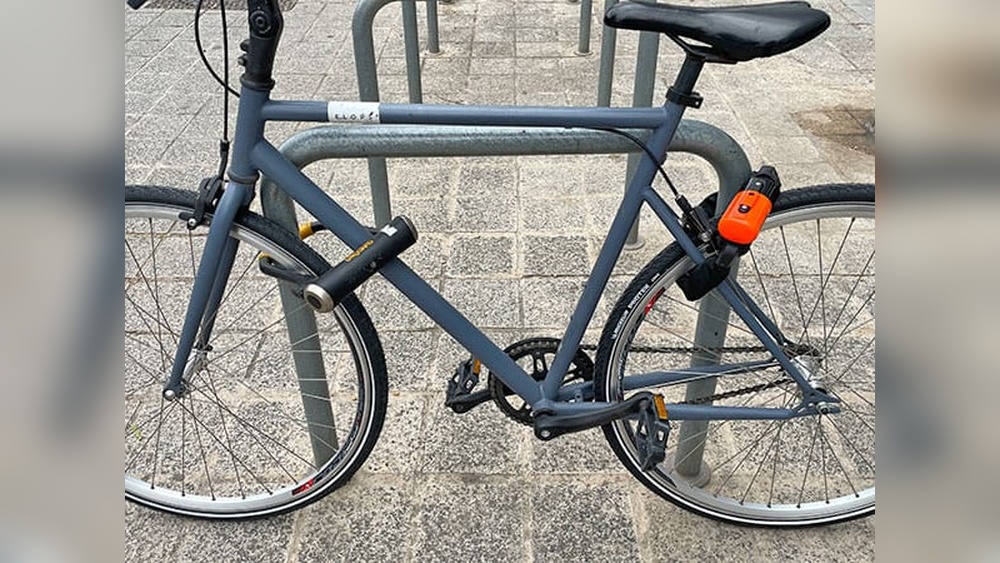
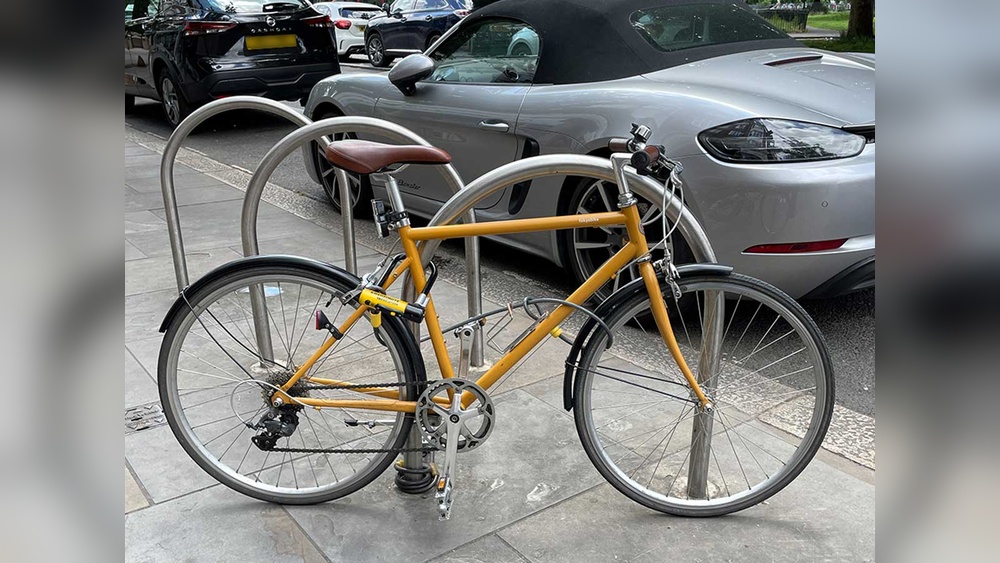
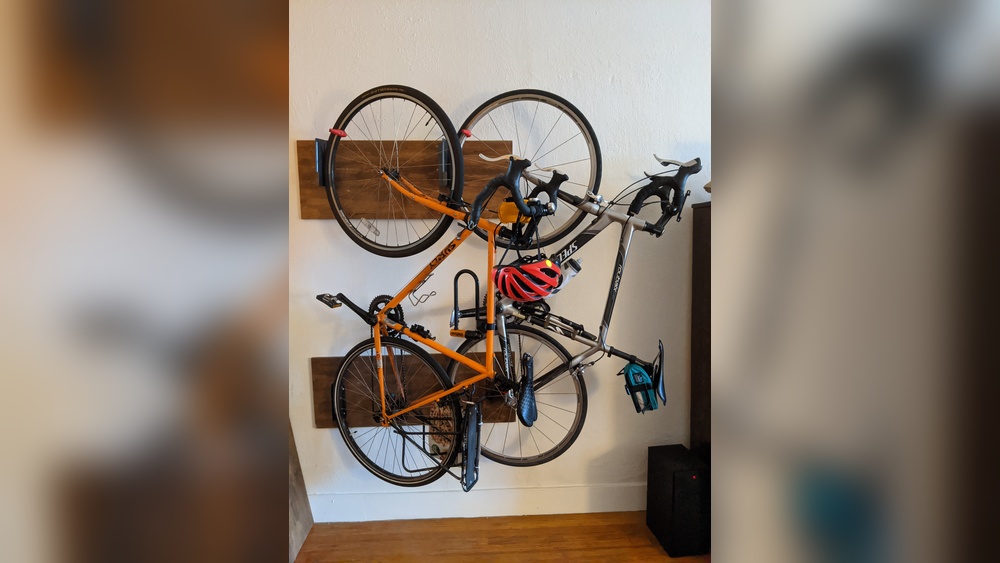
You want to keep your bike safe, but choosing the right way to lock it can be confusing. Using a cable lock might seem simple, but if you don’t do it right, your bike could still be at risk.
Imagine walking away confident that your bike is secure, no matter where you leave it. You’ll discover the best way to lock your bike with a cable—step by step. By the end, you’ll know exactly how to protect your ride and avoid common mistakes that thieves look for.
Keep reading to make sure your bike stays exactly where you left it.
Credit: transportation.wwu.edu
Choosing The Right Cable Lock
Choosing the right cable lock is key to keeping your bike safe. A good cable lock stops thieves and protects your bike in public places. Many types and features affect how well a cable lock works. Understanding these helps you pick the best one for your needs.
Types Of Cable Locks
Cable locks come in many styles. Some have keys, others use combination codes. Key locks often feel more secure but can be lost. Combination locks let you avoid keys but may be easier to break. Some cables have extra layers to stop cutting tools.
Material And Thickness Considerations
Strong materials make cable locks harder to cut. Steel cables are popular because they resist cutting and twisting. Thicker cables add more protection but can be heavier. Thin cables are light but easier to break. Look for cables with a tough outer layer to stop scratches and damage.
Length And Flexibility Factors
Length matters for locking your bike to different objects. Longer cables give more options but can be bulky. Short cables are easier to carry but may not fit all bike racks. Flexibility helps wrap the cable around poles or wheels. A balance between length and flexibility makes a cable lock practical.
Effective Locking Techniques
Effective locking techniques keep your bike safe and hard to steal. Using a cable lock properly makes a big difference. Follow these steps to protect your bike better.
Securing The Frame And Wheels
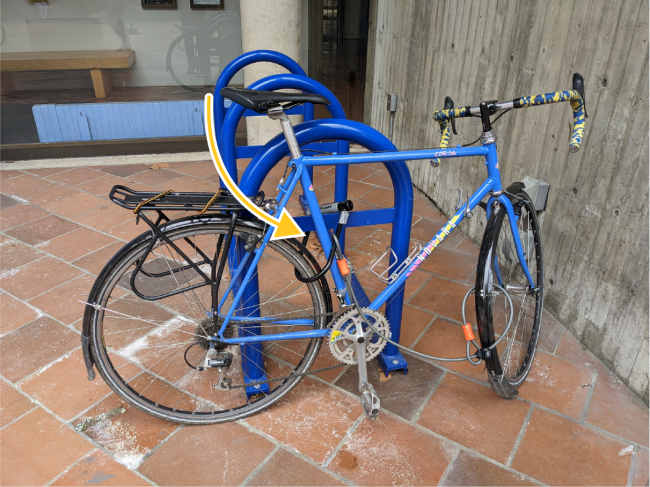
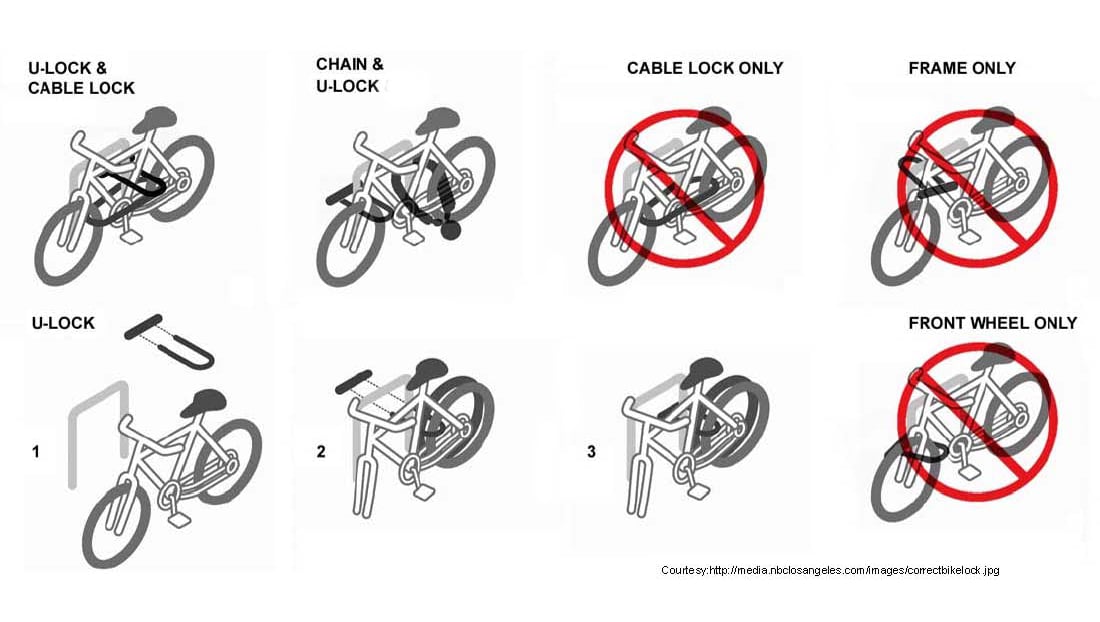
Always lock the bike frame first. The frame is the strongest part of the bike. Pass the cable through the frame and both wheels. This stops thieves from taking the wheels or frame alone. If the cable is short, lock the frame and at least one wheel.
Locking To Fixed Objects
Choose a solid, fixed object to lock your bike. Use things like metal posts or bike racks. Avoid objects that can be cut or moved easily. The object should be tall enough to keep the bike off the ground. This makes it harder to lift or carry away.
Avoiding Common Mistakes
Don’t lock your bike too low or too high. Avoid locking only the front wheel. Don’t lock to weak or small objects. Avoid leaving slack in the cable. Tighten the cable to reduce movement. These mistakes make theft easier.
Enhancing Security With Additional Tools
Locking a bike with a cable is a good start. Adding extra tools can make it safer. These tools help stop thieves and protect your bike better. They give you peace of mind when you leave your bike outside.
Here are three ways to improve your bike’s security with extra tools.
Using Secondary Locks
Use a second lock to secure parts like the wheels or seat. This makes stealing your bike harder. Thieves avoid bikes with more locks. Choose a different type of lock, like a U-lock or chain lock. This adds variety and strength to your security.
Adding Gps Trackers
GPS trackers help find your bike if it gets stolen. Hide a small tracker under the seat or frame. You can check your bike’s location on your phone. This tool helps police recover your bike faster. It also discourages thieves from stealing it.
Installing Security Cameras
Security cameras watch your bike while you are away. Place cameras near where you park your bike. Cameras capture clear images of anyone trying to steal it. The chance of being caught stops many thieves. You can use footage to show police if needed.

Credit: transportation.wisc.edu
Choosing The Best Location To Lock
Choosing the best location to lock your bike is very important. It helps keep your bike safe and reduces the risk of theft. Picking the right spot can make a big difference in protecting your bike. Focus on places that are easy to see and close to busy areas.
Think about where people walk by and where there is good light. Avoid spots that are hidden or empty. Locking your bike in the right place works well with a strong cable lock.
Selecting Well-lit Areas
Choose places with plenty of light. Bright areas make it harder for thieves to steal your bike. Lights help people notice if someone tries to tamper with your bike. Street lamps, shop windows, and entrances often have good lighting.
Avoiding Isolated Spots
Do not lock your bike in quiet or hidden places. Isolated spots give thieves a chance to work without being seen. Busy sidewalks or places near shops are safer. More people around means more eyes to watch your bike.
Using Bike Racks And Sturdy Fixtures
Always use bike racks if they are available. These racks are made to hold bikes securely. If no racks exist, find strong poles or fences. Make sure the object cannot be moved or cut easily. Lock your bike to something solid and steady.
Maintenance Tips For Cable Locks
Keeping your bike cable lock in good shape is key to protecting your bike. Regular care helps the lock work smoothly and last longer. Follow simple steps to maintain your cable lock effectively.
Regular Inspection And Cleaning
Check your cable lock often for rust, dirt, or damage. Clean it with a soft cloth and mild soap. Avoid harsh chemicals that can wear out the lock. Dry the lock completely before using it again. This keeps the lock working well and prevents rust.
Protecting Against Weather Damage
Keep your cable lock away from rain and snow when possible. Use a cover or store it indoors if the weather is bad. Water and moisture can cause rust and weaken the lock. A dry lock lasts longer and stays strong.
Replacing Worn Or Damaged Locks
Replace your cable lock if you see deep rust or broken parts. A weak lock is easy to break and won’t protect your bike. Buy a new lock as soon as you notice serious damage. It is better to be safe than sorry.
Responding To Theft Attempts
Responding quickly to theft attempts can save your bike and peace of mind. Knowing how to act after you spot trouble helps protect your property. Stay calm and focused. Your actions can prevent further damage or loss.
Recognizing Tampering Signs
Look closely at your bike and cable lock. Scratches, cuts, or bent parts show tampering. Loose or moved locks are warning signs. Strange marks on the frame or wheels also matter. Check your bike often to catch these early.
Reporting And Documenting Incidents
Write down what you see and when. Take clear photos of damage or marks. Report the incident to local police quickly. Provide all details, including location and time. Share information with your community or bike group. Records help in case of insurance claims or recovery.
Preventive Measures For The Future
Choose busy, well-lit spots to park your bike. Use strong, thick cable locks and secure both frame and wheels. Consider adding a secondary lock for extra safety. Regularly inspect your lock and bike for weak points. Stay alert and trust your instincts. Prevention reduces theft risks significantly.
Credit: bikepgh.org
Frequently Asked Questions
What Is The Best Cable Lock For Bike Security?
The best cable lock is thick, flexible, and cut-resistant. Look for steel cables with a protective vinyl coating. Choose locks with strong locking mechanisms for added safety. Brands like Kryptonite and Abus offer reliable options. Always pick a lock that suits your bike’s usage and environment.
How Do I Properly Lock My Bike With A Cable?
Secure your bike frame and wheels to a fixed object. Pass the cable through the frame and at least one wheel. Avoid locking only the front wheel. Ensure the lock is tight and not touching the ground. This reduces leverage points for thieves.
Can Cable Locks Prevent Bike Theft Effectively?
Cable locks provide moderate security but are easier to cut than U-locks. They work best in low-risk areas or as secondary locks. For high-theft zones, combine cable locks with sturdier locks. Always lock your bike in visible, well-lit locations.
How Long Should A Bike Cable Lock Be?
A cable lock between 4 to 6 feet is ideal. It offers enough length to secure the frame and wheels. Longer cables may be less secure and easier to tamper with. Choose a length that fits your locking needs without excessive slack.
Conclusion
Choosing the right cable lock keeps your bike safe every day. Secure the frame and wheels to a solid object. Use a thick, strong cable for better protection. Always double-check the lock before leaving your bike. Small steps make a big difference in theft prevention.
Keep your bike where you can see it often. Good habits protect your ride and give you peace. Remember, a simple lock works best when used well. Stay safe and enjoy your cycling adventures worry-free.