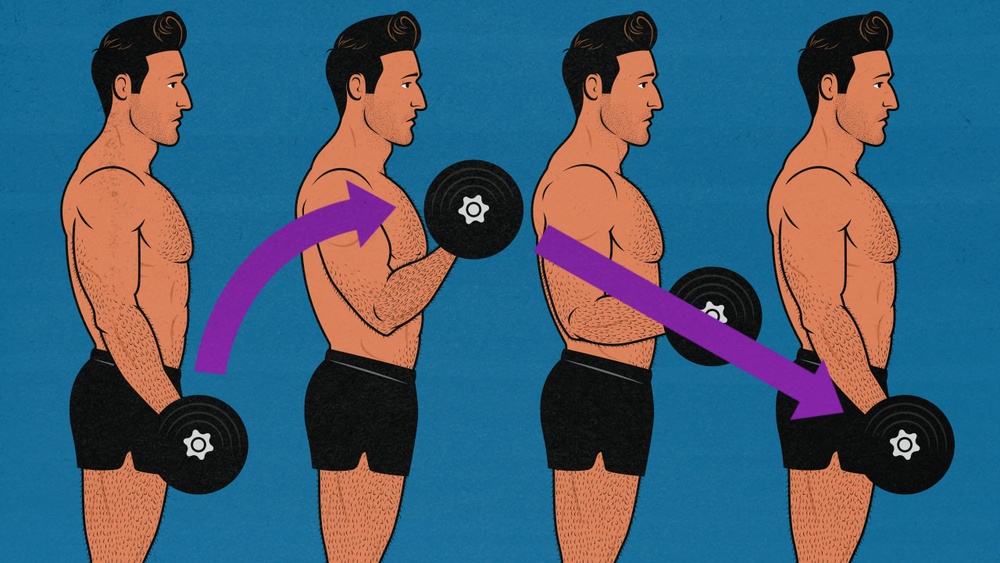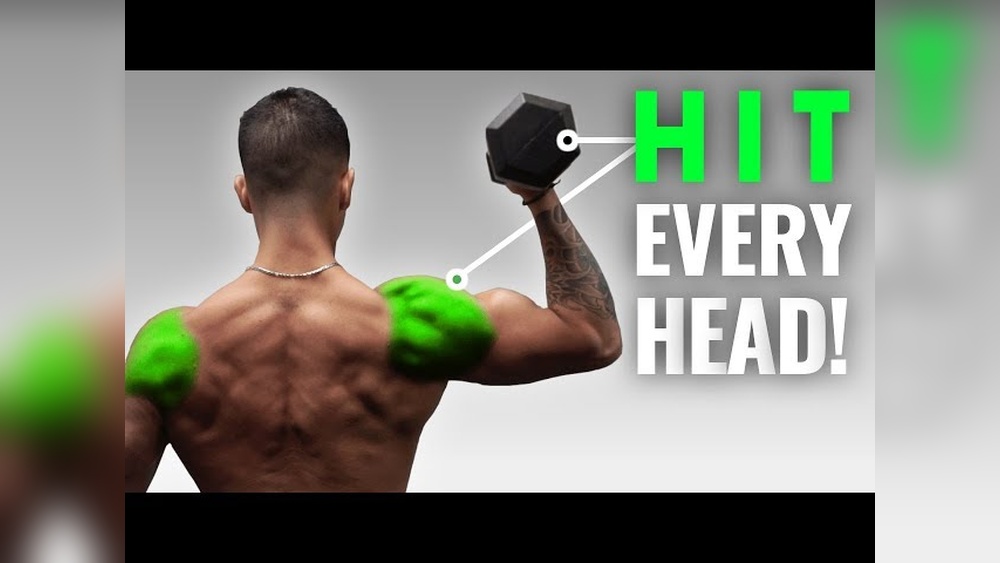
Are you ready to build a stronger, more defined back? Whether you want to improve your posture, boost your strength, or enhance your overall fitness, the right exercises make all the difference.
Using dumbbells and barbells can take your back workouts to the next level, targeting muscles you didn’t even know you had. You’ll discover the best back exercises that are simple to follow and highly effective. Get ready to transform your back and feel the power in every move you make.
Keep reading—you won’t want to miss these game-changing tips!
Benefits Of Dumbbell And Barbell Training
Dumbbell and barbell training offer many advantages for back workouts. These tools help target muscles effectively and improve overall strength. Using free weights challenges your body in ways machines cannot. They allow natural movement and better muscle engagement. This type of training also supports balanced muscle growth and helps prevent injuries.
Both beginners and experienced lifters can gain from dumbbell and barbell exercises. These tools provide variety and adaptability to suit different fitness levels. Training with dumbbells and barbells builds a strong, stable, and well-shaped back.
Muscle Activation And Growth
Dumbbells and barbells activate multiple muscle groups at once. They engage smaller stabilizer muscles along with larger ones. This leads to better muscle growth and improved muscle coordination. Free weights require more control, which increases muscle activation. Stronger muscles develop faster through consistent dumbbell and barbell training.
Improved Strength And Stability
Using dumbbells and barbells enhances both strength and stability. These weights force your body to balance during each exercise. This builds core strength and stabilizer muscles. Improved stability helps in everyday movements and other workouts. Stronger back muscles reduce the risk of injury and support good posture.
Versatility And Range Of Motion
Dumbbells and barbells allow a wide variety of exercises. You can adjust the angle and position to target different muscles. They offer a greater range of motion than machines. This flexibility helps improve joint mobility and muscle flexibility. Versatile training keeps workouts fresh and effective.

Credit: radaragon.com
Key Back Muscles To Target
Strong back muscles support good posture and reduce injury risk. Targeting the right muscles helps build a balanced, powerful back. Dumbbells and barbells can work all major back muscles effectively. Understanding these key muscles guides your workout choices and improves results.
Latissimus Dorsi
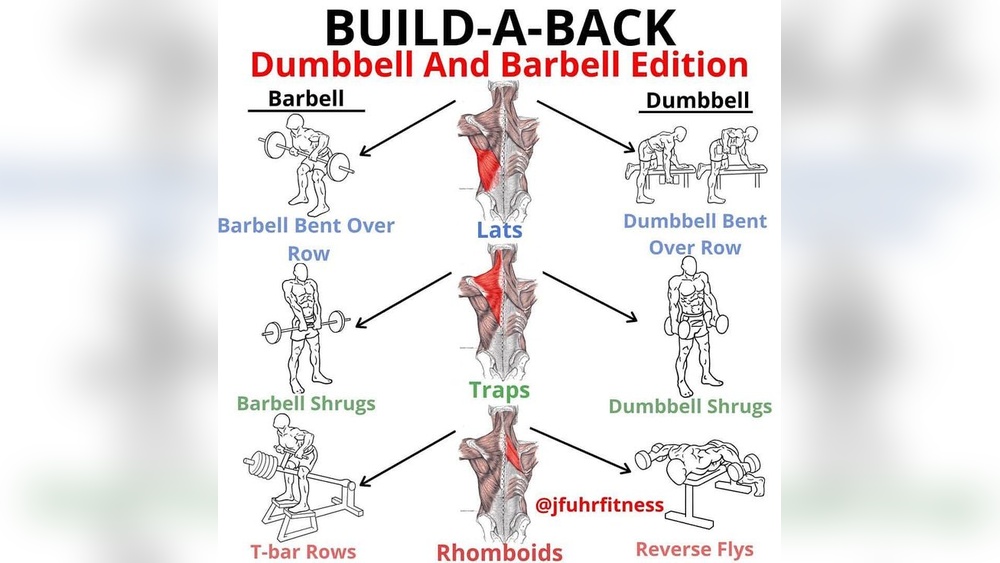
The latissimus dorsi, or lats, are the largest back muscles. They stretch from the mid-back to under the arms. These muscles help pull your arms down and back. Exercises like rows and pullovers with dumbbells or barbells focus on the lats. Building lats gives a wider, V-shaped back.
Rhomboids And Trapezius
Rhomboids sit between the shoulder blades and spine. They pull the shoulder blades together. The trapezius covers the upper back and neck. It helps lift and rotate the shoulders. Dumbbell rows and shrugs target these muscles. Strengthening rhomboids and traps improves posture and shoulder stability.
Erector Spinae
The erector spinae runs along the spine’s length. It keeps the spine upright and stable. Deadlifts and good mornings with barbells work this muscle group well. Strong erector spinae reduce back pain and support heavy lifts. These muscles are key for a strong, healthy back.
Top Dumbbell Exercises For Back
Dumbbells are great tools for building a strong back. They allow for a wide range of movements. These movements target different muscles in your back. Using dumbbells helps improve muscle balance and strength. Below are some top dumbbell exercises for your back.
One-arm Dumbbell Row
The one-arm dumbbell row targets your upper and middle back. Place one knee and hand on a bench for support. Hold a dumbbell in the other hand. Pull the dumbbell up toward your waist. Keep your back straight and core tight. Lower the dumbbell slowly to start. This exercise improves back thickness and strength.
Dumbbell Renegade Row
This exercise works your back, core, and arms. Start in a push-up position with a dumbbell in each hand. Row one dumbbell up while balancing on the other arm. Keep your body straight and stable. Lower the dumbbell slowly to the floor. Repeat with the other arm. The renegade row builds back muscles and stability.
Dumbbell Reverse Fly
The dumbbell reverse fly targets the rear shoulders and upper back. Hold a dumbbell in each hand. Bend forward at the hips with a flat back. Raise both dumbbells out to the sides. Keep a slight bend in your elbows. Squeeze your shoulder blades together at the top. This exercise improves posture and upper back strength.
Top Barbell Exercises For Back
Barbell exercises build strong and wide back muscles effectively. They target several muscle groups at once. This makes workouts efficient and powerful. Using a barbell allows lifting heavier weights than dumbbells. This helps increase muscle strength and size faster. Below are the top barbell exercises for back strength and growth.
Barbell Bent-over Row
The barbell bent-over row works the middle back muscles deeply. Hold the barbell with an overhand grip. Bend your knees slightly and lean forward at the hips. Pull the barbell toward your lower chest. Keep your back flat and core tight. This exercise improves posture and builds thickness in the back.
Barbell Deadlift
Barbell deadlifts engage the entire back and legs. Stand with feet hip-width apart and grip the barbell. Lift the bar by straightening your hips and knees. Keep your back straight and chest up. Deadlifts increase overall body strength and protect the spine. They are excellent for developing the lower back.
Barbell T-bar Row
The T-bar row targets the upper and middle back muscles. Place one end of the barbell in a corner. Load weights on the other end. Straddle the bar and grab the handle with both hands. Pull the barbell towards your chest while keeping your back straight. This exercise builds a wider and thicker back.
Proper Form And Technique
Proper form and technique are key to effective back workouts. Using dumbbells and barbells correctly helps build strength safely. It also reduces the risk of injury. Focus on how you move and hold your body during each exercise. This attention improves results and keeps your back healthy.
Maintaining Neutral Spine
Keep your spine in a neutral position during exercises. Avoid rounding or arching your back. A straight, natural curve protects your spine. Engage your core muscles to support your lower back. This practice helps prevent strain and pain.
Controlled Movement
Move the weights slowly and with control. Avoid using momentum to lift or lower. Controlled movement targets back muscles better. It also stops jerky motions that cause injuries. Focus on smooth, steady lifts and descents.
Breathing Tips
Breathe out as you lift the weights. Breathe in as you lower them. Proper breathing supports your muscles and stabilizes your body. It also helps maintain rhythm during exercises. Remember, steady breathing enhances performance and safety.

Credit: www.youtube.com
Common Mistakes To Avoid
Doing back exercises with dumbbells and barbells builds strength and improves posture. Avoiding common mistakes helps get better results and prevents injuries. Many people make errors without knowing. Fixing these can make workouts safer and more effective.
Overusing Momentum
Using momentum to lift weights reduces the work your muscles do. Swinging the weights cheats the exercise and can cause injury. Lift and lower the weights slowly and with control. Focus on muscle tension, not speed. This helps build real strength and keeps your back safe.
Incorrect Grip And Posture
Wrong grip or posture strains your muscles and joints. Keep your wrists straight and grip the bar or dumbbell firmly. Maintain a straight back, not rounded or overly arched. Proper posture protects your spine and improves exercise form. This leads to better muscle growth and fewer injuries.
Neglecting Warm-up
Skipping warm-up makes muscles stiff and prone to injury. Warm-up increases blood flow and prepares muscles for work. Spend 5-10 minutes on light cardio or dynamic stretches. Warm muscles perform better and recover faster. Always warm up before lifting dumbbells or barbells.
Programming Your Workouts
Programming your workouts is key to building a stronger back with dumbbells and barbells. A well-planned routine helps you get the best results. It ensures you work hard enough without overdoing it. Understanding how to set your exercises, reps, and rest improves your gains and reduces injury risk. Let’s explore the main parts of workout programming.
Sets, Reps, And Rest Periods
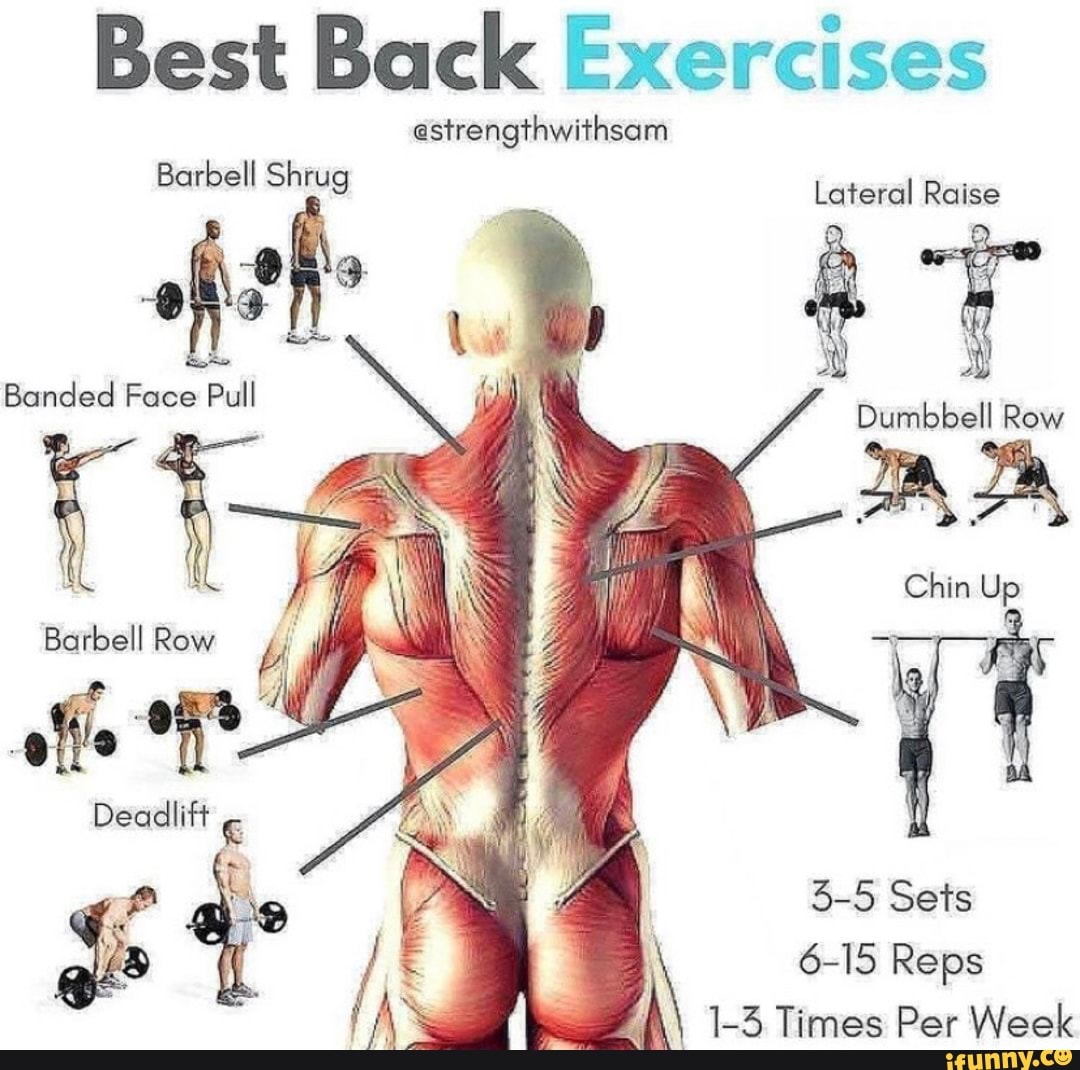
Sets and reps decide how much work your back muscles do. For strength, aim for 3 to 5 sets of 4 to 6 reps. For muscle growth, try 3 to 4 sets of 8 to 12 reps. Rest time between sets affects your recovery. Take 1 to 2 minutes of rest for muscle growth. For strength, rest 2 to 3 minutes. Keeping rest consistent helps your muscles perform well.
Balancing Volume And Intensity
Volume means total work done, like sets times reps. Intensity means how heavy the weights are. High volume with moderate intensity helps build muscle size. Low volume with high intensity improves strength. Find a balance that fits your goals. Too much volume can cause fatigue. Too high intensity may lead to injury. Adjust volume and intensity as you progress.
Progressive Overload Strategies
Progressive overload means making exercises harder over time. Increase weight gradually to challenge your back muscles. Add more reps or sets as you get stronger. Change exercise tempo to increase difficulty. Track your workouts to know when to increase load. This steady progress leads to better strength and growth. Avoid big jumps in weight to prevent injury.
Credit: www.westtnmedicalnews.com
Recovery And Injury Prevention
Recovery and injury prevention are key to long-term success in back training. Proper care helps muscles heal and grow stronger. Avoiding injuries keeps your workouts consistent and effective. Focus on recovery techniques to support your progress with dumbbells and barbells.
Stretching And Mobility
Stretching improves flexibility and reduces muscle tightness. Spend time on gentle stretches for your back and shoulders. Mobility exercises help joints move smoothly. They prepare your body for lifting and reduce injury risk. Simple routines before and after workouts aid recovery.
Rest Days And Nutrition
Rest days allow muscles to repair and grow. Avoid training the same muscles every day. Eat a balanced diet rich in protein and healthy fats. Proper nutrition fuels recovery and builds muscle tissue. Hydrate well to support overall muscle function and healing.
Recognizing Overtraining Signs
Watch for constant fatigue and persistent soreness. Poor sleep and loss of strength also signal overtraining. Take breaks if you notice these signs. Overtraining can cause injuries and slow progress. Listen to your body to avoid setbacks and stay safe.
Frequently Asked Questions
What Are The Best Dumbbell Exercises For Back Strength?
Dumbbell rows, renegade rows, and reverse flyes are top choices. They target multiple back muscles effectively. These exercises improve strength and muscle balance. Incorporate them into your routine for optimal back development.
How Do Barbell Exercises Benefit Back Muscles?
Barbell deadlifts and bent-over rows build mass and strength. They engage the entire posterior chain. Using barbells allows heavier loads for progressive overload. This leads to increased muscle growth and improved posture.
Can Dumbbells And Barbells Be Combined In Back Workouts?
Yes, combining both adds variety and targets muscles differently. Dumbbells improve stability and range of motion. Barbells allow heavier weights and compound movement benefits. Use both for balanced, effective back training sessions.
How Often Should I Train My Back With Weights?
Train back muscles 2-3 times per week for best results. Allow 48 hours rest between sessions for recovery. Consistent training with proper form prevents injury. Balance workouts with other muscle groups for overall fitness.
Conclusion
Strong back muscles support your whole body well. Dumbbells and barbells help build strength safely. Start with light weights to avoid injuries. Focus on form and controlled movements for best results. Regular workouts bring steady progress and better posture. Choose exercises that fit your fitness level and goals.
Keep consistency to see lasting changes. Your back will thank you for the care. Simple steps lead to a stronger, healthier you.