Are you ready to build stronger, bigger biceps with just a pair of dumbbells? Whether you’re working out at home or hitting the gym, the right exercises can make all the difference.
You’ll discover the best bicep dumbbell workouts designed to boost your arm strength and shape your muscles fast. Keep reading to unlock simple, effective moves that fit your routine and help you see real results. Your stronger arms start here.
Benefits Of Dumbbell Bicep Workouts
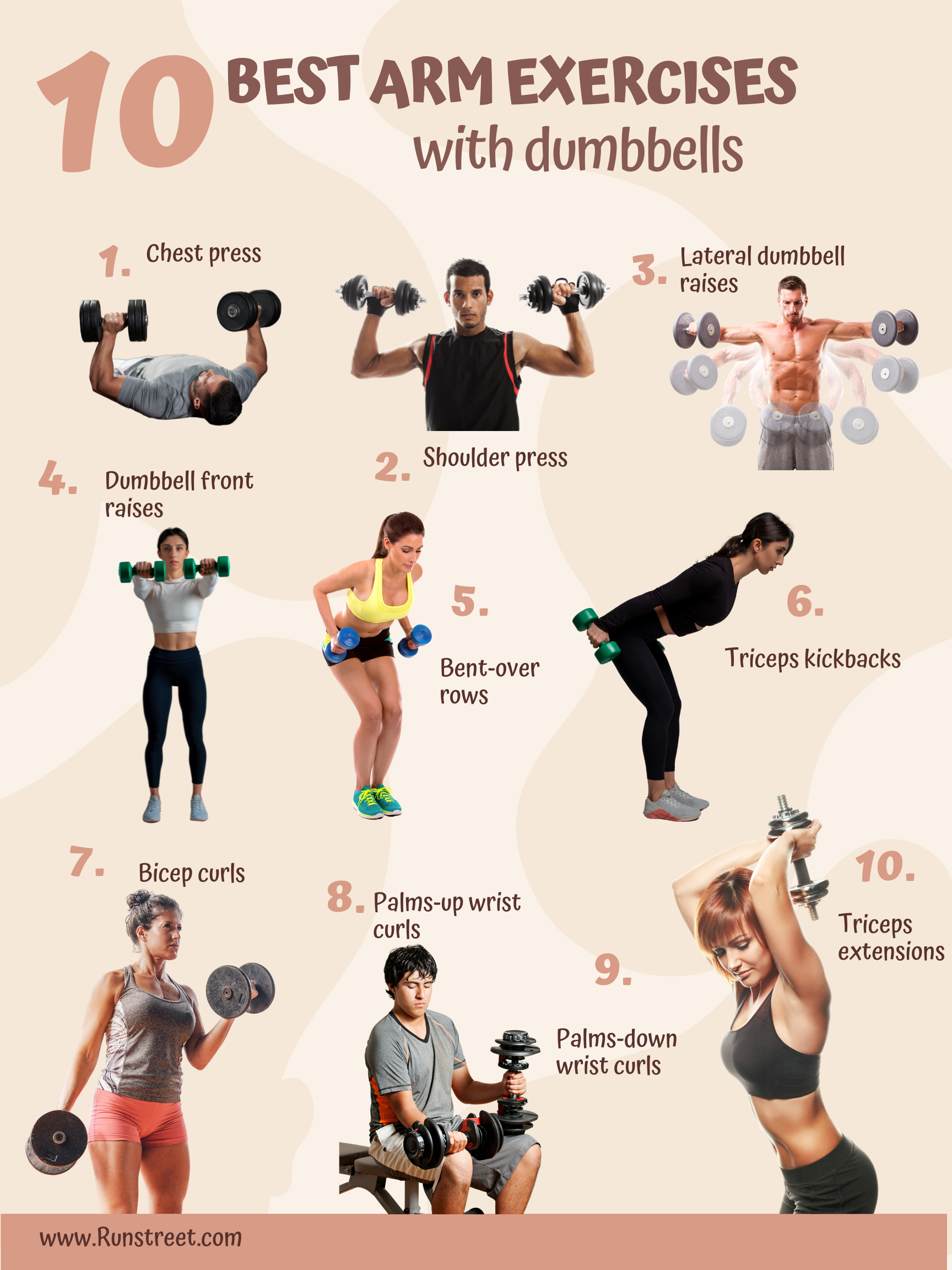
Dumbbell bicep workouts offer many benefits for building strong arms. They help improve muscle strength and shape. Using dumbbells allows for a full range of motion. This leads to better muscle activation and growth.
These workouts also help fix muscle imbalances. Each arm works independently, so both get equal attention. This reduces the chance of one arm becoming stronger than the other.
Improves Muscle Symmetry And Balance
Dumbbell exercises force each arm to work alone. This helps develop equal strength in both biceps. Balanced muscles prevent injuries and improve overall arm appearance.
Increases Range Of Motion
Dumbbells allow more freedom of movement than machines. This wider motion helps target the biceps more effectively. It also improves joint flexibility over time.
Enhances Grip Strength
Holding dumbbells challenges your grip more than barbells. Stronger grip supports other lifts and daily activities. It also helps improve overall arm strength.
Allows For Versatile Exercises
Dumbbells offer many exercise options for biceps. You can do curls, hammer curls, and concentration curls easily. This variety keeps workouts interesting and effective.
Supports Functional Strength
Using dumbbells mimics real-life arm movements. This builds practical strength for everyday tasks. It improves coordination and muscle control at the same time.
Credit: www.nextgen-itsolution.com
Key Muscles Targeted
Understanding the key muscles targeted by bicep dumbbell workouts helps improve your training. Each exercise works specific parts of your arms and shoulders. This focus builds strength and shapes your muscles.
Targeting the right muscles ensures better results and less risk of injury. Let’s explore the main muscles activated during these workouts.
Biceps Brachii
The biceps brachii is the primary muscle worked in these exercises. It has two heads: the long head and the short head. Both help bend your elbow and rotate your forearm. Strong biceps improve arm size and strength.
Brachialis
The brachialis lies beneath the biceps brachii. It lifts the forearm during elbow flexion. Training this muscle adds thickness to your upper arm. It also supports overall arm strength.
Brachioradialis
This muscle runs along your forearm. It assists in bending the elbow, especially during hammer curls. Strengthening the brachioradialis improves grip and forearm size. It helps with lifting and carrying tasks.
Forearm Muscles
Forearm muscles stabilize your wrist during dumbbell workouts. They support gripping the weights firmly. Strong forearms reduce wrist strain and help control movements. This support enhances workout safety and efficiency.
Essential Equipment Needed
To get the best results from bicep dumbbell workouts, having the right equipment is key. Simple tools can make your exercises more effective and safer. You do not need a lot of gear to start building strong, toned arms.
This section covers the essential equipment needed for bicep dumbbell workouts. Knowing what to use helps you train better at home or in the gym.
Dumbbells
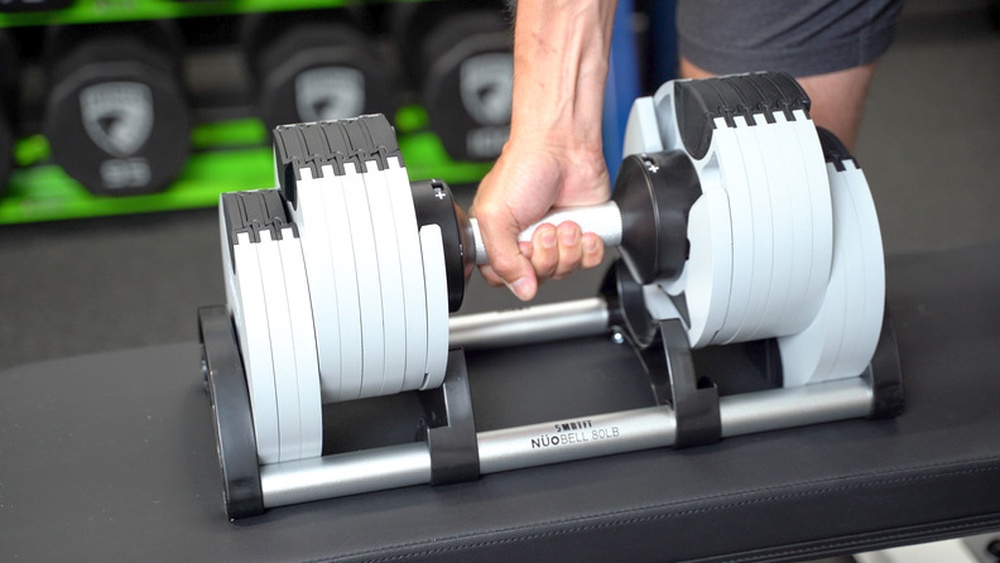
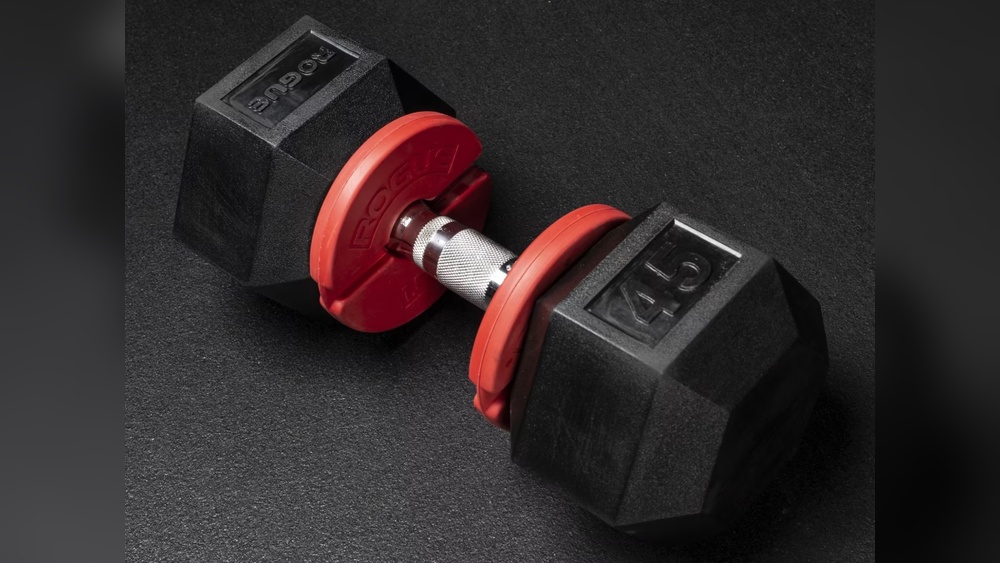
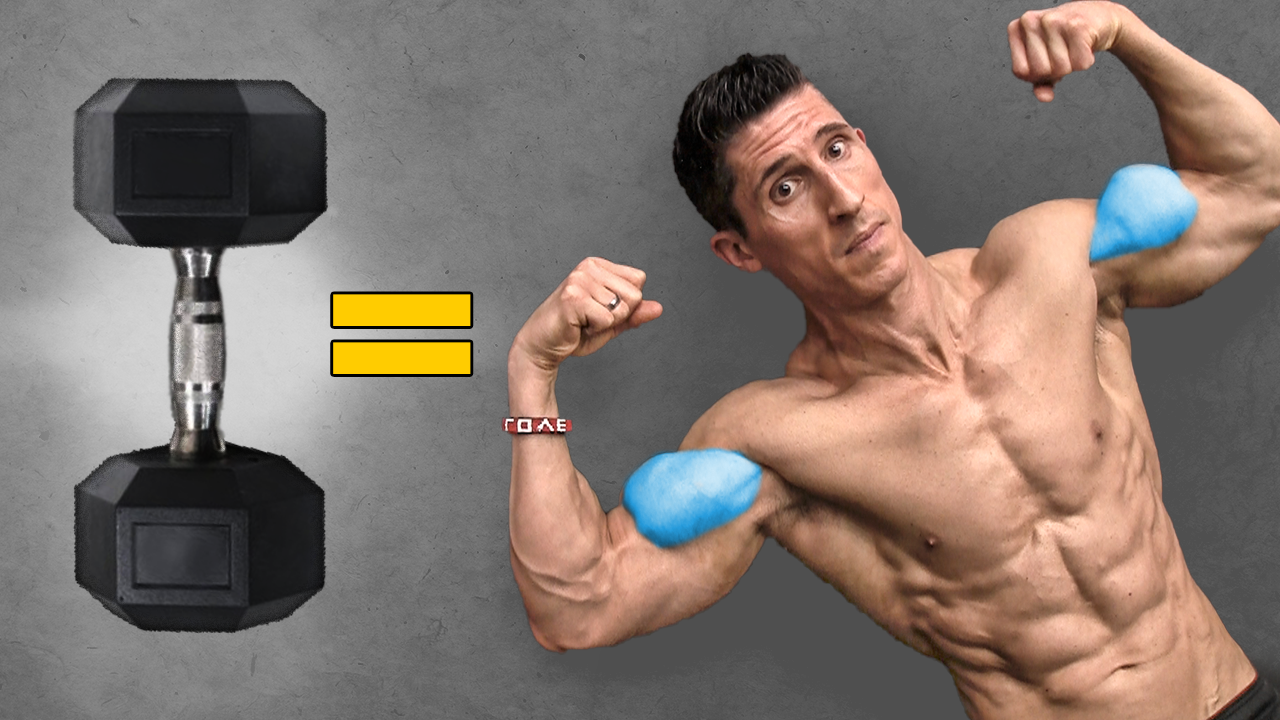
Dumbbells are the main equipment for bicep workouts. Choose weights that challenge your muscles but allow proper form. Adjustable dumbbells save space and money. Fixed-weight dumbbells offer simplicity and quick changes.
Weight Bench
A weight bench supports your body during many dumbbell exercises. It helps you keep balance and control. Benches with adjustable backrests allow different workout angles for better muscle targeting.
Exercise Mat
An exercise mat provides comfort and grip. It protects your joints during floor exercises. Mats prevent slipping and add safety to your workouts.
Workout Gloves
Workout gloves improve grip and protect your hands. They reduce calluses and blisters from dumbbell use. Gloves also help maintain a firm hold during heavier lifts.
Mirror
A mirror helps you check your exercise form. Good form prevents injuries and boosts workout results. Watching yourself ensures you perform each move correctly.
Credit: learn.athleanx.com
Top Dumbbell Exercises For Biceps
Building strong biceps needs the right exercises. Dumbbells offer many ways to target these muscles. They help improve strength and shape. Using dumbbells also improves muscle balance and control.
Here are some of the best dumbbell exercises for biceps. Each one works the muscles in a slightly different way. This variety helps achieve better overall results. Try these moves to make your biceps stronger and more defined.
Alternating Dumbbell Curls
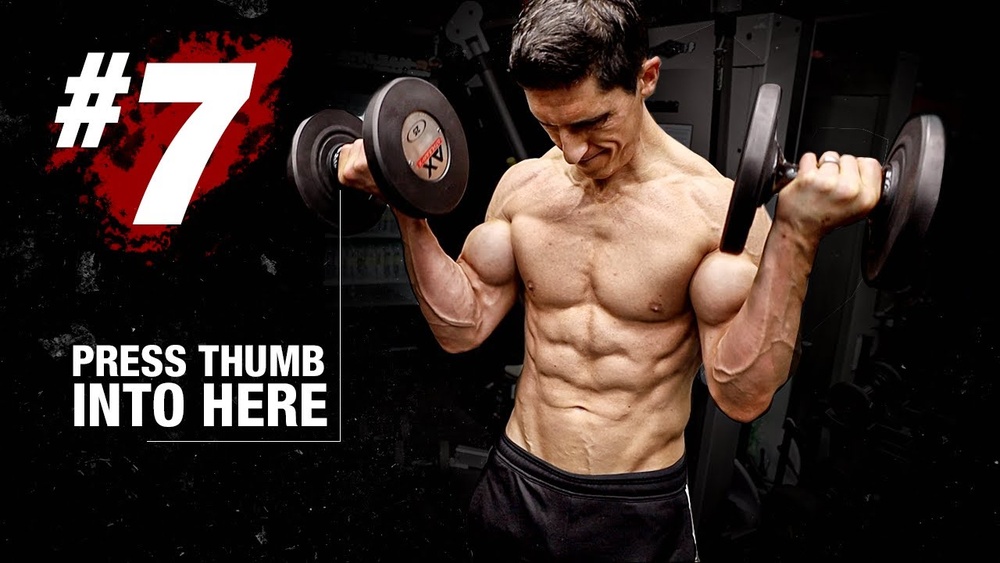
Hold a dumbbell in each hand. Curl one dumbbell up while keeping the other down. Lower it slowly and switch arms. This exercise works each arm separately. It helps fix muscle imbalances and builds strength.
Hammer Curls
Hold dumbbells with palms facing your body. Curl the weights up without twisting your wrists. This targets the outer biceps and forearms. It adds thickness and strength to your arms.
Concentration Curls
Sit on a bench and rest your elbow on your thigh. Curl the dumbbell up slowly. Focus on squeezing the biceps at the top. This move isolates the biceps for better muscle growth.
Incline Dumbbell Curls
Sit on an incline bench holding dumbbells. Let your arms hang down straight. Curl the dumbbells up without moving your upper arms. This stretches the biceps and works the long head deeply.
Zottman Curls
Start with a normal curl using palms up. At the top, rotate your wrists so palms face down. Lower the dumbbells slowly in this position. This exercise targets both biceps and forearms well.
Proper Form And Technique Tips
Proper form and technique are key for effective bicep dumbbell workouts. They help you build muscle safely and avoid injuries. Using the right posture and movement makes each rep count. Focus on control and steady motion, not speed or heavy weights. This approach leads to better results and less strain on your joints.
Keep your body stable and avoid swinging the weights. Engage your core to support your back. Controlled, smooth movements target the biceps more effectively. Always start with lighter weights to learn the correct form. Gradually increase weight as your strength improves.
Maintain A Neutral Wrist Position
Keep your wrists straight, not bent. This reduces stress on the joints. A neutral wrist helps you lift more efficiently. Avoid letting the dumbbells tilt forward or backward. This simple step improves control during curls.
Control Your Elbows
Keep your elbows close to your sides. Avoid letting them move forward or outward. Stable elbows isolate the bicep muscle better. Moving elbows reduce workout effectiveness and increase injury risk.
Use A Full Range Of Motion
Lift the dumbbells fully towards your shoulders. Lower them slowly to the starting position. This stretch and contraction activate the entire bicep muscle. Partial reps limit muscle growth and strength gains.
Breathe Properly During Reps
Exhale while lifting the weights. Inhale as you lower them down. Proper breathing supports muscle performance and oxygen flow. Holding your breath can cause fatigue and dizziness.
Creating An Effective Workout Plan
Creating an effective workout plan is key to building strong biceps with dumbbells. A good plan helps you stay focused and see progress. It includes clear goals, proper exercise selection, and smart scheduling. You must balance effort and recovery. This section explains how to set reps and sets, manage rest periods, and apply progressive overload to your routine.
Setting Reps And Sets
Choose reps and sets based on your goals. For muscle growth, aim for 8 to 12 reps per set. Complete 3 to 4 sets of each exercise. Use a weight that challenges your muscles but lets you keep good form. For strength, lower reps to 4 to 6 and increase weight. Consistency in reps and sets builds muscle steadily.
Rest Periods
Rest time between sets affects your performance. Take 30 to 60 seconds rest for muscle endurance. For strength training, rest for 1 to 2 minutes. Longer rests help your muscles recover more fully. Keep rest times consistent to track your progress. Rest also prevents injury and fatigue during workouts.
Progressive Overload
Progressive overload means increasing workout demands over time. Add more weight, increase reps, or add sets gradually. This challenges your muscles to grow stronger. Avoid sudden jumps in weight to reduce injury risk. Track your progress and adjust your plan regularly. Small increases lead to big results over time.
Common Mistakes To Avoid
Many people make mistakes during bicep dumbbell workouts. These errors can slow progress and cause injuries. Knowing what to avoid helps you train smarter and safer.
Focus on proper form and controlled movements. Avoid rushing through reps or using too much weight. These habits protect your muscles and joints.
Improper Wrist Position
Bending your wrists too much stresses them and reduces bicep work. Keep wrists straight and stable during each curl. This helps target the biceps effectively.
Using Momentum Instead Of Muscle
Swinging dumbbells to lift heavier weight takes tension off the biceps. Move slowly and control the dumbbells throughout the motion. This keeps the muscle under constant load.
Neglecting The Full Range Of Motion
Stopping halfway or not lowering dumbbells fully limits muscle growth. Stretch your arms fully at the bottom and curl up completely. This engages the whole bicep.
Lifting Too Heavy Too Soon
Choosing weights beyond your strength leads to poor form and injury risks. Start with lighter dumbbells and increase weight gradually. This builds strength safely over time.
Ignoring Breathing Technique
Holding your breath can cause tension and reduce performance. Breathe out while lifting and breathe in while lowering the dumbbells. This supports muscle function and endurance.
Nutrition For Bigger Arms
Nutrition plays a key role in building bigger arms. Eating the right foods helps muscles grow after workouts. Without good nutrition, bicep gains can slow down.
Protein supports muscle repair and growth. Carbohydrates give energy for intense dumbbell exercises. Healthy fats keep hormones balanced and support overall health.
Protein Intake For Muscle Growth
Protein provides the building blocks for muscles. Aim for lean sources like chicken, fish, eggs, and beans. Try to eat protein with every meal.
After your workout, a protein snack helps muscles recover faster. A simple protein shake or yogurt works well.
Carbohydrates For Energy
Carbs fuel your workouts and daily activities. Choose whole grains, fruits, and vegetables. They release energy slowly and keep you active longer.
Eating carbs before exercise boosts strength and endurance. Don’t skip them, or you may feel tired during training.
Healthy Fats And Hormones
Fats support hormone production, which is vital for muscle growth. Include sources like nuts, seeds, avocados, and olive oil.
Avoid too much bad fat. Focus on healthy fats to keep your body balanced and strong.
Hydration And Muscle Performance
Water helps muscles work well and recover faster. Drink plenty of water throughout the day. Avoid sugary drinks that do not hydrate well.
Staying hydrated improves workout performance and helps reduce muscle cramps.
Recovery And Muscle Growth
Recovery is a key part of building strong biceps. Working out with dumbbells creates small tears in muscle fibers. These tears need time to heal. The healing process helps muscles grow bigger and stronger. Without proper recovery, muscles stay tired and weak.
Muscle growth happens during rest, not during exercise. Giving muscles enough time to recover improves strength and size. Eating well and sleeping enough supports this process too. Recovery helps avoid injuries and keeps workouts effective.
Rest Days And Their Importance
Rest days let muscles repair and rebuild. Avoid training the same muscles two days in a row. Two or three rest days per week work well for most people. Use rest days for light activities like walking or stretching. Rest helps prevent burnout and overuse injuries.
Nutrition For Muscle Repair
Protein is essential for muscle repair and growth. Eat foods rich in protein like chicken, fish, eggs, or beans. Carbohydrates provide energy for workouts and recovery. Drink water to stay hydrated. Proper nutrition speeds up muscle healing and improves workout results.
Sleep And Its Role In Muscle Growth
Sleep is when most muscle repair happens. Aim for 7 to 9 hours of sleep each night. Poor sleep slows down recovery and growth. Good sleep improves energy, focus, and workout performance. A regular sleep schedule supports muscle health.
Tracking Progress And Staying Motivated
Tracking progress and staying motivated are key parts of any bicep workout routine. They help keep you focused and show how far you have come. Watching your improvements makes the effort feel worthwhile. Motivation stays high when you can see real results.
Simple tracking methods make the process easy. Writing down weights and reps helps you notice small gains. Seeing progress on paper or an app pushes you to keep going. Motivation grows with each milestone you reach.
Keeping A Workout Journal
A workout journal records your exercises, weights, and reps. It shows patterns and progress over time. Writing down details helps you plan better sessions. It also reminds you of past achievements, boosting confidence.
Using Progress Photos
Photos offer clear visual proof of muscle growth. Taking pictures every few weeks highlights changes you might miss daily. Comparing photos keeps you motivated. It shows how your hard work changes your body.
Setting Realistic Goals
Small, clear goals make progress feel real. They break down big results into easy steps. Meeting these goals keeps motivation alive. It also avoids frustration from aiming too high too soon.
Celebrating Small Wins
Every extra rep or heavier weight counts. Celebrate these small wins to stay inspired. Recognizing effort helps build positive habits. Each success brings you closer to stronger biceps.
Credit: www.youtube.com
Frequently Asked Questions
What Are The Best Dumbbell Exercises For Biceps?
The best dumbbell exercises for biceps include curls, hammer curls, and concentration curls. These target the biceps effectively for muscle growth and strength.
How Many Sets And Reps Build Bicep Muscles Fast?
Perform 3-4 sets of 8-12 reps for optimal bicep growth. This range maximizes muscle hypertrophy and strength gains when done consistently.
Can Dumbbell Workouts Alone Build Big Biceps?
Yes, dumbbell workouts can build big biceps if performed with proper form and progressive overload. Consistency and balanced nutrition are also key.
Should I Warm Up Before Dumbbell Bicep Workouts?
Always warm up with light cardio and dynamic stretches. This reduces injury risk and improves muscle performance during dumbbell bicep exercises.
Conclusion
Building strong biceps takes time and effort. Use these dumbbell workouts regularly to see progress. Focus on good form to avoid injuries. Change your routine to keep muscles challenged. Rest and eat well to support muscle growth. Stay patient and consistent with your training.
Enjoy the process and celebrate small gains. Stronger arms are within your reach. Keep lifting and stay motivated every day.