If you want to build a stronger, more defined chest, dumbbells are your best friends. They allow you to work your muscles in ways machines can’t, giving you better control and a fuller range of motion.
But with so many exercises out there, it’s easy to get overwhelmed or stuck doing the same routine. This guide will show you the best chest dumbbell workouts that target every part of your chest. Whether you’re a beginner or looking to break through a plateau, these moves will help you see real results faster.
Ready to take your chest training to the next level? Keep reading to discover workouts that will transform your upper body.

Credit: sageuae.com
Benefits Of Dumbbell Chest Workouts
Dumbbell chest workouts offer many benefits for building strength and muscle. They help target the chest muscles more effectively than some other equipment. Using dumbbells allows more natural movement and better muscle control.
These exercises improve muscle balance and prevent injuries. Dumbbells also let you work each side of the body separately. This way, you can fix muscle imbalances and build a stronger chest.
Improved Muscle Activation
Dumbbells require more effort to stabilize during lifts. This activates more muscle fibers in the chest. The muscles work harder to keep control. This leads to better strength and muscle growth over time.
Enhanced Range Of Motion
Dumbbells allow you to move your arms freely. This increases the range of motion in chest exercises. Greater movement helps stretch and contract muscles fully. This improves flexibility and muscle development.
Balanced Muscle Development
Using dumbbells trains each side of your chest equally. This prevents one side from becoming stronger than the other. Balanced muscle growth improves your posture and reduces injury risk. It also creates a more symmetrical chest shape.
Credit: vixencomposites.com
Essential Dumbbell Exercises For Chest
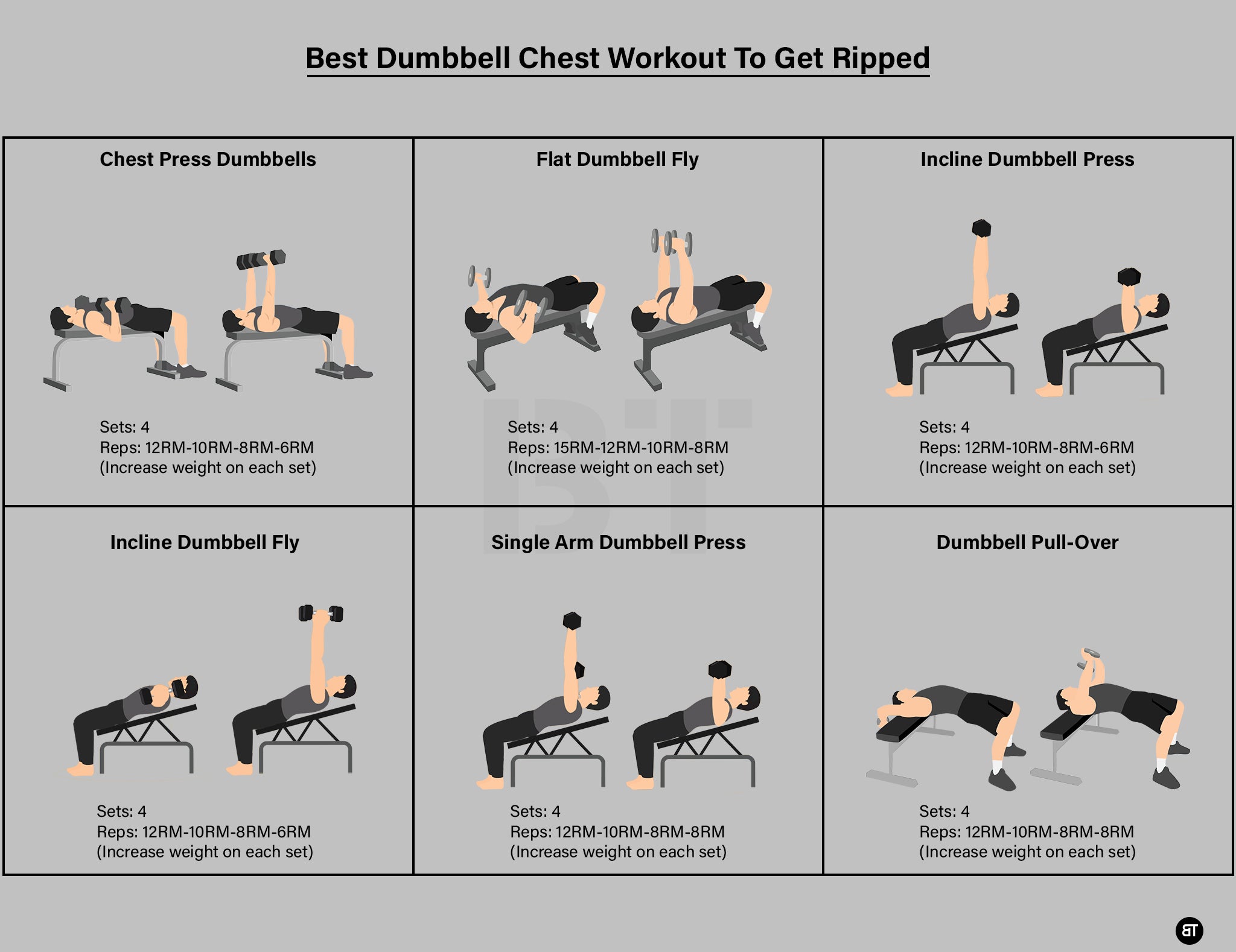
Building a strong chest requires focused exercises. Dumbbells offer great control and range of motion. They help develop muscle evenly on both sides. Here are essential dumbbell moves that target your chest effectively.
Flat Dumbbell Press
The flat dumbbell press works the middle chest. Lie on a bench with dumbbells in hand. Press weights up and bring them down slowly. This exercise builds strength and size in the chest muscles. Keep your wrists straight and control the movement.
Incline Dumbbell Press
The incline dumbbell press targets the upper chest. Set the bench to a 30-45 degree angle. Press dumbbells upward while keeping your elbows slightly bent. This helps shape the chest and improves shoulder stability. Focus on slow, controlled lifts for best results.
Decline Dumbbell Press
Decline dumbbell presses work the lower chest. Use a decline bench and hold dumbbells above your chest. Lower the weights slowly and push back up. This move enhances the lower chest’s definition. Maintain a steady pace and full range of motion.
Dumbbell Flyes
Dumbbell flyes stretch and tone the chest muscles. Lie flat on a bench holding dumbbells above your chest. Open your arms wide, feeling the stretch. Bring the weights back together with control. This exercise improves chest flexibility and shape.
Advanced Dumbbell Moves
Advanced dumbbell moves help build a stronger chest. They target muscles deeply and improve stability. These exercises challenge your body in new ways. This section covers three powerful moves for chest growth.
Pullover
The pullover works your chest and back muscles together. Lie on a bench holding a dumbbell with both hands. Slowly lower the dumbbell behind your head. Keep your arms straight but not locked. Raise the dumbbell back over your chest. This move stretches and contracts your chest muscles deeply.
Squeeze Press
The squeeze press activates the inner chest muscles well. Hold two dumbbells close together at chest level. Press them inward as you push the weights up. Keep the dumbbells touching throughout the movement. Lower them slowly back to your chest. This creates tension and helps shape the chest center.
Single-arm Dumbbell Press
The single-arm dumbbell press improves muscle balance and core strength. Lie on a bench with one dumbbell in one hand. Press the dumbbell up while keeping your body stable. Lower the weight slowly to your chest. Switch arms after each set. This move isolates each side and builds equal strength.

Credit: www.liftingitalia.com
Structuring Your Chest Workout
Structuring your chest workout is key for building strength and muscle. A good plan helps you train safely and effectively. It also keeps your sessions focused and productive. This section covers how to warm up, arrange exercises, and choose the right sets and reps for growth.
Warm-up Strategies
Start with light cardio like jumping jacks or brisk walking. This raises your heart rate and warms your body. Next, do dynamic stretches for your shoulders and chest. Arm circles and chest openers work well. Finally, perform a few light dumbbell presses. This prepares your muscles for heavier weights. Warming up reduces injury risk and improves performance.
Exercise Order Tips
Begin with compound moves like dumbbell bench presses. These use many muscles and need the most energy. Follow with isolation exercises such as dumbbell flyes. They target the chest more specifically. Place harder exercises early to ensure good form. Change the order sometimes to avoid plateaus. Keep rest times short between sets to stay focused.
Sets And Reps For Growth
Choose moderate to heavy weights for muscle growth. Aim for 3 to 4 sets per exercise. Perform 8 to 12 reps in each set. This range balances strength and size gains. Rest for 60 to 90 seconds between sets. Track your progress by increasing weights gradually. Consistency is key to seeing steady improvements.
Common Mistakes To Avoid
Many people want strong chest muscles. Dumbbell workouts help build them well. But some mistakes can stop progress and cause injury. Avoiding these common errors makes your workouts safer and better. Pay attention to how you train and recover.
Poor Form Issues
Using bad form is a common mistake. It can cause pain and injury. Keep your back flat and chest up. Move dumbbells slowly and controlled. Avoid swinging or jerking weights. Focus on feeling the chest muscles work. Proper form gives better results with less risk.
Overtraining Risks
Training chest every day is not good. Muscles need time to rest and grow. Overtraining can cause soreness and fatigue. It may also lead to injury. Give your chest 48 hours to recover between workouts. Plan rest days to stay strong and healthy.
Neglecting Recovery
Recovery is as important as training. Skipping rest slows muscle growth. Drink water and eat protein after workouts. Stretch your chest muscles gently to reduce tightness. Sleep well to help muscles repair. Good recovery helps you lift more next time.
Tips For Maximizing Muscle Growth
Maximizing muscle growth requires more than just lifting weights. It involves smart training, proper nutrition, and enough rest. Focusing on these areas helps your chest muscles grow stronger and bigger. Use effective methods to push your limits safely and recover well.
Progressive Overload Techniques
Progressive overload means increasing the weight or reps over time. This forces your muscles to adapt and grow. Add small weight increments regularly to challenge your chest muscles. Change the number of sets or reps to avoid plateaus. Track your progress to stay motivated and consistent.
Nutrition And Supplementation
Muscles need fuel to grow. Eat enough protein to repair and build muscle tissue. Include lean meats, eggs, and dairy in your diet. Carbs provide energy for intense workouts. Healthy fats support hormone production. Consider supplements like whey protein or creatine for extra support. Drink plenty of water to stay hydrated.
Rest And Recovery Importance
Muscle growth happens during rest, not just workouts. Give your chest muscles time to recover between sessions. Aim for 48 hours of rest before training the same muscle again. Sleep at least 7-8 hours every night for optimal recovery. Avoid overtraining to prevent injuries and burnout.
Frequently Asked Questions
What Are The Best Dumbbell Exercises For Chest Growth?
The best dumbbell exercises for chest growth include dumbbell bench press, dumbbell flyes, and incline dumbbell press. These moves target all chest areas effectively and promote muscle development with balanced strength.
How Often Should I Do Chest Dumbbell Workouts?
Perform chest dumbbell workouts 2 to 3 times per week. Allow at least 48 hours of rest between sessions to help muscle recovery and growth.
Can Dumbbell Workouts Replace Barbell Chest Exercises?
Yes, dumbbell workouts can replace barbell exercises. They offer greater range of motion and help correct muscle imbalances for balanced chest development.
What Is The Correct Form For Dumbbell Chest Press?
Lie flat on a bench with dumbbells in hand, elbows bent at 90 degrees. Press dumbbells upward until arms are extended, then lower slowly.
Conclusion
Chest dumbbell workouts build strength and shape muscles well. They fit any fitness level and space. Using dumbbells lets you work chest muscles from many angles. Consistency is key to seeing real results. Start with lighter weights and increase slowly.
Remember to keep good form to avoid injury. These exercises help improve posture and upper body power. Try different moves to keep workouts fresh and fun. Your chest will get stronger with time and effort. Stay patient and enjoy the process.