
Is your bike lock stuck or hard to open because of rust? You’re not alone, and luckily, you don’t have to buy a new one just yet.
Rust can make your lock frustrating to use, but with a few simple steps, you can bring it back to life. Imagine being able to secure your bike again without any hassle or extra costs. Keep reading, and you’ll learn easy, effective ways to fix your rusty bike lock quickly—so you can get back on the road with confidence.
Identify Rust And Damage
Identifying rust and damage is the first step to fixing a rusty bike lock. You must know the lock’s condition before any repair. This helps you decide what tools and methods to use. Careful inspection can save time and effort later.
Look closely at the lock. Small rust spots can turn into bigger problems. Check every part, including the shackle and the keyhole. Rust might hide in tight spaces. Notice any signs of wear or breakage too.
Check Lock Condition
Start by cleaning the lock’s surface gently. Use a cloth to remove dirt and dust. Then, examine the lock in bright light. Look for cracks, bends, or missing pieces. Test the lock by turning the key or shackle. See if it moves smoothly or sticks. Any stiffness may mean rust inside. Note all problems you find.
Assess Rust Severity
Rust can be light or heavy. Light rust looks like small, orange spots. Heavy rust covers large areas and feels rough. Use a small brush to scrape rust lightly. If rust flakes off easily, it is severe. Deep rust can damage the metal under the surface. This weakens the lock. Decide if the lock can be saved or needs replacement. Knowing rust severity guides your repair steps.
Gather Necessary Tools
Fixing a rusty bike lock starts with gathering the right tools. Having the proper supplies makes the job easier and faster. Prepare everything before you begin. This helps avoid interruptions and frustration.
Rust Removal Supplies
You need items that can remove rust effectively. A wire brush works well to scrub off loose rust. Sandpaper is good for smoothing rough spots. Baking soda and white vinegar can help break down rust naturally. A small bowl for mixing solutions is useful. Also, keep a clean cloth or rag ready for wiping.
Lubricants And Cleaners
Lubricants keep the lock moving smoothly after cleaning. Use a silicone-based spray or bike-specific lubricant. Avoid thick oils that attract dirt and dust. Cleaners like mild soap and water help remove grime. Use a soft brush to clean tight areas. Dry the lock completely before applying lubricant.
Clean The Lock Surface
Cleaning the surface of a rusty bike lock is the first step to restore its function. Dirt and rust block the lock’s moving parts. Clearing these away helps the lock work smoothly again. Follow simple steps to clean and prepare the lock for further treatment.
Remove Dirt And Debris
Start by brushing off loose dirt and dust with a soft brush. Use a cloth to wipe the surface gently. Avoid using water at this stage to prevent spreading rust. Small stones or sand can scratch the lock, so remove them carefully. Cleaning the surface helps see the rust spots clearly.
Apply Rust Remover
Choose a rust remover safe for metal surfaces. Apply it evenly on the rusty areas using a cloth or brush. Let it sit for the time the product instructions suggest. The remover breaks down rust and loosens it from the metal. Afterward, wipe the lock clean with a dry cloth. Repeat if rust still shows.
Credit: www.galaxus.at
Remove Rust Effectively
Rust can make your bike lock hard to use and look bad. Removing rust is important to keep the lock working well. There are simple ways to clean rust using tools and household items. These methods help bring back the lock’s strength and appearance.
Use Wire Brush Or Sandpaper
Start by brushing the rust off the lock. Use a wire brush or rough sandpaper. Rub the rusty areas gently but firmly. This removes loose rust and dirt. Work in small circles for best results. Keep brushing until most rust is gone. Wipe the lock with a clean cloth after.
Soak In Vinegar Or Rust Solution
For tough rust, soaking works well. Place the lock in a container. Fill it with white vinegar or a rust remover. Let the lock soak for several hours or overnight. Vinegar helps break down the rust naturally. After soaking, scrub the lock again. Rinse with water and dry it completely. This method clears deep rust effectively.
Lubricate Lock Mechanism
Lubricating the lock mechanism is a key step to fix a rusty bike lock. Rust can block the moving parts inside the lock. This makes it hard to open or close. Adding lubricant helps the lock work smoothly again. It also protects the metal from more rust in the future.
Choose The Right Lubricant
Not all lubricants work well on bike locks. Avoid thick oils that attract dirt and dust. Use a light lubricant made for locks or metal parts. Silicone spray or graphite powder works best. These types do not gum up the mechanism. They keep the lock clean and moving freely.
Apply And Work The Lock
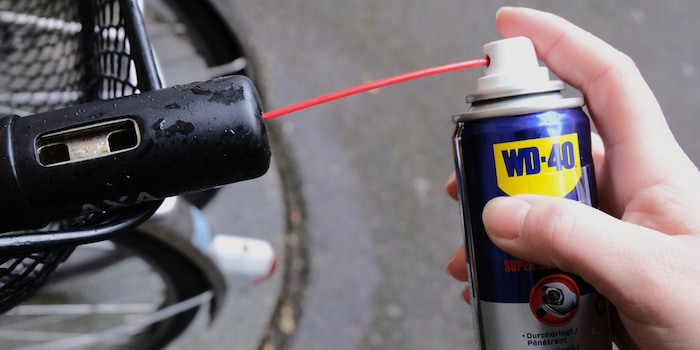
Spray or apply the lubricant directly into the keyhole and shackle area. Insert the key and turn it several times. This spreads the lubricant inside the lock. Open and close the lock a few times. This action helps break up rust and moves the lubricant. Wipe off any extra lubricant on the outside to avoid dirt buildup.

Credit: www.youtube.com
Test Lock Functionality
After treating a rusty bike lock, testing its functionality is important. This step ensures the lock works smoothly and safely. Proper testing avoids surprises when you need to secure your bike. It also helps spot any remaining rust or damage that needs more care.
Check Smooth Operation
Try to open and close the lock several times. The lock should move without sticking or grinding. Listen for any unusual sounds like squeaks or clicks. If the lock feels tight or hard to turn, rust might still be inside. Use gentle force to avoid breaking the lock. Smooth operation means your lock is ready for use.
Repeat Treatment If Needed
If the lock is still stiff or noisy, repeat the cleaning steps. Apply rust remover or lubricant again. Let the product sit a few minutes before wiping it off. Clean away any leftover dirt or rust flakes. Test the lock again after treatment. Repeat this process until the lock works smoothly.
Prevent Future Rust
Preventing rust on your bike lock keeps it working longer and saves money. Rust weakens metal and makes locks hard to open. Simple steps help protect your lock from moisture and dirt. Consistent care stops rust before it starts.
Regular Maintenance Tips
Clean your lock often with a dry cloth. Remove dirt and dust to avoid scratches. Use a light oil spray on moving parts. This stops rust and keeps the lock smooth. Check the lock for signs of rust every month. Wipe off any moisture after rain or washing. Avoid harsh chemicals that can damage the lock’s finish.
Storage And Protection Advice
Store your bike and lock in a dry place. Avoid leaving the lock outside during rain or snow. Use a lock cover or plastic bag if outside storage is necessary. Keep the lock away from salty air near the sea. Hang the lock or place it off the ground to reduce moisture contact. A dry, shaded spot protects the lock best from rust.

Credit: vixencomposites.com
Frequently Asked Questions
How Do I Remove Rust From A Bike Lock?
Use a rust remover or white vinegar to soak the lock. Scrub with a wire brush, then rinse and dry thoroughly. Apply lubricant to prevent further rust.
Can Wd-40 Fix A Rusty Bike Lock?
Yes, WD-40 helps loosen rust and lubricate the lock mechanism. Spray it on, wait a few minutes, then move the lock to free it.
How Often Should I Maintain My Bike Lock?
Maintain your bike lock every 3-6 months. Clean, lubricate, and inspect for rust or damage to ensure smooth operation.
What Tools Do I Need To Fix A Rusty Bike Lock?
You need rust remover or vinegar, a wire brush, cloth, lubricant, and possibly sandpaper for heavy rust removal.
Conclusion
Fixing a rusty bike lock does not take much time or effort. Regular cleaning and oiling keep it working well. Rust can make your lock hard to use. Removing rust early prevents damage and saves money. Use simple tools and products you have at home.
Keep your bike lock dry and store it properly. A little care goes a long way. Now, your lock should open smoothly again. Enjoy riding without worry about a stuck lock.


