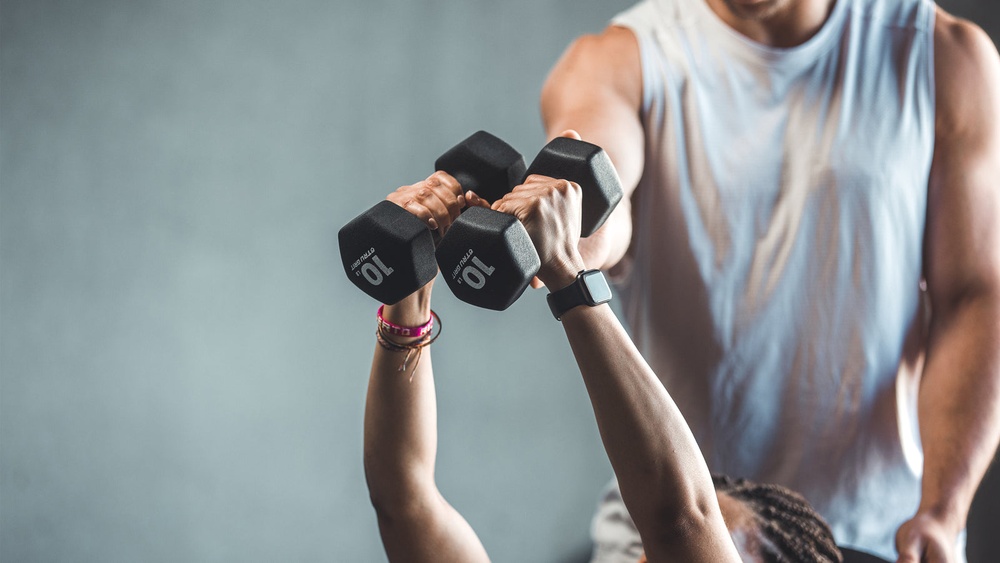
Choosing the right dumbbell size can make or break your workout. You want to challenge your muscles without risking injury or frustration.
But how do you know exactly how big your dumbbells should be? If you’ve ever felt confused or stuck when picking weights, you’re not alone. This guide will help you find the perfect dumbbell size that fits your strength and goals.
Keep reading, and soon you’ll lift smarter, feel stronger, and enjoy every workout more.
Choosing Dumbbell Weight
Choosing the right dumbbell weight is key for effective workouts. The right weight helps you build strength safely. It prevents injury and keeps you motivated. Picking dumbbells that match your fitness level is important. This section guides you through selecting the best weight for your needs.
Factors Affecting Weight Selection
Your strength level affects dumbbell weight choice. The exercise type matters, too. Some moves need lighter weights, others heavier. Your fitness goals also influence weight. For muscle growth, use heavier dumbbells. For toning, lighter weights work well. Body size and age play a role. Listen to your body and avoid pain.
Starting Weight For Beginners
Beginners should start with light dumbbells. Choose a weight you can lift 12-15 times easily. This helps learn correct form and technique. Start with 2 to 5 pounds for small muscles. For bigger muscles, try 5 to 10 pounds. Focus on control, not heavy lifting. Gradually increase weight as you gain strength.
Adjusting Weight For Progress
Track your progress regularly. Increase dumbbell weight when exercises feel easy. Add 1 to 5 pounds at a time. Challenge muscles without risking injury. Use heavier weights for fewer reps to build strength. For endurance, keep lighter weights and more reps. Adjust weight based on your goals and comfort.
Strength Goals And Weight
Choosing the right dumbbell weight depends on your strength goals. Different goals need different weights. Knowing your goal helps pick the best dumbbell size. This section explains how to match dumbbells with strength goals.
Weights For Muscle Endurance
Muscle endurance means working muscles for a long time. Use light weights for many repetitions. Choose dumbbells you can lift 12 to 20 times. This helps muscles last longer without getting tired fast. Light weights keep your muscles active longer.
Weights For Muscle Growth
Muscle growth needs moderate to heavy weights. Pick dumbbells that let you do 6 to 12 reps. These weights cause muscle fibers to grow bigger. You feel muscle fatigue near the last rep. This weight range helps build size and strength.
Weights For Maximal Strength
Maximal strength means lifting the heaviest weights possible. Use heavy dumbbells for 1 to 5 reps. These weights challenge your muscles to get very strong. Rest time between sets is longer. This training improves raw power and strength fast.
Exercise Types And Dumbbell Size
Choosing the right dumbbell size depends on the exercise type. Different workouts need different weights. Using the correct dumbbell helps you train safely and effectively. This section explains how to pick dumbbells for various exercises.
Upper Body Exercises
Upper body exercises target muscles like arms, shoulders, and chest. Use lighter dumbbells for exercises like bicep curls or shoulder raises. This helps keep good form and avoid injury. For stronger muscle groups like the chest, choose medium weights. Start with a weight you can lift 8 to 12 times. Increase weight only if you finish sets without pain.
Lower Body Exercises
Lower body workouts focus on legs, glutes, and hips. These muscles are bigger and stronger. You can use heavier dumbbells for squats or lunges. Choose a weight that challenges you but allows controlled movement. Avoid weights that cause you to lose balance. Start with moderate weights and increase gradually as strength grows.
Full Body Workouts
Full body workouts combine upper and lower body exercises. Pick dumbbells that suit your weakest muscle group. Use lighter weights if you do many reps or fast movements. Heavier dumbbells fit slow, controlled exercises. Balance weight size so you maintain good form throughout the workout. Change dumbbells as you get stronger over time.
Credit: www.fitandwell.com
Signs You Need Heavier Dumbbells
Choosing the right dumbbell weight is key to effective workouts. Using dumbbells that are too light slows progress. Heavier weights push muscles to grow stronger. Watch for signs that your current dumbbells are no longer challenging. These signs show it’s time to increase your dumbbell weight for better results.
Lack Of Muscle Fatigue
Muscle fatigue means your muscles feel tired after exercise. If you finish your sets without feeling tired, the weight may be too light. Proper fatigue helps muscles grow and become stronger. When there is no fatigue, your muscles do not get enough stress to improve.
Improved Reps And Sets
You can do more reps and sets easily. This shows your muscles have adapted to the current weight. When you perform exercises without effort, the dumbbells are not heavy enough. Increasing weight keeps your workouts challenging and effective.
Plateau In Strength Gains
Your strength stops increasing. No matter how often you train, the progress stalls. This plateau happens when the muscles are not challenged enough. Using heavier dumbbells breaks through this plateau and helps build more strength.
Safety Tips For Dumbbell Training
Using dumbbells can improve strength and muscle tone. Safety is very important to avoid injuries. Follow these tips for a safe workout.
Proper Form And Technique
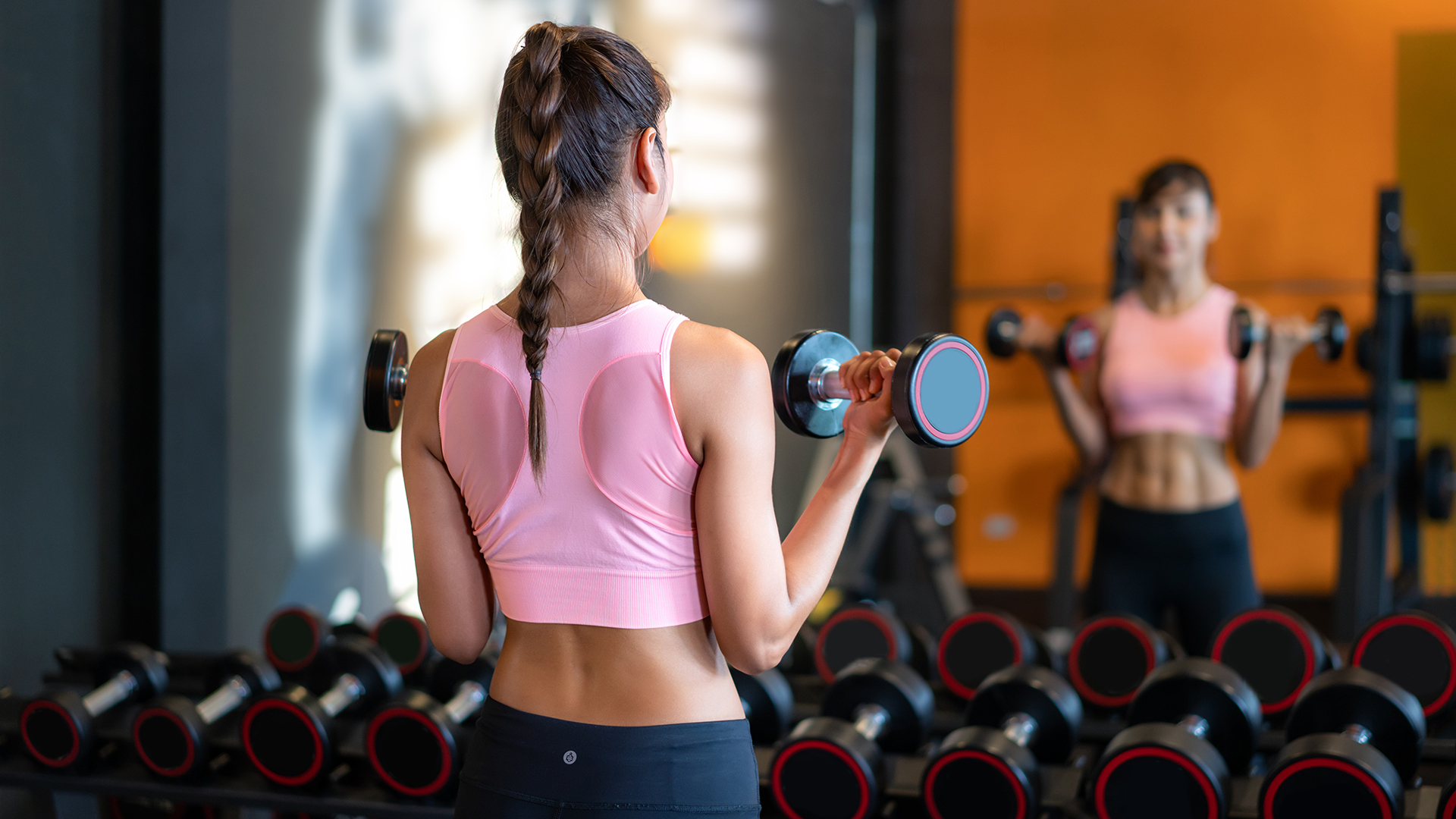
Always use the right form during exercises. Poor form can cause injuries and reduce results. Start with light weights to learn the moves. Watch yourself in a mirror or record your workout. Stop if you feel pain or discomfort. Keep your movements slow and controlled for best results.
Warm-up And Cool-down
Begin each session with a warm-up. This helps prepare your muscles and joints. Try light cardio or stretching for five to ten minutes. After training, cool down with gentle stretches. Cooling down helps reduce muscle soreness and stiffness. Never skip these steps for a safer workout.
Avoiding Overtraining
Give your muscles time to recover between workouts. Overtraining can lead to fatigue and injury. Train different muscle groups on alternate days. Listen to your body and rest if needed. Quality rest helps your muscles grow stronger. Balance exercise with rest for steady progress.
Credit: www.liftingitalia.com
Progressive Overload With Dumbbells
Progressive overload is key to building strength with dumbbells. It means making your muscles work harder over time. This helps muscles grow and become stronger. You can do this by increasing weight, reps, or sets gradually. Small changes create big results. Stay consistent and patient for the best progress.
Increasing Weight Gradually
Start with a weight that feels comfortable but challenging. Once you can do your reps easily, add a small amount of weight. This might be 1 to 5 pounds more. Increasing weight slowly avoids injury and helps muscles adapt. Keep pushing yourself just enough to improve steadily.
Increasing Reps And Sets
If heavier weights are not available, increase reps or sets instead. Doing more repetitions or extra sets makes your muscles work longer. This also builds endurance and strength. Aim to add one or two reps or a set every week. It keeps your routine fresh and effective.
Tracking Your Progress
Write down your weights, reps, and sets after each workout. Tracking helps you see improvements over time. It also shows when to increase the challenge. Use a notebook or app to keep records. Review your progress weekly to stay motivated and focused.
Choosing Adjustable Vs Fixed Dumbbells
Choosing between adjustable and fixed dumbbells depends on your workout needs and space. Both types have unique benefits that suit different fitness goals and home setups. Understanding these can help you pick the right dumbbells for your routine.
Advantages Of Adjustable Dumbbells
Adjustable dumbbells let you change weights quickly. This saves time during workouts and allows more variety. They take up less space than many fixed dumbbells. Perfect for small areas or home gyms. You can increase weight as you get stronger. This makes them a long-term choice. They often come with easy-to-use dials or pins. This means no need for extra equipment. Adjustable dumbbells are versatile for many exercises.
Advantages Of Fixed Dumbbells
Fixed dumbbells are simple and ready to use. No adjustments needed, just pick and lift. They feel more stable and solid in hand. This can improve control during lifts. Great for fast-paced workouts and circuits. Fixed dumbbells are usually more durable. They resist wear and tear better over time. Many gyms use fixed dumbbells for their reliability. They come in various shapes and weights. Easy to share with family or workout partners.
Cost And Space Considerations
Adjustable dumbbells cost more upfront but replace many fixed pairs. This can save money over time. They need less storage space, ideal for small rooms. Fixed dumbbells are cheaper per pair but add up quickly. You need space for all weight options. Heavy dumbbells require sturdy racks or shelves. Consider your budget and available space carefully. Both types can fit different budgets and homes.

Credit: www.wikihow.com
Frequently Asked Questions
How Do I Choose The Right Dumbbell Weight?
Start with a weight you can lift 8-12 times comfortably. It should challenge muscles without causing strain. Adjust as you gain strength to avoid plateaus and injury.
What Dumbbell Weight Suits Beginners Best?
Beginners should pick light weights, typically 5-15 pounds. This allows learning proper form and building strength safely. Gradually increase weight as you become more confident.
How Often Should I Increase Dumbbell Weight?
Increase weight when 12-15 reps feel easy. Progression every 2-4 weeks keeps muscles challenged. Avoid increasing too fast to prevent injury.
Can I Use Different Weights For Different Exercises?
Yes, use heavier dumbbells for large muscles and lighter for smaller muscles. This ensures balanced strength and reduces injury risk. Customize weight based on exercise type.
Conclusion
Choosing the right dumbbell size helps you train safely and well. Start with a weight that feels comfortable but still challenges you. Increase weight slowly as your strength grows. Remember, proper form matters more than heavy weights. Listen to your body to avoid injury.
Consistency and patience lead to the best results. Keep your workouts simple and steady. Enjoy the process and celebrate small progress every day.