Choosing the right size boxing gloves for sparring is one of the most important decisions you’ll make as a boxer. If your gloves are too small, they won’t protect your hands or your sparring partner properly.
Too big, and you’ll lose speed and control. You want gloves that fit just right to keep you safe and help you perform your best. You’ll discover exactly how to find the perfect glove size for sparring, so you can train smarter and fight harder.
Keep reading to make sure your hands—and your sparring sessions—are fully protected.

Credit: www.geezersboxing.co.uk
Choosing The Right Glove Size
Choosing the right glove size is key for safe and effective sparring. Gloves that fit well protect your hands and your sparring partner. The right size helps you punch with control and avoid injuries. Let’s explore how to find the perfect fit for your boxing gloves.
Importance Of Proper Fit
Gloves that fit properly keep your hands stable and secure. Too tight gloves cause discomfort and limit movement. Too loose gloves may slip, increasing injury risk. Proper fit ensures good wrist support and cushioning. It also improves your punching power and accuracy. Well-fitted gloves make sparring safer and more enjoyable.
Weight Categories Explained
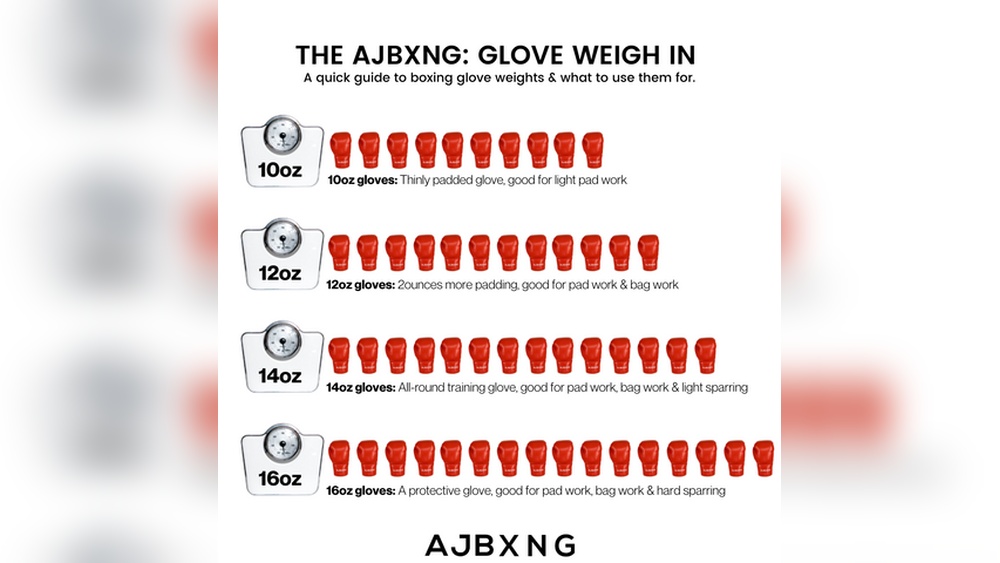
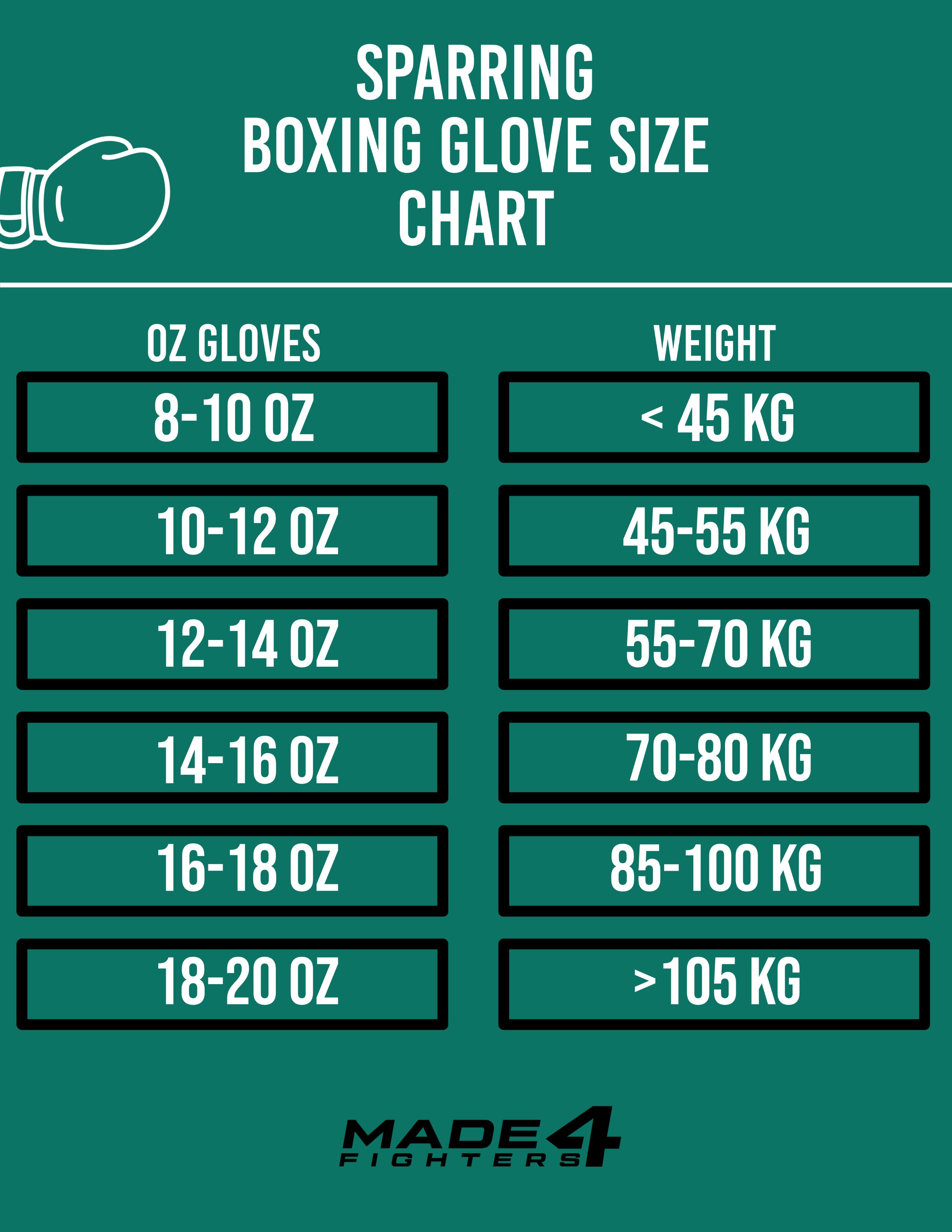
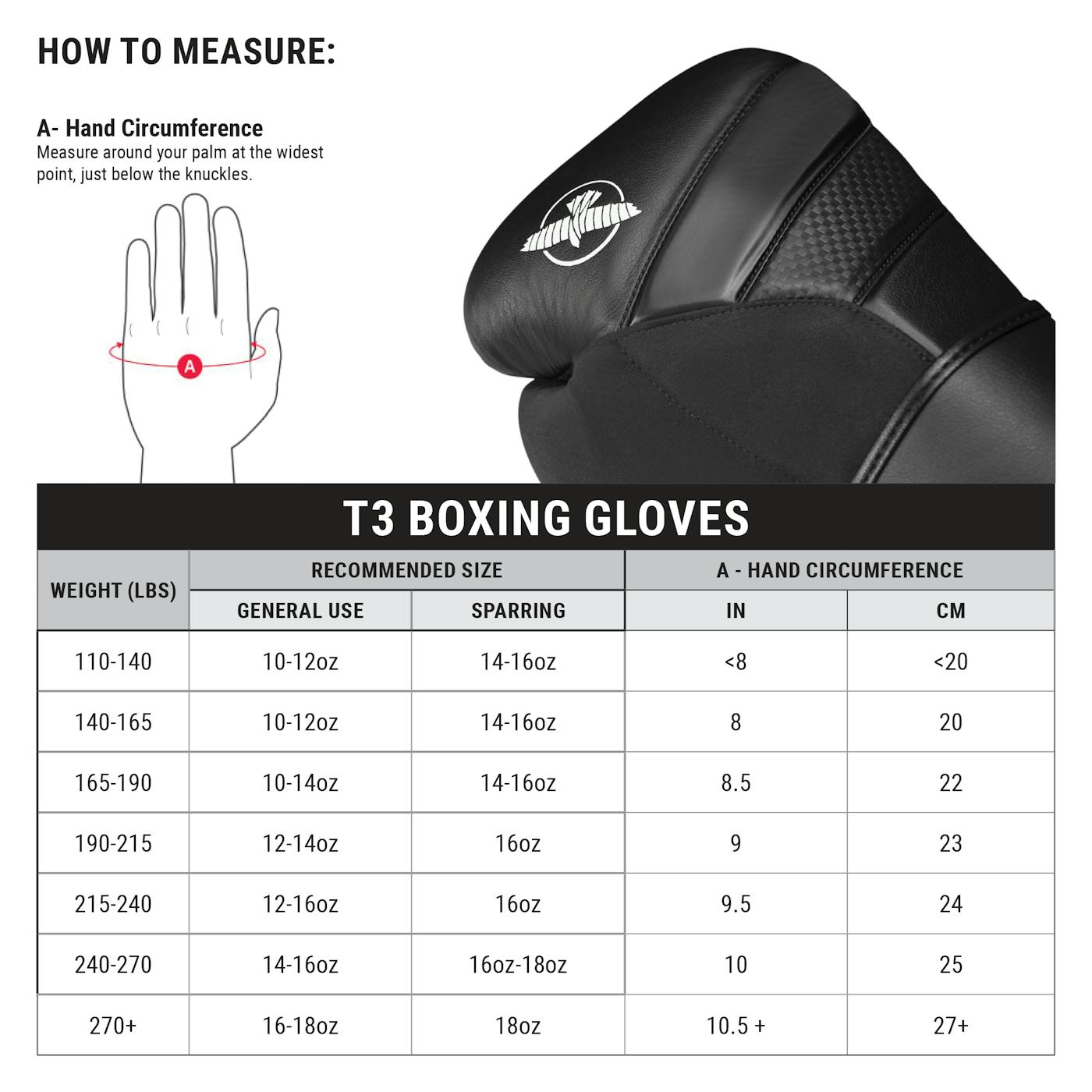
Boxing gloves come in different weights, measured in ounces. Common sizes are 8 oz, 10 oz, 12 oz, 14 oz, and 16 oz. Heavier gloves have more padding and protection. Lighter gloves offer faster hand speed but less cushioning. For sparring, 14 oz or 16 oz gloves are usually best. Your body weight and hand size help decide the right glove weight.
Hand Measurements Guide
Measure your hand circumference with a tape measure. Wrap it around the widest part of your hand, below the knuckles. Note the size in inches or centimeters. Use this number to match glove sizes. For example, 7-8 inches often fits a 12 oz glove. Bigger hands may need 14 oz or 16 oz gloves. Accurate hand measurement ensures the best glove fit.
Credit: www.flumidieselbosch.com.br
Common Glove Sizes For Sparring
Choosing the right boxing glove size for sparring is important. Gloves protect your hands and your partner. Different sizes suit different weights and skill levels. Below are common glove sizes used in sparring. Each size offers unique benefits for training safely and effectively.
8 Oz Gloves
8 oz gloves are light and often used by lighter fighters. They offer speed but less padding. These gloves are best for fast punches and quick movements. Not ideal for heavy sparring as protection is limited.
10 Oz Gloves
10 oz gloves provide a balance between speed and protection. They suit fighters with moderate weight. These gloves offer more padding than 8 oz, helping reduce injury risk. Good for light sparring sessions.
12 Oz Gloves
12 oz gloves are popular for sparring among many boxers. They offer decent padding and hand protection. These gloves help absorb impact well. Suitable for beginners and intermediate fighters.
14 Oz Gloves
14 oz gloves provide extra padding for safer sparring. They help protect both you and your partner. These gloves are heavier, which can improve strength. Often chosen by more experienced boxers during training.
16 Oz Gloves
16 oz gloves are the most common size for serious sparring. They offer maximum padding and wrist support. These gloves slow down punches slightly but increase safety. Ideal for heavier fighters or intense training sessions.
Factors Affecting Glove Size Selection
Choosing the right size boxing gloves for sparring is not just about picking a number. Many factors affect the size you need. The correct size keeps your hands safe and improves your performance. Understanding these factors helps you select gloves that fit well and protect both you and your sparring partner.
Boxer’s Weight And Height
Your weight and height are key in choosing glove size. Heavier and taller boxers need bigger gloves. Bigger gloves offer better padding and protection. Lighter and shorter boxers usually use smaller gloves. This match helps balance comfort and safety during sparring.
Sparring Intensity
The intensity of your sparring matters a lot. Hard sparring needs gloves with more padding. Softer sparring allows for lighter gloves. More padding reduces injury risk for both boxers. Choose gloves that fit the level of force you expect.
Hand Wrap Thickness
Hand wraps add extra bulk to your hands. Thick wraps require larger gloves for a comfortable fit. Thin wraps fit well with smaller gloves. Always consider your wrapping style before buying gloves. Proper fit avoids tightness or slipping during training.
Safety Considerations
Choosing the right size boxing gloves is crucial for sparring safety. The gloves protect both you and your partner during practice. Safety is the top priority in every sparring session. Proper gloves reduce the risk of injuries and make training more effective.
Impact Absorption
Good gloves absorb the force of punches well. Larger gloves usually have more padding. This helps soften blows and lower the risk of damage. Gloves that absorb impact protect your hands and wrists. They also reduce the shock felt by your partner.
Protecting Your Partner
Sparring is about training, not hurting each other. Gloves with enough padding keep your partner safe. Using small or worn-out gloves can cause cuts and bruises. Proper glove size helps spread out the force of punches. It lowers the chance of serious injury during practice.
Injury Prevention Tips
Always use gloves designed for sparring, not just bag work. Check that the gloves fit snugly but are not too tight. Wrap your hands properly before putting on gloves. Replace gloves that have lost padding or show damage. Follow these tips to keep your hands and partner safe.
Comfort And Performance
Choosing the right boxing gloves for sparring affects both comfort and performance. Gloves that fit well protect your hands and help you train better. Comfort reduces distractions during practice. Performance improves with gloves that support your movements and impact.
Padding And Cushioning
Good padding absorbs shock and protects your knuckles. Thick cushioning reduces the risk of injury during sparring. It also softens the impact on your partner. Gloves with balanced padding allow effective punches without hard hits.
Wrist Support
Strong wrist support keeps your hands stable. It prevents sprains and strains in fast movements. Gloves with secure wrist straps hold your wrists tight. Proper support helps maintain good form while punching.
Breathability And Material
Breathable gloves keep your hands dry and cool. Materials like leather and mesh allow air flow. Dry hands avoid slipping inside the gloves. Lightweight materials improve hand speed and comfort during long sessions.
Credit: www.tondicaffe.com
Trying And Testing Gloves
Trying and testing boxing gloves is a key step before sparring. Gloves must fit well to protect your hands and your sparring partner. A good test helps you find the right size and style. This process also shows if the gloves feel right for your training.
Fitting Tips
Put on the gloves and fasten the straps tightly. Your fingers should feel snug but not cramped. Make sure the gloves cover your wrist well. Check that your hand does not slip inside the glove. A proper fit reduces injury risk during sparring.
Checking Mobility
Move your hands around while wearing the gloves. Try making a fist and opening your hand fully. The gloves should allow smooth movement without pain. Limited mobility can affect your punches and defense. Good gloves support your hand’s natural motion.
Assessing Comfort
Feel the padding inside the gloves. It should cushion your knuckles without feeling hard. Gloves that are too tight may cause discomfort quickly. Wear them for a few minutes to test comfort. Comfortable gloves help you focus better during sparring sessions.
Maintenance And Care
Proper maintenance and care keep your boxing gloves in good shape. Clean gloves prevent bad smells and bacteria. Storing gloves right helps keep their shape. Taking care of gloves extends their life. This saves money and keeps your hands safe.
Cleaning Gloves
Wipe gloves with a clean, damp cloth after each use. Use mild soap if needed. Avoid soaking gloves in water. Let gloves air dry completely before storing. Do not put gloves in the sun or dryer. This can damage the material inside.
Storing Properly
Store gloves in a cool, dry place. Avoid leaving gloves in your gym bag for days. Use a glove deodorizer or stuff gloves with newspaper. This helps absorb sweat and moisture. Keep gloves away from direct heat or sunlight. Proper storage keeps gloves fresh and strong.
Extending Glove Lifespan
Use hand wraps inside gloves to absorb sweat. Rotate between two pairs if possible. This gives gloves time to dry fully. Regularly check gloves for tears or damage. Repair small tears quickly to avoid bigger problems. Well-maintained gloves last longer and protect better.
Frequently Asked Questions
What Size Boxing Gloves Are Best For Sparring?
For sparring, 14 to 16-ounce gloves are ideal. They provide enough padding to protect both you and your partner during practice sessions.
How To Choose Glove Size Based On Weight?
Choose gloves by your body weight: under 120 lbs use 12 oz, 120-150 lbs use 14 oz, over 150 lbs use 16 oz gloves. This ensures proper protection and comfort.
Do Bigger Gloves Reduce Sparring Injury Risk?
Yes, larger gloves offer more padding, which reduces impact force. This helps prevent injuries to your hands and your sparring partner.
Can I Use Competition Gloves For Sparring?
No, competition gloves are lighter and have less padding. Sparring gloves are specifically designed to protect both fighters during training.
Conclusion
Choosing the right size boxing gloves protects you and your partner. Heavier gloves offer more padding and reduce injury risk. Lighter gloves give better speed but less protection. Most sparring sessions use 14 to 16-ounce gloves. Always check the gym’s rules before buying gloves.
Comfort and fit matter as much as size. Try gloves on to feel what suits you best. Proper gloves help improve your skill safely. Keep your hands safe and enjoy sparring more.