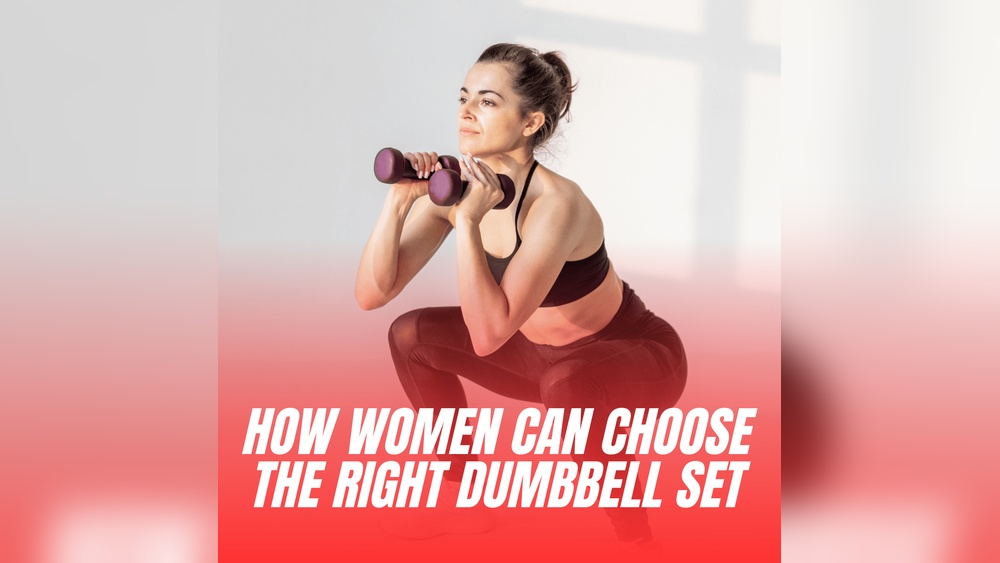
Are you wondering how much weight dumbbells women should use to get the best results? Choosing the right dumbbell weight can be confusing, but it’s key to making your workouts effective and safe.
Whether you’re just starting out or looking to boost your strength, knowing the right weight will help you avoid injury and see progress faster. Keep reading, and you’ll discover simple tips to pick the perfect dumbbells that match your fitness goals and level.
Your stronger, fitter self is closer than you think!
Choosing The Right Dumbbell Weight
Choosing the right dumbbell weight is key for safe and effective workouts. The correct weight helps build strength without causing injury. Using weights that are too heavy can strain muscles. Weights that are too light might not challenge you enough. Finding the balance improves progress and keeps you motivated.
Factors Influencing Weight Selection
Several factors affect the choice of dumbbell weight for women. Your fitness goals matter. For muscle toning, lighter weights with more repetitions work well. For building strength, heavier weights with fewer reps are better. Age and fitness experience also play roles. Beginners should start with lighter weights. Your body size and muscle condition influence weight choice too.
Assessing Current Strength Levels
Knowing your current strength helps pick the right dumbbells. Try lifting a weight that feels challenging but manageable. You should complete 8 to 12 repetitions with good form. If you finish easily, increase the weight. If you struggle or lose form, choose a lighter weight. Regularly test your strength to adjust weights as you improve.
Weight Recommendations By Fitness Goals
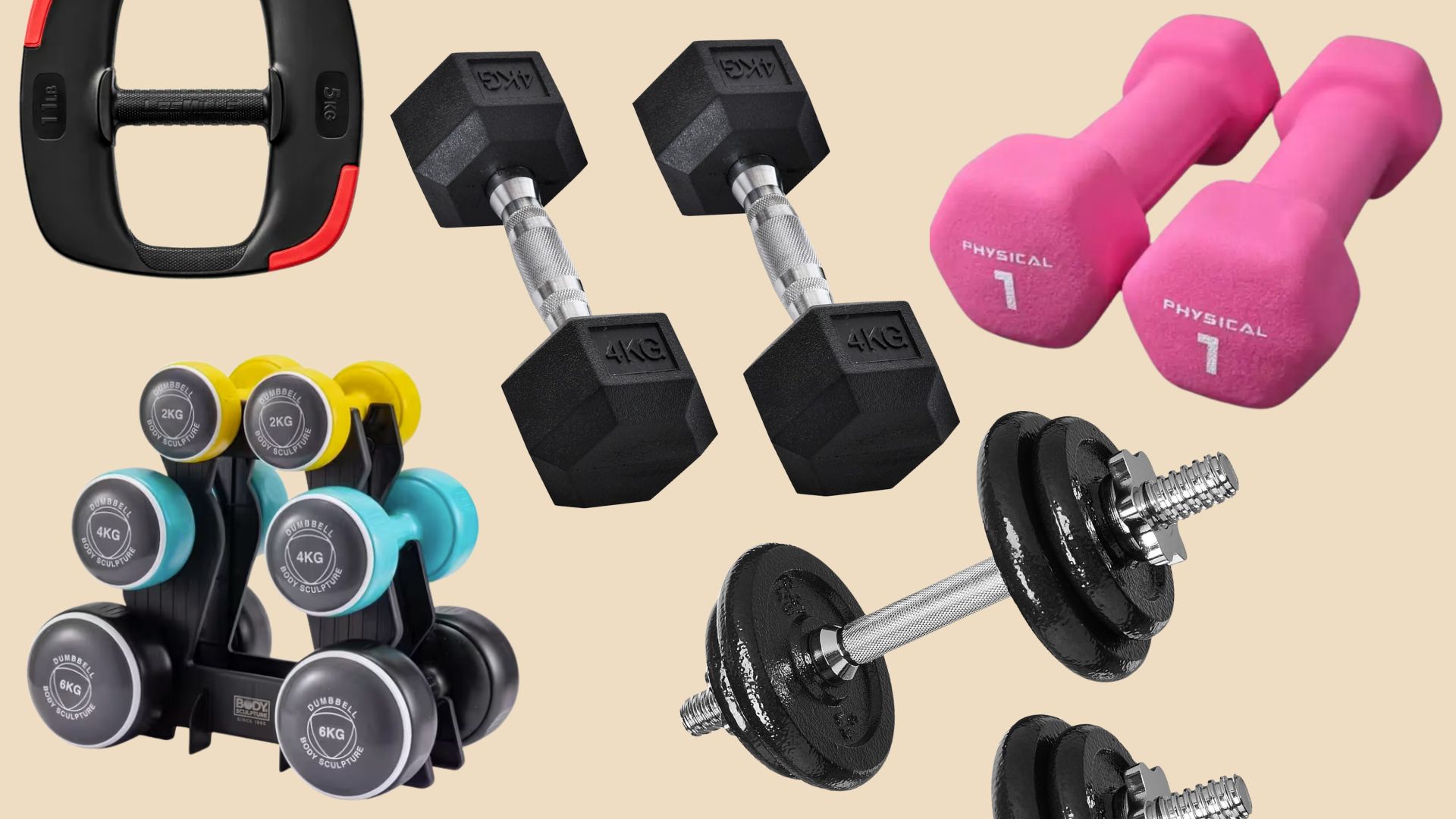
Choosing the right dumbbell weight depends on your fitness goal. Different goals require different weights. Using the correct weight helps you train better and avoid injuries. Here are some simple guidelines for women to follow based on their fitness aims.
Building Muscle Tone
For muscle tone, use light to medium weights. Start with 3 to 8 pounds. Pick a weight that lets you do 12 to 15 reps comfortably. The goal is to feel muscle tension without strain. This helps define muscles and improves shape.
Increasing Strength
For strength, select medium to heavy dumbbells. Use weights between 8 and 15 pounds. Choose a weight that allows 6 to 10 reps with effort. This challenges muscles and helps them grow stronger. Rest well between sets for best results.
Improving Endurance
Endurance training needs light weights. Pick 2 to 5 pounds dumbbells. Aim for 15 to 20 reps or more each set. This builds stamina and muscle endurance over time. Keep a steady pace and focus on smooth movements.
Starting Weights For Beginners
Starting with the right dumbbell weight is key for women new to strength training. Choosing the correct weight helps build strength safely. It also prevents injury and keeps workouts effective. Starting light allows the body to adapt and muscles to grow stronger over time.
Lightweight Options
For beginners, dumbbells between 2 to 5 pounds work well. These weights offer enough resistance without causing strain. They help develop muscle control and coordination. Using lighter weights first improves confidence and technique. As strength increases, women can gradually add more weight.
Proper Form And Technique
Good form is crucial when lifting dumbbells. It protects joints and muscles from harm. Begin with slow, controlled movements to focus on posture. Keep the back straight and core engaged. Avoid swinging the weights or using momentum. Practicing proper technique builds a strong foundation for progress.

Credit: www.womenshealthmag.com
Progressing Safely
Progressing safely with dumbbell weights is key for women to build strength without injury. Gradual increases help the body adjust and grow stronger. Pushing too hard too fast can cause pain or setbacks. Knowing the right time to increase weight and spotting signs of overtraining keeps workouts effective and safe.
When To Increase Weight
Increase dumbbell weight when exercises feel easier. Finish your sets with good form and little effort. If you can do more than 12 reps easily, try a heavier weight. Small jumps in weight prevent strain. Listen to your body and move up only when ready.
Signs Of Overtraining
Overtraining shows as constant muscle soreness or joint pain. Feeling very tired or weak during workouts is a warning. Poor sleep and mood changes can also happen. If progress stops or you dread exercising, it may be time to rest. Take breaks and reduce weights to avoid injury.
Common Dumbbell Exercises For Women
Dumbbells are a simple tool to build strength and tone muscles. Women can use them for many exercises. These exercises target different body parts. They help improve muscle shape and overall fitness.
Choosing the right dumbbell weight is key. Start light to learn form. Increase weight as strength grows. Focus on control and steady movements.
Upper Body Workouts
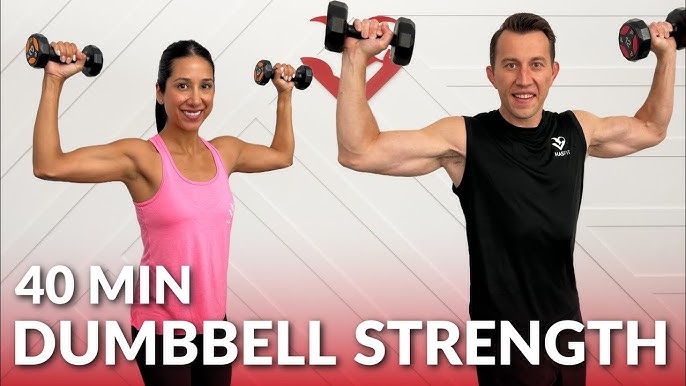
Dumbbells work well for arms, shoulders, and back. Try bicep curls to tone arms. Shoulder presses build strong shoulders. Bent-over rows strengthen the upper back. These moves improve posture and arm shape.
Lower Body Workouts
Legs and glutes get stronger with dumbbells. Squats with dumbbells add resistance. Lunges improve balance and leg muscles. Deadlifts help the hamstrings and lower back. These exercises shape legs and support daily activities.
Full Body Routines
Full body workouts save time and burn calories. Combine dumbbell squats with shoulder presses. Add dumbbell swings for cardio and strength. These routines engage many muscles at once. They boost fitness and build muscle faster.
Credit: www.youtube.com
Incorporating Dumbbells Into Workout Plans
Dumbbells are a great tool for women to build strength and tone muscles. They are easy to use and fit well into many workout routines. Adding dumbbells helps target different muscle groups and improves overall fitness. You can adjust the weight to match your strength and goals. This makes dumbbell training flexible and effective for beginners and experienced exercisers alike.
Using dumbbells regularly boosts muscle growth and endurance. It also helps improve balance and coordination. Dumbbells allow for a wide range of exercises, from arm curls to full-body moves. This variety keeps workouts interesting and challenging. Planning your dumbbell workouts carefully ensures steady progress and reduces the risk of injury.
Frequency And Volume
Plan your dumbbell workouts 2 to 4 times each week. This schedule gives muscles enough time to rest and recover. Aim for 2 to 3 sets of each exercise. Each set should include 8 to 12 repetitions. This range helps build strength and muscle tone effectively. Start with lighter weights to learn proper form. Gradually increase weight as your strength improves. Consistency is key to see lasting results.
Balancing With Other Training
Combine dumbbell exercises with cardio and flexibility workouts. Cardio improves heart health and burns calories. Flexibility training keeps muscles loose and prevents stiffness. Balance your week with different workout types. This approach supports overall fitness and reduces boredom. Avoid focusing only on dumbbells to prevent muscle imbalances. A well-rounded plan promotes better health and fitness gains.
Avoiding Injuries
Injuries can stop progress and cause pain. Avoiding injuries is key for any woman using dumbbells. Safe workouts help build strength without harm. Focus on simple steps to protect your body.
Proper Warm-up Techniques
Warming up prepares muscles for exercise. Start with light cardio like walking or jogging. Move arms and legs gently to increase blood flow. Do dynamic stretches to loosen joints. Warm muscles reduce risk of strains and tears.
Using Correct Posture
Good posture keeps the body safe during workouts. Stand tall with shoulders back and chest up. Keep your core tight to support your spine. Avoid bending your back or locking your knees. Proper form lowers the chance of injury and improves results.
Credit: www.womanandhome.com
Frequently Asked Questions
What Dumbbell Weight Is Best For Beginner Women?
Beginner women should start with 3 to 5-pound dumbbells. This weight helps build strength without risking injury. Gradually increase weight as strength improves for better results.
How To Choose Dumbbell Weight For Women’s Workouts?
Choose dumbbells that allow 12-15 reps with good form. If it feels too easy or hard, adjust weight accordingly. Balance challenge and comfort for optimal strength gains.
Can Women Use Heavy Dumbbells Safely?
Yes, women can safely use heavy dumbbells with proper technique. Start light, focus on form, and increase weight gradually. Consulting a trainer helps prevent injuries and ensures correct lifting.
How Often Should Women Increase Dumbbell Weight?
Increase dumbbell weight every 2-4 weeks based on strength progress. When exercises become easy, add 1-2 pounds to maintain muscle growth. Consistent progression improves fitness efficiently.
Conclusion
Choosing the right dumbbell weight helps women build strength safely. Start with lighter weights to learn good form. Gradually increase weight as muscles get stronger. Consistency matters more than lifting heavy quickly. Listen to your body and avoid pain. Regular exercise with proper weights improves health and confidence.
Keep track of progress and adjust weights as needed. Small steps lead to steady improvement. Stay patient and enjoy the workout journey.