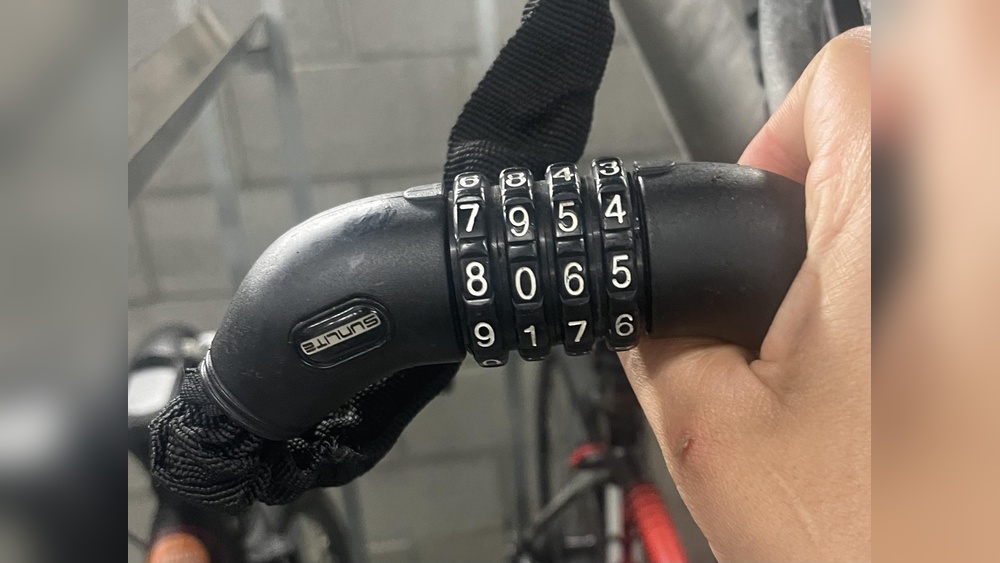
Have you ever found yourself stuck with a bike lock wire that just won’t budge? Whether you lost your key or need to free your bike quickly, knowing how to cut a bike lock wire can save you time and frustration.
You’ll discover simple, effective methods to tackle this problem safely and efficiently. Keep reading, because by the end, you’ll have the confidence and know-how to handle any stubborn bike lock wire with ease.

Credit: www.youtube.com
Tools For Cutting Bike Lock Wires
Cutting a bike lock wire requires the right tools. Each tool has its strengths and limits. Choosing the proper tool depends on the lock type and wire thickness. Safety is important when using cutting tools. Always wear protective gear and handle tools carefully.
Bolt Cutters
Bolt cutters are strong and easy to use. They have long handles for extra power. They work best on thin to medium bike lock wires. Bolt cutters can cut quickly with less effort. They are portable and suitable for most bike locks.
Angle Grinder
An angle grinder uses a spinning disc to cut metal. It works well on thick or hardened lock wires. This tool cuts fast but needs care to avoid damage. It requires a power source and safety equipment. Use it outside or in a well-ventilated area.
Hacksaw
A hacksaw is a hand tool with a sharp blade. It can cut through most bike lock wires slowly. It needs steady hands and patience. Hacksaws are quiet and do not need electricity. They are good for small jobs or emergencies.
Wire Cutters And Pliers
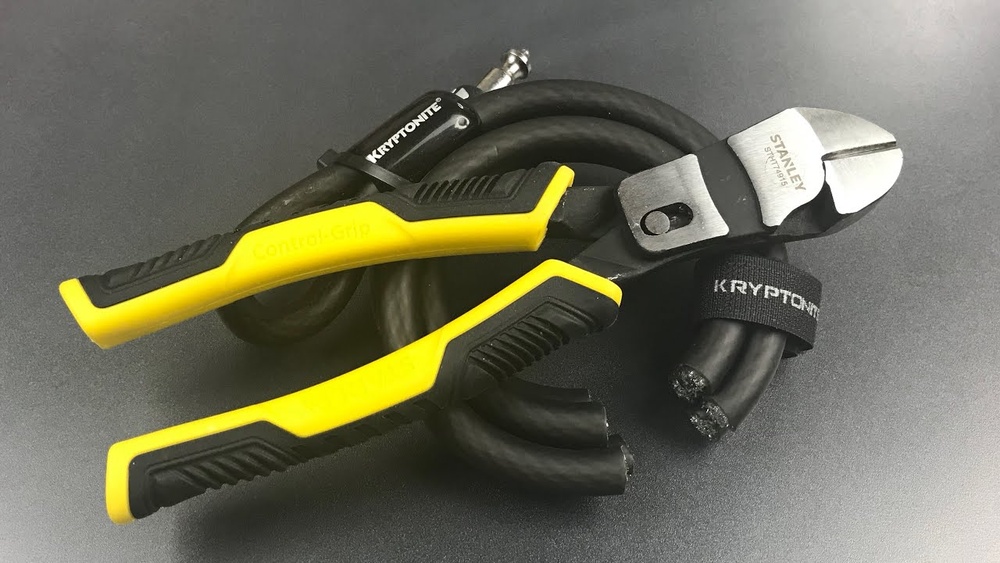
Wire cutters and pliers are useful for thin wires only. They are small and easy to carry. These tools work best for light locks or cables. They need more effort than bolt cutters. They are a simple choice for quick fixes.
Safety Tips Before Cutting
Cutting a bike lock wire can be tricky and risky. Safety is the top priority before you start. Taking simple steps can protect you from harm and legal trouble. Follow these safety tips to stay safe and smart.
Wear Protective Gear
Always wear gloves to protect your hands from sharp edges. Use safety glasses to shield your eyes from flying metal bits. Long sleeves can prevent cuts on your arms. Dress properly to avoid injuries while cutting.
Check Surroundings
Look around for people nearby to avoid accidents. Make sure the area is clear and well-lit. Avoid cutting in crowded or unsafe places. Keep a safe distance from others while working.
Legal Considerations
Confirm you have permission to cut the lock. Cutting someone else’s lock without consent is illegal. Know the local laws about property and lock cutting. Always act within the law to avoid trouble.
Step-by-step Cutting Techniques
Cutting a bike lock wire requires the right tools and clear steps. Each method suits different types of locks and wire thickness. This guide breaks down simple techniques anyone can follow. Choose the best tool for your lock and proceed carefully. Safety matters most during all cutting tasks.
Using Bolt Cutters Effectively
Bolt cutters are strong and easy to use on thick wires. Place the lock wire between the jaws. Hold the handles firmly. Pull the handles together with steady force. Repeat if the wire does not cut at once. Use gloves to protect your hands from pinches.
Grinding Through With An Angle Grinder
An angle grinder works well on very tough or thick lock wires. Secure the bike lock so it does not move. Wear safety glasses and ear protection. Turn on the grinder and slowly press the blade against the wire. Move the grinder evenly to avoid sparks. Stop once the wire is cut through.
Sawing With A Hacksaw
A hacksaw is a good choice for medium-thick wires. Hold the hacksaw firmly with both hands. Place the blade on the wire at a 45-degree angle. Use slow, steady strokes back and forth. Continue until the wire breaks. Keep the blade straight to avoid bending it.
Cutting Thin Wires With Pliers
Thin wires need simple pliers with a cutting edge. Open the pliers and position the wire near the cutting part. Squeeze the handles tightly to cut the wire. This method works best on light wires only. Avoid forcing thick wires; use stronger tools instead.
Common Challenges And Solutions
Cutting a bike lock wire can be tough due to many challenges. Knowing common problems helps you prepare and act safely. Understanding these issues makes the task easier and prevents damage.
Dealing With Hardened Steel
Many bike locks use hardened steel to stop cutting. This metal is very strong and hard to break. Use heavy-duty bolt cutters designed for steel wires. Apply steady pressure, not quick force. Try cutting the lock in small sections for better results.
Handling Thick Or Braided Cables
Thick cables have many steel strands twisted together. Braided cables are harder to cut because strands spread out. Use sharp, strong cutters made for thick wires. Cut slowly and focus on one spot at a time. Repeat cuts if the cable does not break immediately.
Avoiding Damage To Your Bike
Cutting too close to the bike frame can cause scratches or dents. Keep the cutters away from the bike parts. Protect the frame with cloth or rubber before cutting. Work carefully and use slow, precise movements for safety.
Preventing Lock Damage In Future
Preventing damage to your bike lock saves time and money. A strong lock lasts longer and keeps your bike safe. Taking simple steps helps avoid problems with cutting tools and wear. Protect your lock by making smart choices and caring for it well. This section covers how to keep your lock in good shape for years.
Choosing The Right Lock
Select a lock made from tough materials like hardened steel. Look for locks with thick cables or chains. Thin wires break easily and invite cutting attempts. A lock with a good security rating works better. Choose a lock that matches where you park your bike. High-risk areas need stronger locks. Buy from trusted brands with good reviews. A good lock is a smart first step to prevent damage.
Proper Lock Maintenance
Keep your lock clean and dry to avoid rust. Rust weakens the metal and makes cutting easier. Use oil or lubricant on the keyhole and moving parts. It keeps the lock smooth and hard to break. Check your lock often for signs of wear or damage. Replace it if you see rust or broken parts. Store your lock inside when not in use. Proper care extends the life of your lock and keeps it strong.
Credit: www.reddit.com

Credit: www.reddit.com
Frequently Asked Questions
What Tools Are Best For Cutting A Bike Lock Wire?
Bolt cutters are the most effective tools for cutting bike lock wires. They provide strong leverage and clean cuts. For thinner wires, heavy-duty wire cutters or angle grinders can also work well. Always prioritize safety and use protective gear when cutting locks.
How Can I Safely Cut A Bike Lock Wire?
Wear safety glasses and gloves to protect from flying debris. Secure the lock firmly before cutting. Use the right tool for the lock’s thickness. Cut slowly and steadily to avoid accidents. Ensure you have permission to cut the lock to avoid legal issues.
How Long Does It Take To Cut A Bike Lock Wire?
Cutting time depends on the lock’s thickness and tool used. Thin wires may take just a few seconds with wire cutters. Thick or hardened locks can take several minutes with bolt cutters or an angle grinder. Patience and proper tools ensure efficient cutting.
Can I Cut A Bike Lock Wire Without Damaging My Bike?
Yes, by using precision tools like bolt cutters and working carefully, you can avoid damage. Protect the bike frame with a cloth or padding near the lock. Cutting slowly and keeping the tool steady helps prevent accidental scratches or dents.
Conclusion
Cutting a bike lock wire takes the right tools and care. Always choose strong wire cutters for the best results. Safety matters—wear gloves and protect your eyes. Take your time to avoid damage to your bike. Practice makes the process easier and quicker.
Knowing how to cut a bike lock wire can save time in emergencies. Remember to respect property and use this skill responsibly. Stay prepared and confident when handling bike locks.