Have you ever picked up a dumbbell and wondered exactly how its weight is calculated? Knowing this can help you choose the right dumbbell for your workouts and track your progress better.
Understanding the simple math behind dumbbell weight can make your fitness routine smarter and more effective. Keep reading to discover how dumbbell weight is measured and why it matters for your training goals.
Basics Of Dumbbell Weight
Dumbbells are common tools for strength training. Their weight affects workout intensity and results. Understanding how dumbbell weight is calculated helps in choosing the right one. It also ensures safety during exercise.
Different types of dumbbells have different weight systems. Knowing these types helps in picking the best dumbbell for your needs. The weight is usually shown on the dumbbell itself or its packaging.
Types Of Dumbbell Weights
Fixed dumbbells have a set weight. They cannot be changed or adjusted. Users select from various fixed weights for different exercises.
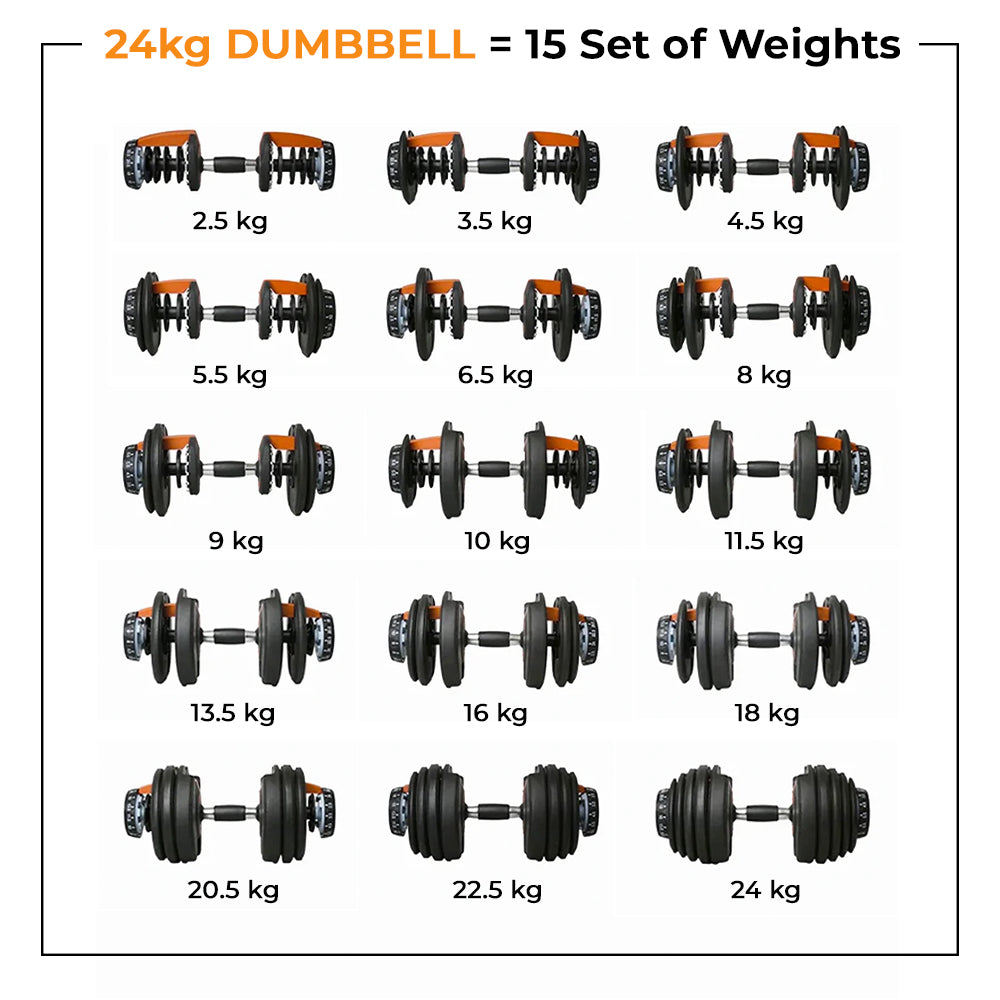
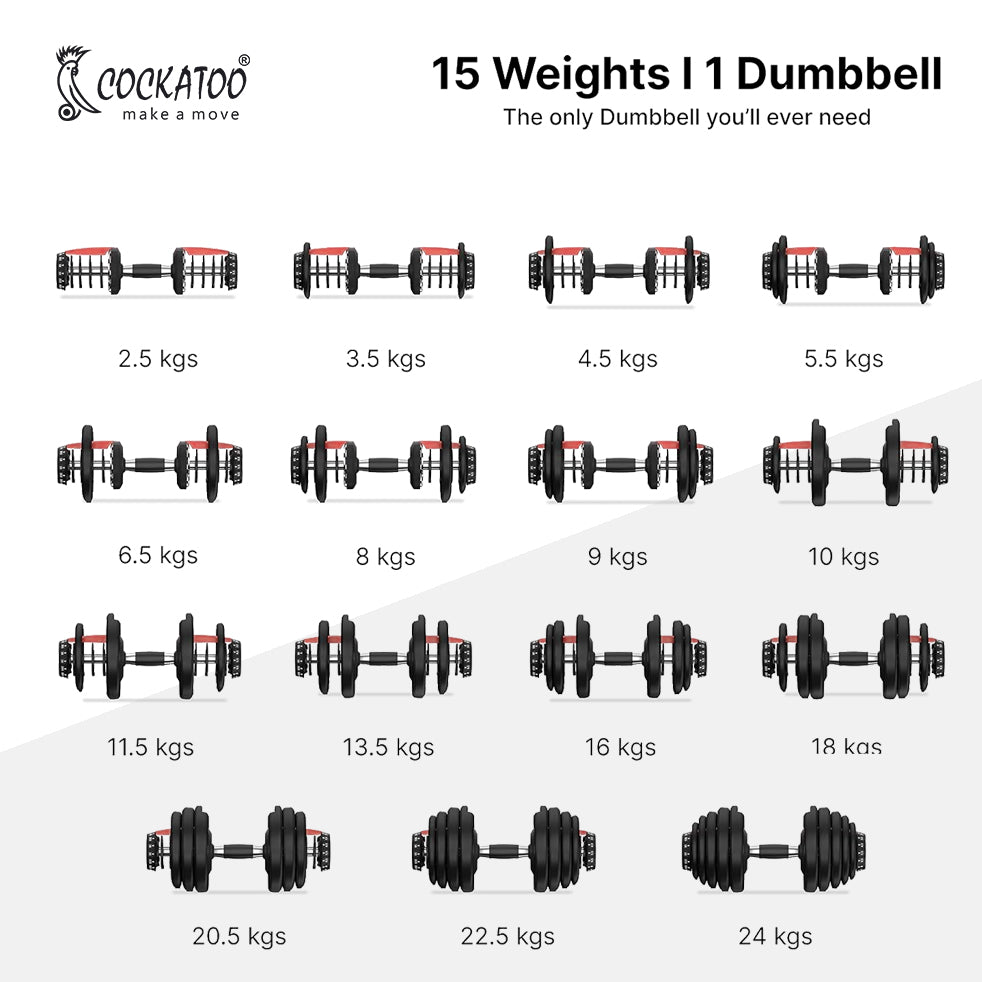
Adjustable dumbbells allow changing the weight. They use plates or dials to add or remove weight. This makes them versatile and space-saving.
Selectorized dumbbells come with a pin or dial system. You select the weight by turning a dial or moving a pin. This type offers quick weight changes during workouts.
Units Of Measurement
Dumbbell weight is measured in pounds (lbs) or kilograms (kg). Pounds are common in the United States. Kilograms are used in most other countries.
1 kilogram equals about 2.2 pounds. Knowing this helps in converting and comparing weights. Many dumbbells show both units for clarity.
Choosing the right unit depends on your location and gym standards. Some gyms use a mix of both units. Always check the unit before starting your workout.
Factors Affecting Weight Calculation
Calculating the weight of a dumbbell involves more than just the numbers on the side. Several factors influence how the weight is determined. Understanding these factors helps you choose the right dumbbell for your workouts. The main elements include the material used and the size and shape of the dumbbell.
Material Density
The type of material affects the dumbbell’s weight significantly. Dense materials like steel or iron are heavier in smaller sizes. Lighter materials like plastic or rubber-coated ones weigh less. Manufacturers use different materials to balance cost, durability, and feel. This choice changes how much the dumbbell weighs even if it looks similar in size.
Dumbbell Size And Shape
The size and shape also change the dumbbell’s weight. Larger dumbbells usually weigh more, but the shape matters too. Compact dumbbells pack weight into a smaller space. Longer handles or wider plates spread out the weight differently. These design factors influence the final weight and how comfortable the dumbbell feels in your hand.
Step-by-step Weight Calculation
Calculating the weight of a dumbbell involves a clear process. This process helps to understand how manufacturers decide the exact weight. It also helps fitness lovers know what goes into the dumbbell’s weight. The calculation uses simple measurements and material properties. Let’s break down the steps to see how it works.
Measuring Dimensions
First, measure the dumbbell’s parts. Measure the length, width, and height of each section. These parts include the handle and the weights on each side. Use a ruler or tape for accuracy. Write down all measurements in centimeters or inches. These measurements form the base for the next step.
Calculating Volume
Next, calculate the volume using the measurements. Multiply length by width and height. This gives the volume of each part. Add the volumes of the handle and the weights together. The total volume shows how much space the dumbbell takes. Volume is important because it relates to weight.
Applying Material Density
Finally, apply the density of the material. Density means how much mass fits in a volume. Common dumbbell materials include iron, steel, or rubber. Each material has a different density. Multiply the total volume by the material’s density. The result is the dumbbell’s weight in kilograms or pounds.
Credit: www.theflexnest.com
Using Weight Labels And Markings
Using weight labels and markings is the easiest way to know a dumbbell’s weight. These labels are on the dumbbell itself. They give you clear numbers to tell how heavy the dumbbell is. Understanding these labels helps you pick the right weight for your workout.
Manufacturers print or engrave the weight on the dumbbell. This lets you quickly check the weight without guessing. The labels usually show pounds or kilograms. Some dumbbells show both units for easy reading.
Reading Manufacturer Labels
Look for numbers on the dumbbell’s handle or plates. These numbers represent the weight. They are often in bold and easy to see. Some dumbbells have stickers, while others have engraved markings.
Check if the number is in pounds (lbs) or kilograms (kg). This helps avoid confusion when choosing weights. Some dumbbells use round numbers like 10, 15, or 20. Others may have smaller increments for fine-tuning your load.
Verifying Weight Accuracy
Sometimes, labels may not be exact. Manufacturers can have small differences in weight. Use a scale to check the dumbbell’s true weight. This helps confirm the label’s accuracy.
Weighing dumbbells ensures you lift the right amount. Small errors may change your workout results. If the weight is off, adjust your routine or choose a different dumbbell.
Tools And Techniques For Measurement
Measuring the weight of a dumbbell involves precise tools and methods. Accurate measurement helps in fitness planning and progress tracking. Different tools offer varied accuracy and ease of use. Here are two common tools and techniques used for this purpose.
Using Scales
Scales provide the most direct way to measure dumbbell weight. Digital scales offer quick and precise readings. Mechanical scales also work well, but may need calibration. Place the dumbbell carefully on the scale platform. Read the weight displayed and note it down. This method suits most home and gym settings.
Measuring Tape And Calipers
Measuring tape and calipers help estimate dumbbell weight by size. Measure the diameter and thickness of the dumbbell plates. Use calipers for exact thickness measurements. Then, compare these measurements with manufacturer charts. This method is useful if scales are unavailable. It requires basic math skills and attention to detail.

Credit: www.wikihow.com
Common Mistakes To Avoid
Calculating dumbbell weight may seem simple but many make common mistakes. These errors lead to wrong weight numbers and affect workouts. Avoid these issues to measure dumbbell weight accurately. Understanding these mistakes helps you get the right equipment for your fitness goals.
Ignoring Material Variations
Dumbbells come in different materials like iron, rubber, or plastic. Each material has a different density. Assuming all dumbbells of the same size weigh the same causes errors. For example, a rubber dumbbell might weigh less than an iron one of the same size. Always check the material type before calculating weight. This step ensures more accurate measurements.
Incorrect Measurement Methods
Using the wrong tools or methods to measure dumbbell weight causes mistakes. Some people guess the weight instead of using a scale. Guessing leads to inaccurate numbers. Use a precise scale for the best results. Also, measure when the dumbbell is clean and dry. Dirt or moisture can add small weight, causing errors.
Adjusting Weight For Training Needs
Adjusting dumbbell weight is key for effective training. Changing the weight helps match your strength and goals. This adjustment keeps workouts safe and productive. It also helps avoid injury and builds muscle steadily.
Incremental Weight Changes
Small weight steps allow smooth progress. Increase dumbbell weight by a little at a time. This helps your muscles adapt without strain. Many dumbbells come with plates in small increments. This design lets you add or remove weight easily.
Use increments that fit your current strength. A 2.5 or 5-pound change is common. This method keeps your training consistent and balanced. It prevents sudden jumps that may cause injury.
Customizing Dumbbell Loads
Custom loads fit your unique training needs. Adjustable dumbbells let you pick the exact weight. This feature suits beginners and advanced users alike. Customize weight for different exercises and muscle groups.
Start with lighter weights for warm-ups and higher reps. Increase weights for strength training or fewer reps. Changing loads helps target various fitness goals. It keeps your routine fresh and challenging.
Credit: www.liftingitalia.com
Frequently Asked Questions
How Is Dumbbell Weight Measured?
Dumbbell weight is measured by the total mass of its components. This includes the handle and weight plates. The weight is usually marked in pounds or kilograms. Manufacturers use precise scales to ensure accuracy. This helps users select the right weight for their workout.
What Factors Affect Dumbbell Weight Calculation?
Factors include the material type, handle size, and plate weight. Different metals have different densities impacting total weight. Adjustable dumbbells combine plate weights and handle mass. Accurate calculation ensures proper resistance during exercises. This is crucial for safety and effectiveness.
How Do Manufacturers Ensure Dumbbell Weight Accuracy?
Manufacturers use calibrated scales during production. Each dumbbell is weighed individually for consistency. Quality control checks prevent weight discrepancies. Precise weight ensures reliable workout intensity. This enhances user confidence and training results.
Why Is Dumbbell Weight Important For Workouts?
Dumbbell weight determines exercise resistance and muscle engagement. Proper weight selection prevents injury and improves performance. It helps track progress and strength gains. Choosing the right weight optimizes workout efficiency. This leads to better fitness outcomes.
Conclusion
Calculating dumbbell weight is simple once you know the parts. Each side adds weight to the total. The handle also has its own weight. Adding these together gives the full dumbbell weight. Understanding this helps you pick the right dumbbell.
It makes your workouts safer and better. Now, you can choose weights with confidence. Keep practicing and adjusting for your strength level. Dumbbells become easier to use with clear knowledge. Enjoy your fitness journey!


