You’ve packed your gear, found the perfect spot, and your bike is ready for an adventure. But how do you make sure your bike stays safe while you enjoy your camping trip?
Knowing how to lock bike camping properly can save you from stress and loss. In this guide, you’ll discover simple, effective ways to protect your bike so you can focus on the fun ahead. Keep reading to learn the best tips that every bike camper should know.
Choosing The Right Bike Lock
Choosing the right bike lock is key for bike camping security. Your bike stays safe while you rest or explore. A good lock fits your trip needs and keeps your bike secure.
Types Of Bike Locks
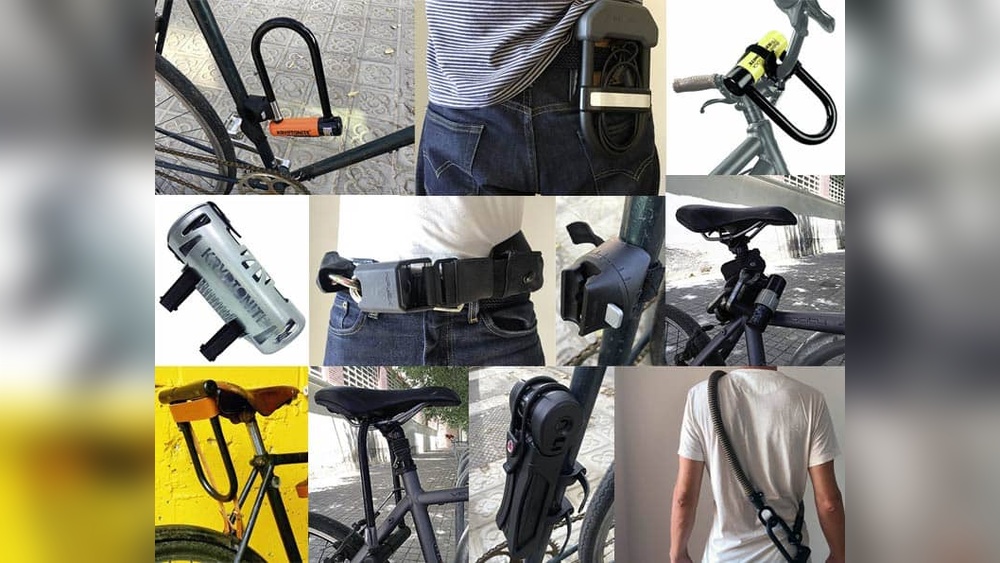
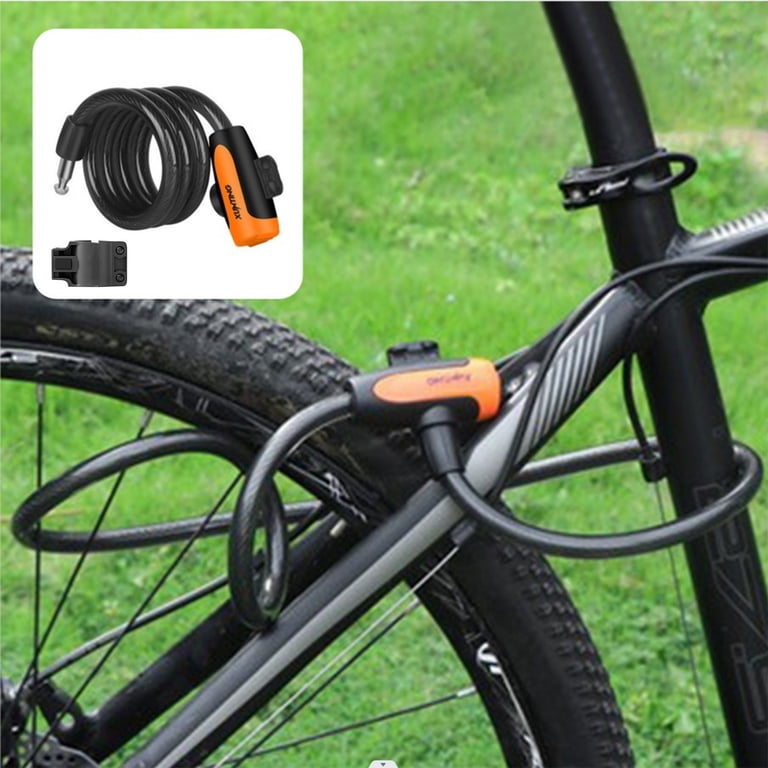
U-locks are strong and hard to break. They work well in many situations. Cable locks are light and flexible but less secure. Chain locks are heavy but very tough. Folding locks fold small and are easy to carry. Pick a lock type that suits your trip style and safety needs.
Materials And Durability
Steel locks resist cutting and sawing. Hardened steel is best for strong protection. Cheap metals break easily and do not protect well. Look for locks with thick, solid materials. Good locks last long and keep thieves away.
Lock Size And Weight Considerations
Heavy locks add weight to your gear. Light locks are easy to carry but less strong. Choose a lock size that fits your bike frame. Balance weight and security for better camping comfort. Carrying a lock you can manage helps a lot on trips.
Credit: powunity.com
Effective Locking Techniques
Effective locking techniques keep your bike safe during camping trips. A good lock and smart methods stop thieves from taking your bike. Use locks that fit your bike and camping spot well. Locking right helps you enjoy your trip with less worry.
Securing To Fixed Objects
Always lock your bike to a solid, fixed object. Choose poles, bike racks, or strong fences that cannot move. Avoid trees or thin posts that thieves can cut or break. Make sure the object is tall enough to hold the bike upright.
Check that the lock goes through the frame and the object. This prevents lifting or sliding the bike away. A secure anchor point makes stealing very hard.
Locking Both Frame And Wheels
Thieves often steal wheels if only the frame is locked. Use a second lock or a cable to secure the wheels. Lock the front wheel and frame together or the rear wheel and frame.
This method reduces the chance of parts being stolen. It keeps your whole bike safe, not just the main body. Always lock the strongest parts of your bike.
Avoiding Common Locking Mistakes
Do not lock your bike by only the front wheel. The wheel can be removed and stolen quickly. Avoid leaving your lock loose or on the ground. Thieves can use tools easily with a loose lock.
Do not use cheap locks that break easily. Choose locks made of hardened steel for better protection. Check your lock regularly for wear and tear. Replace weak locks before your trip.
Selecting Safe Camping Spots
Choosing a safe spot for bike camping is important. It helps protect your bike and gear. A good camping spot can keep you calm and secure at night. Think about the area around you and how easy it is to watch your bike.
High-traffic Areas
Camping near paths or roads with many people passing by can be safer. Thieves avoid busy places because they might get caught. Your bike stays in sight, and you stay near help if needed. Choose spots where you can see others often.
Well-lit Locations
Bright areas scare off thieves and wild animals. Lighting makes it easy to check your bike anytime. Camp near street lamps or places with natural light at night. A well-lit spot helps you feel safer after dark.
Using Natural Barriers
Use trees, rocks, or hills to block access to your bike. Natural barriers make it hard for someone to get close without being noticed. Position your bike where these barriers protect it from view. This adds an extra layer of security around your camp.
Using Additional Security Measures
Using extra security measures can greatly protect your bike during camping trips. These tools and methods help reduce the risk of theft. They add layers of defense that make your bike less attractive to thieves. Simple steps can make a big difference in keeping your bike safe.
Alarm Systems And Gps Trackers
Alarm systems alert you if someone touches your bike. They create noise to scare off thieves quickly. Some alarms connect to your phone for instant alerts. GPS trackers help find your bike if it gets stolen. They use satellite signals to show the bike’s location. Both tools work well together to keep your bike safe.
Covering Your Bike
Covering your bike hides it from view. Thieves often avoid bikes they cannot see. Use a simple bike cover or tarp. Choose a cover that fits well and blends with the environment. This prevents unwanted attention and protects your bike from weather too.
Marking And Registering Your Bike
Mark your bike with a unique ID or code. Use permanent markers or engraving tools. This makes it harder for thieves to sell your bike. Register your bike with local or online databases. Registration helps police find your bike if stolen. It also proves ownership clearly and quickly.
Maintaining Your Lock And Bike
Keeping your bike and lock in good shape is key to safe bike camping. A well-maintained lock works smoothly and keeps your bike secure. Your bike stays reliable and ready for adventure.
Simple care steps help your gear last longer. Check your lock and bike often. Clean and protect parts from dirt and rust. Store your bike carefully when not in use.
Regular Lock Inspection
Check the lock for damage or wear before every trip. Look for cracks, rust, or broken parts. Test the key or combination to ensure it works easily. Replace the lock if it shows signs of failure. A strong lock prevents theft and gives peace of mind.
Cleaning And Lubrication
Remove dirt and dust from the lock and bike regularly. Use a soft cloth and mild cleaner for the lock surface. Apply lubricant to the lock mechanism to keep it smooth. Clean your bike frame, chain, and gears after rides. Lubricate the chain to avoid rust and wear. Clean gear parts improve performance and lifespan.
Storing Your Bike Overnight
Choose a safe, dry place to store your bike overnight. Avoid damp areas to prevent rust. Use a cover to protect it from weather and dust. Lock your bike securely to a fixed object. Keep the lock off the ground to avoid dirt. Proper storage keeps your bike ready for the next ride.
Credit: bicycletouringpro.com
Credit: www.walmart.com
Frequently Asked Questions
How Do I Secure My Bike During Camping?
Use a strong U-lock or chain lock to secure your bike frame and wheels. Lock it to a fixed, immovable object. Choose a well-lit, visible spot to deter thieves during camping.
What Type Of Lock Is Best For Bike Camping?
Heavy-duty U-locks and hardened steel chain locks offer the best protection. Avoid cable locks, as they are easier to cut. A combination of locks increases security during bike camping trips.
Where Should I Lock My Bike While Camping?
Lock your bike to a sturdy, fixed object like a bike rack or tree. Avoid locking to objects that can be easily dismantled or cut. Always choose a visible location to prevent theft.
Can I Lock My Bike Inside A Tent Or Shelter?
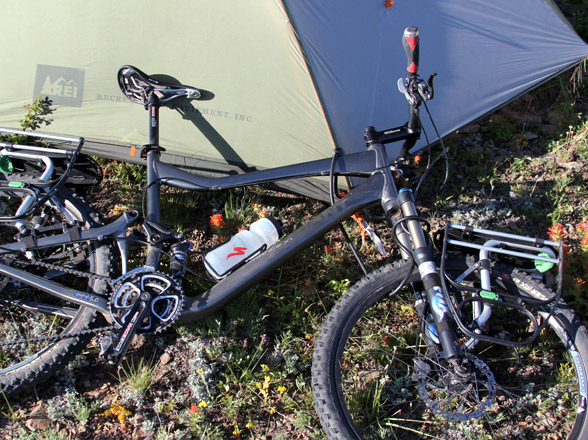
It’s not recommended to lock your bike inside a tent. Tents offer little security and are easy to access. Use a lock outside in a secure area for better protection.
Conclusion
Securing your bike while camping keeps it safe and gives you peace. Use strong locks and attach your bike to solid objects. Choose well-lit and busy areas to park your bike. Always double-check your lock before leaving. Small efforts can prevent big losses.
Remember, safety starts with good habits. Enjoy your bike camping trip without worry. Stay smart, stay safe.