
Have you ever picked up a dumbbell and wondered what makes its weight feel just right for your workout? Understanding how dumbbell weights work can change the way you train and help you reach your fitness goals faster.
Whether you’re lifting to build muscle, tone your body, or simply stay active, knowing the basics behind dumbbell weights puts you in control. Keep reading, and you’ll discover simple secrets that can make every rep count and boost your results like never before.
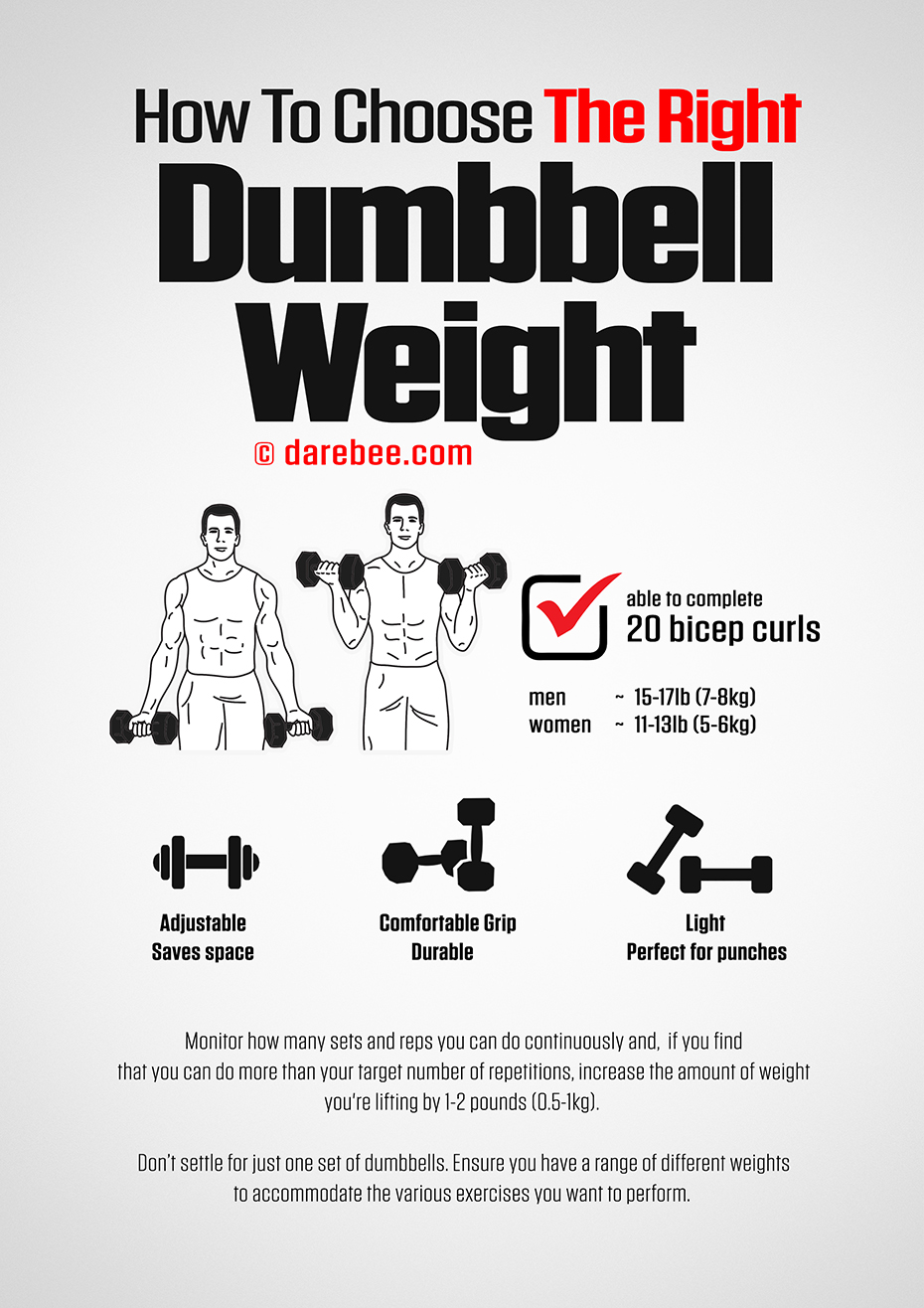
Credit: darebee.com
Dumbbell Weight Basics
Dumbbells are simple tools for strength training. Knowing the basics of dumbbell weights helps you choose the right set. Understanding their types, materials, and weight units makes workouts safer and more effective.
This section explains the core ideas behind dumbbell weights. It breaks down important points to help beginners and regular users alike.
Types Of Dumbbell Weights
Dumbbells come in fixed and adjustable types. Fixed dumbbells have a set weight and are easy to use. Adjustable dumbbells let you change the weight by adding or removing plates. This option saves space and money. Each type fits different workout needs and goals.
Material And Construction
Dumbbells are made from metal, plastic, or rubber. Metal dumbbells are durable and heavy. Rubber-coated dumbbells protect floors and reduce noise. Plastic dumbbells are lighter and often filled with concrete. The choice of material affects comfort and use.
Weight Measurement Units
Dumbbell weights are measured in pounds (lbs) or kilograms (kg). Pounds are common in the United States. Kilograms are used in most other countries. Knowing these units helps you pick the right weight for your strength level.
How Weight Affects Strength Training
Weight plays a key role in strength training with dumbbells. It influences how muscles work and grow. Choosing the right weight helps improve strength safely and effectively.
Using too little weight may not challenge your muscles enough. Using too much weight can cause poor form and injury. Finding the balance is important for progress.
Muscle Activation And Load
Muscle activation happens when muscles contract under load. Heavier weights cause more muscle fibers to work. This leads to better muscle growth and strength.
Light weights activate fewer muscle fibers. They are good for endurance but less effective for building strength. Using moderate to heavy weights triggers strong muscle responses.
Progressive Overload Principle
Progressive overload means gradually increasing weight or reps over time. This forces muscles to adapt and grow stronger. Without overload, muscles stay the same size and strength.
Start with a comfortable weight. Add small increases regularly. This steady challenge helps avoid plateaus and keeps muscles improving.
Balancing Weight And Repetitions
Balance weight and repetitions for best results. Heavy weights with fewer reps build strength. Lighter weights with more reps improve endurance.
Choose weight that allows proper form. Aim for 8 to 12 reps for strength and muscle growth. Adjust weight if you cannot complete reps correctly.
Choosing The Right Dumbbell Weight
Choosing the right dumbbell weight is key to effective workouts. Picking weights too heavy can cause injury. Too light, and you may not build strength. The right weight helps improve muscles safely and steadily. Understanding your body and goals guides your choice.
Assessing Your Fitness Level
Start by knowing your current strength. Beginners should select lighter weights. This helps learn proper form without strain. More experienced users can choose heavier dumbbells. Test weights by doing 8 to 12 reps. The last reps should feel challenging but doable.
Exercise-specific Weight Selection
Different exercises need different weights. Use lighter dumbbells for shoulder raises or curls. Heavier weights fit for squats or chest presses. Adjust weight depending on muscle groups worked. Choose a weight that matches the exercise’s difficulty.
Adjustable Vs Fixed Dumbbells
Adjustable dumbbells let you change weight quickly. They save space and money. Fixed dumbbells have one set weight. They are easier to use and last long. Choose adjustable for variety. Pick fixed for simplicity and durability.
Credit: www.businessinsider.com
Common Weight Misconceptions
Many people have wrong ideas about dumbbell weights. These ideas can stop you from getting the best results. Choosing the right weight is not about just picking the heaviest one. Understanding how dumbbell weight works helps you train smarter and safer.
Heavier Is Not Always Better
Lifting heavier dumbbells does not always mean better strength. Using too heavy weights can cause poor form and less control. Start with a weight you can lift with good technique. Gradually increase weight as your muscles grow stronger.
Importance Of Proper Form
Good form protects your body and helps muscles work well. Using the right weight helps keep your form correct. If the dumbbell is too heavy, your body may cheat. This can lead to weak muscles and slow progress.
Avoiding Injury Through Weight Choice
Choosing the right dumbbell weight reduces the risk of injury. Heavy weights strain muscles, joints, and tendons. Select a weight that challenges you but does not cause pain. Safe training leads to steady improvement and better health.
Maximizing Results With Dumbbells
Dumbbells are a simple but powerful tool for strength training. Using them right helps build muscle and burn fat effectively. To get the best results, it is important to use smart techniques and stay consistent.
Maximizing your workouts with dumbbells means focusing on variety, volume, and tracking progress. These steps keep your muscles challenged and help you improve over time.
Incorporating Dumbbell Variations
Change the exercises often to work different muscles. Try different grips, angles, and movements. This helps avoid plateaus and keeps workouts interesting. Variations also target smaller muscles and improve overall strength.
Combining Weight With Volume
Use the right weight that challenges you but allows good form. Increase the number of sets or reps to add volume. More volume with proper weight builds muscle faster. Balance weight and volume for best muscle growth and endurance.
Tracking Progress And Adjustments
Write down your weights, sets, and reps each workout. This helps see progress and know when to increase weight. Adjust your routine every few weeks to avoid stalling. Tracking keeps you motivated and focused on your goals.

Credit: trainingstation.co.uk
Frequently Asked Questions
How Do Dumbbell Weights Affect Muscle Growth?
Dumbbell weights create resistance that challenges muscles. Heavier weights promote muscle strength and size. Lighter weights improve endurance and tone. Proper weight selection ensures effective workouts and progress.
What Determines The Weight Of Dumbbells?
Dumbbell weight is determined by the material and design. Common materials include iron, steel, and rubber-coated plates. Adjustable dumbbells allow weight changes by adding or removing plates. Fixed dumbbells have a set, unchangeable weight.
How To Choose The Right Dumbbell Weight?
Choose a weight that feels challenging but allows proper form. Start with lighter weights and gradually increase. Consider your fitness level and workout goals. Testing different weights helps find the best fit.
Can Dumbbell Weight Impact Workout Safety?
Yes, using weights that are too heavy increases injury risk. Correct weight selection ensures control and proper technique. Gradual progression prevents strain and muscle damage. Always prioritize safety over lifting heavier weights.
Conclusion
Dumbbell weights help build strength and improve fitness. They come in different sizes to match your needs. Using the right weight is key to safe workouts. Small changes in weight can make a big difference. Consistent use improves muscle tone and endurance.
Remember to start light and increase slowly. Keep your form correct to avoid injury. Dumbbells are simple tools that offer great benefits. Try them regularly for steady progress in your fitness journey.


