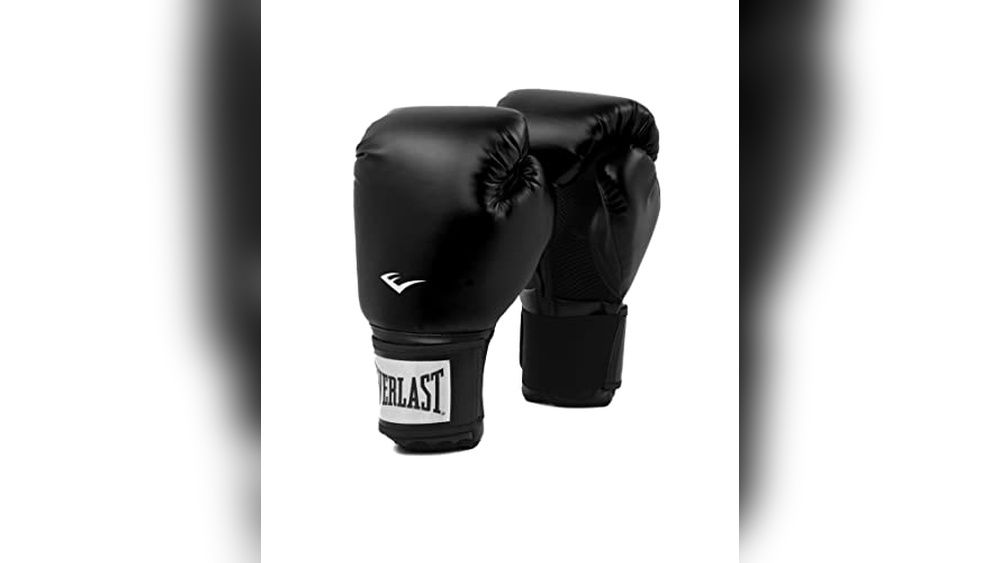
Have you ever wondered if smaller boxing gloves really hurt less? When you step into the ring, the size of your gloves can make a big difference—not just in how you hit, but in how much pain you feel.
You might think that smaller gloves mean less padding and more pain, but the truth isn’t that simple. Understanding how glove size affects impact can protect your hands and keep you fighting longer. Keep reading to discover what really happens when you choose smaller boxing gloves and how it could change your training or matches.
Glove Size And Impact Force
Glove size plays a key role in how punches feel and the impact force delivered. Smaller gloves often seem lighter and less bulky. This affects how the force spreads on impact. Understanding this helps explain why smaller gloves might hurt less or more.
The size changes the padding amount. More padding means more shock absorption. Less padding means a harder hit. This balance affects both the puncher and the one getting hit.
How Glove Size Affects Cushioning
Smaller gloves have less padding. This means less cushioning between the fist and the opponent. The impact force is more focused on a smaller area. Larger gloves spread the force over a bigger surface. This reduces the sharpness of each hit.
More padding also protects the wearer’s hand better. Smaller gloves offer less protection. This can increase injury risk for the puncher.
Comparing Weight Distribution
Heavier gloves distribute weight evenly across the hand. This helps control punches and absorb force better. Lighter gloves concentrate weight near the knuckles. This can increase the impact force felt by the opponent.
Weight also affects how long a punch can be thrown without tiring. Larger gloves can slow down punches but offer better force control.
Effect On Punch Speed And Power
Smaller gloves allow faster punches. Less padding means less resistance in the air. Faster punches can feel stronger even if the raw force is the same. Larger gloves slow punches but increase the hitting surface area.
The power behind a punch depends on speed and weight behind the fist. Smaller gloves may increase speed but reduce safety. Bigger gloves reduce speed but cushion the blow more.
Credit: uk.aqfsports.com
Injury Risks With Smaller Gloves
Smaller boxing gloves often raise questions about safety and injury risks. Many believe smaller gloves cause less pain, but the reality differs. Injury risks can increase with smaller gloves due to less padding and protection. Understanding how these gloves affect both the wearer and the opponent is important. This section breaks down the injury risks tied to smaller gloves.
Protection For Hands And Wrists
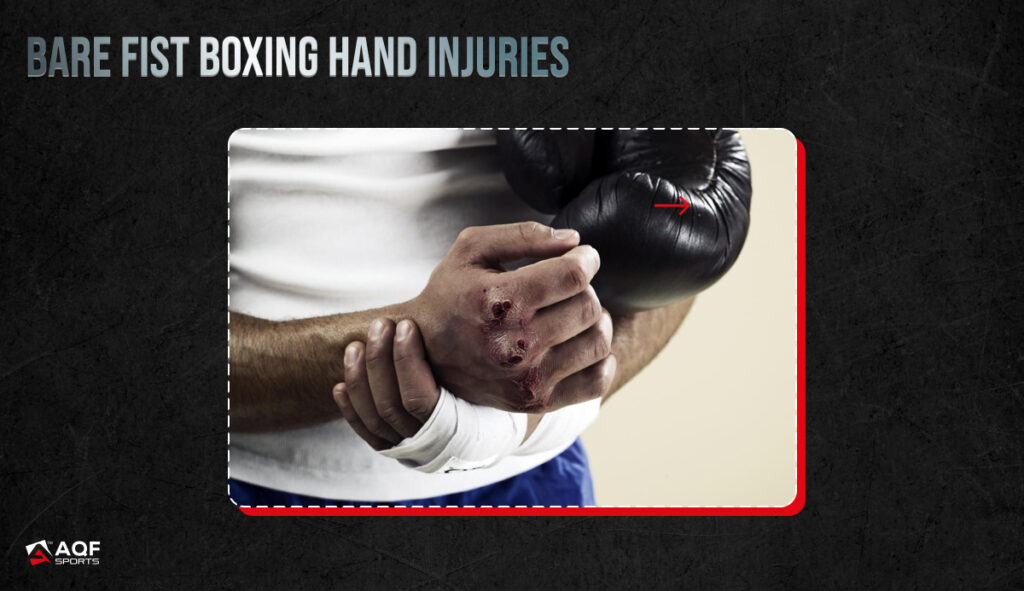
Smaller gloves have less padding around the knuckles. This means hands and wrists get less cushion on impact. The risk of fractures and sprains rises without enough padding. Smaller gloves also offer less wrist support. This can lead to twisted or strained wrists during punches. Bigger gloves help absorb shock better, protecting your hands and wrists more effectively.
Damage To Opponents
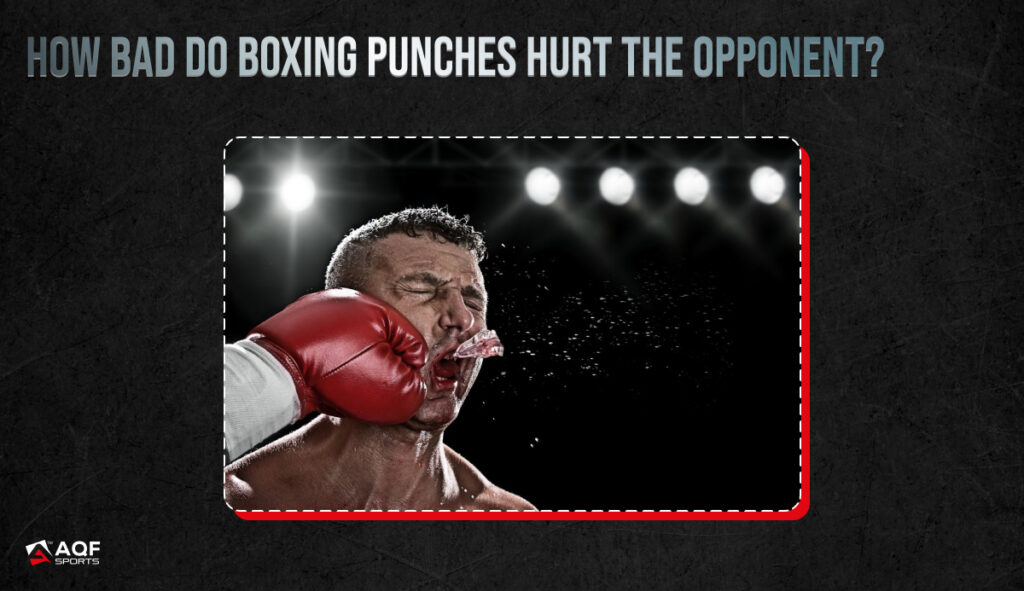
Smaller gloves concentrate force in a smaller area. This can cause more damage to the person being hit. Cuts and bruises happen more often with smaller gloves. They may also increase the chance of serious injuries like concussions. Larger gloves spread out the impact, reducing the risk of severe harm. Using smaller gloves can make fights more dangerous for both sides.
Common Injuries In Different Glove Sizes
In smaller gloves, common injuries include broken knuckles and wrist sprains. Fighters may also suffer from hand fatigue faster. For opponents, cuts and facial bruises are typical. Larger gloves tend to reduce these injuries but may cause more wrist strain due to weight. Choosing the right glove size affects the types and frequency of injuries during boxing.
Performance And Comfort Factors
Performance and comfort play a big role in how boxing gloves feel and work. Smaller gloves may affect these factors in different ways. Understanding fit, sweat control, and padding helps choose the right glove. This section breaks down these key points.
Fit And Hand Mobility
Smaller gloves fit tighter around the hand. This can improve control and speed during punches. The hand moves more freely without extra bulk. A good fit reduces slipping inside the glove. Too tight, though, can cause discomfort and restrict blood flow. Proper size keeps hands safe and agile.
Sweat And Ventilation
Boxing makes hands sweat a lot. Smaller gloves have less space for air to move. This can make hands hotter and sweatier. Good ventilation is important to keep hands dry. Gloves with mesh panels or breathable material help air flow. Dryer hands feel more comfortable and reduce slipping inside the glove.
Glove Material And Padding Quality
Material quality affects comfort and protection. Smaller gloves might use thinner padding to fit the size. Good padding absorbs impact and protects knuckles well. Cheap or thin padding can cause more pain and injury. Leather or synthetic materials offer different levels of durability. Choose gloves with high-quality padding for better safety and comfort.
Credit: uk.aqfsports.com
Usage In Training Vs Competition
Boxing gloves come in various sizes for training and competition. Each size serves a different purpose and affects how much they hurt. Understanding the difference helps boxers choose the right gloves for each activity.
Why Trainers Choose Bigger Gloves
Trainers prefer bigger gloves during training. Larger gloves have more padding. This padding reduces impact and lowers injury risk. Bigger gloves also protect both the puncher and the person holding the pads. They allow longer training sessions with less pain. This helps improve skills safely.
Regulations On Glove Sizes In Matches
Boxing matches have strict rules on glove size. These rules depend on the weight class and competition level. Smaller gloves are common in professional fights. They weigh less and allow faster punches. The regulations ensure fairness and safety for all fighters. Using the right glove size keeps the match official and safe.
Balancing Safety And Performance
Choosing glove size is a balance between safety and performance. Bigger gloves protect better but feel heavier. Smaller gloves offer more speed but less padding. Boxers must decide based on training goals or match rules. Proper gloves reduce injury and improve technique. This balance is key for every boxer.
Expert Opinions And Studies
Experts have studied whether smaller boxing gloves cause less pain or injury. Their views help us understand the real effects of glove size. Research, boxer stories, and coach advice show different sides of this question.
Research On Impact And Injury Rates
Studies measure how glove size changes the force of punches. Smaller gloves have less padding. This means punches hit harder and cause more impact. Research shows injury rates tend to rise with smaller gloves. The extra force can lead to cuts, bruises, and even broken bones. Larger gloves absorb more shock. They reduce the chance of serious injury during fights and training.
Boxers’ Experiences With Glove Sizes
Many boxers say smaller gloves feel faster and give more control. They can punch quicker but often feel more pain. Some report more hand injuries using small gloves. Others prefer small gloves for better technique and speed. The choice depends on personal comfort and fighting style. Pain is a common issue with smaller gloves, as the impact is sharper.
Recommendations From Coaches
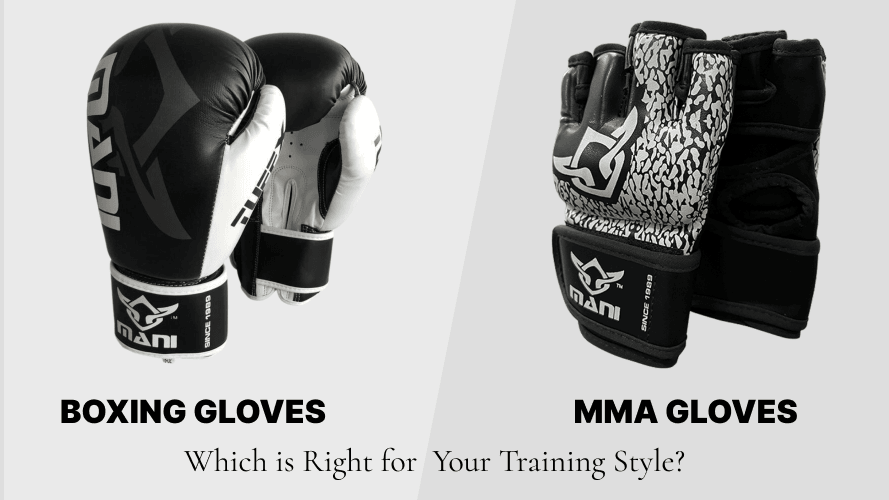
Coaches suggest using glove sizes based on training type. For sparring, bigger gloves are safer to protect both fighters. During bag work or pad drills, smaller gloves may be fine. Coaches stress safety first to avoid injuries. They often recommend starting with larger gloves. This helps new boxers build strength and avoid harm. Size choice should balance performance and protection.
Credit: www.manisports.com.au
Frequently Asked Questions
Do Smaller Boxing Gloves Reduce Impact Pain?
Smaller gloves have less padding, which means they absorb less shock. This often results in more pain upon impact compared to larger gloves.
Are Smaller Gloves Safer For Beginners?
No, smaller gloves are usually less padded and offer less protection. Beginners should use larger gloves to minimize injury risk.
How Does Glove Size Affect Hand Protection?
Larger gloves provide more cushioning, reducing hand injuries. Smaller gloves protect less, increasing the chance of bruises and fractures.
Do Smaller Gloves Increase Punch Speed?
Yes, smaller gloves are lighter and can improve punch speed. However, this comes at the cost of reduced padding and protection.
Conclusion
Smaller boxing gloves do not always mean less pain. They have less padding, so hits feel stronger. Bigger gloves cover more area and soften blows better. Your skill and technique also affect how much you hurt. Choosing the right glove depends on your purpose and comfort.
Protect your hands and your opponent’s safety. Keep practicing and listen to your body’s signals. Pain is part of training but should not stop you. Choose wisely for safer and better boxing experience.