Have you ever worried about the safety of your Divvy bike when you leave it locked up? You’re not alone.
Thieves are finding clever ways to defeat Divvy bike locks, putting your ride at risk. Understanding how they do it can help you protect your bike better. Keep reading to discover the tricks thieves use and learn simple steps you can take to keep your Divvy bike safe every time.

Credit: cwbchicago.com
Common Divvy Bike Lock Types
Divvy bikes use different types of locks to protect bikes from theft. Each lock has its own design and way to secure the bike. Understanding these common lock types helps to see how thieves might try to defeat them.
U-locks
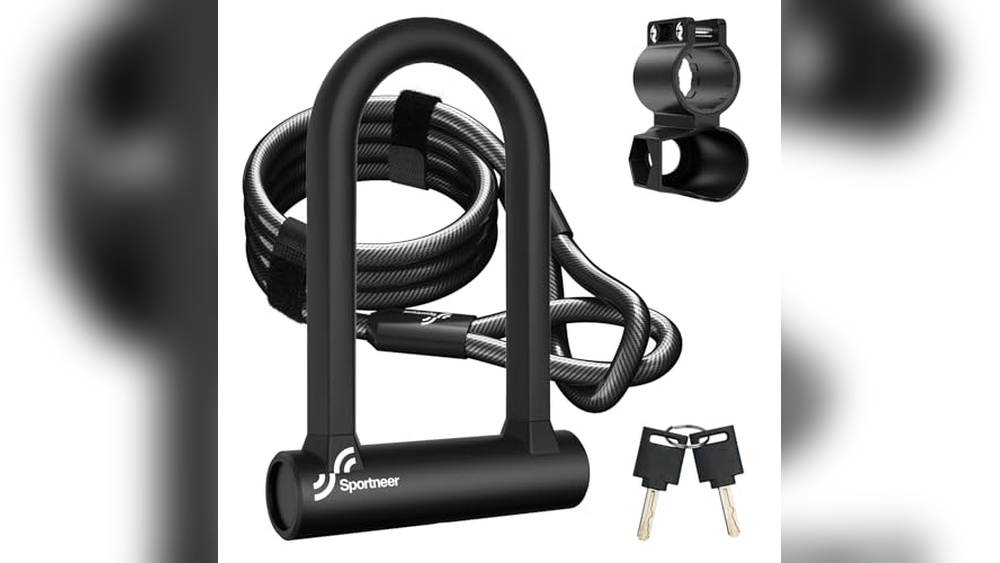
U-locks are shaped like a “U” and made of hard metal. They are strong and hard to break. Thieves often try to use power tools to cut through the metal. Some cheaper U-locks have weak spots where cutting is easier.
Cable Locks
Cable locks are flexible and made of coiled steel wire. They are easy to carry and use. Thieves can cut cable locks quickly with wire cutters. These locks offer less protection than U-locks or chains.
Chain Locks
Chain locks use thick metal links connected together. They are heavy but very strong. Some chains have weak links that thieves target with bolt cutters. The quality of the chain matters for how safe it is.

Credit: seanmarshall.ca
Techniques Used By Thieves
Thieves use several methods to break Divvy bike locks. These techniques help them get through the lock quickly. Understanding their tactics can help riders protect their bikes better.
Lock Picking Tricks
Thieves often use simple lock picking tools. These tools fit inside the lock’s keyhole. With skill, they move the pins to open the lock. It takes practice, but many thieves are quick.
Some use tension wrenches to turn the lock as they pick. Others use small picks to push pins up or down. This method works best on cheaper or older locks.
Cutting Tools In Action
Cutting tools are common for breaking bike locks. Bolt cutters are the most popular choice. They can snap through metal chains or cables in seconds.
Angle grinders are also used for tougher locks. These electric tools cut through hardened steel fast. They make noise but work well in isolated areas.
Leveraging Weak Points
Thieves look for weak spots on the lock or bike. They may pry open the lock’s clasp with crowbars or screwdrivers. Small gaps or loose parts make this easier.
Sometimes, the lock’s mounting bracket on the bike frame is loose. Thieves can break or remove the lock from there. Careful checks of the lock and frame help prevent this.
Advanced Methods Revealed
Thieves have grown more skilled at defeating Divvy bike locks. They use advanced methods to bypass security quickly. These techniques often rely on technology and physical tools. Understanding these tactics helps riders stay alert and protect their bikes better.
Electronic Bypass
Some thieves use electronic devices to hack the lock system. These gadgets can mimic the lock’s signals. They trick the lock into opening without a key. This method needs technical knowledge but works fast. It shows how digital security can be vulnerable.
Using Power Tools
Power tools like grinders and saws can cut through locks. Thieves use them to break the metal parts quickly. These tools are noisy but effective in short bursts. Riders should watch for suspicious activity near their bikes. Strong, reinforced locks may resist these attacks better.
Exploiting Design Flaws
Some locks have weak points in their design. Thieves find and use these flaws to open locks easily. Common flaws include thin metal or exposed screws. Knowing these weaknesses helps manufacturers improve lock strength. Users benefit from choosing locks with solid designs.
Credit: seanmarshall.ca
Preventive Measures For Riders
Bike theft is a growing problem, especially with popular services like Divvy. Thieves find ways to break locks quickly. Riders must take steps to protect their bikes. Using strong locks and smart methods helps stop theft. Small actions can keep your bike safe.
Choosing The Right Lock
Select a lock that is tough and hard to cut. U-locks made of hardened steel work well. Avoid cheap cable locks that thieves break easily. Look for locks with high security ratings. A heavy lock is a good sign of strength.
Proper Locking Techniques
Lock your bike to a solid, fixed object. Make sure the lock goes through the frame and wheel. Keep the lock off the ground to prevent leverage attacks. Fill as much space inside the lock as possible. This limits room for tools to break it.
Additional Security Accessories
Use extra security items like wheel locks or alarm devices. Attach a GPS tracker to your bike for quick recovery. Reflective stickers can make your bike stand out at night. A bike cover can hide your bike from thieves’ view. Combining these tools adds layers of protection.
Role Of Divvy And Authorities
The role of Divvy and local authorities is key in stopping thieves from defeating bike locks. They work together to protect bikes and keep riders safe. Their efforts focus on making locks stronger, watching public spaces, and teaching the community about bike safety. These actions help reduce theft and build trust among riders.
Improving Lock Designs
Divvy studies how thieves break locks. They use this knowledge to design tougher locks. New locks resist picking and cutting tools. Divvy tests locks in real conditions to find weak spots. Stronger locks make it harder for thieves to steal bikes.
Increasing Surveillance
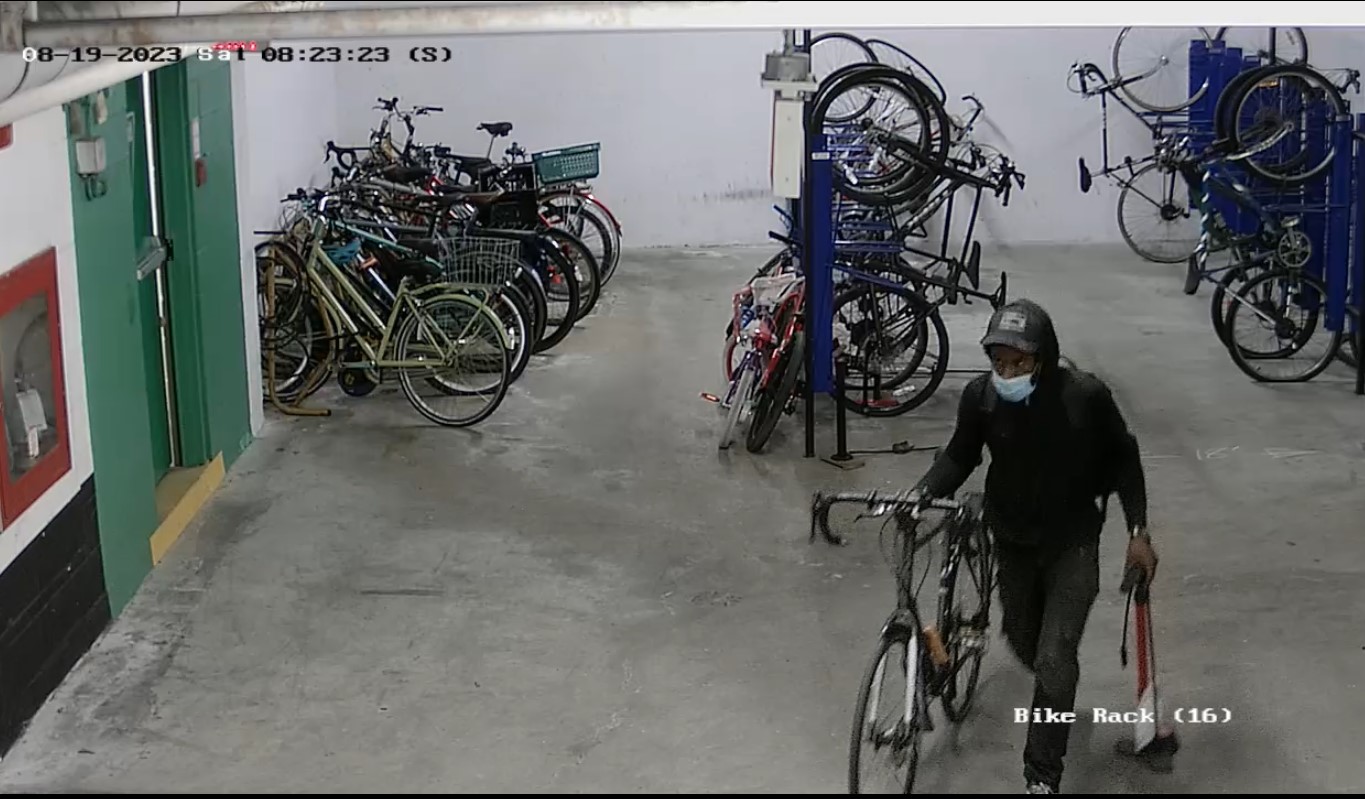
Authorities add cameras near bike stations. These cameras record suspicious activities. Police monitor areas with high theft rates. Patrols happen more often in targeted zones. Surveillance helps catch thieves and stops crimes quickly.
Community Awareness Programs
Divvy and police share tips on bike safety. They teach riders how to lock bikes properly. Awareness programs explain the risks of theft. Community meetings encourage reporting thefts and suspicious acts. Educated riders protect their bikes better.
Frequently Asked Questions
How Do Thieves Bypass Divvy Bike Locks?
Thieves often use lock-picking tools or bolt cutters to quickly defeat Divvy bike locks. They target weak points like cable joints or lock mechanisms. Some exploit vulnerabilities in the lock design or use brute force. Awareness helps users choose stronger locks or park in secure areas.
Are Divvy Bike Locks Vulnerable To Specific Attacks?
Yes, Divvy bike locks are vulnerable to cutting and picking attacks. Thieves use bolt cutters to cut cables or pick the lock cylinder. Certain lock models have design flaws that make them easier to defeat. Users should stay updated on lock security improvements.
What Measures Can Prevent Divvy Bike Lock Theft?
Using additional heavy-duty locks and parking in well-lit, busy areas reduces theft risk. Regularly inspecting locks for tampering and reporting suspicious activity helps. Choosing locks with advanced security features and avoiding isolated spots also deters thieves.
How Quickly Can Thieves Defeat Divvy Bike Locks?
Experienced thieves can defeat Divvy bike locks in under a minute using the right tools. Quick attacks minimize their exposure to detection. This speed highlights the importance of using stronger locks and secure parking to prevent theft.
Conclusion
Thieves find weak spots in Divvy bike locks quickly. They use simple tools to break or pick the locks. Riders must stay alert and choose safe parking spots. Reporting stolen bikes helps the community and police act faster. Bike companies should improve lock designs to stop theft.
Everyone benefits when bike security gets stronger and smarter. Stay cautious, protect your bike, and keep riding safely.