You want to keep your bike safe, but have you ever wondered how long your bike lock should be? Choosing the right length matters more than you think.
If your lock is too short, it might not fit around your bike and a sturdy object. If it’s too long, it could get tangled or be easy to cut. You’ll discover the perfect lock length to protect your bike without any hassle.
Keep reading, because getting this right could save your bike from theft and give you peace of mind every time you park.
Choosing The Right Lock Length
Choosing the right lock length is important for keeping your bike safe. The lock must be long enough to secure your bike to a sturdy object. At the same time, it should not be too long to carry or use easily. Finding the right balance helps protect your bike without causing hassle.
Factors Influencing Lock Length
Think about where you will lock your bike. Different places need different lock sizes. A short lock works well for tight spaces. A longer lock is better for bigger or awkward objects. Also, consider how much space you need to wrap the lock around the bike frame and the object.
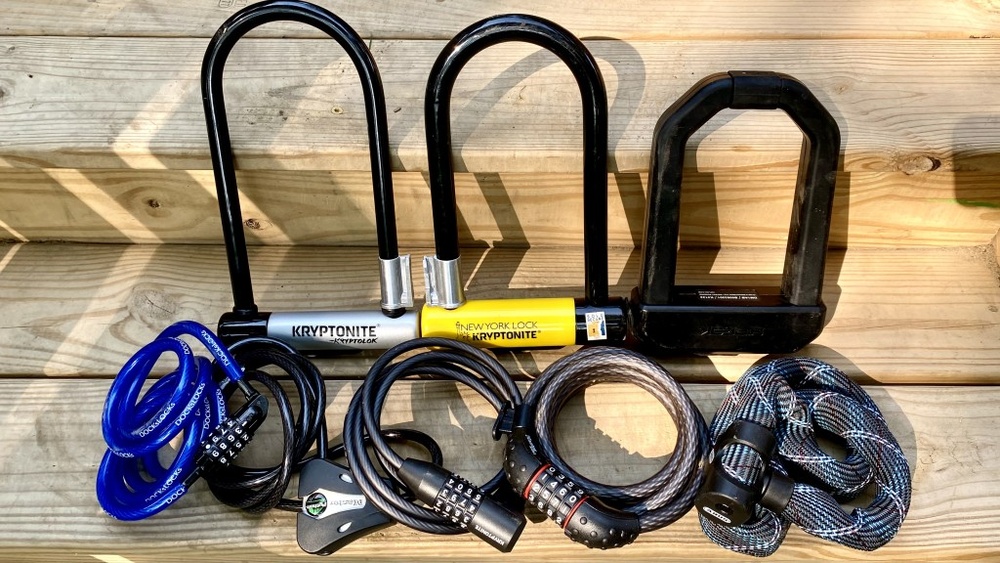
The type of lock matters too. Cable locks often come longer but may not be as strong. U-locks are shorter but more secure. Your bike size and how you carry the lock influence the length choice as well.
Common Lock Lengths Explained
Bike locks usually come in lengths between 2 and 6 feet. A 2-3 foot lock suits small spaces and quick stops. A 4-5 foot lock offers more flexibility and can secure larger objects. Longer than 5 feet, locks are heavier and harder to carry but can secure multiple bikes or big objects.
Choose a length that fits your daily needs. Short locks for city rides. Longer locks for varied parking spots. This way, your lock will be both useful and easy to handle.
Credit: hiplok.com
Types Of Bike Locks
Choosing the right bike lock is key to keeping your bike safe. Different locks offer different levels of security and convenience. Knowing the types of bike locks helps you pick the right one for your needs. Below are common types of bike locks and their features.
U-locks
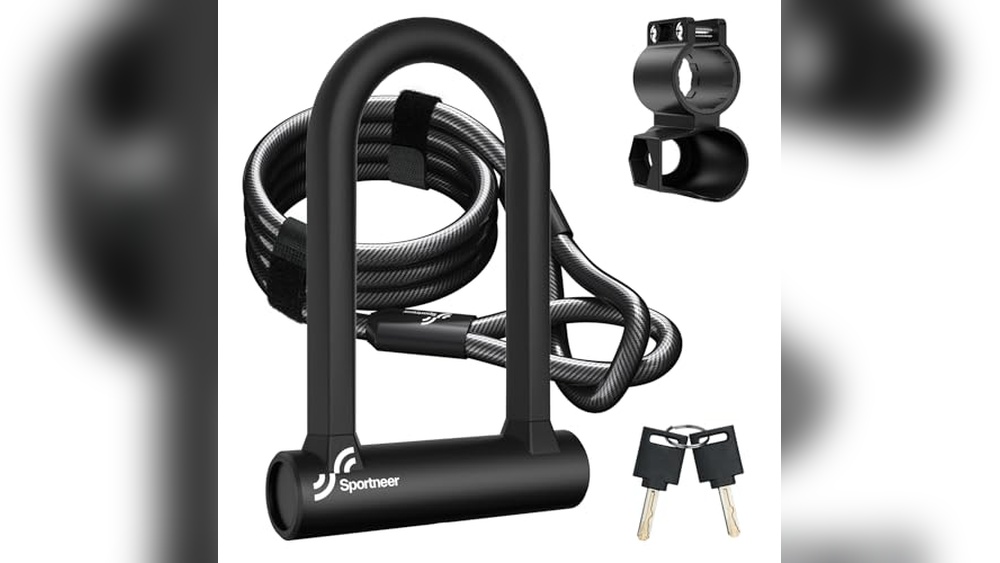
U-locks are solid metal bars bent into a U shape. They offer strong protection against theft. Their rigid design makes it hard for thieves to cut through. U-locks work best for locking your bike to sturdy objects. Choose a size that fits your bike frame and the object securely.
Chain Locks
Chain locks use heavy metal links to secure your bike. They are flexible and can lock bikes in different positions. Strong chains resist cutting tools well. Look for chains with thick, hardened links. The length should allow you to lock your bike and wheels comfortably.
Cable Locks
Cable locks are made of braided steel wires covered in plastic. They are lightweight and easy to carry. Cable locks work well for short stops or low-risk areas. Thinner cables offer less security and are easier to cut. Longer cables allow locking more parts of the bike.
Folding Locks
Folding locks have metal plates connected by rivets. They fold into a compact shape for easy storage. Folding locks combine flexibility and strength. They can wrap around bike frames and fixed objects. Choose a folding lock long enough to secure your bike properly.
Matching Lock Length To Bike And Environment
Choosing the right bike lock length depends on your bike and where you park it. A lock must be long enough to secure your bike well but not too long to be bulky. Different bikes need different lock sizes. Also, urban and rural areas offer different locking challenges. Understanding rack and post sizes helps pick the best lock length. This helps keep your bike safe and easy to lock.
Locking Different Bike Frames
Bike frames come in many shapes and sizes. A small road bike needs less lock length than a large mountain bike. Some frames have unusual shapes or extra parts. This means the lock must be flexible and long enough to wrap around. Choose a lock that fits your bike’s frame and wheels. It should lock both securely without leaving gaps.
Securing In Urban Vs. Rural Areas
Urban areas have more bike theft risks. You need a longer lock to secure to big posts or multiple parts. In rural areas, fewer people mean less risk. A shorter lock may be enough for simple racks. Still, check the size of the posts or trees where you park. Pick a lock length that fits the environment well.
Considering Rack And Post Sizes
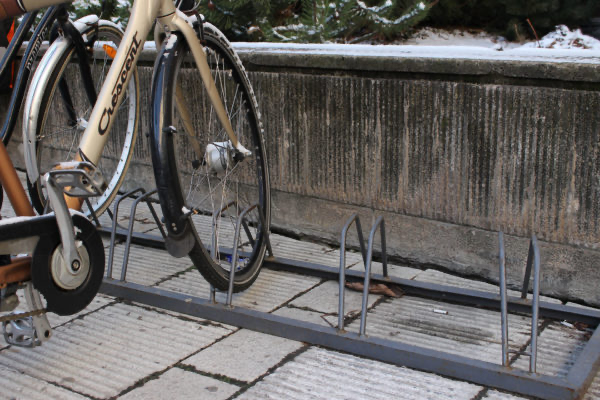
Bike racks and posts vary in size and shape. Some racks are thin metal bars, others are thick poles. A short lock may not reach around thick posts. Measure the rack or post before buying a lock. The lock should wrap around tightly with no slack. This keeps your bike safer from thieves.

Credit: thebestbikelock.com
Benefits Of Longer Vs. Shorter Locks
Choosing the right length for a bike lock matters. Both longer and shorter locks offer benefits. Understanding these helps pick the best lock for your needs. This section explains the main advantages of longer and shorter bike locks.
Portability And Weight
Shorter locks are lighter and easier to carry. They fit well in bags or attach to the bike frame. Longer locks weigh more and take up space. Carrying a long lock may feel heavy during long rides. Portability matters for daily commuters and casual riders.
Security Advantages
Longer locks wrap around more objects. This makes it harder for thieves to steal your bike. They allow locking the frame and wheels to a fixed object. Shorter locks limit where you can secure your bike. They work well in tight spaces but may offer less security.
Ease Of Use
Short locks are quick to lock and unlock. They require less effort to handle. Longer locks may take more time to wrap and secure. They need careful placement to avoid tangling. Ease of use suits riders who want fast stops.
Tips For Maximizing Security
Keeping your bike safe depends on more than just the lock size. Using smart methods can help protect your bike better. This section shares easy tips to boost your bike’s security. Follow these simple steps to reduce the risk of theft and keep your bike safe.
Locking Techniques
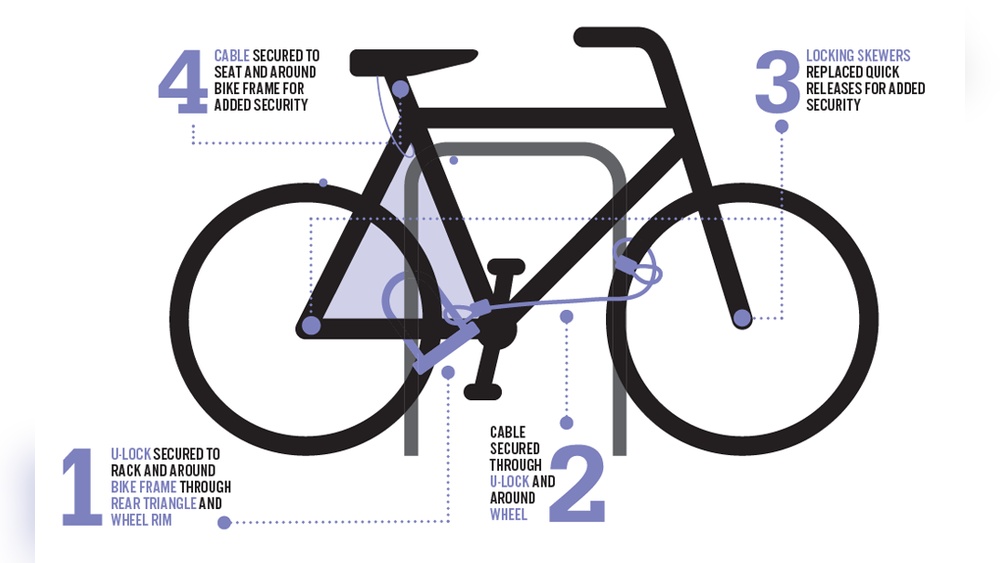
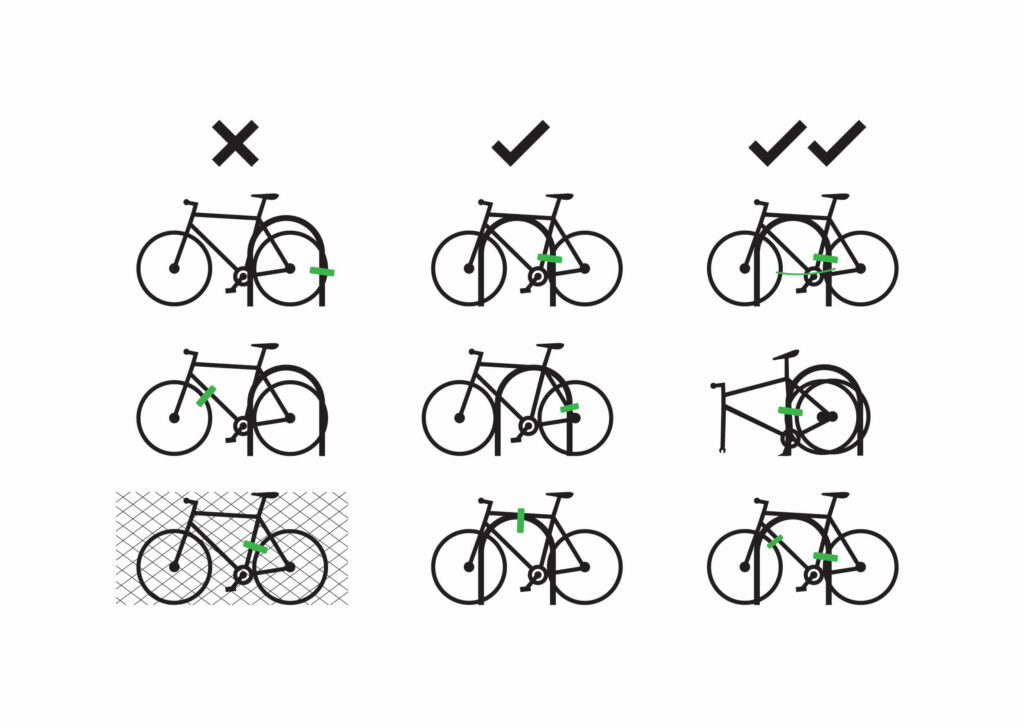
Always lock your bike frame and wheel to a solid object. Choose a fixed and sturdy post, not a small or loose item. Place the lock high off the ground to avoid leverage attacks. Tighten the lock so thieves cannot insert tools easily. Cover the lock to protect it from weather and damage.
Combining Multiple Locks
Use two different types of locks for better security. For example, pair a U-lock with a cable lock. This makes it harder for thieves to break both quickly. Lock the frame with the strongest lock. Use the second lock for the wheels or seat. This strategy slows down thieves and increases safety.
Avoiding Common Mistakes
Do not lock your bike to weak or small objects. Avoid leaving space inside the lock for tools to fit. Never lock only the wheel; the frame must be secured too. Avoid cheap or low-quality locks that break easily. Always check your lock for damage before use. These simple steps prevent easy theft.
Credit: bicycles.stackexchange.com
Maintenance And Durability
Maintaining your bike lock is important for its long life and strength. A well-kept lock works better and keeps your bike safer. Durability depends on regular care and checking for damage. Simple steps can protect your lock from wear and tear.
Inspecting Your Lock
Check your lock often for signs of rust or damage. Look at the keyhole and shackle carefully. Dirt or rust can stop the lock from working smoothly. Test the lock by opening and closing it several times. Early damage can be fixed before it gets worse.
Weatherproofing Tips
Rain and snow can harm your bike lock over time. Use a cover or keep the lock dry when not in use. Lubricate the keyhole with graphite or silicone spray to stop rust. Avoid oils that attract dirt and gum up the lock. Store your lock indoors if possible during bad weather.
When To Replace Your Lock
Replace your lock if it shows deep rust or cracks. If the key sticks or the lock jams often, it may fail soon. Older locks may not protect well against new tools or thieves. A strong, new lock offers better security and peace of mind. Don’t wait until your lock breaks completely.
Frequently Asked Questions
How Long Should A Bike Lock Cable Be?
A bike lock cable should be at least 3 to 6 feet long. This length allows you to secure both the frame and wheels to a fixed object. Choose a length that fits your bike size and common locking spots for better security.
Does Lock Length Affect Bike Security?
Yes, lock length affects security. A longer lock offers flexibility to secure your bike to various objects. However, too long a lock can be bulky and easier to tamper with. Balance length and thickness for optimal protection.
What Is The Ideal Lock Size For Urban Areas?
In urban areas, a 4 to 6-foot lock is ideal. This length fits most bike frames and urban bike racks. It offers good versatility and convenience for locking your bike securely in crowded spaces.
Can A Short Bike Lock Be Effective?
A short bike lock can be effective if it fits snugly around your bike and a sturdy object. It reduces slack, making it harder to cut. However, it limits locking options, so choose based on your environment.
Conclusion
Choosing the right bike lock length helps keep your bike safe. A lock that is too short limits where you can secure your bike. Too long can be bulky and hard to carry. Find a balance based on your bike and daily routes.
Think about where you park and what you lock it to. A good lock length makes locking easier and safer. Always pick a lock that fits your needs well. Stay safe and enjoy your rides without worry.