Traveling with your bike carrier is a great way to explore new places on two wheels. But have you ever worried about your bikes getting stolen while you stop for a break or overnight stay?
You’re not alone. Keeping your bikes secure is one of the biggest concerns for anyone who travels with a bike carrier. You’ll discover simple, effective ways to lock your bikes so you can relax and enjoy your trip without constantly checking over your shoulder.
Let’s make sure your bike stays exactly where you left it—safe and sound.
Credit: transportation.wisc.edu
Choosing The Right Bike Carrier
Choosing the right bike carrier is key to safe bike travel. The right carrier protects bikes from damage and theft. It fits your vehicle and suits your travel style. A good carrier makes loading and unloading easy and fast. It also offers strong security to keep your bikes safe.
Types Of Bike Carriers
Hitch-mounted carriers attach to the back of your vehicle. They hold bikes securely and are easy to use. Roof-mounted carriers fix bikes on the car roof. They save space but need lifting bikes up high. Trunk-mounted carriers hang on the back door. They are simple but may block the rear view. Choose a type that fits your car and bike size.
Security Features To Look For
Look for carriers with built-in locks or secure straps. Strong locking systems prevent bike theft during stops. Steel frames add extra strength and durability. Anti-theft cables help secure bikes to the carrier. A carrier with good security features offers peace of mind. It keeps your bikes safe during your whole trip.
Selecting Quality Bike Locks
Selecting the right bike lock is key for safe travel with a bike carrier. A good lock stops thieves from stealing your bike. It also gives peace of mind during stops. Choosing a strong, reliable lock helps protect your bike on the road. Consider the type and security level carefully. Some locks offer better protection than others. Learn about the common lock types below.
U-locks Vs Cable Locks
U-locks are made of solid metal and shaped like a “U.” They resist cutting and leverage attacks well. These locks are heavy but very tough. They work best for locking the bike frame to the carrier. Cable locks are thin and flexible. They are easier to carry and use. But cables can be cut quickly with tools. Use cable locks only for short stops or low-risk areas. For strong security, choose U-locks over cables.
Combination And Key Locks
Combination locks use a code instead of a key. No need to carry keys or worry about losing them. Choose a lock with a code that is hard to guess. Key locks require a physical key to open. They are simple and reliable but keys can be lost. Both types offer similar security if made well. Pick what feels easier and safer for you. Remember to keep spare keys or note your code carefully.
Locking Techniques On Bike Carriers
Locking bikes on a carrier is essential for travel safety. Proper locking stops theft and keeps bikes secure. Use smart methods to lock bikes effectively. Focus on key parts and use the right tools. This section explains solid locking techniques for bike carriers.
Securing The Frame And Wheels
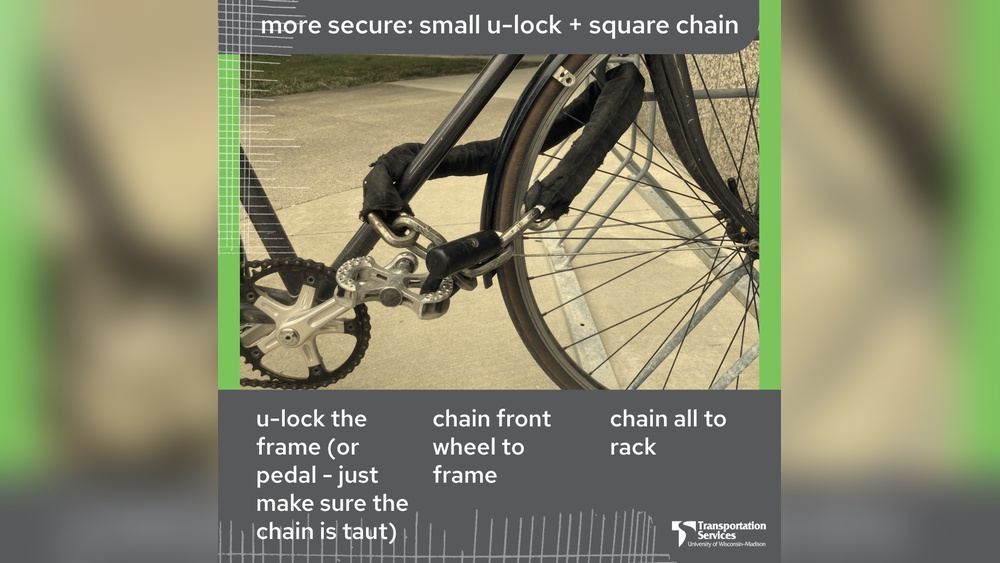
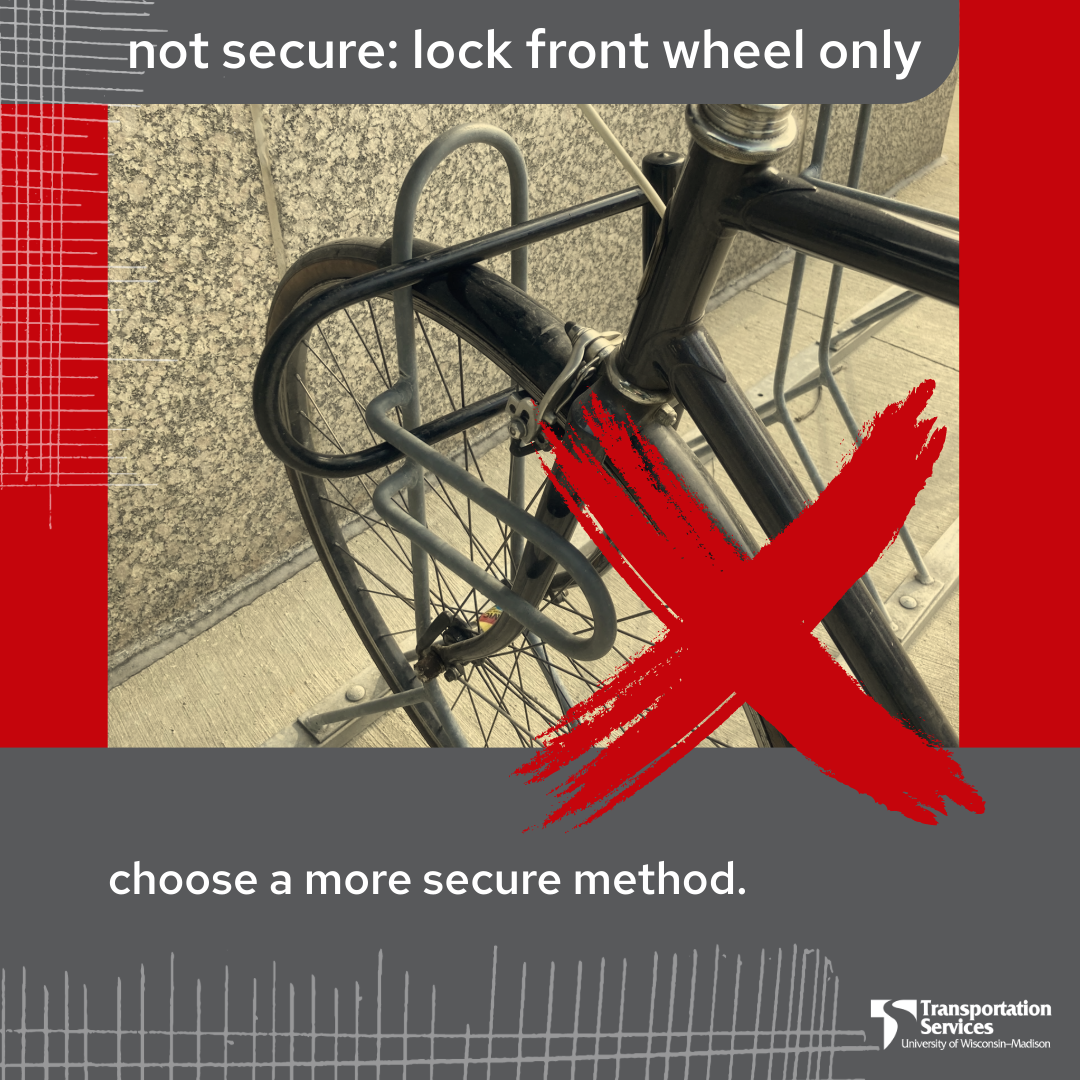
Start by locking the bike frame. The frame is the strongest part and hard to remove. Use a U-lock or heavy-duty chain lock around the frame and carrier. Locking only wheels is not enough. Wheels can be quick to remove. Secure both wheels by threading cables or smaller locks through them. This adds extra protection. Make sure locks fit tightly and do not move. Tight locks prevent easy tampering. Check lock positions before travel.
Using Multiple Locks For Added Safety
Use more than one lock to increase security. Combine a U-lock with cable locks for better coverage. One lock can secure the frame, another the wheels. Multiple locks slow down thieves. They need more time and tools to break them. Use different types of locks for variety. This confuses thieves and reduces risk. Always carry extra locks on trips. Extra locks improve peace of mind and bike safety.
Additional Security Measures
Securing your bike on a carrier is important for peace of mind. Basic locks help, but extra security measures add strong protection. These tools stop thieves from quickly taking your bike. Small steps can make a big difference during travel.
Using Locking Skewers And Bolts
Locking skewers replace quick-release levers on wheels. They need a special key to open. This stops thieves from removing wheels fast. Locking bolts work the same for seat posts and other parts. Both keep bike parts safe from quick theft. They are easy to install and use.
Installing Alarm Systems
Bike alarms alert you if someone touches your bike. They make loud sounds to scare off thieves. Some alarms connect to your phone for alerts. You can add alarms to your carrier or bike frame. Alarms add a layer of security beyond locks. They give you early warning and help protect your bike.
Safe Parking And Storage Tips
Keeping your bike safe while traveling is very important. Proper parking and storage help protect your bike from theft and damage. Always plan where and how to lock your bike on a carrier.
Choosing Well-lit And Visible Areas
Select parking spots with good lighting. Bright areas discourage thieves and make your bike easy to see. Park in places where many people pass by. Visibility adds a layer of safety for your bike. Avoid dark corners or hidden spots. Your bike should be in plain sight at all times.
Avoiding High-risk Locations
Steer clear of areas known for bike theft. Avoid isolated places with little traffic. Do not park near abandoned buildings or poorly maintained areas. These spots attract criminals. Look for secure bike racks or designated parking zones. Such places usually have better security measures. Always trust your instincts about safety.

Credit: www.aventon.com
Maintaining Your Locks And Carrier
Maintaining your bike locks and carrier is key to keeping your bike safe on trips. Regular care helps prevent damage and extends their life. A well-kept lock and carrier work better and protect your bike more effectively.
Regular Inspection And Maintenance
Check your locks and carrier before every trip. Look for cracks, bends, or loose parts. Test the lock mechanism to ensure it opens and closes smoothly. Tighten any screws or bolts that feel loose. Clean dirt and dust from all parts. This simple routine avoids problems during travel.
Preventing Rust And Wear
Keep metal parts dry to stop rust from forming. Use a cloth to wipe off water after rain or washing. Apply a light layer of oil or lubricant on locks and moving parts. This helps them stay smooth and prevents rust. Store your carrier in a dry place when not in use. Rust and wear reduce security and can cause failure.

Credit: www.youtube.com
Frequently Asked Questions
How Do I Secure My Bike On A Carrier?
Use a high-quality lock to secure the bike frame and wheels. Attach the lock to the carrier’s frame or a fixed point. Double-check all connections before traveling to prevent theft and bike damage.
What Is The Best Lock Type For Bike Carriers?
U-locks and heavy-duty cable locks are best for bike carriers. They offer strong protection and resist cutting or picking. Combining both types enhances security during travel.
Can I Lock Multiple Bikes On One Carrier?
Yes, use individual locks for each bike. Secure frames and wheels separately. This ensures each bike remains safe and reduces theft risk during your journey.
Where Should I Position The Lock On A Bike Carrier?
Lock the bike frame to the carrier’s solid part. Avoid locking only wheels or removable parts. Positioning the lock correctly improves security and prevents bike theft.
Conclusion
Securing your bike while traveling keeps it safe and gives you peace of mind. Use strong locks and fasten them tightly to the bike carrier. Always lock both the frame and wheels for extra security. Check your locks often during stops to avoid surprises.
Small efforts protect your bike and make your trip worry-free. Stay alert and enjoy your journey with confidence.