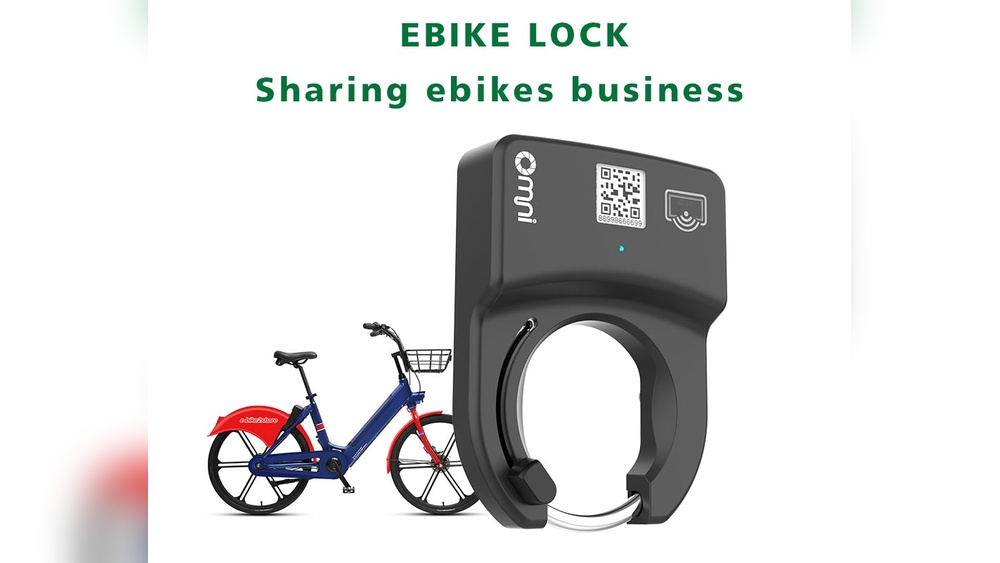
Have you ever wondered how the lock on a bike share actually works? If you’ve used a bike share, you know that unlocking and locking the bike feels quick and simple—but there’s more going on behind the scenes than you might think.
Understanding how this lock functions not only makes your ride smoother but also helps you avoid common mistakes that can cost you time and money. You’ll discover exactly how these locks operate, so you can feel confident every time you take a bike out or park it back.
Keep reading to learn the secrets that make bike sharing so easy and secure for you.
Credit: en.wikipedia.org
Types Of Bike Share Locks
Bike share programs use different types of locks to keep bikes safe. Each lock type works in its own way. These locks help users rent and return bikes easily. Understanding these locks helps users feel secure and confident.
Here are the main types of bike share locks and how they function.
Mechanical Locks
Mechanical locks are simple and easy to use. They often use a key or a combination code. Users turn the key or enter the code to unlock the bike. These locks do not need batteries or internet. They are reliable in all weather conditions. Mechanical locks work well in areas with poor network signals.
Electronic Locks
Electronic locks use electricity to operate. They open with a passcode or card swipe. Some models have small screens for code entry. These locks track bike use and can alert staff if needed. They need regular charging to work properly. Electronic locks increase security and ease of use.
Smartphone-enabled Locks
Smartphone-enabled locks connect to mobile apps via Bluetooth or the internet. Users unlock bikes by scanning QR codes or pressing buttons in the app. These locks show bike availability and trip details in real time. They offer smooth rentals without physical keys. Smartphone locks also help operators monitor bikes remotely.
Locking Mechanism Basics
Bikes in bike share programs use locks to keep them safe. These locks stop theft and control who uses the bikes. The locking system combines simple mechanics and smart technology. This mix helps make bike sharing easy and secure for everyone.
How Mechanical Locks Secure Bikes
Mechanical locks use metal parts to hold the bike in place. A strong metal bar or clamp grips the wheel or frame. This stops the bike from moving or being taken. The lock only opens with a key or code. This makes sure only authorized users can unlock the bike.
Role Of Electronic Components
Electronic parts add extra control to the lock. A small computer checks the user’s ID before unlocking. This may be through a smartphone app or card. Sensors detect if the bike is locked or not. Electronic signals tell the lock to open or stay shut. This tech helps track the bike’s location and usage.
Integration With Docking Stations
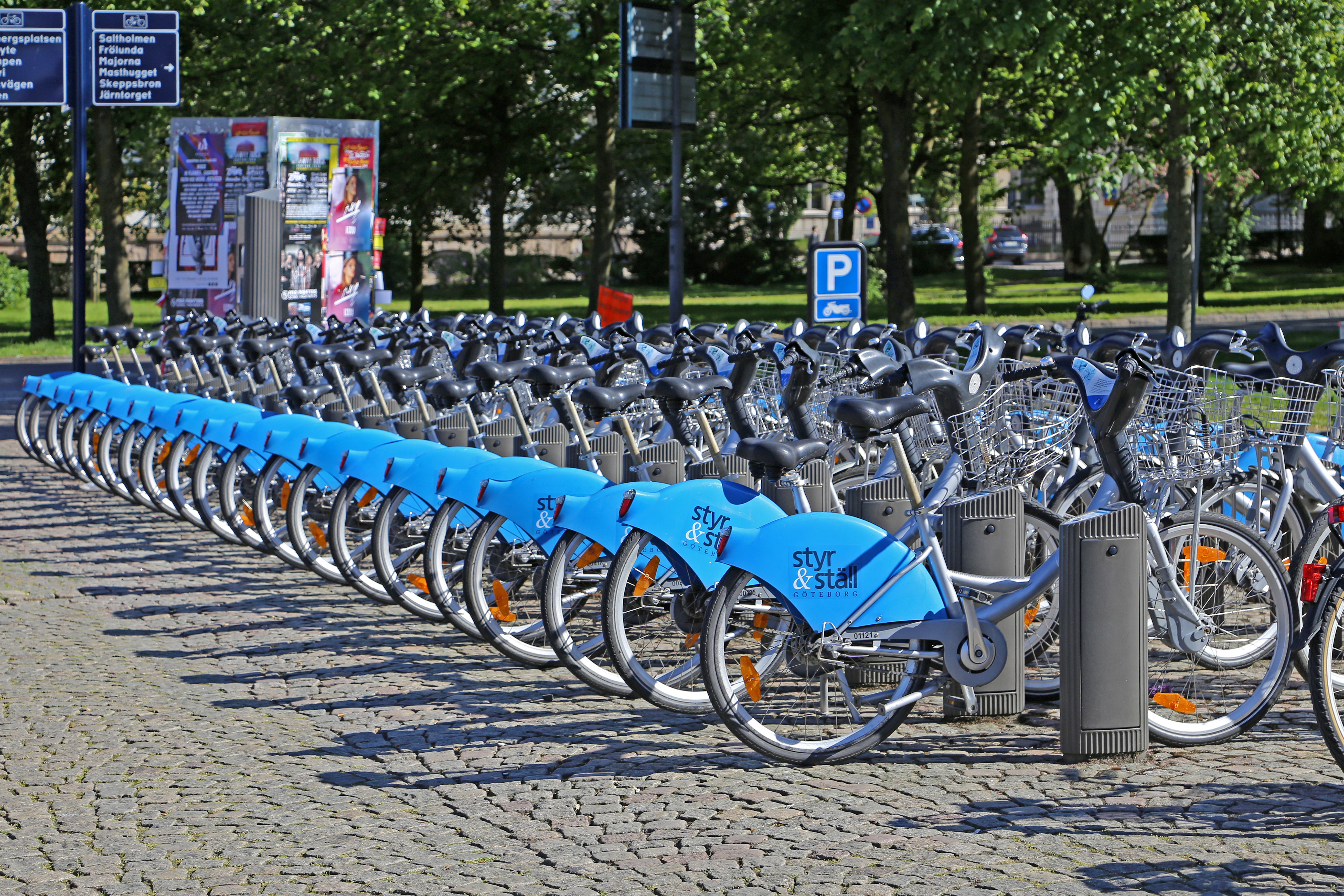
Docking stations act as parking spots with built-in locks. When a bike is placed in a dock, the lock clicks into place. The dock confirms the bike is returned and locked properly. It also charges electronic parts if needed. The system logs the bike’s status and availability. This helps manage the bike fleet smoothly.
Unlocking Process Explained
The unlocking process is a key part of using a bike share system. It lets you start your ride quickly and safely. Different bike shares use different ways to open the lock. Each method aims to be easy and fast for riders.
Using Access Codes And Cards
Some bike shares give you a code or card to unlock the bike. You enter the code on a keypad or scan your card at the bike dock. The lock opens if the code or card is correct. This method is simple and does not need a smartphone. It works well for people without app access.
App-based Unlocking Methods
Many bike shares use apps to open the lock. You find a bike on the app, then tap a button to unlock it. The app sends a signal to the lock to open. This method is fast and lets you pay inside the app. You can also see bike locations and trip details here.
Bluetooth And Nfc Technology
Some bikes use Bluetooth or NFC to connect with your phone. You just tap your phone near the lock or connect via Bluetooth. The lock recognizes your phone and opens automatically. This method is very quick and contactless. It works well even if internet connection is weak.

Credit: www.amherst.edu
Security Features In Bike Share Locks
Bike share locks protect bikes from theft and damage. They use smart technology to keep bikes safe. These locks have many features to stop thieves and alert operators. Understanding these features helps users trust bike share systems.
Security features make bike share locks strong and reliable. They combine physical strength with digital tools. These features work together to provide real-time protection.
Anti-theft Measures
Bike share locks use tough materials like hardened steel. This makes breaking the lock very hard. Many locks also have alarms that sound if someone tries to cut or move the bike. Some locks require a special code or app to open. This limits access to authorized users only.
Tamper Detection
Locks have sensors to detect tampering. These sensors notice if the lock is forced or damaged. When triggered, the lock sends an alert to the bike share system. This helps staff respond quickly. Tamper alerts reduce bike theft and vandalism.
Gps Tracking Integration
GPS helps track the bike’s exact location. If a bike is stolen or lost, operators can find it fast. GPS also helps users see bike availability nearby. This technology adds an extra layer of security and convenience.
Common Issues And Troubleshooting
Bike share locks offer convenience but sometimes face issues. Knowing common problems helps users fix them fast. This keeps the ride smooth and stress-free.
Lock Malfunctions
Locks may fail to open or close. Dirt, rust, or damage can cause this. Try cleaning the lock with a cloth. Gently jiggle the lock to free stuck parts. Avoid forcing the lock to prevent breaks.
Connectivity Problems
Most bike share locks connect via Bluetooth or cellular networks. Poor signal can stop the lock from syncing. Move to an open area with better signal. Restart the app or your phone for a fresh connection. Check if the app has permission to use Bluetooth and location.
User Errors
Sometimes users enter wrong codes or scan the wrong QR. Double-check the code before typing. Make sure the QR code is clear and undamaged. Read instructions carefully to avoid mistakes. Patience helps; rushing often causes errors.
Future Trends In Bike Share Locks
Bike share locks will improve with new technology. These locks will become safer and easier to use. Future trends focus on better security and eco-friendly options. Users will benefit from smarter and more reliable locking systems.
Biometric Authentication
Biometric authentication uses fingerprints or face scans. This method lets riders unlock bikes quickly and safely. It reduces the risk of lost or stolen keys. Bike shares can offer a smoother experience with this tech.
Ai-powered Security
AI helps detect unusual lock activity. It can alert operators to potential theft or damage. This smart system learns from past events to improve safety. AI makes bike share locks more secure every day.
Sustainable Locking Solutions
Eco-friendly materials will build future locks. Solar power may charge locks without batteries. Sustainable designs reduce waste and energy use. This approach supports greener bike share programs worldwide.

Credit: www.ssmgroup.com
Frequently Asked Questions
How Does A Bike Share Lock System Work?
Bike share locks use smart technology, connecting to apps via Bluetooth or GPS. Users unlock bikes with a phone app or code. The lock secures the bike until the trip ends. This system ensures convenient and secure bike rentals for users.
Can I Unlock A Bike Share Lock Without A Phone?
Most bike share locks require a phone app or a unique code to unlock. Some systems offer keypad codes or RFID cards as alternatives. However, a smartphone is typically needed to access bike rental services quickly and securely.
How Secure Are Bike Share Locks?
Bike share locks are designed with strong materials and smart technology to prevent theft. GPS tracking and alarms add extra security. While not foolproof, these locks significantly reduce the risk of unauthorized use or bike theft.
What Happens If The Bike Share Lock Malfunctions?
If a lock malfunctions, users should contact customer support immediately. Many systems offer in-app troubleshooting and emergency unlock options. Prompt reporting helps resolve issues quickly and ensures user safety and bike availability.
Conclusion
Bike share locks keep bikes safe and easy to use. You unlock them with a code or app. The lock stops the bike from moving when parked. This system helps many people share bikes in cities. It saves time and makes travel simple.
Understanding how the lock works makes riding better. Try a bike share and enjoy quick rides. It’s a smart way to move around town.


