Are you ready to grow your own mushrooms at home but worried about contamination? Making a glove box is the perfect solution to keep your mushroom growing process clean and safe.
With a simple glove box, you can protect your spores and cultures from dust and germs, giving you the best chance for a successful harvest. In this guide, you’ll learn exactly how to build your own glove box step-by-step, using easy-to-find materials and clear instructions.
Keep reading, and you’ll be one step closer to growing healthy mushrooms right in your own space.
Credit: www.youtube.com
Materials Needed
Building a glove box for mushrooms needs specific materials. These materials help keep the environment clean and safe. Choosing the right items makes the process smooth and successful.
Gathering the correct materials saves time and effort. It also helps protect your mushroom culture from contamination. Below are the key materials needed for your glove box.
Choosing The Right Container
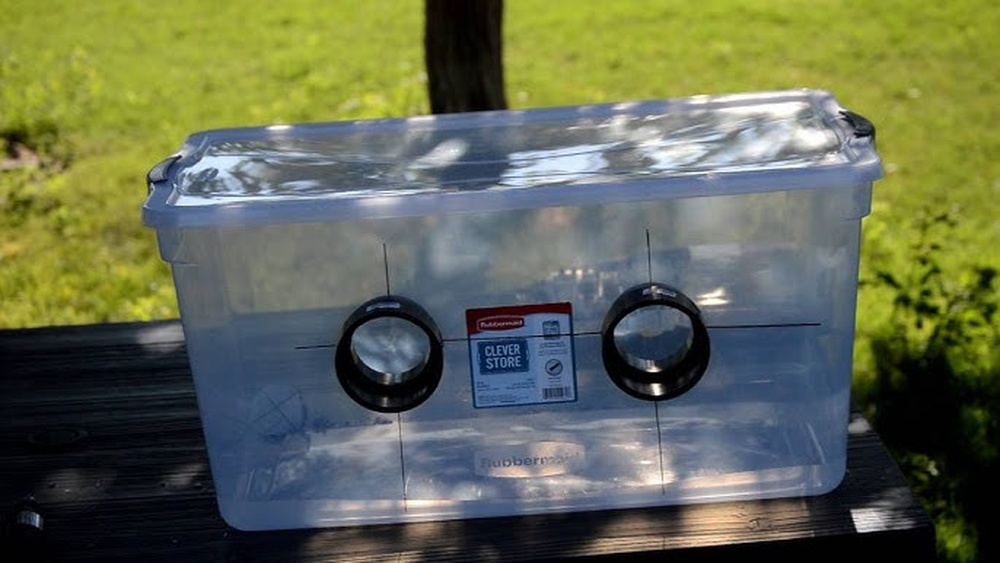
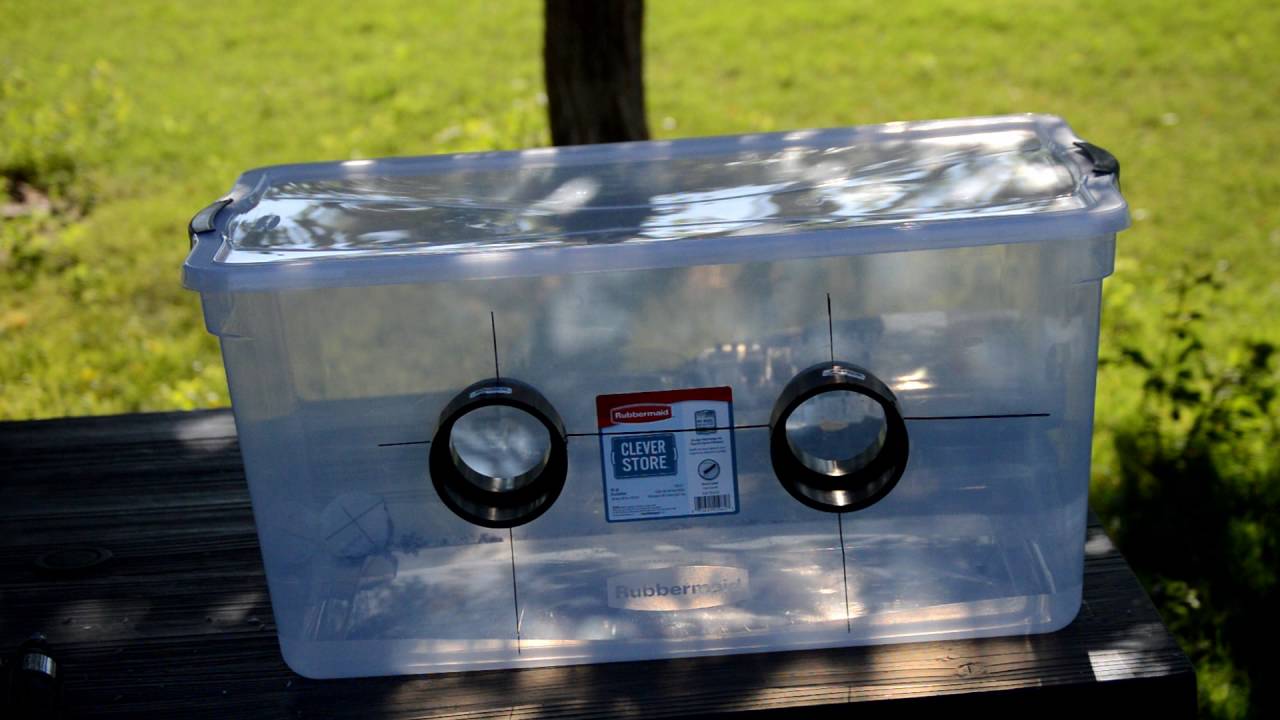
Pick a clear plastic storage box with a tight lid. Size depends on your workspace and mushroom project. The container must be big enough to fit your hands inside. Clear plastic helps you see inside easily. Avoid containers with cracks or holes.
Essential Tools
You need a drill or a sharp knife to make arm holes. Sandpaper smooths rough edges around the holes. Gloves protect your hands from dirt and contaminants. A strong tape seals any gaps or cracks in the box.
Additional Supplies
Use plastic wrap or clear plastic sheeting to cover arm holes. This keeps dust and germs out while letting you move your hands. Rubbing alcohol cleans tools and surfaces before use. Paper towels help wipe spills and keep the area clean.

Credit: www.reddit.com
Preparing The Container
Preparing the container is the first step in making a glove box for mushrooms. This step is important to keep the inside clean and safe from germs. A well-prepared container helps you work in a clean space. It stops dirt and bacteria from spoiling your mushroom growing process. Follow these steps carefully to get the best results.
Cleaning And Sterilizing
Start by washing the container with warm soapy water. Use a sponge or cloth to remove dirt and dust. Rinse it well to remove soap. Next, sterilize the container to kill any germs. Use rubbing alcohol or a bleach solution for this. Wipe all inside and outside surfaces carefully. Let the container dry fully before moving to the next step.
Cutting Access Ports
Mark the spots on the container where you want to place the access ports. These holes allow you to reach inside without opening the box. Use a sharp knife or a drill to cut round holes. Make sure the holes are big enough for your arms. Smooth the edges with sandpaper to avoid cuts. These ports will help keep the air inside clean.
Installing Gloves
Choose gloves that fit your hands well and are long enough. Stretch the gloves over the access ports. Use strong tape or glue to seal the gloves tightly. Make sure there are no gaps or holes around the gloves. Check that the gloves move freely and feel comfortable. Properly installed gloves protect your mushrooms from outside germs.
Creating A Sterile Environment
Creating a sterile environment is key for making a glove box for mushrooms. It helps keep harmful germs out. This protects your mushroom culture from contamination. Clean air and proper conditions make mushroom growth healthy and strong.
Every part of the glove box must stay clean. That means controlling the air, light, and airflow inside. Small changes can stop germs from getting in. These steps help your glove box work well and keep mushrooms safe.
Using Hepa Filters
HEPA filters clean the air by trapping tiny particles. These filters remove dust, spores, and bacteria. They help create a pure air flow inside the glove box. Installing a HEPA filter near the air intake works best. It stops dirt and germs from entering the box. This keeps the mushroom culture safe and healthy.
Adding Lighting
Mushrooms need light to grow, but not too much. Use soft, indirect lighting inside the glove box. LED lights are a good choice because they stay cool. Place the light so it shines evenly across the space. Avoid harsh or bright lights that can harm mushrooms. Proper lighting supports strong growth and good health.
Maintaining Airflow
Good airflow stops stale air and moisture buildup. It also helps keep the temperature steady. Use small fans to move air gently inside the box. Fans should not blow directly on the mushrooms. Keep air moving slowly to avoid drying out the culture. Proper airflow controls humidity and prevents mold growth.
Setting Up The Glove Box
Setting up the glove box is a key step in creating a clean space for mushroom work. This section explains how to prepare your glove box for safe use. Proper setup keeps contaminants out and mushrooms healthy.
Attaching Gloves Securely
Start by choosing gloves that fit your hands well. Use strong tape or adhesive to fix the gloves over the holes in the box. Make sure the gloves cover the hole edges completely. Check for tight attachment to avoid air leaks. Secure gloves allow you to work inside without contamination.
Sealing All Openings
Seal every opening in the glove box except the gloves. Use silicone sealant or weatherstripping for a tight fit. Small gaps let air and germs enter. Double-check edges, corners, and any cracks. A well-sealed box keeps the inside clean and safe for mushrooms.
Testing For Leaks
Test the glove box by closing all openings and pressing inside gently. Look for air escaping from the seals or gloves. Use a smoke test or hold a piece of tissue near seals to see movement. Fix any leaks immediately with more sealant or tape. No leaks mean your glove box is ready for use.
Using The Glove Box For Mushrooms
Using the glove box for mushrooms helps keep spores clean and safe. This controlled space stops dust and germs from spoiling your work. A glove box gives you a small, clean area to handle mushroom spores carefully. It makes the process easier and more reliable.
Transferring Spores Safely
Place your spores inside the glove box before starting. Use the gloves to avoid touching anything outside. Handle the spores gently to prevent damage. Make slow, steady movements to keep dust away. Keep tools inside the box to stay clean. This method reduces contamination risks and protects your spores.
Maintaining Sterility During Work
Work only inside the glove box to keep the space sterile. Avoid opening the box often to stop air from entering. Use a small spray of alcohol on your gloves before use. Keep your tools wiped clean and ready. Do not touch your face or other objects while working. These steps help keep the glove box safe and clean.
Cleaning After Use
Remove all materials from the glove box carefully. Wipe the inside with a disinfectant or alcohol solution. Clean the gloves on both sides to remove germs. Let the box air dry before closing it. Store the glove box in a clean place. Proper cleaning keeps the box ready for your next use.

Credit: www.instructables.com
Troubleshooting Common Issues
Building a glove box for mushrooms is rewarding but comes with challenges. Common problems can slow your work or affect mushroom growth. Identifying these issues helps you fix them fast. This section covers common troubles and simple solutions. Follow these tips to keep your glove box effective and clean.
Glove Tears And Repairs
Glove tears can let contaminants inside your box. Check gloves before each use for small holes. Use duct tape or glove patches for quick fixes. Replace gloves if damage is too big. Thick gloves last longer and prevent tears. Handle gloves gently to avoid ripping.
Contamination Prevention
Contamination is a major problem in mushroom growing. Clean the glove box and gloves with alcohol before use. Avoid touching non-sterile surfaces during work. Use a HEPA filter or fan to keep air clean. Keep your workspace tidy and dry. Always wash hands before starting.
Improving Visibility
Clear view inside the glove box helps accuracy. Use bright, natural light or LED lamps nearby. Clean the box walls regularly to remove dust and fog. Avoid scratches on clear plastic by cleaning gently. If fog forms inside, open the box briefly to air it out.
Frequently Asked Questions
What Materials Are Needed To Make A Glove Box For Mushrooms?
You need clear acrylic or plastic, gloves, silicone sealant, and a cutting tool. These materials ensure a clean, airtight environment for mushroom cultivation.
How Do I Maintain Sterility Inside A Mushroom Glove Box?
Clean the box with alcohol, use gloves, and avoid opening it unnecessarily. Sterility prevents contamination and improves mushroom growth success.
Can I Make A Glove Box Using Household Items?
Yes, you can use a clear plastic storage container and rubber gloves. This DIY method is cost-effective and suitable for beginners in mushroom growing.
How Big Should A Glove Box Be For Mushroom Cultivation?
A size around 24x24x24 inches is ideal for most home growers. It provides enough space to work comfortably while maintaining control over contamination.
Conclusion
Building a glove box for mushrooms is simple and cost-effective. You only need a few materials and some patience. This box helps keep your mushrooms clean and safe from germs. It creates a perfect space for growing or handling mushrooms.
Try making one yourself to enjoy fresh mushrooms easily. Small steps like this improve your mushroom growing experience. Now, you can start your project with confidence and care. Happy mushroom growing!