Are you wondering how much weight you should use for the incline dumbbell press to get the best results? Choosing the right weight can be tricky.
Too light, and you won’t challenge your muscles enough. Too heavy, and you risk injury or poor form. You’ll discover the smart way to find the perfect weight for your incline dumbbell press. By the end, you’ll feel confident pushing your limits safely and effectively.
Let’s get you on the path to stronger, well-shaped chest muscles right now!
Benefits Of Incline Dumbbell Press
The incline dumbbell press is a powerful exercise for building upper body strength. It targets specific muscles that flat bench presses often miss. This move shapes the chest and supports shoulder health. Many fitness enthusiasts add it to their routines for these key benefits.
Targeting Upper Chest
The incline dumbbell press focuses on the upper chest muscles. These muscles are hard to engage with regular presses. Using dumbbells helps activate muscle fibers evenly. This leads to a fuller, more defined chest shape. Strong upper chest muscles improve overall chest balance and look.
Improving Shoulder Stability
This exercise also enhances shoulder stability. Dumbbells allow a natural range of motion. This reduces strain on shoulder joints compared to a barbell. Stabilizer muscles around the shoulder get stronger. This lowers the risk of injury during other lifts.
Enhancing Muscle Symmetry
Using dumbbells helps fix muscle imbalances. Each arm works independently, preventing dominance by the stronger side. This promotes balanced muscle growth on both sides of the body. Symmetrical muscles improve posture and athletic performance.
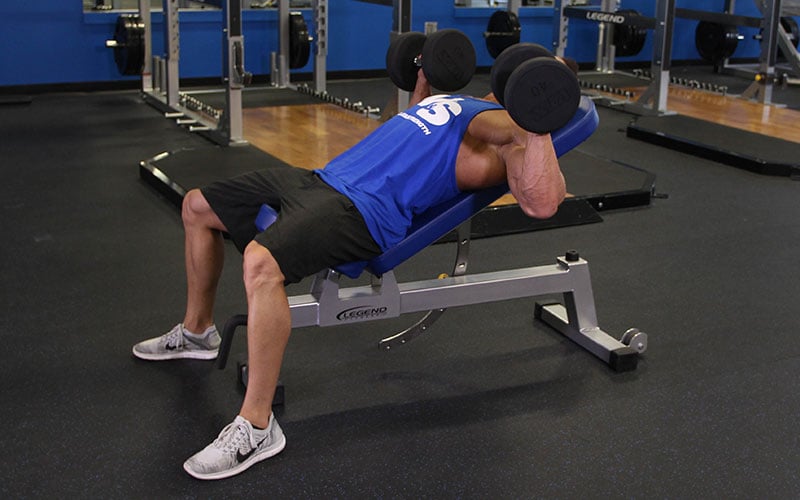
Credit: www.muscleandstrength.com
Choosing The Right Weight
Choosing the right weight for the incline dumbbell press is important for safe and effective workouts. The right weight helps build strength and avoids injury. It also keeps your muscles challenged without overstraining them. Finding this balance needs careful thought and some trial.
Assessing Your Strength Level
Start by understanding your current strength. Test with light dumbbells to find a comfortable weight. Choose a weight you can lift for 8 to 12 reps with good form. If the weight feels too easy, increase it slightly. If you struggle to complete reps, lower the weight.
Starting With Moderate Loads
Pick moderate weights when starting the incline dumbbell press. This helps your muscles get used to the movement. Moderate loads reduce the risk of injury. They also allow you to focus on perfecting your technique. Avoid jumping to heavy weights too soon.
Progressive Overload Principles
Increase weights gradually to build muscle strength. Add small increments every week or two. Keep challenging your muscles without causing pain. Progressive overload helps muscles grow stronger over time. Track your progress and adjust the weight accordingly.
Techniques To Maximize Gains
Techniques to maximize gains during the incline dumbbell press help build strength safely. Using the right methods improves muscle growth and reduces injury risk. Focus on form, tempo, and avoiding errors for better results.
Proper Form And Range Of Motion
Keep your back pressed against the bench to support your spine. Start with dumbbells at shoulder height, palms facing forward. Press the weights upward until your arms are almost straight. Lower the dumbbells slowly to feel the stretch in your chest. Full range of motion activates more muscle fibers.
Controlled Tempo And Breathing
Move the dumbbells with steady speed. Avoid rushing the lift or drop. Take two seconds to lift and three seconds to lower the weights. Breathe out as you push the dumbbells up. Breathe in while lowering the weights. Proper breathing helps maintain control and energy.
Avoiding Common Mistakes
Do not arch your lower back excessively. Avoid locking your elbows at the top of the press. Keep your wrists straight to prevent strain. Don’t use weights that are too heavy to control. Skipping warm-up can lead to injury. Focus on slow, steady movements for better gains.

Credit: strengthlevel.com
Tracking Progress Effectively
Tracking progress is key to improving your incline dumbbell press. It helps you see gains and stay motivated. Without tracking, you might miss signs of plateaus or overtraining. Simple methods can make tracking easy and effective. Let’s explore how reps, sets, training logs, and weight adjustments guide your progress.
Using Reps And Sets As Benchmarks
Count your reps and sets each workout. Track how many reps you complete per set. More reps with the same weight means strength gains. If reps drop, the weight might be too heavy. Consistent reps and sets show steady progress. Use these numbers as clear benchmarks.
Incorporating Training Logs
Write down each workout’s details. Note the weight, reps, and sets for every session. Logs help spot trends over weeks or months. They reveal if you need to rest or push harder. A simple notebook or app works well. Training logs create a clear record of your journey.
Adjusting Weight Based On Performance
Increase weight when you complete all sets easily. Add small increments to avoid injury. Lower weight if form breaks down or reps fall too low. Adjusting weight keeps your muscles challenged safely. Regular changes support continuous strength gains over time.
Safety Tips For Heavy Lifting
Lifting heavy weights during the incline dumbbell press can build strength fast. Safety is the top priority to avoid injuries. Taking the right steps helps protect muscles and joints. It also improves workout results. Follow these safety tips for heavy lifting.
Warm-up Strategies
Start with light weights or bodyweight exercises. This prepares muscles for heavier loads. Move joints gently to increase blood flow. Do 5 to 10 minutes of warm-up before lifting. Stretch the chest, shoulders, and arms carefully. Warm muscles reduce the risk of tears and strains.
Spotter And Equipment Use
Use a spotter for extra safety with heavy dumbbells. A spotter helps control the weights if you lose balance. Check that your bench is stable and secure. Use collars on dumbbells to prevent plates from slipping. Keep the workout area clear of obstacles to avoid accidents.
Listening To Your Body
Pay attention to any pain or discomfort. Stop lifting if you feel sharp pain or unusual strain. Rest between sets to let muscles recover. Avoid pushing beyond your current strength level. Gradually increase weight to build strength safely over time.
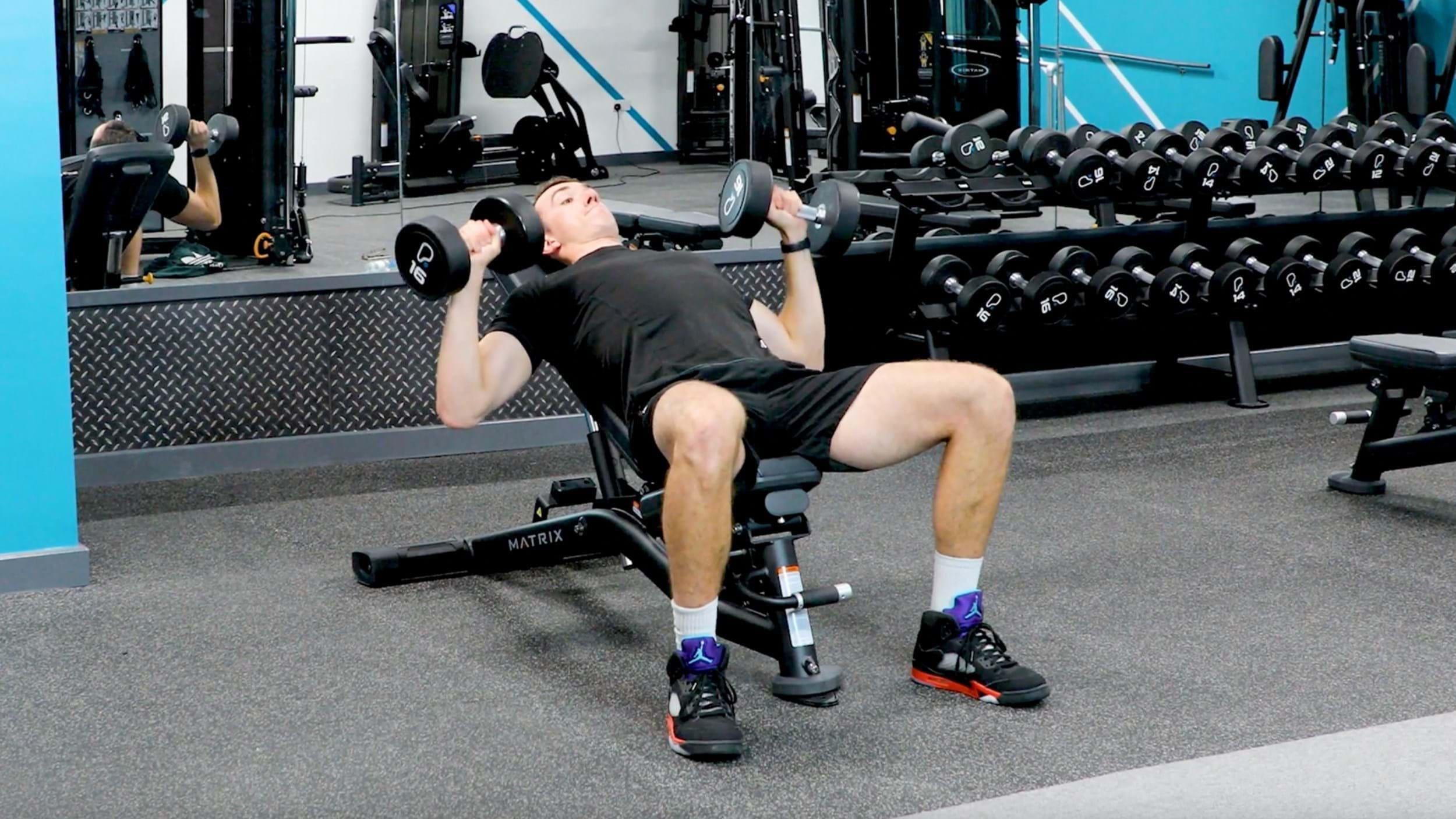
Credit: www.puregym.com
Frequently Asked Questions
How To Choose Weight For Incline Dumbbell Press?
Select dumbbell weight based on your strength and experience. Beginners should start light, around 10-20 lbs. Increase gradually as you gain strength and maintain proper form to avoid injury.
What Is The Ideal Weight For Beginners?
Beginners should use 10-20 lbs dumbbells for incline press. This range helps build muscle safely while learning correct technique and avoiding strain.
How To Progress Weight In Incline Dumbbell Press?
Increase weight by 5-10% once you perform 12-15 reps comfortably. Progressive overload promotes muscle growth and strength gains effectively over time.
Does Weight Vary By Fitness Goals?
Yes, heavier weights (20-50+ lbs) suit strength goals. Moderate weights with higher reps help endurance. Adjust based on your specific fitness objectives.
Conclusion
Choosing the right weight for the incline dumbbell press is key. Start with a weight you can lift with good form. Increase the weight slowly as you get stronger. Focus on control, not just lifting heavy. This helps avoid injuries and builds muscle well.
Listen to your body and rest when needed. Consistency matters more than heavy weights. Keep practicing, and you will see progress. Stay patient and enjoy your workout journey.

