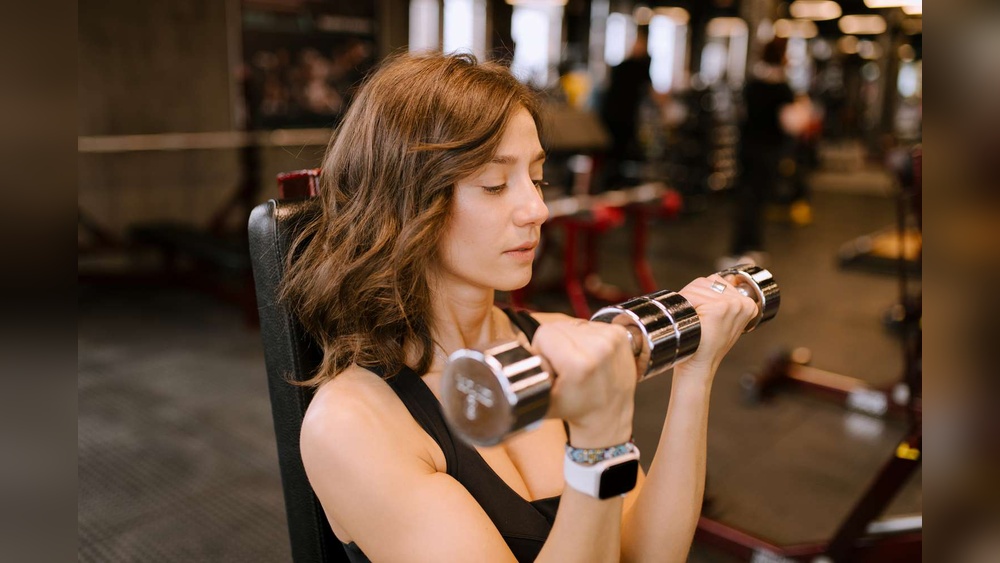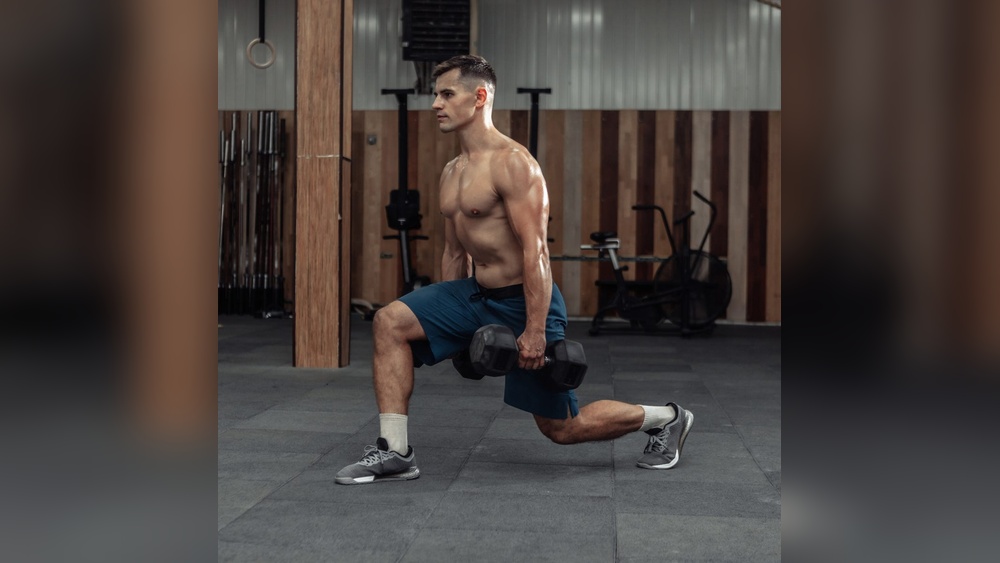
Are you wondering how many dumbbell lunges you should do to see real results? Whether you want to build stronger legs, tone your muscles, or boost your balance, the right number of lunges can make all the difference.
Doing too few might slow your progress, while too many could lead to fatigue or injury. You’ll discover the ideal sets and reps to match your goals and fitness level—so you can work out smarter, not harder. Keep reading to find the perfect dumbbell lunge routine tailored just for you.
Benefits Of Dumbbell Lunges
Dumbbell lunges are a simple yet effective exercise. They help strengthen muscles and improve your body’s function. Using dumbbells adds resistance, making the workout harder and more efficient.
This exercise suits many fitness levels. It builds strength, balance, and burns calories. You can do it almost anywhere, needing only a pair of dumbbells.
Muscle Groups Targeted
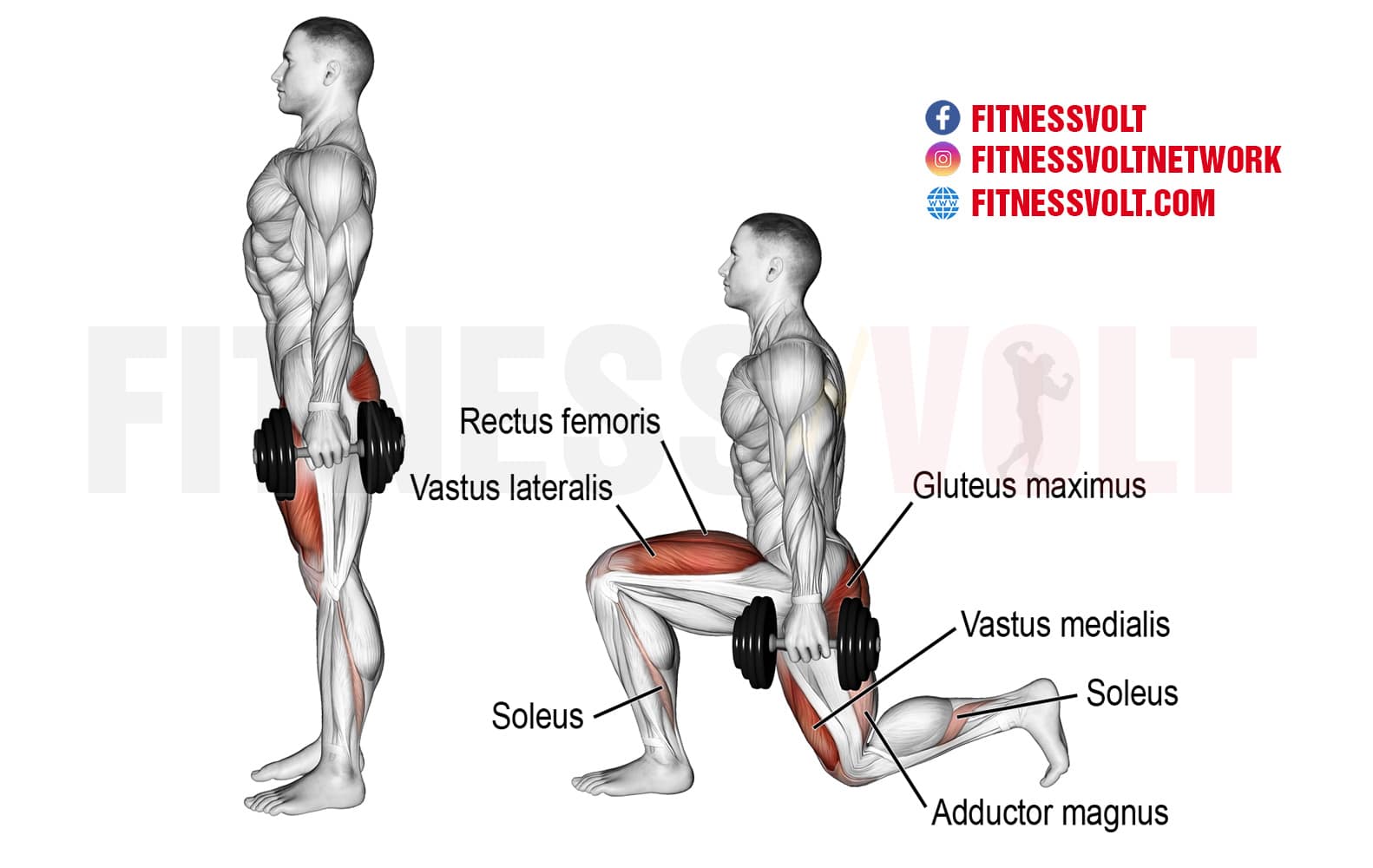
Dumbbell lunges mainly work your legs. Your quadriceps, hamstrings, and glutes get stronger. The exercise also engages your calves and core. Holding dumbbells increases muscle activation. It helps build muscle evenly on both legs.
Improved Balance And Stability
This move challenges your balance. Lunges require control and focus to stay steady. Dumbbells add weight, forcing your body to stabilize more. This improves coordination and joint stability over time. Better balance reduces injury risks in daily life.
Calorie Burn And Fat Loss
Dumbbell lunges burn many calories. They work large muscle groups, which use more energy. Adding dumbbells increases the effort needed. This helps speed up fat loss and improves metabolism. Regular lunges support weight management and fitness goals.
Choosing The Right Weight
Choosing the right weight for dumbbell lunges is key to building strength safely. The weight should challenge your muscles but not cause poor form. Starting with the right weight helps you avoid injury and improve steadily.
Finding your ideal weight depends on your current fitness and goals. You want to feel effort but still control the movement. Below are tips to help pick the best dumbbells for your lunges.
Assessing Your Strength Level
Start with light dumbbells to test your muscle strength. Try 5 to 10 pounds if you are a beginner. Pick a weight that lets you do 10 to 12 lunges with good form.
If the weight feels easy, increase it by small steps. If it feels too hard, lower the weight to avoid strain. Your muscles should feel tired but not shaky or in pain.
Progressive Overload Tips
Gradually increase the weight to build muscle over time. Add 1 to 2 pounds every week or two. This keeps your muscles working harder and growing stronger.
Focus on slow, controlled movements as you add weight. Do not rush or cheat the exercise. Keep your balance steady and posture correct.
Avoiding Common Mistakes
Do not choose weights that are too heavy. This can cause bad form and injury. Avoid leaning forward or letting your knee go past your toes.
Do not hold your breath during lunges. Breathe evenly in and out. Stop if you feel sharp pain or dizziness. Rest and try a lighter weight next time.
Determining Your Reps And Sets
Determining the right number of reps and sets for dumbbell lunges depends on your fitness goals. Your workout will change if you want to build strength, increase endurance, or grow muscle size. Each goal needs a specific rep and set range to be effective. Choosing the right amount helps you get the best results safely.
Reps For Strength
For building strength, keep reps low and sets high. Aim for 4 to 6 reps per set. Use heavier dumbbells that challenge your muscles. Rest for 2 to 3 minutes between sets. This method helps your muscles get stronger over time.
Reps For Endurance
Endurance training needs more reps with lighter weights. Try 15 to 20 reps per set. Do 2 to 3 sets with shorter rests of 30 to 60 seconds. This approach helps your muscles work longer without getting tired.
Reps For Muscle Growth
Muscle growth, or hypertrophy, needs moderate reps and sets. Aim for 8 to 12 reps per set. Use weights that feel challenging but still allow good form. Rest 60 to 90 seconds between sets. This range stimulates muscle size increase effectively.
Credit: www.standardwool.uk
Incorporating Lunges Into Your Routine
Adding dumbbell lunges to your workout helps build strong legs and improve balance. Lunges work several muscles at once, making them a great part of any fitness plan. Knowing how often and how to combine lunges is key for steady progress.
Planning your lunges properly lets you avoid injury and get the best results. Below are some guidelines to help you fit lunges into your routine well.
Frequency Per Week
Perform lunges 2 to 3 times each week for good muscle growth. This allows your legs to work hard but also recover. Avoid daily lunges to prevent muscle strain and fatigue. Consistent sessions help your body adapt and get stronger over time.
Combining With Other Exercises
Mix lunges with squats, deadlifts, or step-ups for a balanced leg workout. Add upper body moves to create full-body sessions. Combining exercises keeps workouts interesting and targets all muscle groups. Change your routine every few weeks to avoid plateaus.
Rest And Recovery
Rest days are essential after lunging workouts to let muscles heal. Aim for at least 48 hours of recovery before lunging again. Stretch and use light activity on rest days to reduce soreness. Proper rest improves performance and lowers injury risk.
Signs You’re Doing Too Much Or Too Little
Knowing how many dumbbell lunges to do is not just about numbers. Your body sends clear signs if you do too much or too little. Paying attention helps you train smart and avoid injury. It also ensures steady progress.
Recognizing Overtraining
Feeling constant muscle soreness is a key sign of overtraining. Your strength might drop instead of rise. Sleep may become restless or short. Joints can ache more than usual. You might lose motivation to exercise. These signals mean your body needs rest.
Identifying Undertraining
Not feeling tired or sore after lunges can mean undertraining. You may not see muscle growth or strength gains. Workouts might feel too easy or boring. Your progress may stall or slow down. These signs suggest you should challenge yourself more.
Adjusting Your Plan
Balance is vital for effective lunges. Increase reps or sets gradually if undertraining shows. Cut back on volume if overtraining symptoms appear. Include rest days to help muscles recover. Track how your body feels during workouts. Adjust your routine based on these signals.
Credit: www.jefit.com
Variations To Enhance Results
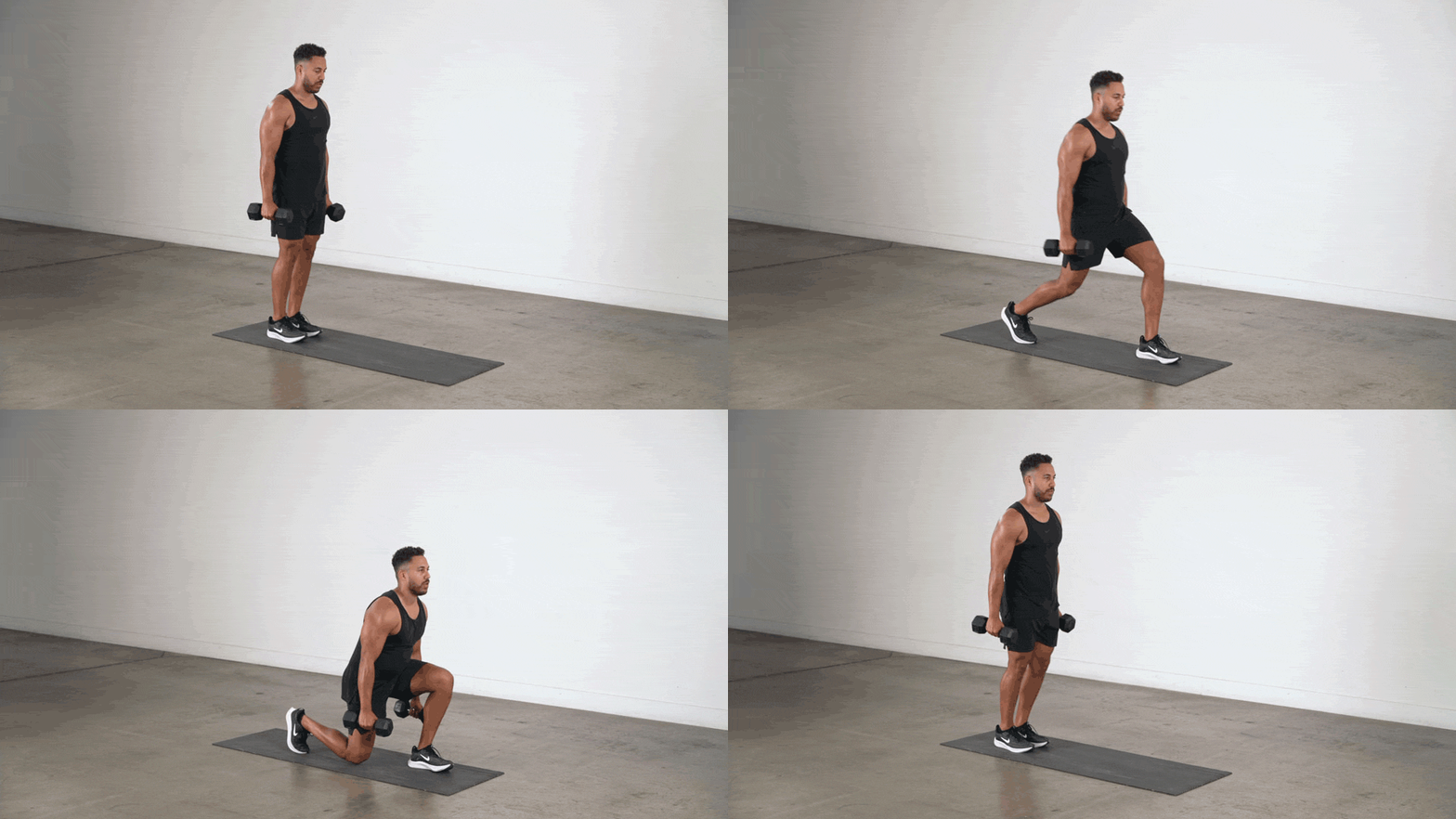
Adding different types of dumbbell lunges can boost your workout results. Variations target muscles in new ways. This variety improves strength, balance, and coordination. Changing your lunge style also helps avoid boredom. Your body adapts better with varied movements.
Reverse Lunges
Step backward instead of forward. This move is easier on the knees. It focuses more on the glutes and hamstrings. Hold dumbbells by your sides for extra resistance. Keep your torso upright and core tight. Alternate legs for a balanced workout.
Walking Lunges
Take a step forward with each lunge. This motion increases your heart rate. It works your legs and core intensely. Carry dumbbells for added challenge. Keep your steps controlled and steady. Walk across the room or in place.
Side Lunges
Step out to the side instead of forward. This targets your inner and outer thighs. Hold dumbbells to increase difficulty. Keep your chest lifted and weight on your heels. Return to the center and repeat on the other side. This move improves hip flexibility and strength.
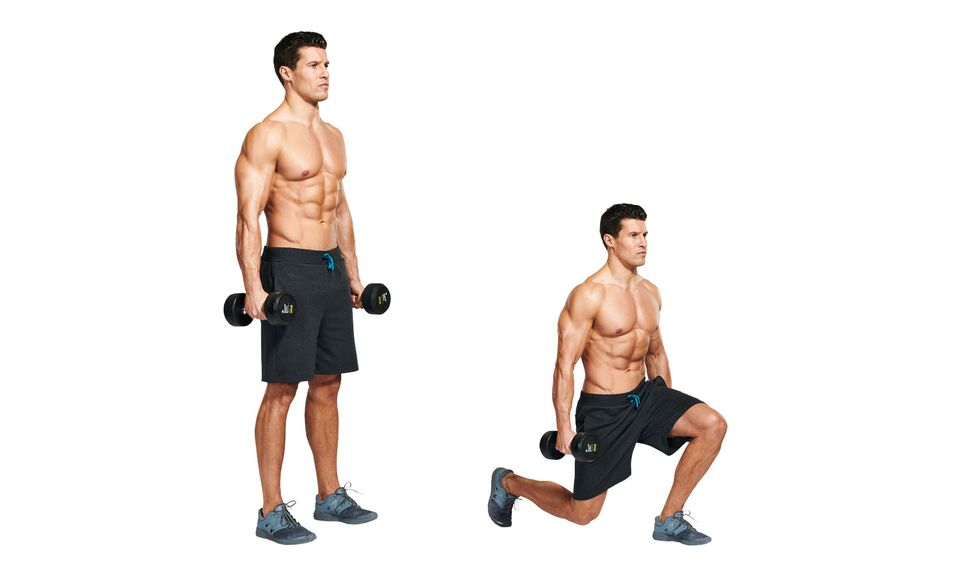
Credit: www.menshealth.com
Frequently Asked Questions
How Many Dumbbell Lunges Are Ideal Per Set?
Perform 8 to 12 dumbbell lunges per set for optimal muscle growth. This range balances strength and endurance effectively.
Should I Do Dumbbell Lunges Every Day?
Avoid daily lunges to prevent muscle fatigue. Aim for 2 to 3 sessions weekly for best results.
How Do Dumbbell Lunges Improve Leg Strength?
Dumbbell lunges target quads, hamstrings, and glutes. They build balanced leg strength and enhance stability.
Can Dumbbell Lunges Help With Weight Loss?
Yes, dumbbell lunges burn calories and boost metabolism. They support fat loss when combined with proper diet.
Conclusion
Dumbbell lunges help build strong legs and improve balance. Start with a small number, like 8 to 12 reps per leg. Focus on good form, not speed. Gradually increase reps as your strength grows. Rest well between sets to avoid injury.
Listen to your body and stop if you feel pain. Consistency matters more than doing many reps at once. Keep your workouts simple and steady for the best results.