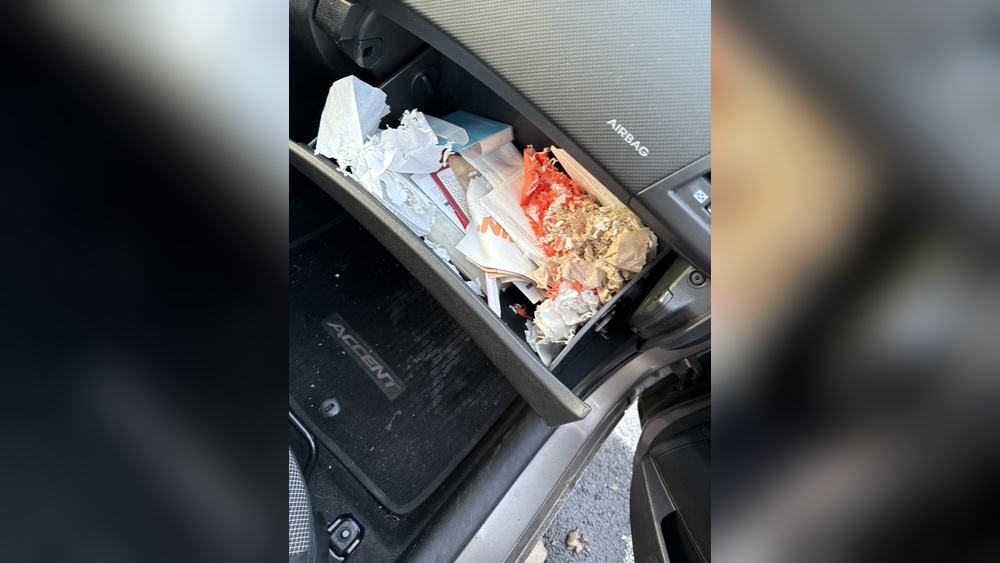
Have you ever opened your car’s glove box and found tiny droppings or even caught a glimpse of a little mouse scurrying inside? It’s frustrating and can leave you wondering—how do mice get into the glove box in the first place?
Understanding how these sneaky creatures find their way into your car is the first step to keeping them out for good. You’ll discover the surprising ways mice slip into your glove box and what you can do to stop them.
Keep reading to protect your car and peace of mind.

Credit: www.reddit.com
Common Glove Box Access Points
Mice are small and clever. They can squeeze through tight spaces to get inside your car’s glove box. Knowing where they enter helps you stop them. Common glove box access points include ventilation openings, hinges, seams, and lock mechanisms. Each spot offers a small gap for mice to explore and invade.
Ventilation Openings
Ventilation openings connect the glove box area to the car’s air system. These openings are often small but enough for mice to enter. Dust and debris might cover them, making it hard to see. Mice follow warm air and scents through these vents.
Hinges And Seams
Hinges and seams are weak spots in the glove box design. The space around hinges can form tiny gaps. Seams where panels meet may not be tightly sealed. Mice use their sharp teeth to widen these gaps and slip inside.
Lock Mechanisms
Lock mechanisms have small crevices and holes. These parts provide mice with entry points. They can push through the spaces around locks. Sometimes, the lock’s internal parts create hollow areas mice like to hide in.

Credit: www.reddit.com
Vehicle Areas Mice Exploit
Mice are very small and can squeeze into tight spaces in vehicles. They look for warm, quiet places to hide and build nests. Several parts of a car offer perfect spots for mice to enter and settle. Understanding these areas helps protect your vehicle from damage and unwanted guests.
These common spots are often overlooked but easy for mice to exploit. They use gaps, vents, and compartments to move inside. Let’s explore three key areas mice use to get into the glove box and other parts of your car.
Engine Compartment
The engine compartment is warm and cozy for mice. They enter through holes or broken seals near the hood. Once inside, they hide in wires and hoses. This space leads to other parts of the vehicle, including the cabin.
Cabin Air Vents
Cabin air vents let fresh air into the car. Mice use these vents as entry points. The vents connect directly to the dashboard and glove box area. Mice can easily crawl through vents to reach safe spots inside.
Dashboard Gaps
The dashboard has small cracks and spaces behind panels. These gaps give mice secret paths to the glove box. They use these openings to nest and hide food. Once inside, mice can cause damage to electronics and insulation.
Mice Behavior And Attraction
Mice enter glove boxes mainly because of their natural behaviors and what attracts them. These small creatures look for places that feel safe and meet their needs. Understanding their habits can help explain why glove boxes become a target.
Seeking Warmth And Shelter
Mice want warm, quiet spaces to hide. Glove boxes offer a cozy spot inside cars. The small enclosed area protects them from cold weather and predators. They feel safe in tight spaces with limited light and noise. This makes glove boxes an ideal shelter during colder months.
Attraction To Food Residue
Mice have a strong sense of smell. Even tiny crumbs or food smells in glove boxes attract them. They search for easy food sources to stay alive. Leftover snacks, wrappers, or spills are invitations for mice. Once they find food, they come back often.
Nesting Tendencies
Mice build nests in places that are hidden and dry. Glove boxes provide a perfect spot to create a nest. They use soft materials like paper or fabric from inside the car. A glove box keeps their nest safe from outside dangers. This makes it a common nesting place for mice.
Preventing Mouse Entry
Stopping mice from entering the glove box helps protect your car and belongings. Mice look for small gaps and cozy spots to hide. Taking steps to block their access keeps them away and avoids damage. Simple actions work well and save trouble later.
Sealing Entry Points
Check for holes or cracks around the glove box area. Use weather stripping, foam, or tape to close these gaps. Make sure vents and wires have no open spaces. Sealing entry points removes easy ways for mice to enter. Small gaps can invite unwanted guests inside.
Regular Cleaning Practices
Keep the glove box clean and free of food crumbs. Remove any wrappers or snacks that attract mice. Clean the car interior often to avoid smells that lure rodents. A tidy glove box is less interesting to mice. Dirt and debris give them places to hide.
Using Repellents And Traps
Place natural repellents like peppermint oil near the glove box. Mice dislike strong scents and tend to avoid them. Use traps as a backup to catch any that get inside. Check traps regularly and remove caught mice safely. Repellents and traps reduce the chance of mice staying in your car.
Signs Of Mouse Infestation In Glove Box
Knowing the signs of a mouse infestation in your glove box helps catch problems early. Mice leave clear clues behind. These clues show their presence even if you do not see them directly. Watch closely for small changes inside your glove box. Early detection saves your car from damage and health risks.
Droppings And Odors
Small, dark droppings are a key sign of mice. They leave these pellets near food or nesting spots. The droppings can spread germs and cause allergies. A strong, musty smell also signals a mouse problem. The odor comes from their urine and nesting materials. This smell is often sour and unpleasant.
Chewed Materials
Mice chew on many items inside the glove box. Look for shredded paper, fabric, or plastic bits. They gnaw wires and rubber parts, which can cause car issues. Chewing helps mice shape nests and keep teeth sharp. Torn or damaged items are proof of their activity.
Unusual Noises
Soft scratching or scurrying sounds come from mice moving. These noises occur mostly at night or when the car is parked. You might hear them inside the glove box or nearby panels. Such sounds mean mice are active and nesting close.

Credit: www.reddit.com
Frequently Asked Questions
How Do Mice Find Their Way Into A Glove Box?
Mice enter through small gaps or vents near the glove box. They seek warmth, shelter, and food inside vehicles. The glove box offers a cozy, hidden space, making it an attractive spot for them to nest.
Why Do Mice Choose The Glove Box To Hide?
The glove box is dark, enclosed, and rarely disturbed. It provides safety from predators and cold weather. Mice also find crumbs or food wrappers inside, making it an ideal shelter and feeding spot.
What Signs Indicate Mice Are In The Glove Box?
Look for droppings, chewed papers, or a strong musty odor. Scratching noises or nests made of shredded materials can also suggest mice presence. These signs help detect early infestation and prevent damage.
Can Mice Damage Items Inside The Glove Box?
Yes, mice chew wires, papers, and plastic items inside the glove box. This can cause electrical issues or destroy important documents. Early detection helps avoid costly repairs and protects your belongings.
Conclusion
Mice enter glove boxes through small gaps and openings. They seek warmth, shelter, and food inside cars. Keeping your vehicle clean helps stop mice from coming in. Seal any holes or cracks near the glove box. Regularly check for signs of mice to catch problems early.
Taking simple steps can protect your car from damage. Stay alert and keep your glove box mouse-free.