Have you ever found yourself locked out of your bike, staring at the lock, wishing you had a quick way to get it open? Knowing how to hack a bike lock can save you time and frustration when you’re in a pinch.
Imagine being able to unlock your bike without damage or hassle, right when you need it most. You’ll discover simple, effective techniques to open your bike lock safely and responsibly. Keep reading, because what you learn here could be a game changer for your daily rides.
Types Of Bike Locks
Bike locks come in many types. Each type offers different security levels and convenience. Knowing these types helps you choose the right lock for your bike.
Cable Locks
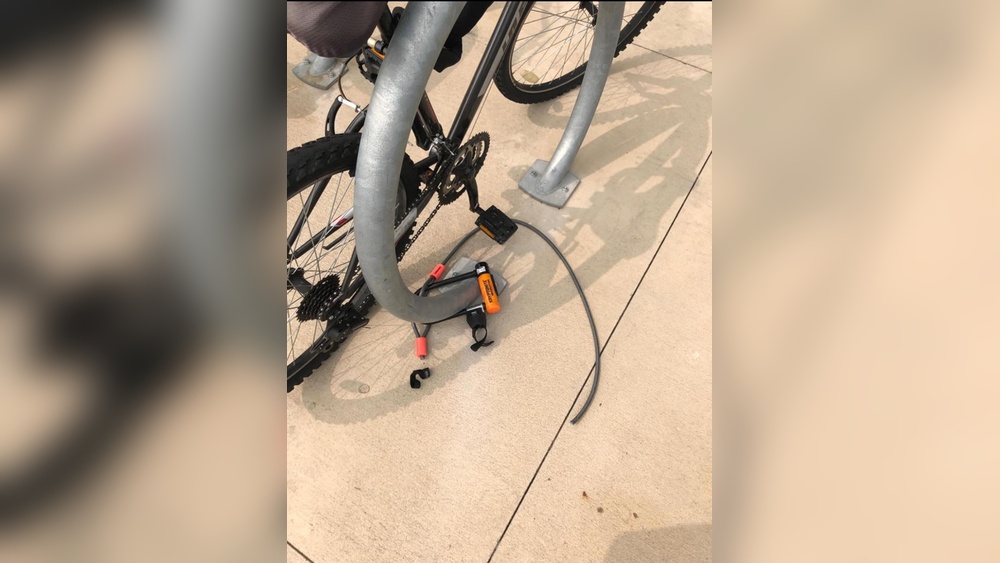
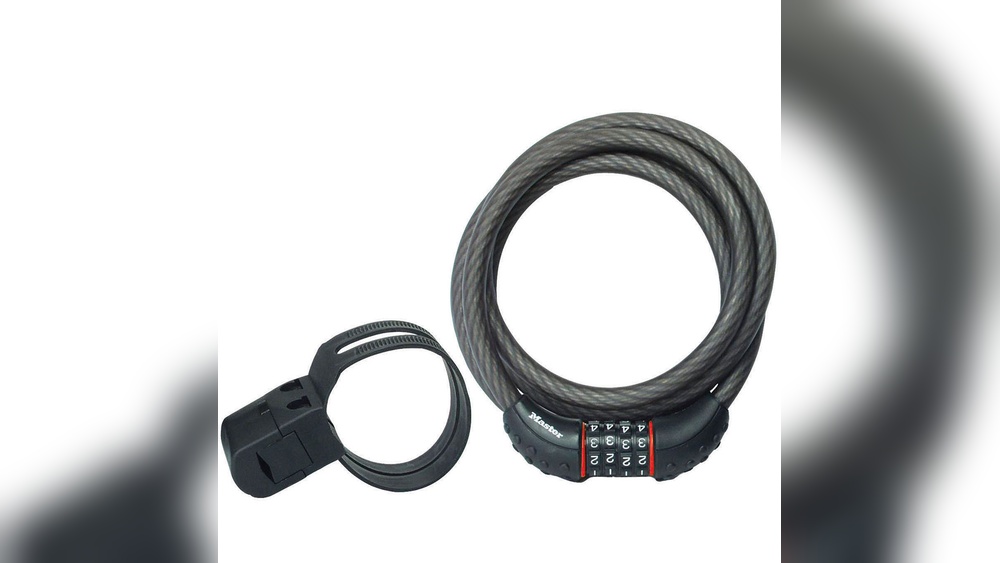
Cable locks use a flexible steel cable covered in plastic. They are lightweight and easy to carry. These locks work well for low-risk areas. They offer less security against cutting tools.
U-locks
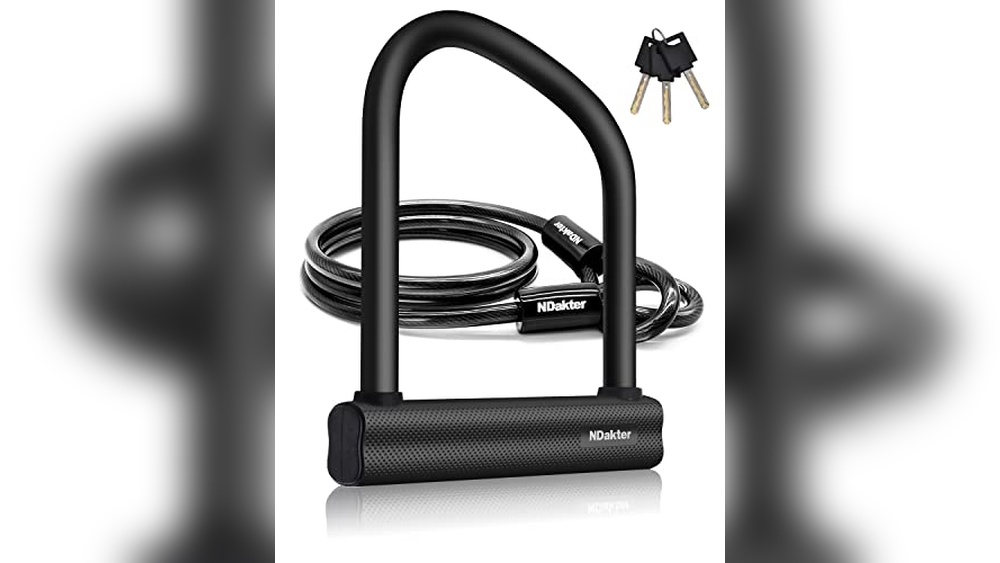
U-locks are shaped like a “U” and made of hardened steel. They provide strong protection against theft. These locks are heavy but very durable. Best for securing the frame and a wheel.
Chain Locks
Chain locks use thick metal links with a lock. They are heavy but very strong. Chains resist cutting and sawing better than cables. Good for securing bikes in risky areas.
Folding Locks
Folding locks combine metal plates connected by rivets. They fold into a compact shape for easy carrying. These locks offer good security and flexibility. Useful for locking bikes to irregular objects.
Common Weaknesses In Bike Locks
Bike locks often have weak points that thieves exploit. Understanding these common weaknesses helps protect your bike better. Some locks fail because of the materials used. Others have flaws in the locking system itself. Wear and tear also make locks easier to break over time.
Material Vulnerabilities
Many bike locks use cheap metals that cut or break easily. Thin cables or chains can be sliced with basic tools. Some locks use plastic parts that crack under pressure. Stronger metals like hardened steel resist cutting and breaking better. Knowing the material’s strength can help choose a safer lock.
Locking Mechanism Flaws
Lock designs can have weak points inside the mechanism. Simple locks use pins or springs that pick easily. Some locks have exposed parts that tools can manipulate. Low-quality locks might have poor key alignment, making them easy to pick. Complex mechanisms offer better protection against tampering.
Wear And Tear Issues
Old locks weaken with time and use. Rust can cause parts to stick or break. Dirt and grime block smooth operation, making locks easier to force open. Worn keys and cylinders increase vulnerability. Regular maintenance and replacement keep locks strong and reliable.
Tools For Quick Access
Accessing a bike lock quickly requires the right tools. Each tool serves a specific purpose and works best on certain types of locks. Knowing which tool to use can save time and effort. Here is a list of common tools used for quick access to bike locks.
Lock Picking Sets
Lock picking sets include small tools like picks and tension wrenches. They are designed to manipulate the lock’s pins. These tools work well on pin tumbler locks. Using them needs patience and practice. Lock picking sets are quiet and do not damage the lock.
Bolt Cutters
Bolt cutters are heavy-duty tools with sharp jaws. They cut through chains, bolts, or padlocks quickly. These tools require physical strength and space to use. Bolt cutters leave the lock unusable after cutting. They are effective on locks made of thin metal.
Shim Tools
Shim tools are thin pieces of metal used to bypass locking mechanisms. They slide between the lock and shackle. Shims work best on spring-loaded locks. These tools need careful handling and some skill. Shimming does not harm the lock, keeping it reusable.
Alternative Tools
Sometimes, everyday items can act as alternative tools. Items like hairpins, paperclips, or small screwdrivers can help. These tools mimic lock picking or shimming actions. They are useful in emergencies or when proper tools are unavailable. Alternative tools need creativity and patience to use.

Credit: www.wikihow.com
Lock Picking Techniques
Lock picking techniques are simple tools used to open bike locks without keys. These methods focus on understanding how locks work. Using basic tools and skills, you can try to pick a lock carefully. Each method has a unique way of manipulating the lock’s pins.
Learning these techniques helps understand lock mechanisms better. It also shows why good locks have strong security features. Below are three common lock picking methods used by beginners and experts alike.
Single Pin Picking
Single pin picking works by lifting one pin at a time inside the lock. The goal is to set each pin to the right height. This frees the lock cylinder to turn. It needs patience and a delicate touch. A small pick tool and tension wrench are used together. Feeling each pin’s position is very important.
Raking Method
The raking method moves many pins quickly with a special rake tool. You slide the rake back and forth inside the lock. This can set several pins at once. It is faster but less precise than single pin picking. Raking is useful for simpler locks with loose pins. It works well for beginners practicing their skills.
Using Tension Wrenches
Tension wrenches apply slight pressure to the lock’s core. This pressure holds pins in place after they are picked. Without tension, the pins reset and the lock stays closed. Applying the right amount of force is key. Too much or too little tension makes picking harder. Tension wrenches come in different shapes and sizes. They are essential tools for both single pin picking and raking.
Bypassing Locks Without Picking
Bypassing bike locks without picking offers a quick way to open locks without detailed tools. It works by exploiting weaknesses in the lock’s design. This method avoids the need to manipulate pins or tumblers inside the lock.
Many locks have vulnerabilities that allow bypassing. Understanding these can help open locks faster and with less effort. Here are some common techniques used to bypass bike locks.
Shim Insertion
Shimming uses a thin piece of metal or plastic. This shim slides between the lock body and the shackle. The goal is to push the locking mechanism aside. When done correctly, the shackle releases without touching the pins.
Shimming works best on padlocks with spring-loaded catches. Locks with solid locking bars resist shim insertion. Practice and patience improve shim success. Small, flexible shims often work best.
Force Methods
Force methods use physical strength or tools to open locks. This includes twisting, pulling, or striking the lock. Some locks can be forced open with pliers or crowbars. Others may break under pressure or impact.
Force techniques risk damaging the lock or bike. They require caution and the right tools. Not all locks respond well to force. High-quality locks often resist these attacks.
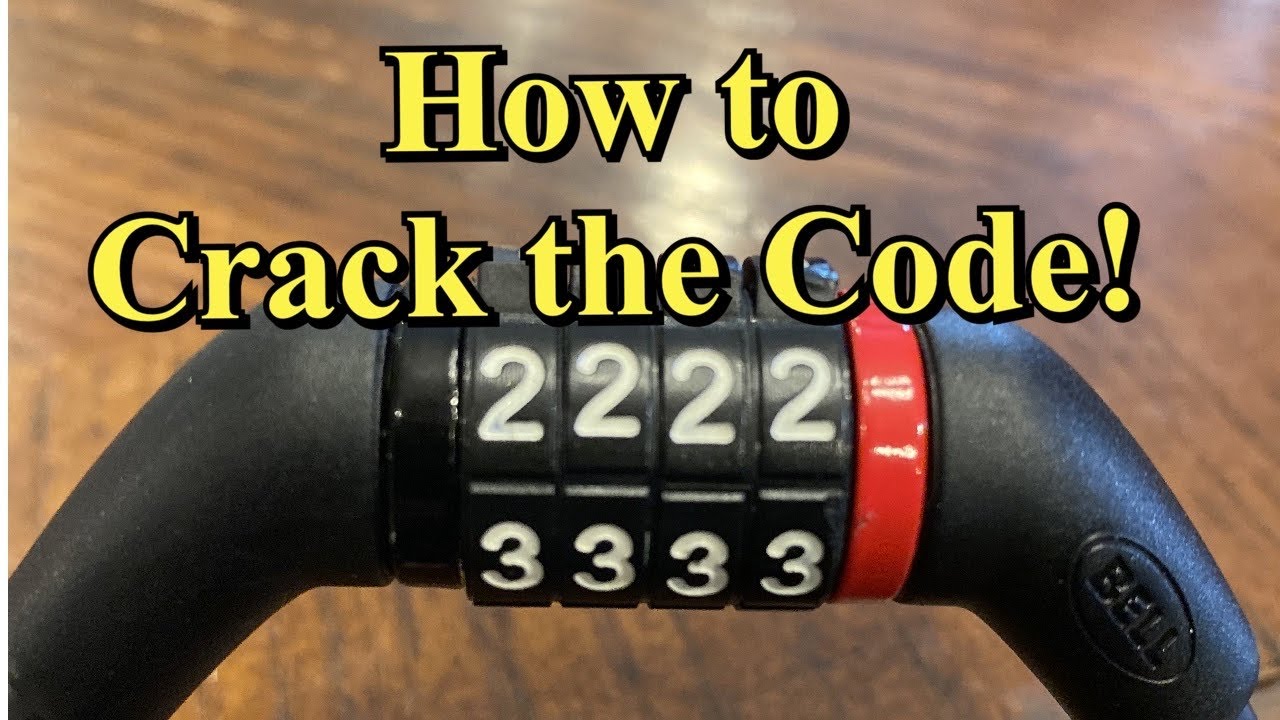
Decoding Combination Locks
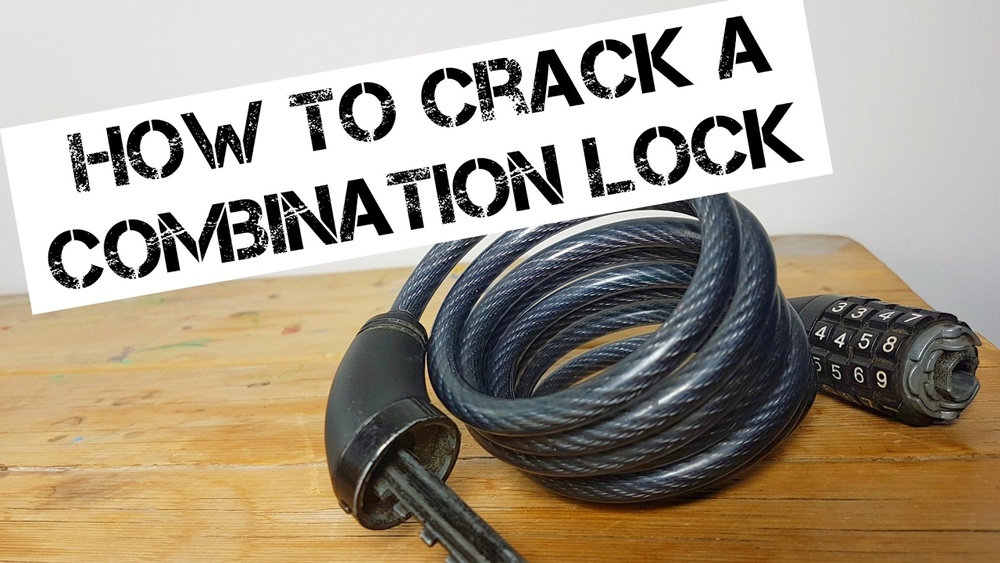
Decoding involves finding the correct combination without guessing blindly. This uses feel or sound to detect the right numbers. Turning the dial slowly helps identify subtle clicks or resistance.
Each number in the combination causes a small change in tension. Listening and feeling these changes reveals the code. Decoding takes time but avoids damage. It works well on many common combination locks.
Credit: www.youtube.com
Safety And Legal Considerations
Understanding safety and legal rules is key before trying to hack a bike lock. It is not just about skill but also about doing things the right way. Wrong actions can cause big trouble. This section guides you on how to stay safe and follow the law. It also covers how to use these skills in an honest way and protect your own bike.
Avoiding Illegal Activities
Breaking into a bike lock that is not yours is against the law. It can lead to serious penalties, including fines and jail time. Always make sure you have permission to open a lock. Using these skills for theft or damage is a crime. Stay clear of any action that could be seen as illegal.
Ethical Use Of Lock Bypassing Skills
Use your lock-picking skills to help, not harm. For example, assist friends who lose their keys. Teach others about bike security to spread good knowledge. Respect others’ property at all times. Being ethical builds trust and keeps you out of trouble.
Protecting Your Own Bike
Knowing how to bypass a lock helps you protect your bike better. You can test your lock’s strength and find weak points. Change your lock if it is easy to open. This knowledge can save your bike from thieves. Always keep your bike in safe places.
Preventing Unauthorized Access
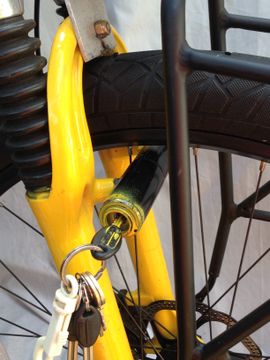
Preventing unauthorized access to your bike is very important. A strong lock and smart habits keep your bike safe. Small steps can stop thieves from stealing your ride. Focus on choosing the right lock and using it correctly. Extra security can make a big difference.
Choosing Strong Locks
Select locks made from hardened steel. These resist cutting and breaking tools well. U-locks are harder to break than cable locks. Look for locks with high security ratings. Avoid cheap locks that are easy to cut. A good lock is the first step to protection.
Proper Locking Techniques
Always lock your bike frame, not just the wheels. Secure it to a fixed object like a bike rack. Keep the lock off the ground to avoid leverage attacks. Fill the lock space as much as possible. This makes it harder for thieves to insert tools. Double-check the lock before leaving your bike.
Additional Security Measures
Use more than one lock for better security. Consider alarms or GPS trackers for extra protection. Park in well-lit, busy areas to deter thieves. Remove easily taken parts like lights or saddles. Register your bike with local authorities or online databases. These steps reduce the chance of theft.
Credit: www.instructables.com
Frequently Asked Questions
How Can I Legally Unlock A Bike Lock If I Lost The Key?
Contact the lock manufacturer with your bike’s serial number and proof of ownership. They may provide a replacement key or guidance.
What Tools Are Commonly Used To Hack Bike Locks?
Lock picking sets, bolt cutters, and shim tools are common. However, using these without permission is illegal and unethical.
Are All Bike Locks Equally Easy To Hack?
No, high-security locks with advanced mechanisms are much harder to hack than basic cable or combination locks.
Can I Hack My Own Bike Lock Without Damaging It?
Yes, skilled lock picking can open some locks without damage, but it requires practice and the right tools.
Conclusion
Knowing how to hack a bike lock can help in emergencies only. Always respect other people’s property and laws. Practice these methods on your own locks first. Stay safe and use this knowledge wisely. Protect your bike with strong, reliable locks.
Remember, prevention is better than cure. Keep your bike secure to avoid trouble. Use these tips to understand lock security better. Stay alert and be responsible.