Are you struggling to find the right weight for your dumbbell lateral raises? Choosing the right weight can make all the difference in building strong, defined shoulders without risking injury.
If you pick a weight that’s too light, you won’t see results; too heavy, and you might hurt yourself or lose proper form. You’ll discover exactly how to pick the perfect dumbbell weight for your lateral raises—so you can boost your shoulder strength and shape safely and effectively.
Keep reading to unlock the key to better workouts and faster progress.
Benefits Of Dumbbell Lateral Raises
Dumbbell lateral raises bring many benefits to your shoulder workouts. This simple exercise targets specific muscles to help shape and strengthen your shoulders. It also improves balance and overall upper body strength. Performing lateral raises regularly helps build a well-rounded physique and supports daily movements.
Choosing the right weight is important for maximum benefits. Start light and increase gradually to avoid injury and get the best results.
Targeted Shoulder Muscle Growth
Dumbbell lateral raises focus on the middle part of your shoulder muscles. This area is called the lateral deltoid. Working this muscle helps widen your shoulders and gives a strong, defined look. It also improves muscle tone and endurance. Consistent training with proper weight helps muscles grow steadily.
Improved Shoulder Stability
This exercise strengthens small muscles around the shoulder joint. These muscles keep your shoulder stable during movements. Better stability reduces the risk of injury in sports and daily tasks. It also supports other lifts like bench press and overhead press. Strong stabilizers improve overall shoulder health.
Enhanced Upper Body Strength
Dumbbell lateral raises build strength in your shoulders and upper arms. Strong shoulders help with pushing, pulling, and lifting actions. This strength carries over to many exercises and activities. It also helps maintain good posture and reduces fatigue. Regular practice increases your overall upper body power.

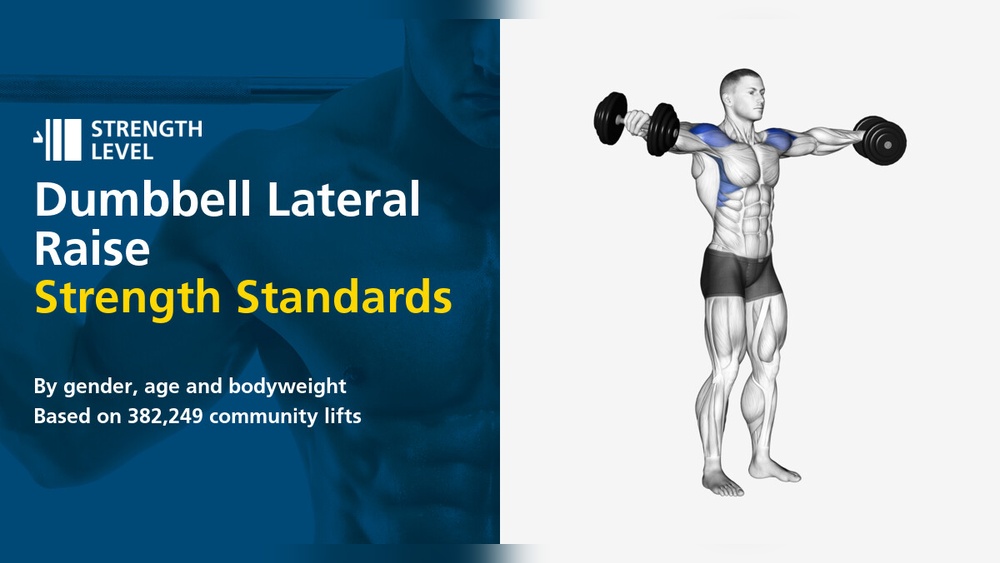
Credit: strengthlevel.com
Factors Affecting Weight Selection
Selecting the right weight for dumbbell lateral raises is important. The weight affects your results and safety. Many factors influence this choice. Understanding these helps you pick the best weight for your workout. This section explains the main factors that affect weight selection.
Current Fitness Level
Your fitness level guides how much weight to use. Beginners should start with light weights. This builds strength slowly and avoids injury. Advanced lifters can handle heavier weights. They have stronger muscles and better control. Choose a weight that challenges you but still feels safe.
Experience With Dumbbell Exercises
Experience changes how you pick weights. If new to dumbbell moves, start small. Learn the correct form first. Using too much weight can cause poor technique. Experienced users know their limits. They can increase weight gradually. This helps improve muscle strength and shape.
Shoulder Health And Mobility
Your shoulder condition affects weight choice. Weak or injured shoulders need lighter weights. This prevents pain and further damage. Good shoulder mobility allows for better movement. It supports using moderate to heavy weights. Always listen to your body to avoid strain.
Finding Your Starting Weight
Finding the right starting weight for dumbbell lateral raises is key to building strong shoulders safely. Start with a weight that lets you focus on your form without strain. Choosing the right weight helps avoid injury and improves muscle growth.
Begin light and increase gradually. This approach helps your muscles adapt and keeps your workout effective.
Testing With Light Weights
Pick dumbbells that feel easy to lift. Try 2 to 5 pounds if you are new. Lift the weights slowly and smoothly. You should feel your shoulder muscles working, not pain. If the weight feels too heavy, go lighter. Testing light weights helps you find your perfect start.
Recognizing Proper Form
Stand tall with feet shoulder-width apart. Hold dumbbells at your sides. Raise your arms sideways until they reach shoulder height. Keep elbows slightly bent and wrists straight. Avoid swinging or using momentum. Proper form means controlled movement and muscle engagement. The right weight lets you keep this form for 10 to 15 reps.
Avoiding Common Mistakes
Do not lift weights that force jerky motions. Avoid shrugging your shoulders or leaning back. Do not bend your wrists or lock elbows. Using too much weight causes poor form and risk of injury. Stick to light weights until your muscles get stronger. Mistakes slow progress and can cause pain.
Progressive Overload Strategies
Progressive overload is key to building stronger, more defined shoulders with dumbbell lateral raises. It means gradually increasing the challenge to your muscles over time. This helps muscles grow and adapt without causing injury or burnout. Here are practical strategies to apply progressive overload effectively.
Incremental Weight Increases
Start with a weight that feels manageable but challenging. Add small weight jumps regularly, like 1 or 2 pounds. This steady increase forces your muscles to work harder. Avoid big jumps that can strain your shoulders or cause bad form. Slow and steady wins the race.
Tracking Performance
Keep a simple workout log. Write down the weight, reps, and sets each session. This helps see progress over time. Tracking motivates you and shows when to increase weight or reps. It also prevents doing the same routine without improvement.
Balancing Volume And Intensity
Volume means total reps and sets; intensity is the weight used. Increase one while keeping the other steady. For example, add more reps before adding weight. Or raise weight and lower reps. Balancing both avoids burnout and keeps progress steady.
Signs Your Weight Is Too Heavy Or Light
Choosing the right weight for dumbbell lateral raises is crucial for effective workouts. Too heavy or too light weights reduce your progress. Watch for clear signs during your exercise. These signs help you adjust the weight to match your strength and goals.
Form Breakdown
Using weights that are too heavy often causes your form to break down. You might swing your body or use momentum to lift the dumbbells. Your shoulders should stay steady, and your arms should move smoothly. Poor form reduces workout benefits and may cause injury.
Muscle Fatigue Vs. Joint Pain
Muscle fatigue feels like burning or tiredness in your shoulder muscles. This is normal and means your muscles are working. Joint pain, especially sharp or lasting pain in shoulders or elbows, signals too much weight. Stop immediately if joint pain occurs to avoid harm.
Lack Of Muscle Engagement
Using weights that are too light means your shoulder muscles do not fully engage. You might finish the sets without feeling any challenge or tiredness. This lowers the workout’s effectiveness and slows muscle growth. Choose a weight that makes your muscles work but keeps your form correct.

Credit: www.muscleandstrength.com
Recommended Weight Ranges By Experience
Choosing the right dumbbell weight for lateral raises depends on your experience level. Using the proper weight helps build shoulder strength safely. Too heavy weights can cause injury or poor form. Too light weights may not challenge your muscles enough.
Below are recommended weight ranges for different experience levels. These ranges provide a good starting point. Adjust the weight based on your comfort and strength.
Beginners
Start with light dumbbells to learn the movement. Weights between 2 to 5 pounds are suitable. Focus on slow, controlled lifts. Keep your arms slightly bent. Perfect form is more important than heavy weights.
Intermediate Lifters
Increase the weight as your strength improves. Dumbbells from 5 to 12 pounds work well. Aim for 8 to 12 repetitions per set. Maintain steady control throughout each raise. Avoid swinging or using momentum.
Advanced Trainers
Advanced lifters can handle heavier dumbbells. Weights from 12 to 20 pounds or more are common. Prioritize form and muscle engagement over just lifting heavy. Use slower lifts for better muscle activation. Consider adding pauses at the top of the movement.
Safety Tips For Lateral Raises
Safety matters a lot during dumbbell lateral raises. Using the right weight helps avoid injuries. Following proper safety tips keeps your shoulders strong and pain-free. This section covers key points to stay safe and effective in your workout.
Warm-up Importance
Warming up prepares your muscles for exercise. It increases blood flow and reduces injury risk. Spend 5 to 10 minutes on light cardio or arm circles. Warm muscles handle weight better and move more smoothly.
Controlled Movements
Lift dumbbells slowly to keep control. Fast or jerky moves strain muscles and joints. Focus on steady lifts and slow lowers. Controlled movements build strength and protect your shoulders.
Rest And Recovery
Give your muscles time to heal after workouts. Rest prevents overuse injuries and muscle fatigue. Take at least one day off between shoulder sessions. Proper recovery improves performance and keeps you injury-free.

Credit: centromedicoloira.com
Alternative Exercises For Shoulder Development
Alternative exercises can help build strong and shaped shoulders. They add variety to your workouts and target muscles differently. This helps avoid plateaus and keeps training interesting.
Using different tools and methods also reduces injury risk. You can train shoulders even without dumbbells. These options work well for beginners and advanced lifters.
Cable Lateral Raises
Cable lateral raises provide constant tension on shoulder muscles. The cable machine allows smooth and controlled movement. You can adjust the weight easily for your strength level.
This exercise targets the middle deltoid well. It helps improve shoulder shape and strength. You can perform single-arm or both arms at once.
Machine Shoulder Raises
Machine shoulder raises guide your arm movement safely. The machine supports proper form and reduces cheating. It is a good choice for beginners or those with joint pain.
Adjust the weight stack based on your ability. This exercise strengthens side delts and improves muscle balance. It also helps isolate the shoulder muscles effectively.
Bodyweight Shoulder Workouts
Bodyweight exercises train shoulder muscles without weights. Movements like pike push-ups and handstand holds build strength and stability. These exercises improve shoulder endurance and control.
They are easy to do anywhere and require no equipment. Bodyweight workouts develop shoulder muscles naturally and safely. Great for warm-ups or adding variety to your routine.
Frequently Asked Questions
What Weight Should Beginners Use For Dumbbell Lateral Raises?
Beginners should start with light weights, typically 3 to 5 pounds. This helps maintain proper form and reduces injury risk while building shoulder strength gradually.
How To Choose The Right Dumbbell Weight For Lateral Raises?
Select a weight that allows 12-15 controlled reps without strain. The weight should challenge your muscles but not compromise your form or cause pain.
Can Too Heavy Dumbbells Harm Your Lateral Raise Results?
Yes, using heavy dumbbells can cause poor form and shoulder injury. It limits muscle activation and reduces the exercise’s effectiveness, leading to less optimal results.
How Does Dumbbell Weight Affect Muscle Growth In Lateral Raises?
Proper weight triggers muscle fatigue, essential for growth. Using manageable weights ensures correct form, maximizing shoulder muscle engagement and promoting balanced muscle development.
Conclusion
Choosing the right dumbbell weight matters for good results. Start with light weights to keep your form correct. Slowly add weight as your strength grows. Avoid lifting too heavy to prevent injury. Focus on steady, controlled movements during each raise.
Consistency helps build strong, toned shoulder muscles. Remember, progress takes time and patience. Keep practicing regularly for best outcomes. Your shoulders will thank you later.