Are you wondering if dumbbell squats can really help you build stronger abs? You might think squats are just for your legs and glutes, but there’s more to the story.
What if the secret to tightening your core is right in your hands every time you pick up those dumbbells? Keep reading to discover how this simple move could be a game-changer for your abs and why adding dumbbell squats to your routine might be exactly what your workout has been missing.
Your stronger core starts here.
Dumbbell Squats And Core Activation
Dumbbell squats are more than just a leg workout. They also engage your core muscles deeply. Holding dumbbells while squatting forces your body to stabilize. This action activates the muscles in your abdomen. Core strength helps maintain balance and proper form during the exercise.
Strong core muscles reduce the risk of injury. They support your spine and improve posture. Dumbbell squats challenge your core by requiring control and steadiness. This makes them effective for core activation and overall strength.
Muscles Engaged During Dumbbell Squats
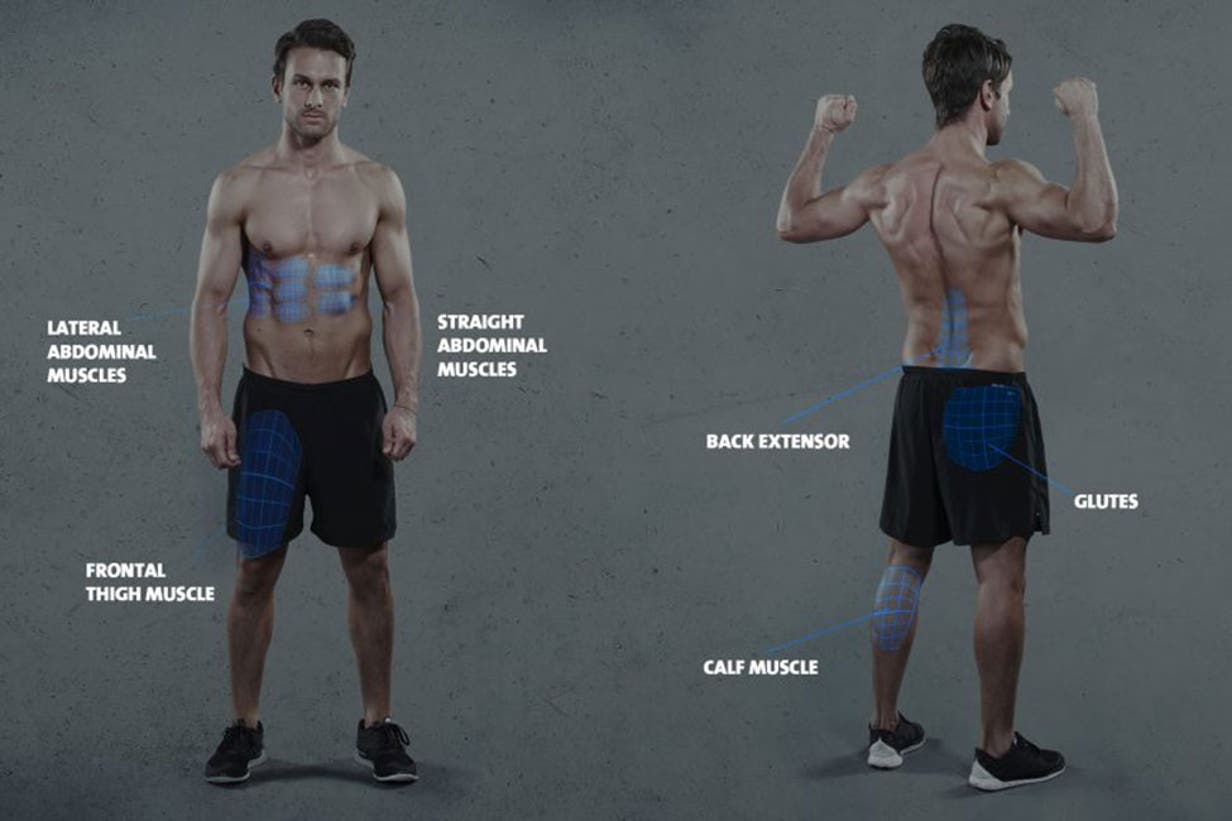
Dumbbell squats primarily target your thighs, hips, and buttocks. The quadriceps, hamstrings, and gluteal muscles do most of the work. Your calves and lower back also assist in the movement.
Core muscles, including the abs and obliques, engage to stabilize the body. Holding dumbbells adds extra demand on these muscles. They must keep your torso upright and steady through each squat.
Role Of Abs In Stability
The abs act like a natural weight belt. They tighten to protect your spine during heavy lifts. This tightening helps maintain balance and control.
During dumbbell squats, your abs prevent your body from tipping forward. They keep your chest lifted and your back straight. Without strong abs, your form can break down, risking injury.
How Dumbbell Squats Target Core
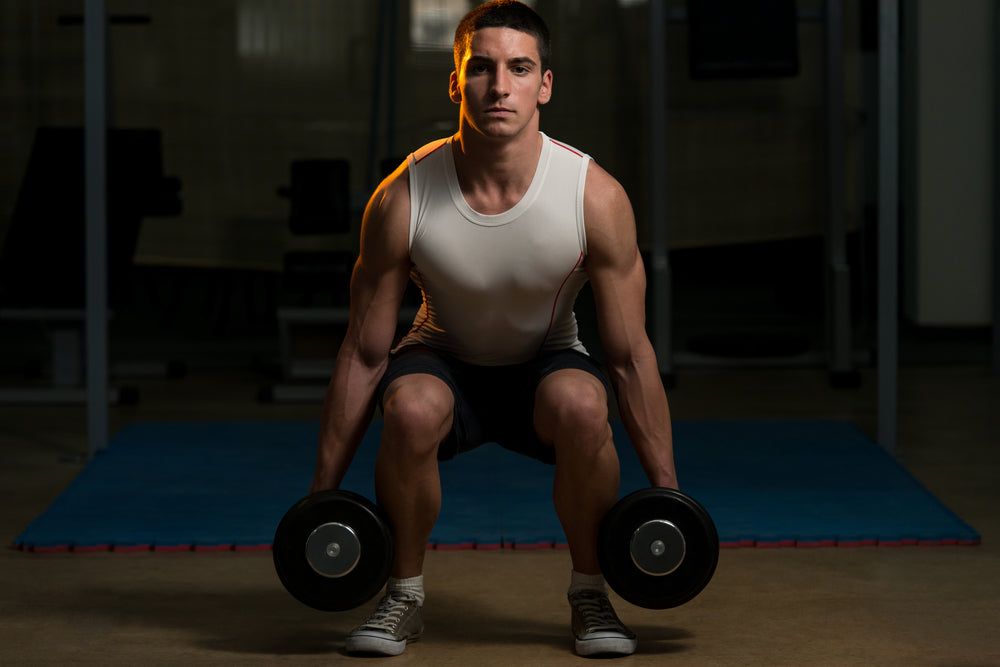
Holding dumbbells at your sides forces your core to work harder. It resists the pull of gravity and weight shifts. Your abs contract to keep your body aligned.
This constant tension builds core strength over time. Dumbbell squats engage both the front and side abdominal muscles. This helps develop a balanced and functional core.
Benefits For Core Strength
Dumbbell squats are not just for legs. They also help strengthen your core muscles. The core includes your abs, lower back, and hips. These muscles keep your body stable and balanced during many activities. Using dumbbells adds extra weight, making your core work harder. This builds strength and improves body control.
Improved Balance And Posture
Holding dumbbells challenges your body to stay steady. Your core muscles activate to keep you upright. This helps improve your balance over time. Better balance means you move more smoothly and avoid falls. Strong core muscles also support good posture. You stand taller and reduce back pain risks.
Enhanced Functional Strength
Dumbbell squats mimic real-life movements like lifting and bending. Your core works hard to stabilize your spine. This makes everyday tasks easier and safer. You gain strength that helps in sports and daily chores. Functional strength means your body performs better in all activities.
Increased Muscle Endurance
Adding dumbbells increases the effort your core must make. This improves muscle endurance, so your core tires less quickly. A strong and enduring core helps you stay active longer. It supports your body during long workouts or physical work. Over time, this reduces fatigue and risk of injury.
Proper Form To Maximize Core Work
Proper form is key to get the best core workout from dumbbell squats. Holding the dumbbells adds weight, but your abs work only if you brace them right. This section shows how to keep your core tight and safe during each squat.
Correct Squat Technique
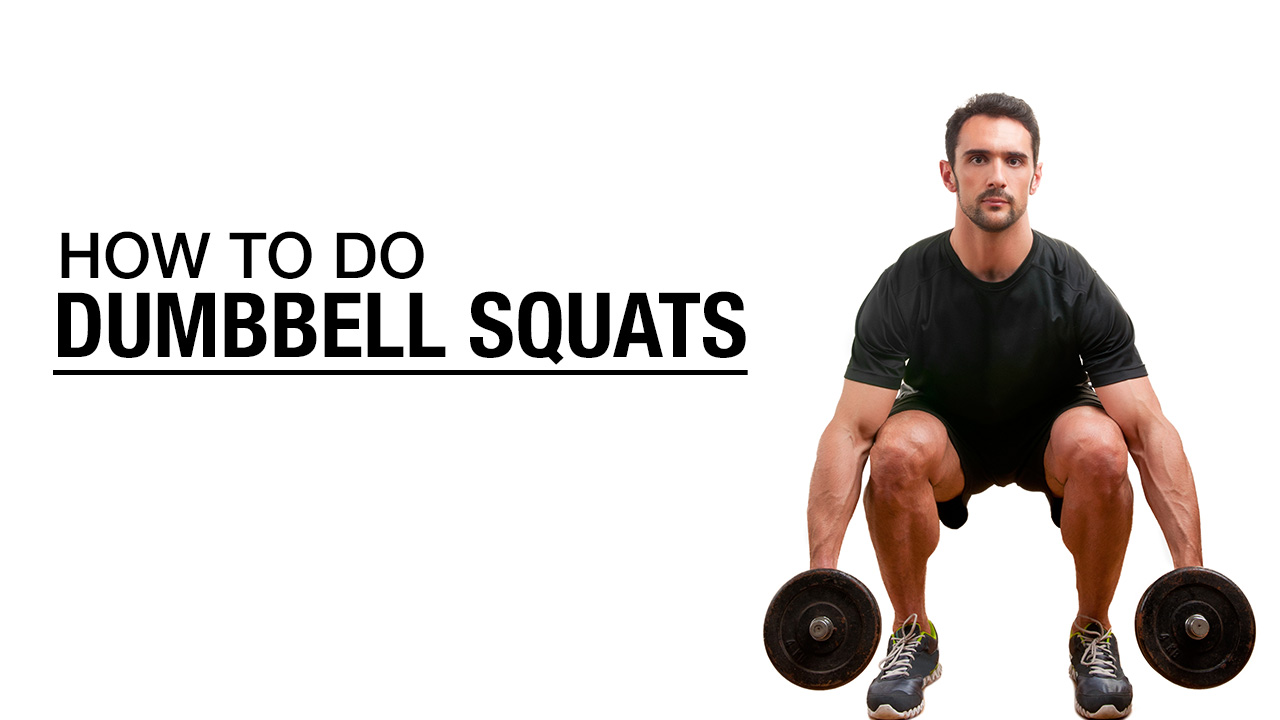
Stand with feet shoulder-width apart. Hold dumbbells by your sides. Keep your chest up and look straight ahead. Push your hips back and bend your knees. Lower until your thighs are parallel to the floor. Tighten your core to keep your spine straight. Push through your heels to stand back up.
Breathing Tips For Core Engagement
Inhale deeply before you squat down. Hold your breath slightly to create tension in your abs. Exhale slowly as you rise back up. This breathing pattern helps your core muscles stay active. It also protects your lower back from strain.
Common Mistakes To Avoid
Avoid letting your knees go past your toes. Do not round your lower back. Keep your core tight, not loose. Don’t hold your breath for too long. Avoid leaning forward or looking down. These errors reduce core activation and increase injury risk.
Credit: learn.athleanx.com
Integrating Dumbbell Squats Into Core Routine
Dumbbell squats are great for legs and glutes. They also help your core work hard. Holding dumbbells makes your abs tighten to keep balance. This builds strength and stability in your midsection.
Using dumbbell squats with other core exercises helps improve overall strength. It also supports better posture and reduces injury risk. A good routine mixes squats with moves that target different core muscles.
Complementary Core Exercises
Planks are simple and effective for core strength. Side planks target your obliques well. Russian twists help with rotational strength. Bicycle crunches engage the upper and lower abs. Combining these with squats improves total core fitness.
Sample Workout Plans
Start with three sets of 12 dumbbell squats. Add 30-second planks between sets. Follow with 20 Russian twists per side. Rest for one minute after each round. Repeat this circuit two to three times for best results.
Progression Strategies
Increase dumbbell weight gradually. Add more reps or sets over time. Extend plank hold times by 10 seconds. Try advanced core moves like hanging leg raises. Progress slowly to avoid injury and build real strength.
Tracking Core Strength Progress
Tracking your core strength progress helps you see how well dumbbell squats work your abs. It lets you know if your efforts are paying off. Monitoring changes keeps you motivated and guides workout adjustments for better results.
Signs Of Improved Core Stability
Notice better balance during exercises. You may stand taller and feel less wobble. Everyday tasks like lifting or bending become easier. Reduced lower back pain also shows stronger core muscles. These signs point to improved core stability.
Using Performance Metrics
Track the number of squats you perform with good form. Measure how long you hold your plank or other core exercises. Use a mirror or video to check your posture. Note any increase in weights or reps over time. These metrics reveal your progress clearly.
Adjusting Workouts For Results
Increase dumbbell weight gradually to challenge your core more. Add variations like pulse squats or single-leg squats to engage abs differently. Include other core exercises like planks or leg raises. Change rest time or sets to match your strength. These tweaks boost your core strength effectively.
Credit: steelsupplements.com
Credit: www.freeletics.com
Frequently Asked Questions
Do Dumbbell Squats Engage Your Abs Effectively?
Yes, dumbbell squats engage your abs as stabilizers. They help maintain balance and posture during the movement, activating core muscles for stability and strength.
How Do Dumbbell Squats Strengthen The Core?
Dumbbell squats require core engagement to support the spine. This constant tension in abs improves core strength and enhances overall body stability.
Can Dumbbell Squats Replace Traditional Ab Workouts?
Dumbbell squats complement but don’t replace targeted ab exercises. They build core strength but should be combined with direct ab workouts for defined abs.
Are Dumbbell Squats Good For Improving Posture?
Yes, dumbbell squats improve posture by strengthening core and back muscles. A strong core supports proper alignment and reduces slouching or back pain.
Conclusion
Dumbbell squats help build strong legs and core muscles. They engage your abs to keep balance and support. This makes your abs work, but not as much as direct exercises. For better abs, add crunches or planks to your routine.
Consistency and good form matter most for results. Keep moving, stay patient, and enjoy the process. Your body will get stronger over time with effort.