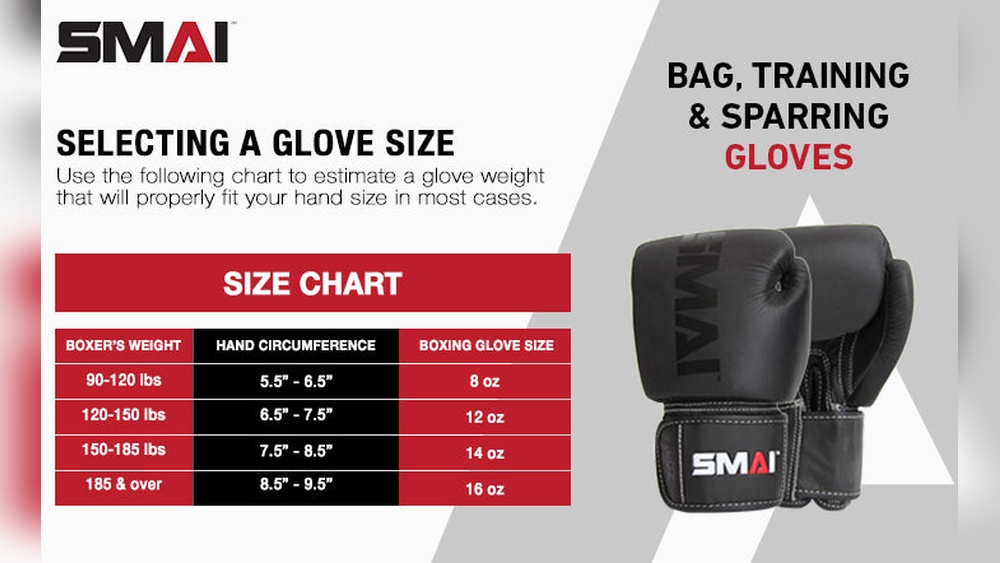
Choosing the right size gloves for boxing is more important than you might think. If your gloves are too big or too small, you could lose power, feel uncomfortable, or even risk injury.
But how do you know which size fits you perfectly? You’ll discover simple tips to find gloves that protect your hands and boost your performance. Keep reading to make sure your next boxing session is safe, effective, and enjoyable.
Credit: thorfamilylaw.com
Choosing Glove Sizes
Choosing the right glove size is important for boxing. Gloves protect your hands and your opponent. The right size gives comfort and safety. Picking wrong sizes can cause injuries and affect your performance.
Factors Influencing Size
Several factors affect glove size choice. Your hand size is the most basic factor. Weight of the gloves also matters. Different training types need different glove sizes. For example, sparring gloves are bigger than bag gloves.
Personal comfort plays a big role too. You want gloves that fit snugly but not tight. Padding thickness changes how gloves feel and fit. Always try gloves on before buying if possible.
Weight Classes And Glove Sizes
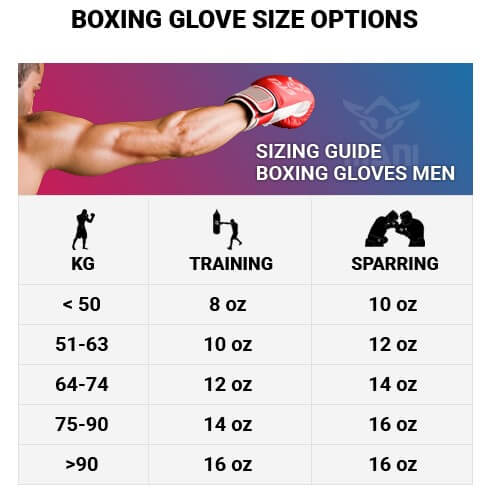
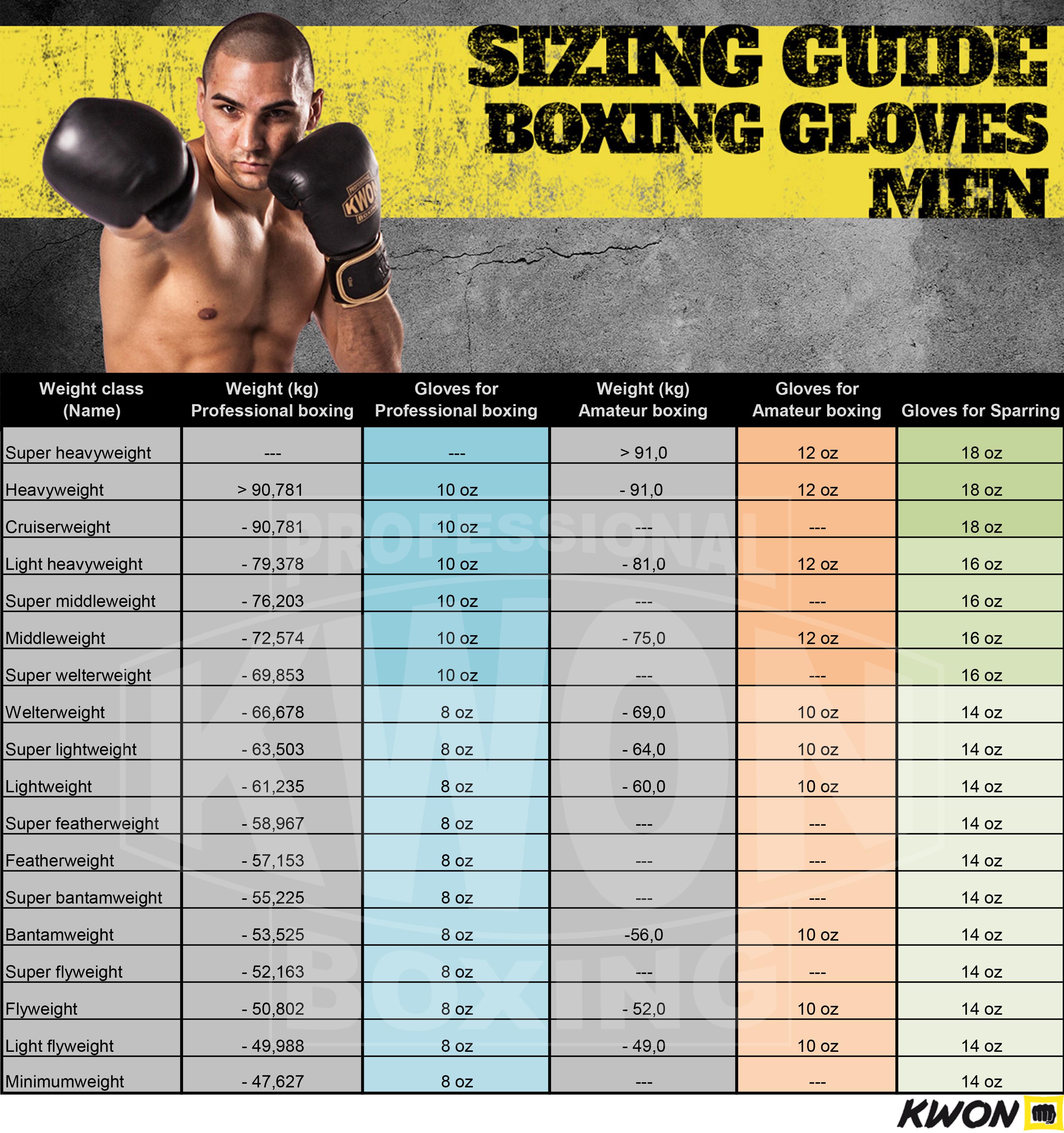
Boxing weight classes often guide glove size. Heavier boxers use larger gloves with more padding. Lighter boxers wear smaller gloves for speed and control. Common glove weights range from 8 oz to 16 oz.
For training, 14 oz or 16 oz gloves are popular. Competitive fights usually require specific glove weights by class. Check rules before choosing gloves for competition. Using correct gloves improves safety and technique.
Hand Measurements Explained
Measure your hand to find the best glove size. Use a tape measure around your knuckles. Keep fingers together and wrap tape horizontally. The length of your hand also helps in sizing.
Glove sizes are often shown in ounces or inches. Some brands use small, medium, large labels. Know your hand size in inches to pick the right gloves. Accurate measurement avoids buying gloves that are too big or small.
Types Of Boxing Gloves
Boxing gloves come in different types to match specific needs. Each type has a unique design and purpose. Choosing the right gloves can improve your training and protect your hands. Understanding these types helps you pick the best size and style.
Gloves vary by use: training, bag work, sparring, or competition. Each type offers different levels of padding and wrist support. Knowing these differences is important for safety and performance.
Training Gloves
Training gloves are versatile and used for many activities. They provide good padding to protect your hands and your partner. These gloves are comfortable for long sessions. Most boxers use training gloves regularly.
Bag Gloves
Bag gloves are lighter and more compact. They allow better hand movement and speed. These gloves have less padding compared to training gloves. They protect your knuckles during heavy bag workouts.
Sparring Gloves
Sparring gloves have extra padding to protect both fighters. They reduce the risk of injury during practice fights. These gloves are softer and heavier. Using sparring gloves helps keep your partner safe.
Competition Gloves
Competition gloves are lighter and designed for matches. They have less padding to increase impact. These gloves meet specific rules for weight and size. Wearing the correct competition gloves is required in official bouts.
Glove Weight And Protection
Choosing the right glove weight is key for boxing safety and performance. Gloves come in various weights that affect how much protection they offer. Understanding this helps fighters protect their hands and avoid injuries during training or matches.
Impact Of Glove Weight
Heavier gloves have more padding. This padding reduces the force of impact on your hands and your opponent. Lighter gloves allow faster punches but offer less protection. The glove weight changes how your punches feel and how safe your hands are.
Protection Levels By Size
Gloves usually range from 8 oz to 16 oz or more. Smaller gloves, like 8 oz, have less padding. They suit competition but can cause more hand strain. Larger gloves, such as 14 oz or 16 oz, provide extra cushion. They protect your knuckles and wrists during practice.
Balancing Speed And Safety
Choosing gloves means finding a balance between speed and safety. Lighter gloves improve speed and quickness. Heavier gloves slow punches but increase safety. For training, heavier gloves help prevent injury. For fights, lighter gloves improve performance.
Finding The Right Fit
Finding the right fit for boxing gloves is key to your comfort and performance. Gloves that fit well protect your hands and wrists during training. They also help you punch with better control. Too tight or too loose gloves can cause pain or injuries. Taking the time to find the perfect size is important for every boxer.
Measuring Your Hand Properly
Start by measuring your hand to find the right glove size. Use a soft tape measure around your knuckles. Keep your hand flat and fingers together. Note the measurement in inches or centimeters. This number helps you pick gloves designed for your hand size. Remember, different brands may fit slightly different.
Trying Gloves On
Put on the gloves to check their feel on your hands. Wear hand wraps under the gloves for a true fit. Move your fingers and make a fist. Gloves should feel snug but not tight. Check if they support your wrist well. Walk around and punch the air to test comfort. Try several sizes if possible.
Signs Of A Perfect Fit
Good gloves feel secure without squeezing your hand. Your fingers should reach the glove’s end but not be cramped. There should be no extra space inside the glove. Wrists must feel stable with proper padding. Gloves should not slide or twist during movement. Comfort and support show you found the right size.
Common Sizing Mistakes
Choosing the right glove size is not always simple. Many boxers make common sizing mistakes. These errors affect comfort, safety, and performance. Understanding these mistakes helps you pick the perfect gloves.
Gloves that fit poorly can cause injuries or reduce training quality. Avoid these pitfalls to get the most from your boxing experience.
Choosing Too Small Or Too Large
Small gloves feel tight and restrict hand movement. They cause discomfort and can hurt your knuckles. Large gloves may feel loose and unstable. They reduce control and increase injury risk. Proper fit means gloves should feel snug but not tight.
Ignoring Glove Purpose
Different gloves serve different needs. Training gloves differ from competition gloves. Using the wrong type leads to poor results and possible harm. Choose gloves designed for your training or fighting style.
Overlooking Hand Wraps
Hand wraps add extra bulk to your hands. Not considering wraps can make gloves feel too tight. Always try gloves with wraps on. This ensures the right size and better hand protection.
Credit: kdfoundation.org
Tips For Buying Gloves
Choosing the right boxing gloves is important for comfort and safety. The right gloves protect your hands and improve your training experience. Consider a few key points before buying gloves. These tips help you pick gloves that suit your needs and style.
Material And Quality
Gloves come in different materials. Leather gloves are durable and last long. Synthetic gloves cost less but wear out faster. Check the stitching and padding. Good quality gloves keep your hands safe during punches. Avoid gloves with weak seams or poor padding.
Brand Differences
Brands offer different designs and fits. Some brands focus on comfort, others on protection. Try gloves from several brands if possible. Choose a brand that feels right on your hand. Trusted brands often provide better durability and support.
Budget Considerations
Set a budget before shopping. High-quality gloves may cost more but last longer. Cheaper gloves might save money but wear quickly. Think about how often you will use the gloves. Spend wisely to get good value and protection.
Maintaining Your Gloves
Maintaining your boxing gloves is key to keeping them fresh and lasting longer. Gloves face sweat and impact every training session. Without care, they can smell bad and lose shape quickly.
Proper maintenance helps protect your hands and improves glove performance. It also saves money by avoiding early replacements. Follow simple steps to keep gloves clean and dry.
Cleaning And Care
Wipe gloves after each use with a clean towel. Use a damp cloth with mild soap for deep cleaning. Avoid soaking gloves in water to protect the material. Let gloves air dry completely before storing. Use glove deodorizers or baking soda to reduce odors. Never put gloves in a washing machine or dryer.
Storage Tips
Store gloves in a cool, dry place away from sunlight. Avoid leaving gloves in your gym bag for long periods. Keep gloves open to allow air circulation. Use a breathable bag or mesh pouch for transport. Avoid plastic bags which trap moisture inside. Proper storage prevents mold and bad smells.
When To Replace Gloves
Replace gloves if padding becomes thin or uneven. Look for tears, cracks, or broken stitching. Gloves that smell bad after cleaning may need replacing. Worn gloves reduce hand protection and increase injury risk. New gloves ensure better safety and comfort during training.

Credit: darsalud.com.ve
Frequently Asked Questions
What Size Gloves Are Best For Beginners In Boxing?
Beginners should start with 12 to 14-ounce gloves. These sizes offer good hand protection and comfort while learning techniques. They also provide adequate padding to reduce injury risk during training and sparring.
How To Choose The Right Boxing Glove Size?
Measure your hand circumference and consider your weight. Typically, 8-10 oz gloves suit competition, while 12-16 oz gloves are ideal for training and sparring. Proper fit ensures protection and effective performance.
Do Heavier Gloves Provide Better Protection?
Yes, heavier gloves have more padding, offering enhanced protection for hands and opponents. They reduce impact force during training and sparring, minimizing injury risks while improving endurance and technique.
Can I Use The Same Gloves For Training And Competition?
No, use lighter gloves (8-10 oz) for competition and heavier gloves (12-16 oz) for training. Training gloves offer more padding for safety, while competition gloves focus on speed and precision.
Conclusion
Choosing the right boxing gloves size protects your hands well. Gloves that fit properly keep you safe and improve your training. Small gloves may hurt your knuckles. Big gloves can slow your punches. Always check the glove weight and your hand size.
Practice with the right gloves for better comfort and skill. Remember, good gloves help you enjoy boxing more. Take time to find the size that feels best. Your hands will thank you every time you train or fight.