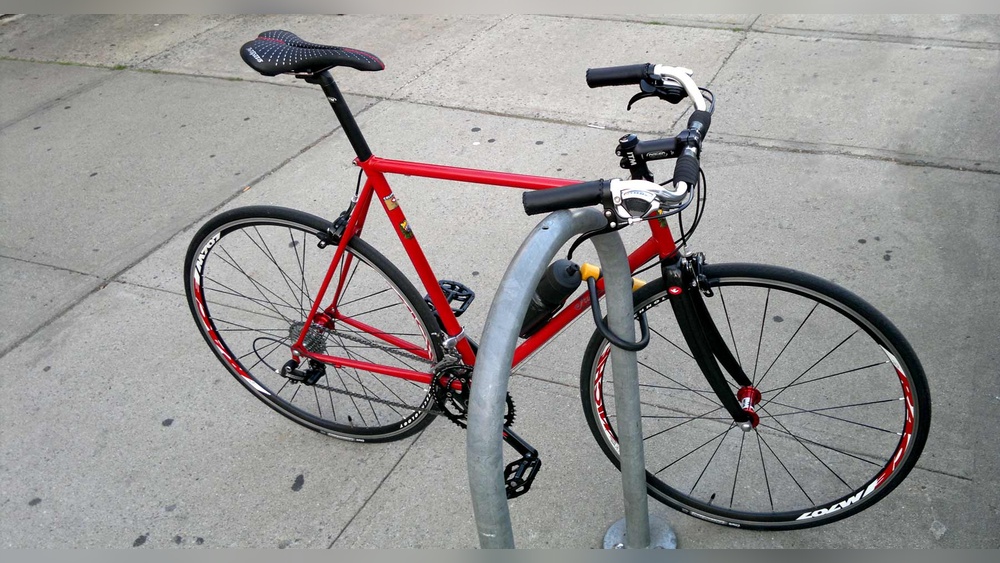
Have you ever wondered just how easy it is to pick a bike lock? You might think your bike is safe with a sturdy lock, but the truth could surprise you.
Understanding how vulnerable your lock really is can help you protect your bike better. You’ll discover what makes some locks easier to pick than others, and what you can do to keep your bike out of reach from thieves. Keep reading to find out how secure your bike lock truly is—and what steps you can take to stay one step ahead.

Credit: thebestbikelock.com
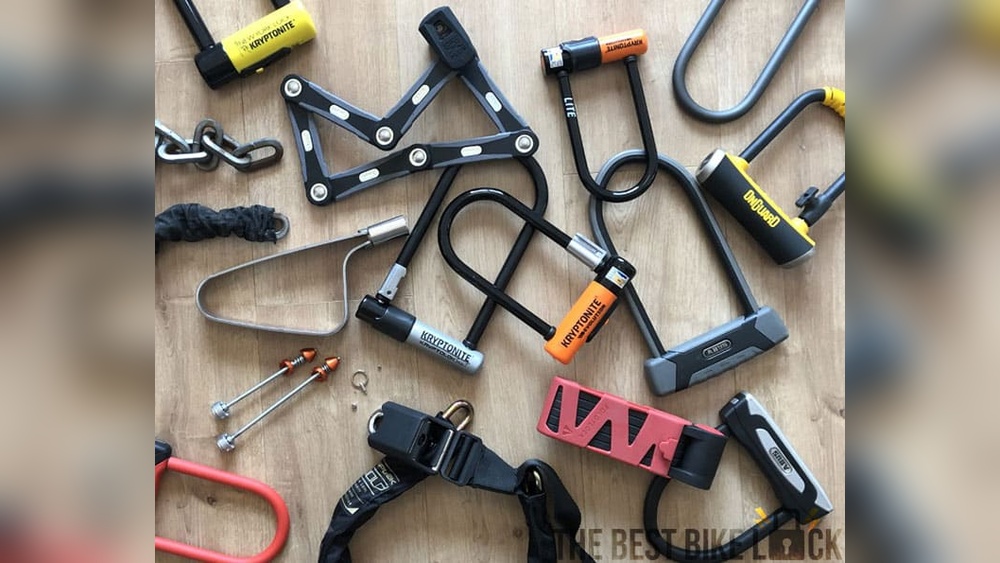
Types Of Bike Locks
Bike locks come in many shapes and sizes. Each type offers different levels of security and ease of use. Knowing the types helps you choose the best lock for your bike and location. Some locks are easy to pick, while others need more skill and tools.
Cable Locks
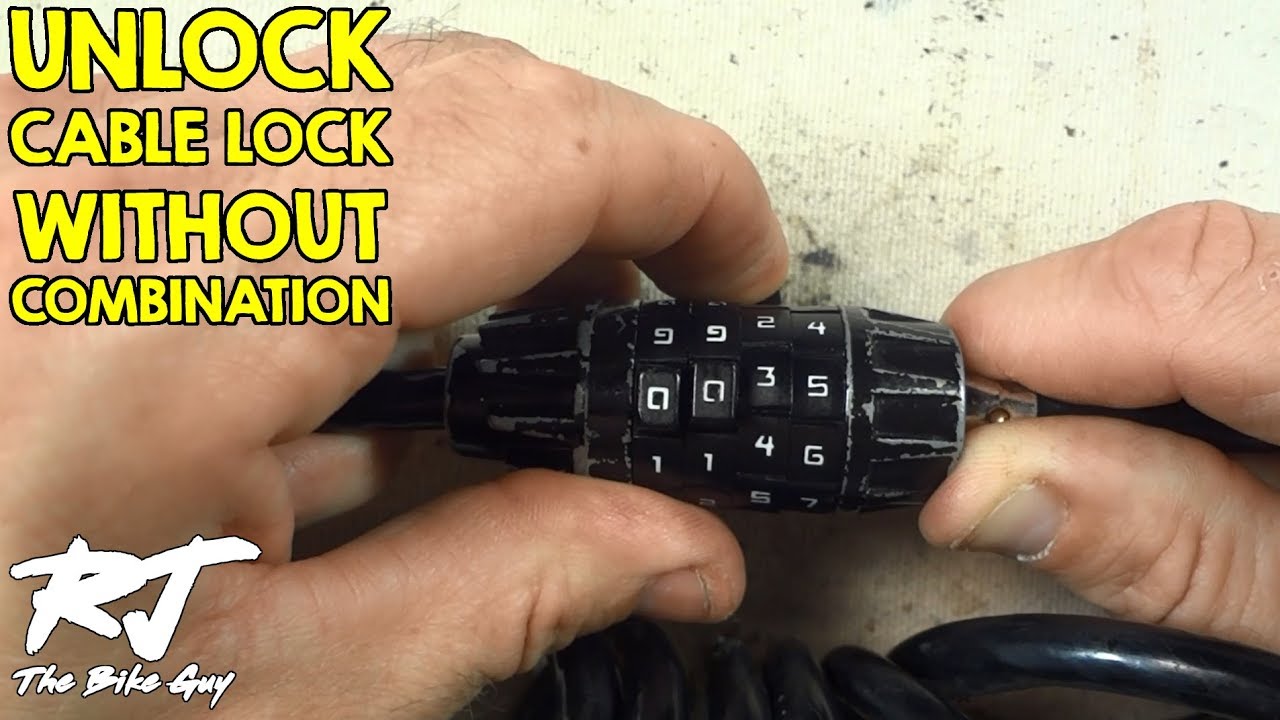
Cable locks are light and flexible. They are easy to carry and wrap around bike parts. Thieves can cut cable locks quickly with wire cutters. They offer low security but are good for short stops or low-risk areas.
U-locks
U-locks are shaped like a “U” and made of hard metal. They resist cutting and prying better than cable locks. Picking a U-lock is harder but still possible with special tools. They give good protection for most bikes.
Chain Locks
Chain locks use thick metal links. They are heavy but strong against cutting and twisting. Some chains have protective covers to avoid bike scratches. Picking a chain lock is tough and takes time. They suit high-risk areas well.
Folding Locks
Folding locks fold into small shapes. They combine strength and portability. Made with metal bars linked by rivets, they resist many attacks. Picking folding locks is difficult due to their design. They balance security and convenience nicely.
Credit: www.youtube.com
Common Picking Methods
Picking a bike lock is not always hard. Many methods exist to open locks without keys. Understanding these methods helps bike owners choose better security. Here are the common ways people pick bike locks.
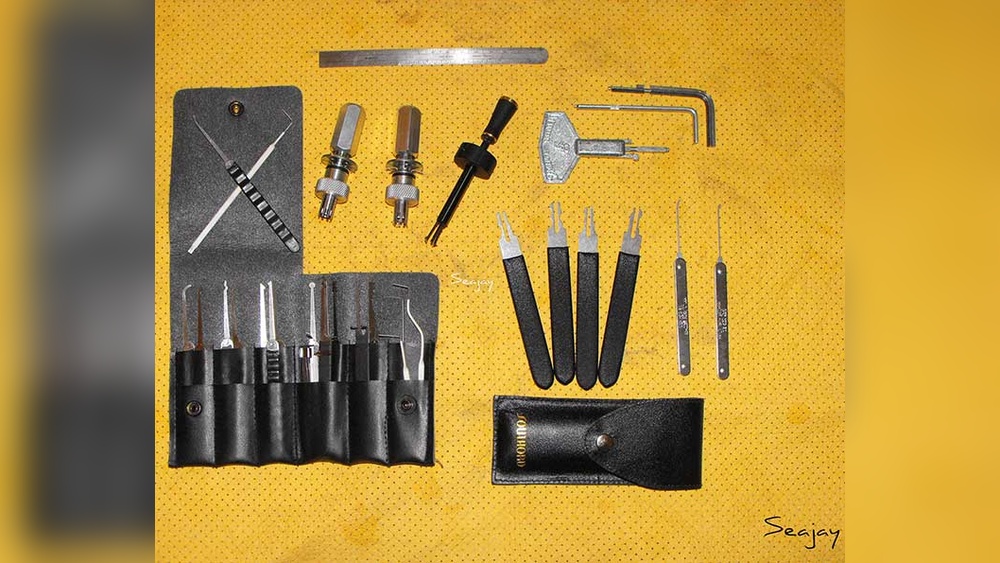
Lock Picking Tools
Lock picking tools include picks and tension wrenches. Picks lift the pins inside the lock. The wrench turns the lock cylinder. This method requires patience and skill. Simple locks can open quickly. Complex locks take more time and practice.
Shim Techniques
Shims are thin pieces of metal or plastic. They slide between the lock body and the shackle. Shims push the locking mechanism aside. This frees the shackle without moving pins. Shimming works best on padlocks with spring latches. It is fast and needs little skill.
Impressioning
Impressioning uses a blank key and file. The blank key goes into the lock. Turning it makes marks where pins stop it. The marks show where to file the key. This process repeats until the key fits. It takes time but works on many locks.
Vulnerabilities In Popular Locks
Many bike owners trust popular locks to keep their bikes safe. These locks seem strong and reliable. Yet, each type has weaknesses that thieves can exploit. Knowing these flaws helps pick the right lock and stay cautious.
Weaknesses In Cable Locks
Cable locks look flexible and easy to carry. They use thin steel wires inside a plastic cover. Thieves can cut them quickly with simple tools like wire cutters. Some cables are thicker, but many still fail against strong cutting tools. Cable locks offer less protection for expensive bikes.
U-lock Flaws
U-locks are popular for their solid metal build. They resist cutting better than cables. Still, some U-locks use weaker metal that breaks with force. Thieves use crowbars or hammers to twist and snap cheap U-locks. Also, the locking mechanism can be picked by skilled thieves. Not all U-locks are equally secure.
Chain Lock Limitations
Chain locks are heavy and tough, made from linked metal pieces. Their strength depends on chain thickness and link quality. Thin chains can be cut with bolt cutters. Some chains have weak links or poor locking parts. Chains can also be heavy to carry around daily. They offer good security but need careful choice.
Real-world Theft Scenarios
Bike theft happens in many ways. Thieves use different methods depending on time and place. Understanding real-world theft scenarios helps you protect your bike better. These scenarios show how easy or hard it is to pick a bike lock in real life.
Quick Attacks
Quick attacks are fast and sudden. Thieves look for bikes with weak locks. They use tools like bolt cutters or crowbars. The goal is to steal the bike in seconds. Locks that are easy to cut are at high risk.
Opportunistic Thefts
Opportunistic thieves act when they see a chance. They avoid busy or well-lit areas. They pick bikes with simple locks or no locks. These thieves use basic tools or even their hands. A careless moment can lead to theft.
Targeted Break-ins
Targeted break-ins involve planning and patience. Thieves watch a bike over time. They use lock-picking tools or advanced methods. These thieves target expensive bikes with strong locks. The lock’s quality matters most in these cases.
Tips To Improve Bike Security
Keeping your bike safe requires more than just any lock. Using smart tips can lower the risk of theft. Small changes make a big difference in security. Here are key ways to protect your bike better.
Choosing The Right Lock
Pick a lock that is hard to cut or break. U-locks and heavy-duty chain locks work well. Avoid thin cable locks; they are easy to cut. Choose a lock size that fits your bike frame and the object you lock it to. Strong materials make locks last longer and resist attacks.
Locking Techniques
Lock your bike frame and wheels to a fixed, sturdy object. Use the lock to secure the frame first, then the wheels. Position the lock where it is hard to reach with tools. Avoid locking your bike on soft or weak poles. Always double-check the lock is fully closed and secure.
Additional Security Measures
Park your bike in busy, well-lit areas. Use two different types of locks for extra security. Remove small parts like lights or bags when you leave your bike. Register your bike with local authorities or online databases. Mark your bike with a unique ID or sticker to help find it if stolen.
Legal And Ethical Considerations
Understanding the legal and ethical side of bike lock picking is important. It helps avoid trouble and respect others’ property. This section explains the laws and ethical rules around lock picking.
Lock Picking Laws
Laws about lock picking differ by place. In many areas, owning lock picking tools is legal only if you have a good reason. Carrying or using them without permission can lead to fines or jail time. Using lock picking skills on someone else’s bike without permission is illegal. Always check local laws before handling lock picking tools.
Ethical Use Of Skills
Lock picking skills should only help in right situations. Use them to open your own bike lock if you lose the key. Never try to pick locks that belong to others. Respecting property shows good ethics and builds trust. Learning lock picking can be useful, but always use it responsibly and with permission.

Credit: www.youtube.com
Frequently Asked Questions
How Easy Is It To Pick A Bike Lock Quickly?
Picking a bike lock depends on its type and quality. Basic locks can be picked in seconds by skilled thieves. High-security locks with complex mechanisms are much harder and may take hours or be impossible to pick without tools.
What Types Of Bike Locks Are Hardest To Pick?
U-locks and heavy-duty chain locks with hardened steel are hardest to pick. They often feature complex locking mechanisms and anti-pick designs. Cable locks are generally easier to compromise, making them less secure against picking or cutting.
Can Professional Tools Make Bike Lock Picking Easier?
Yes, professional lock-picking tools can significantly reduce the time needed to pick a bike lock. These tools are designed to manipulate lock pins or discs efficiently. However, using such tools requires skill and knowledge to avoid damaging the lock.
Are Bike Locks Effective Against All Theft Methods?
No, bike locks protect mainly against picking and cutting. Thieves may use bolt cutters, leverage, or lock-picking tools. Choosing a high-quality lock and securing your bike in a visible, busy area improves theft prevention.
Conclusion
Picking a bike lock is not always easy. Some locks are tough and take time to open. Others can be opened quickly with the right tools. Choosing a strong lock makes a big difference. It helps keep your bike safe from thieves.
Always lock your bike to a solid object. Stay aware of where you park your bike too. Protecting your bike takes simple steps and good habits. Stay smart and keep your bike secure every day.