You love your bike, and keeping it safe at home is a must. But do you really know how to lock it up the right way?
A simple mistake can leave your bike vulnerable to theft, even on your own property. You’ll discover easy and effective steps to protect your bike like a pro. By the end, you’ll feel confident that your bike is secure—giving you peace of mind every time you park it.
Keep reading to learn how to lock up your bike at home the smart way.
Choosing The Right Lock
Choosing the right lock for your bike at home is very important. A good lock keeps your bike safe and gives you peace of mind. Not all locks offer the same level of protection. Some are easy to break, while others are strong and reliable. Knowing the difference helps you pick the best one for your needs.
U-locks Vs Cable Locks
U-locks are made from solid metal and shaped like a “U.” They are hard to cut and offer strong protection. These locks fit tightly around the bike frame and a fixed object. Cable locks are flexible and made from braided steel wires. They are lighter but easier to cut than U-locks. For home use, U-locks are usually better because they are tougher.
Lock Quality And Certification
Check the quality of the lock before buying. Good locks have thick metal and strong parts. Some locks come with certifications from security groups. These certificates show the lock passed tough tests. Choose locks with high ratings and trusted certificates. They last longer and protect your bike better.
Combination Vs Key Locks
Combination locks use a code to open. You do not need to carry a key. This is handy but you must remember the code. Key locks use a physical key to open. They are simple and fast to use. Choose the type that fits your style. Both types can be strong if made well.
Credit: sfbike.org
Best Locking Techniques
Locking your bike properly at home is essential to prevent theft. Using the best locking techniques can keep your bike safe and secure. A strong lock and smart method reduce the risk of damage or loss.
Securing Frame And Wheels
Always lock the bike frame and at least one wheel. The frame is the strongest part and harder to break. Use a U-lock or heavy chain for better security. Locking only the wheel leaves the frame vulnerable. If possible, use a second lock for the other wheel. This adds extra protection.
Locking To Fixed Objects
Choose a solid, immovable object to lock your bike. A metal bike rack or a sturdy fence works well. Avoid trees or thin poles that thieves can cut or remove. Make sure the object is tall enough to keep the bike off the ground. This prevents thieves from lifting the bike over.
Avoiding Common Locking Mistakes
Do not lock your bike in a way that makes it easy to steal parts. Avoid leaving space inside the lock where tools can fit. Do not lock only the front wheel or seat post. Make sure the lock is tight and close to the frame. Loose locks give thieves room to work.
Ideal Storage Locations
Choosing the right place to store your bike at home keeps it safe and in good shape. The location affects how well your bike stays protected from theft and weather. It also helps avoid damage and clutter. Think about your space and choose a spot that fits your needs.
Indoor Vs Outdoor Storage
Indoor storage is the safest choice. It protects your bike from rain, sun, and dirt. Bikes kept inside last longer and need less repair. Outdoor storage is easier but riskier. Bikes outside face theft and weather damage. Use strong locks and covers if storing outdoors.
Using Bike Racks And Stands
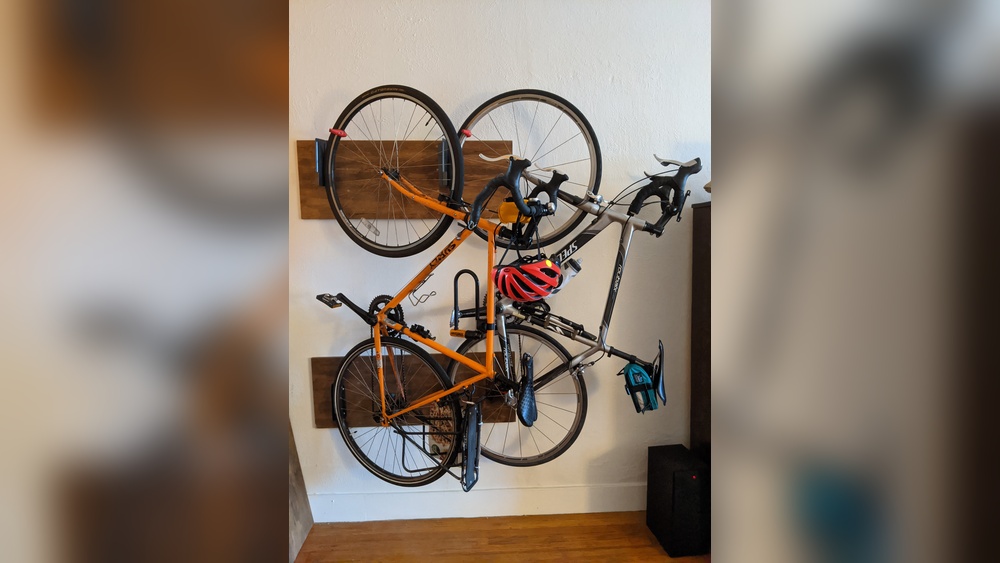
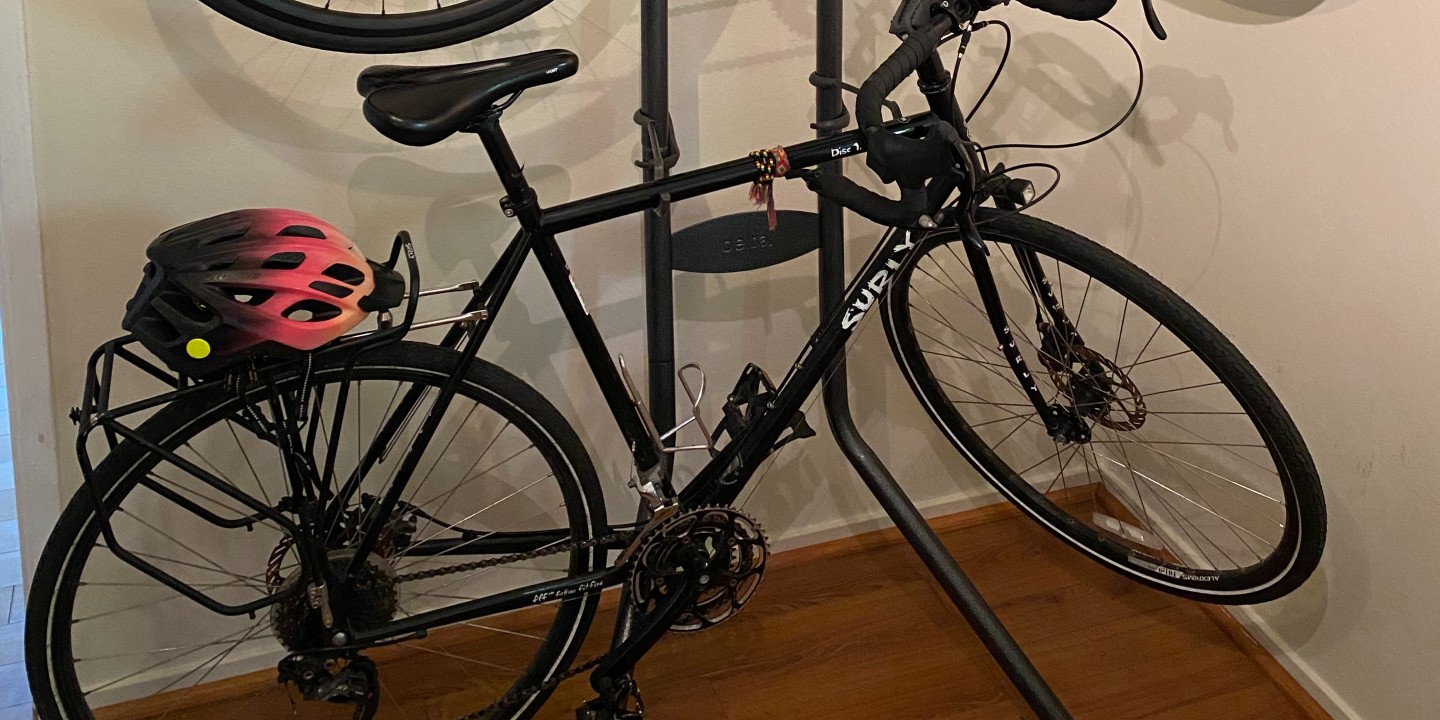
Bike racks and stands keep your bike stable and organized. They save space and prevent bikes from falling. Look for racks that fix your bike firmly. Some racks attach to walls or ceilings. Choose one that fits your available area and bike size.
Safe Spots In Your Home
Safe spots inside your home include garages, basements, and closets. These places offer shelter and security. Keep bikes away from heat sources and moisture. Avoid leaving bikes in busy areas to prevent accidents. A well-chosen spot keeps your bike ready to ride.
Additional Security Measures
Securing your bike at home goes beyond using a good lock. Extra security measures reduce theft risks. These steps make your bike less attractive to thieves. They add layers of protection to keep your bike safe.
Installing Security Cameras
Security cameras deter thieves by watching your bike. Visible cameras warn that someone is watching. Choose cameras with night vision for 24-hour protection. Place them to cover your bike and entry points. Modern cameras connect to your phone for real-time alerts.
Using Alarm Systems
Bike alarms startle thieves and draw attention. Many alarms sound loud when your bike moves. Some alarms connect to your smartphone for instant alerts. Attach alarms to the frame or wheels for best results. A loud alarm can stop theft before it starts.
Covering Your Bike
Covering your bike hides it from view. A simple cover reduces temptation for thieves. Use a waterproof cover to protect from weather too. Choose covers that fit well and are hard to remove. Out of sight, out of mind helps keep your bike safe.
Maintenance And Regular Checks
Keeping your bike safe at home requires more than just a good lock. Regular maintenance and checks help your lock stay strong and reliable. Small problems can turn into big issues if ignored. Checking your lock often will keep it working well and protect your bike from thieves.
Inspecting Locks For Damage
Look closely at your lock for signs of damage. Check for cracks, rust, or bent parts. Damaged locks are easier to break. Replace any lock that shows serious wear. Even small cracks can make your lock weak. A strong lock is your first line of defense.
Lubricating Lock Mechanisms
Locks need oil or lubricant to work smoothly. Dry locks can stick or jam. Use a spray lubricant made for locks. Apply it inside the keyhole and on moving parts. Wipe off extra oil to avoid dirt build-up. Regular lubrication keeps your lock easy to use and less likely to fail.
Updating Security Practices
Security changes over time. Thieves find new ways to break locks. Review your locking methods regularly. Consider upgrading to better locks if needed. Change where you lock your bike to safer spots. Stay aware of local bike theft reports. Updating your security keeps your bike safer.

Credit: www.edinburghbicycle.com

Credit: www.heybike.com
Frequently Asked Questions
How Do I Choose The Best Lock For Home Bike Security?
Choose a U-lock or heavy-duty chain lock for strong security. Avoid cable locks as they are easy to cut. Look for locks with high security ratings and anti-pick features. Always lock your bike frame and wheels to a fixed object.
Where Is The Safest Place To Lock My Bike At Home?
Lock your bike in a well-lit, visible area near your home entrance. Use a sturdy bike rack or fixed object. Avoid isolated or dark spots as they attract thieves. Indoor storage like a garage or shed adds extra protection.
Should I Lock Both Wheels Or Just The Frame?
Lock both wheels and the frame to prevent theft. Use a U-lock for the frame and a cable lock for the wheels. This combination secures all removable parts and deters thieves from stealing any component.
Can I Use Multiple Locks To Secure My Bike?
Yes, using multiple locks increases security. Combine a U-lock for the frame with a cable lock for the wheels. This makes stealing your bike much harder and discourages thieves who want a quick target.
Conclusion
Keeping your bike safe at home is simple with the right steps. Use a strong lock and secure it to a fixed object. Choose a visible spot to deter thieves. Check your lock regularly for damage. Store your bike indoors if possible.
These small actions help protect your bike every day. Stay mindful and keep your bike where you can see it. Safe parking means less worry and more fun riding. Your bike deserves the best care you can give.

