
Have you ever wondered what happens if the police want to search your locked glove box? Can they do it without a warrant?
This question is more important than you might think because it touches on your rights and privacy during a traffic stop. Knowing the answer can protect you from unexpected trouble and help you stay informed about the law. Keep reading to discover exactly when the police can search your locked glove box and what you need to know to stay safe.
Police Search Laws
Police search laws protect your rights during a search by law enforcement. These laws explain when and how police can search your property, including your car. Knowing these rules helps you understand what police can do without breaking the law.
Search Warrants Basics
A search warrant is a legal document issued by a judge. It allows police to search a specific place for evidence. Police must show probable cause to get a warrant. Probable cause means they have a good reason to believe evidence is there.
Without a warrant, police usually cannot search your property. This rule helps protect your privacy and rights. Warrants must clearly state what police can search and what they are looking for.
Exceptions To Warrants
There are some exceptions where police can search without a warrant. One is if they have your permission. Another is if they see illegal items in plain view. Police may also search if they believe evidence could be destroyed.
In cars, police can search without a warrant if they have probable cause. This means they must have strong reasons to think the car contains illegal items. Locked glove boxes can sometimes be searched under this rule.

Credit: newjerseymonitor.com
Glove Box Specifics
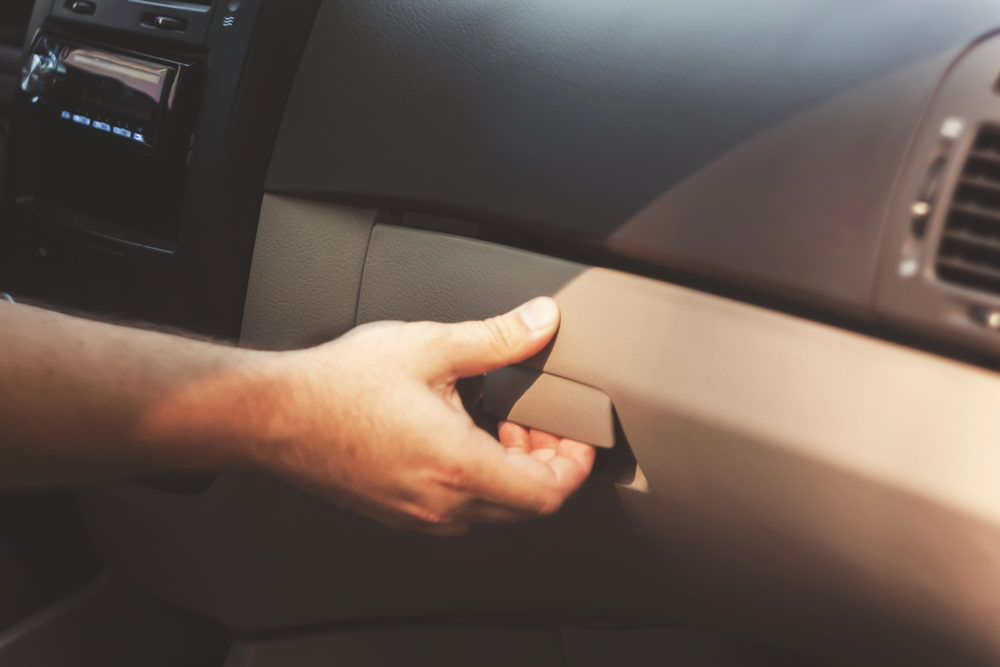
The glove box in a vehicle is more than just a storage spot. It holds important items like documents, keys, and sometimes valuables. Understanding how the law views glove boxes helps clarify police search rules.
Police often check glove boxes during traffic stops or investigations. Knowing the specifics about these compartments makes it easier to understand your rights.
Why Glove Boxes Matter
Glove boxes contain personal and private belongings. They often hold vehicle registration and insurance papers. These documents prove ownership and legal use of the car. Sometimes, people keep wallets, phones, or small valuables inside. Because of this, glove boxes are areas of interest for police searches.
Police may look inside to find evidence or confirm identity. The contents can impact legal outcomes. Therefore, the glove box’s role is important in police searches.
Locked Vs Unlocked Differences
A locked glove box adds a layer of privacy. It shows the owner wants to keep items secure. Courts may see a locked glove box as more private than an unlocked one. This can affect whether police need a warrant to search it.
Unlocked glove boxes are easier for police to access. This often means less protection under the law. Police may search unlocked compartments more freely. However, laws vary by state and situation. Understanding this difference helps you know your rights during a stop.
When Warrant Is Required
Police cannot always search a locked glove box without a warrant. A warrant is a legal document that allows officers to search specific places for evidence. The law protects people from unreasonable searches. This means police need a good reason before they open a locked glove box.
There are some cases when police must get a warrant. These rules help keep your privacy safe. The next sections explain important reasons why a warrant might be needed.
Probable Cause Role
Probable cause means police have a strong reason to believe a crime happened. They need facts or evidence that show illegal items might be inside the glove box. Without this, they cannot search it. Probable cause is not just a guess. It must be based on real information.
For example, if police smell drugs or see something illegal in plain sight, they might have probable cause. This helps them get a warrant to search the locked glove box legally.
Consent Searches
Police can search a glove box without a warrant if the owner says yes. This is called a consent search. The owner must agree freely without pressure. If the owner refuses, police need a warrant or probable cause.
Sometimes officers ask for permission to avoid delays. Always know you have the right to say no. Without consent, police must follow strict rules before searching.
Exceptions Allowing Search
Police cannot usually search a locked glove box without a warrant. But the law allows some exceptions. These exceptions let officers search without getting prior permission from a judge. The rules help police act quickly in certain situations. Understanding these exceptions helps you know your rights better.
Exigent Circumstances
Exigent circumstances happen in emergencies. Police can search a locked glove box if they believe evidence might be destroyed. Or if someone’s safety is at risk. For example, if officers hear sounds of danger inside a car. They can act fast and open the glove box without a warrant. This exception balances quick police action with privacy rights.
Search Incident To Arrest
When police arrest someone, they can search the area around that person. This includes the locked glove box. The goal is to find weapons or evidence related to the arrest. This search protects officers and preserves evidence. It only applies if the arrest is lawful and recent. This rule allows police to secure the scene safely.
Your Rights During Traffic Stops
During a traffic stop, knowing your rights helps protect you. Police have rules they must follow. You have the right to stay calm and clear. Understanding what officers can and cannot do is important. This knowledge keeps the stop fair and safe for everyone.
Refusing Searches
You can say no to a search. Police usually need your permission or a warrant. If they do not have either, you do not have to agree. Speak clearly and say, “I do not consent to a search.”
Refusing a search does not mean you are guilty. It is your right to keep your property private. Stay calm and polite while refusing. Avoid sudden moves or arguments.
Asking For Warrant
Police need a warrant to search locked areas like a glove box. You can ask, “Do you have a warrant?” If they say no, remind them you do not consent. A warrant is a legal paper from a judge. It allows officers to search your property.
Always ask for proof of the warrant. Without it, a search may be illegal. Knowing this helps you protect your rights during traffic stops.

Credit: www.youtube.com
Legal Consequences Of Illegal Searches
Illegal searches by the police can have serious legal consequences. The law protects citizens from unfair searches without a warrant or valid reason. If a locked glove box is searched without proper authority, the evidence found may not be used in court. This protects people’s rights and keeps police actions in check.
Understanding these consequences helps you know your rights and the limits of police power. It also shows how the justice system works to keep searches fair and lawful.
Evidence Exclusion
Evidence found during an illegal search is often excluded from court. This means it cannot be used against the accused. Courts protect people from unfair trials by rejecting evidence gained unlawfully. This rule is called the “exclusionary rule.” It discourages police from breaking the law during searches. If the glove box was locked and searched without a warrant, evidence inside may be thrown out.
Filing Complaints
Citizens can file complaints against officers who conduct illegal searches. Complaints can be made to police departments or oversight agencies. This holds officers accountable for their actions. It also helps prevent future illegal searches. Filing a complaint can lead to investigations and discipline for the officer involved. Knowing this process empowers people to stand up for their rights.
Tips To Protect Your Privacy
Protecting your privacy during police stops is important. Knowing how to keep your belongings safe helps avoid unwanted searches. Simple steps can make a big difference in securing your items and your rights.
Locking And Securing Items
Always lock your glove box and any other compartments. A locked glove box shows you want to protect your privacy. Use strong locks for bags or cases inside the car. This extra step makes it harder for anyone to access your things without permission.
Keep valuables out of sight. Store items in trunks or under seats if possible. This reduces the chance of officers searching inside your car. Clear visibility can sometimes invite more scrutiny.
Documenting Interactions
Write down the details of every police stop. Note the officer’s name, badge number, and time of the encounter. Record what was said and done during the stop. This information helps if you need to report rights violations later.
Use your phone to record the interaction if allowed in your area. Recording provides clear evidence of what happened. Always stay calm and polite while documenting. This keeps the situation safe and under control.
Credit: www.riddelllaw.com
Frequently Asked Questions
Can Police Search A Locked Glove Box Without A Warrant?
Police generally need a warrant to search a locked glove box. Exceptions include probable cause or exigent circumstances, like immediate danger or evidence destruction risks.
What Is Probable Cause For Glove Box Search?
Probable cause means police have a reasonable belief that evidence or illegal items are inside the glove box, justifying a warrantless search.
Does Locking The Glove Box Protect Against Searches?
Locking the glove box shows an expectation of privacy but doesn’t guarantee protection from a warrant-based search or certain exceptions.
Can Police Seize Items Found In A Glove Box Search?
Yes, items legally found during a glove box search can be seized and used as evidence in court.
Conclusion
Police searching a locked glove box usually need a warrant. Exceptions exist, like emergencies or if officers see illegal items in plain sight. Laws vary by state, so rules can change depending on where you are. Knowing your rights helps you stay safe and informed.
Always stay calm during police encounters. Understanding these basics protects your privacy and your rights.