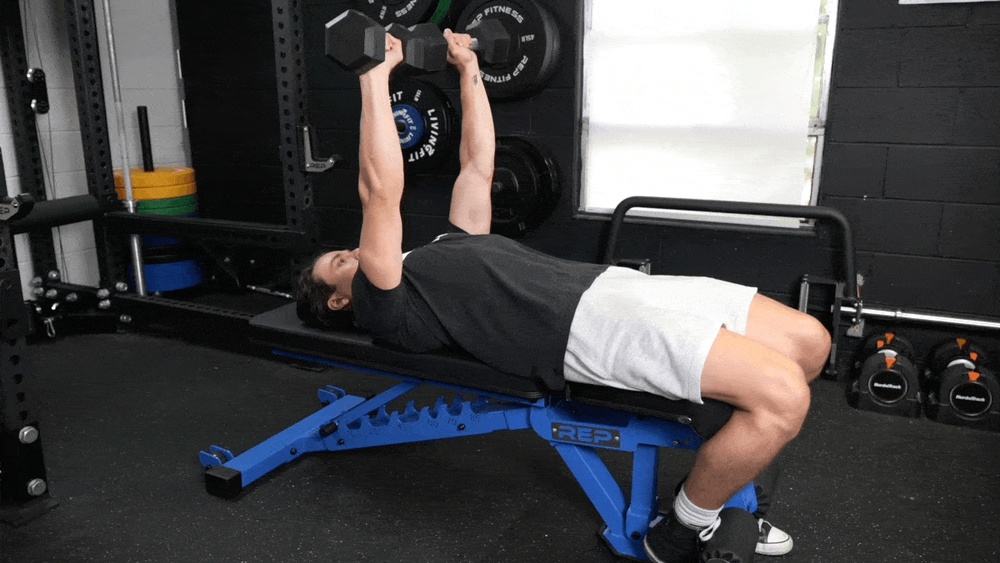
Are you wondering how many sets of dumbbell bench press you should be doing to see real results? Whether you’re aiming to build muscle, increase strength, or improve endurance, the number of sets you choose plays a big role in your progress.
Getting this right can save you time, prevent injury, and keep your workouts effective. You’ll discover the ideal set range tailored to your goals and tips to maximize every rep. Keep reading to unlock the secret to making your dumbbell bench press sessions count!
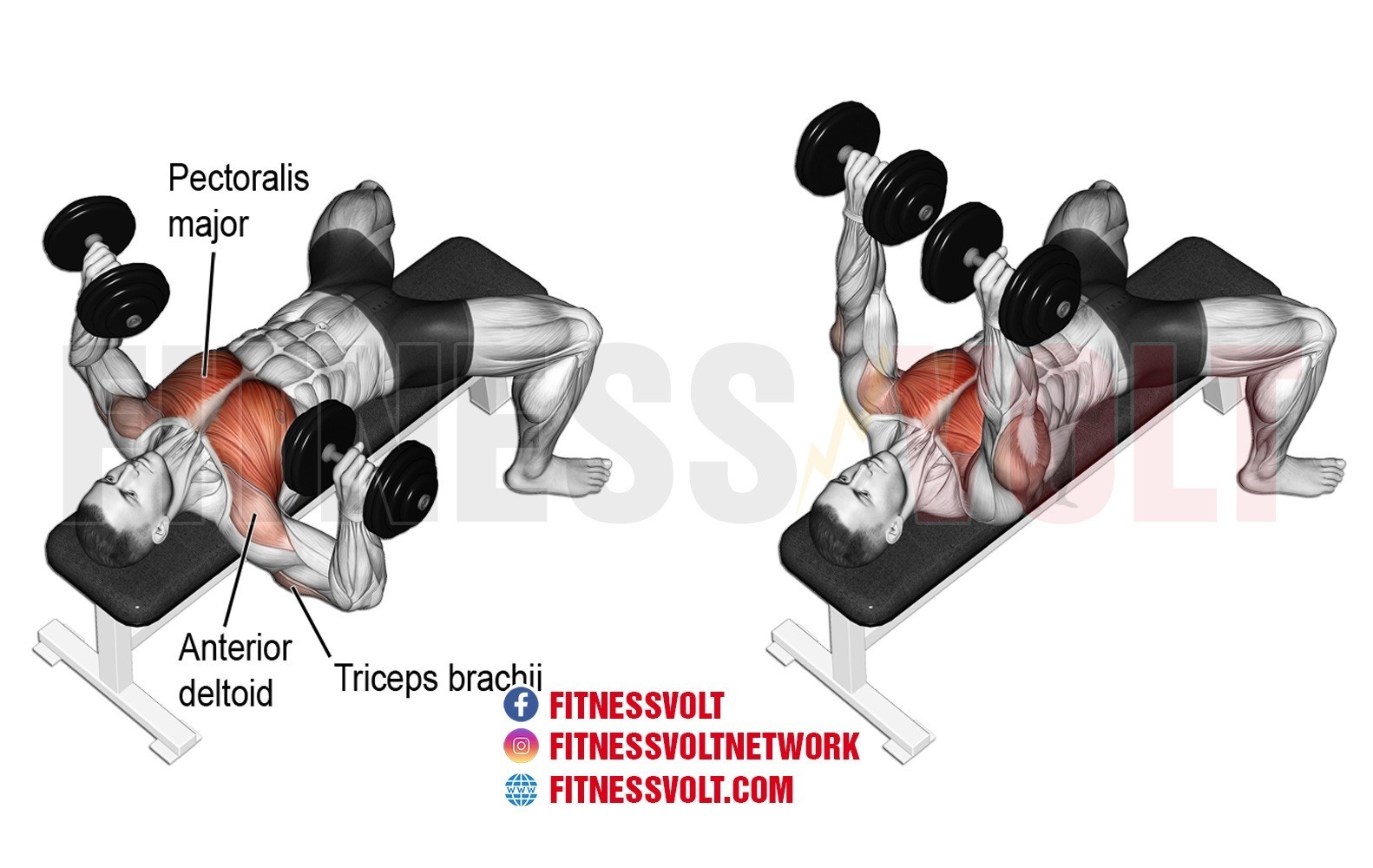
Credit: www.liftingitalia.com
Benefits Of Dumbbell Bench Press
Dumbbell bench press offers many benefits for strength and muscle growth. It allows better control and helps fix muscle imbalances. This exercise targets chest, shoulders, and triceps effectively. It also improves joint stability and muscle coordination.
Choosing dumbbells over a barbell changes how muscles work and grow. Understanding these benefits helps optimize your workout routine.
Muscle Activation Compared To Barbell
Dumbbell bench press activates muscles differently than barbell press. Each arm works independently, increasing muscle engagement. This leads to better activation of stabilizer muscles. It helps develop strength evenly on both sides of the body.
Improved Range Of Motion
Dumbbells allow a greater range of motion than barbells. You can lower the weights deeper, stretching your chest muscles more. This fuller stretch improves muscle growth and flexibility. It also reduces stress on your shoulders during the press.
Balanced Muscle Development
Using dumbbells prevents one side from dominating the lift. This balance corrects muscle imbalances and improves symmetry. Balanced muscles reduce injury risk and improve overall strength. Dumbbell bench press promotes even muscle growth across the chest and arms.
Optimal Set Range For Growth
Finding the optimal set range for dumbbell bench press helps you grow muscles faster. The right number of sets creates enough stress on muscles. It triggers repair and growth without causing too much fatigue. This balance helps muscles get stronger and bigger over time.
Science Behind Muscle Hypertrophy
Muscle hypertrophy means muscle growth. It happens when muscle fibers get tiny tears during exercise. The body repairs these tears, making muscles thicker. To start this process, muscles need enough tension and volume. Sets and reps create this tension. Too few sets may not stress muscles enough. Too many sets cause exhaustion and less growth.
Recommended Sets Per Workout
Most studies suggest 3 to 5 sets per exercise. This range gives enough volume to cause growth. For dumbbell bench press, 3 to 5 sets work well. Each set should have 6 to 12 reps. This rep range balances strength and muscle size. Rest between sets should be about 60 to 90 seconds. This rest helps muscles recover for the next set.
Adjusting Sets Based On Experience Level
Beginners should start with 2 to 3 sets. Their muscles adapt faster with less volume. This reduces injury risk and fatigue. Intermediate lifters can increase to 4 sets. Their muscles need more stress to grow. Advanced lifters may do 5 or more sets. They handle more volume to continue progress. Always watch how your body feels and adjust sets.
Reps And Intensity For Muscle Gain
Reps and intensity play a big role in muscle gain during dumbbell bench press workouts. The number of repetitions and the weight you lift affects how your muscles grow and get stronger. Finding the right balance helps you build size without risking injury. Training with the right reps and intensity makes your workouts effective.
Ideal Rep Ranges For Strength And Size
For muscle size, aim for 6 to 12 reps per set. This range creates enough tension in the muscles to stimulate growth. Lower reps, around 3 to 5, focus more on building strength. Higher reps, 12 to 15, help with muscle endurance but less with size. Pick a rep range based on your goal.
Using Progressive Overload
Progressive overload means increasing the weight or reps over time. This forces your muscles to adapt and grow. Add small weight increases regularly or add more reps to each set. Avoid staying with the same weight for weeks. Progress keeps your muscles challenged and growing.
Balancing Weight And Form
Choose a weight that allows you to keep good form. Poor form can cause injury and less muscle gain. If you cannot complete reps with good technique, lower the weight. Focus on controlled movements and full range of motion. Proper form helps target muscles correctly and safely.
Rest Periods Between Sets
Rest periods between sets are key for effective dumbbell bench press workouts. They help your muscles recover and prepare for the next set. Choosing the right rest time can affect strength, muscle growth, and endurance. Understanding different rest lengths helps you plan your workout better.
Impact On Muscle Recovery
Rest helps muscles regain energy after each set. Short rests may not fully restore strength. Longer rests allow better recovery. This means you lift heavier or do more reps in the next set. Proper rest lowers injury risk and muscle fatigue.
Rest Time For Maximum Growth
Muscle growth needs balance between effort and rest. Resting 60 to 90 seconds often works best. This time keeps muscles under tension and allows partial recovery. It creates good stress for muscle fibers to grow. Too short or too long rest can reduce gains.
Short Vs Long Rest Benefits
Short rest (30-60 seconds) boosts endurance and calorie burn. It keeps the heart rate high and builds stamina. Long rest (2-3 minutes) increases strength and power. It allows full muscle recovery for heavy lifting. Both have value depending on your goal.
Frequency Of Dumbbell Bench Press
Understanding how often to perform the dumbbell bench press is key for steady progress. The right frequency helps build muscle without causing injury or burnout. Finding balance in your training schedule leads to better strength gains and recovery.
Training Chest Multiple Times A Week
Training your chest more than once a week can boost muscle growth. Short, focused sessions help keep muscles active and strong. Spread out workouts evenly to avoid fatigue. Two to three times weekly is a common and effective routine.
Avoiding Overtraining
Doing too many sets or sessions can cause overtraining. Overtraining leads to soreness, weakness, and slower progress. Watch your body for signs like pain or extreme tiredness. Cut back on volume or frequency if you feel worn out.
Incorporating Recovery Days
Rest days are essential for muscle repair and growth. They let your muscles recover and prevent injury. Schedule at least one or two rest days between chest workouts. Use these days for light activity or stretching to stay flexible.
Common Mistakes To Avoid
Many people make mistakes with dumbbell bench press sets. These errors slow progress and increase injury risk. Avoiding common pitfalls helps you train smarter and safer. Below are key mistakes to watch for.
Overdoing Sets Leading To Burnout
Too many sets cause fatigue and reduce strength. Your muscles need time to recover. Doing extra sets can lead to burnout and injury. Focus on quality, not quantity. Stick to a moderate number of sets for best results.
Neglecting Form For More Reps
Bad form can cause pain and limit gains. Trying to lift heavier or do more reps often breaks good technique. Keep your movements controlled and steady. Proper form protects your shoulders and chest. Prioritize form over the number of reps.
Ignoring Rest And Nutrition
Rest and food are as important as lifting. Without enough rest, muscles cannot grow. Poor nutrition slows recovery and energy levels. Drink water, eat protein, and sleep well. These support your strength and muscle growth.
Tracking Progress And Adjustments
Tracking progress and making adjustments are key to improving your dumbbell bench press. Keeping an eye on how many sets you do helps you grow stronger. It also prevents injury and burnout. Knowing when to change your workout keeps your muscles challenged and active.
Using Training Logs
Write down your sets, reps, and weights each session. This record shows what works and what does not. It helps spot steady gains or slowdowns. Training logs make it easier to plan your next workout. They keep you honest and motivated.
Signs To Increase Or Decrease Sets
Feeling tired or sore after workouts? That could mean too many sets. Cut back to avoid injury and let muscles heal. On the other hand, if the workout feels easy, add more sets. More sets help build strength and endurance. Listen to your body to find the right balance.
Adapting To Plateaus
Plateaus happen when progress stops. Your muscles get used to the same routine. To break plateaus, change your sets or weights. Try adding more weight or doing extra sets. Changing rest time between sets also helps. Small changes keep your muscles growing.
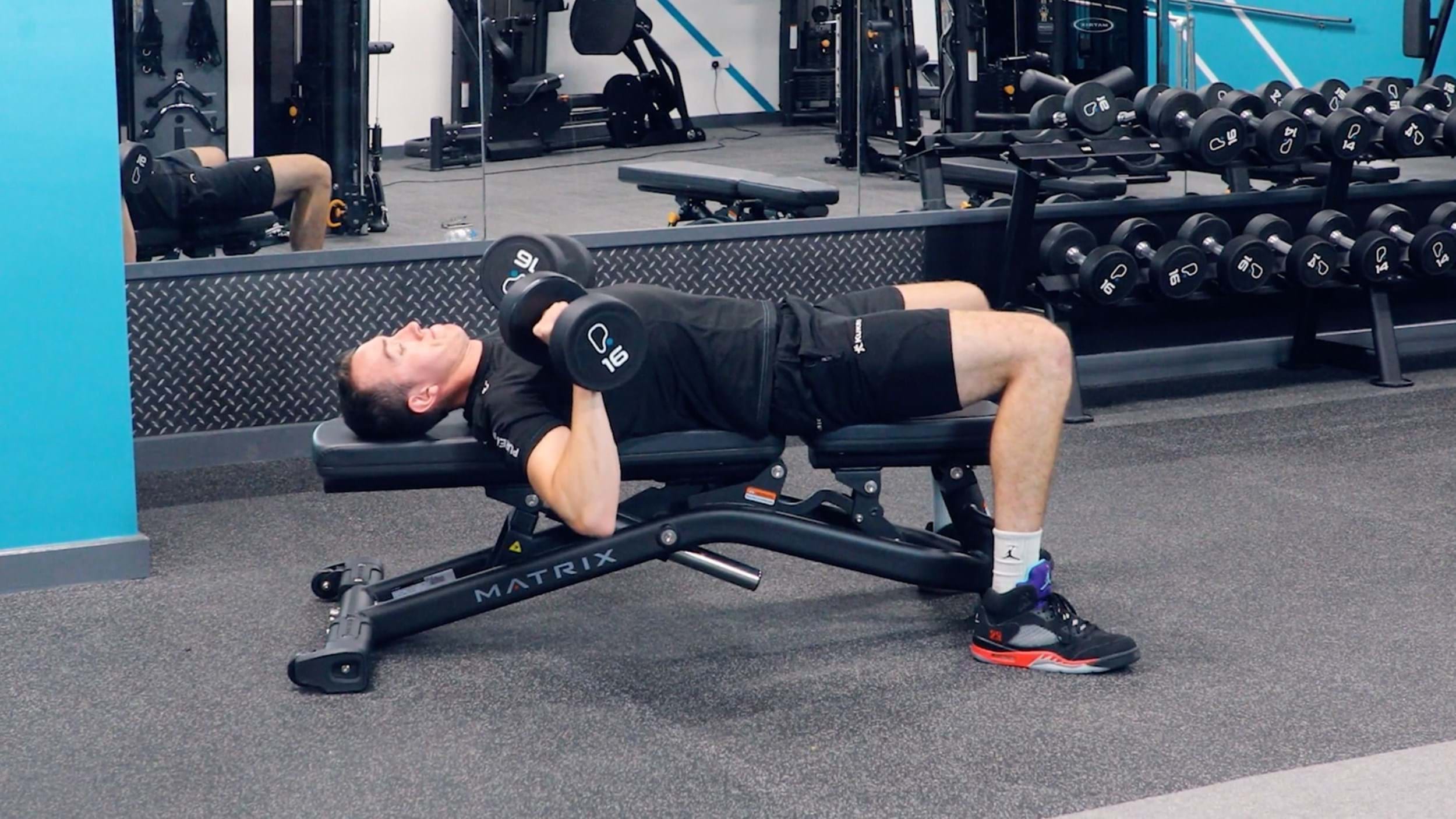
Credit: www.puregym.com

Credit: www.setforset.com
Frequently Asked Questions
How Many Sets Of Dumbbell Bench Press Are Ideal?
Perform 3 to 4 sets of dumbbell bench press for optimal muscle growth. This range balances intensity and volume effectively. Beginners may start with fewer sets and gradually increase. Adjust sets based on fitness level and goals for best results.
How Many Reps Per Set For Dumbbell Bench Press?
Aim for 8 to 12 reps per set to build muscle and strength. This rep range targets hypertrophy efficiently. Lower reps focus on strength, while higher reps improve endurance. Choose a weight that challenges you within this rep range.
How Often Should You Do Dumbbell Bench Press Weekly?
Perform dumbbell bench press 2 to 3 times per week for balanced recovery. This frequency supports muscle growth and prevents overtraining. Allow at least 48 hours between sessions targeting the same muscle group. Combine with other chest exercises for variety.
Can Too Many Sets Cause Overtraining In Dumbbell Bench Press?
Yes, excessive sets can lead to overtraining, causing fatigue and injury. Stick to recommended set ranges and listen to your body. Proper rest and nutrition help prevent overtraining. If soreness persists, reduce volume or intensity.
Conclusion
Choosing the right number of dumbbell bench press sets matters a lot. Start with three to four sets for good strength gains. Rest well between sets to keep muscles fresh. Pay attention to how your body feels during workouts. Adjust sets if you feel too tired or not challenged.
Consistency and good form help you see steady progress. Keep your goals clear and stay patient. Small steps add up to big results over time. Stay safe and enjoy your fitness journey.