Are you wondering if 16 ounce boxing gloves are safer than 12 ounce ones? Choosing the right gloves isn’t just about comfort or style—it can directly impact your safety in the ring.
You want to protect your hands and avoid injuries, but it’s easy to get confused by all the options out there. This article will help you understand the key differences and guide you to the best choice for your training and sparring.
Keep reading to find out how the size of your gloves affects your safety and performance.
Glove Weight And Impact Absorption
Glove weight plays a key role in how well boxing gloves absorb impact. Heavier gloves usually have more padding. This extra padding helps to spread out the force of punches. It reduces the chance of injury for both the puncher and the person being hit. Understanding how glove weight affects impact absorption can guide your choice between 12-ounce and 16-ounce gloves.
How Padding Affects Force Distribution
Padding inside boxing gloves acts like a cushion. It softens the blow by spreading the force over a larger area. This reduces the sharpness of impact on your knuckles and your opponent’s body. Good padding can lower the risk of cuts and bruises. It also protects your hands from stress and damage over time. Thicker padding means better force distribution and safer training sessions.
Comparing 12oz And 16oz Padding Density
12-ounce gloves have less padding than 16-ounce gloves. The padding in 12oz gloves is denser but thinner. This makes them lighter but with less shock absorption. 16-ounce gloves contain more foam padding. This extra foam helps absorb more impact and spreads it out more evenly. Heavier gloves slow down punches slightly, reducing injury risk. For sparring and safety, 16-ounce gloves often offer better protection than 12-ounce gloves.

Credit: pfxsports.com
Injury Risks And Protection Levels
Boxing carries risks of injuries due to fast, strong punches. Gloves play a key role in protection. Choosing the right glove size affects injury risks for both fighters. Comparing 16 ounce and 12 ounce gloves helps understand their safety levels.
Common Injuries In Boxing
Boxers often face cuts, bruises, and swelling on their hands and face. Wrist sprains and fractures are also common. Head injuries like concussions happen from hard punches. Proper gear reduces these risks but does not remove them.
Role Of Glove Size In Reducing Hand Injuries
Larger gloves, like 16 ounces, have more padding. They absorb more impact, protecting the wearer’s hands better. Smaller gloves, such as 12 ounces, offer less cushioning. This raises the chance of hand injuries during training or fights.
Effect On Opponent’s Safety
Heavier gloves spread the force over a larger area. This lowers the risk of cuts and bruises on the opponent. Lighter gloves deliver punches with more concentrated force. Opponents may face higher chances of injury with smaller gloves.
Performance And Comfort Differences
Choosing between 16 ounce and 12 ounce boxing gloves affects how you perform and feel during training. The weight difference changes how fast and easy your hands move. Comfort also varies, which can affect how long you train without pain or tiredness. Understanding these differences helps you pick gloves that fit your style and needs.
Mobility And Speed Considerations
Heavier 16 ounce gloves slow down hand speed. This can reduce quick punches and fast movements. Lighter 12 ounce gloves allow faster punches and better hand control. Faster hands help with defense and quick attacks. But heavier gloves offer more padding, which can protect your hands better.
Fatigue Impact With Heavier Gloves
Using 16 ounce gloves tires your arms more quickly. The extra weight makes muscles work harder. This can limit training time and reduce punch power later. Lighter 12 ounce gloves cause less fatigue. You can train longer with less arm strain. Choosing the right weight balances protection and energy during workouts.
Expert Opinions On Glove Safety
Experts share varied views on whether 16 ounce boxing gloves offer more safety than 12 ounce gloves. Their insights help boxers choose the right gloves based on protection and performance. Understanding these opinions can guide safer training and fights.
Trainer Perspectives
Many trainers recommend 16 ounce gloves for sparring. The extra padding reduces impact force on both fighters. Trainers say this lowers the chance of cuts and bruises. They believe heavier gloves help protect hands during long sessions. Some trainers note 12 ounce gloves suit competition better. They say lighter gloves allow faster punches but offer less padding. Trainers stress choosing gloves based on the activity type. Sparring calls for more protection, while fights need lighter gloves for speed.
Medical Expert Insights
Medical experts focus on injury prevention and brain safety. They point out that 16 ounce gloves absorb more shock than 12 ounce ones. This can reduce the risk of hand fractures and facial injuries. Doctors warn that no glove can fully prevent brain injury. They emphasize proper technique and controlled sparring to avoid harm. Medical advice often stresses using heavier gloves in practice. This reduces repeated heavy impacts and helps protect long-term brain health.
Situational Use Of Different Glove Sizes
Choosing the right boxing gloves depends on the situation. Different glove sizes serve different purposes. They affect safety, comfort, and performance. Understanding when to use each size helps boxers train and compete effectively.
Glove size is not just about weight. It also relates to padding, protection, and rules. This section explains how glove sizes vary for training and competition. It also covers how weight classes influence glove choice.
Training Vs. Competition Gloves
Training gloves are usually heavier. Sixteen-ounce gloves are common for practice. They offer more padding and protect hands and sparring partners. Heavier gloves slow punches slightly, helping build strength.
Competition gloves are lighter, often twelve ounces or less. They allow faster punches and better control. Less padding means less weight, but also less protection. Boxers must balance speed and safety during fights.
Weight Classes And Glove Selection
Glove rules vary by weight class in many boxing organizations. Lighter fighters often use smaller gloves. Heavier fighters may be required to wear larger gloves.
Choosing the right glove size ensures fair play and safety. It prevents injuries and matches skill levels. Weight class rules help maintain these standards for all boxers.
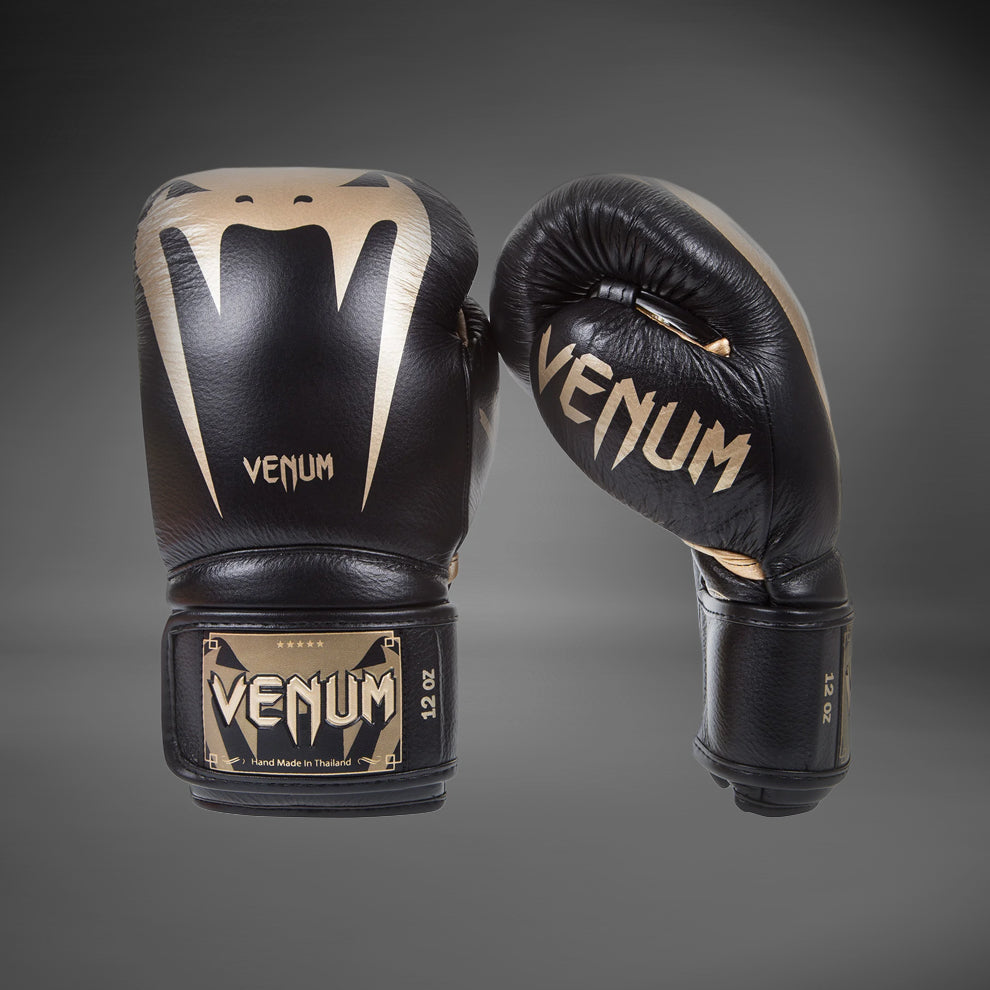
Credit: www.venum.com
Choosing The Right Gloves For Safety
Choosing the right boxing gloves plays a big role in safety during training or matches. Gloves protect your hands and reduce the risk of injury to your opponent. Different glove sizes and weights offer various levels of protection. Understanding these differences helps you pick gloves that suit your needs and keep you safe.
Factors To Consider
Glove weight affects padding thickness and impact absorption. Heavier gloves, like 16 ounces, have more padding. This extra padding lowers the chance of hand injuries and reduces force on your opponent.
Smaller gloves, such as 12 ounces, feel lighter and faster. They offer less padding, which may increase injury risk during hard hits. Consider your training type, experience, and hand size when choosing glove weight.
Proper Fit And Maintenance
Gloves must fit snugly without cutting off circulation. Too loose gloves can cause your hands to slip, leading to injuries. Wrap your hands properly before putting on gloves to add extra support.
Clean gloves after each use to avoid bacteria and bad smell. Store them in a dry place to prevent mold and damage. Well-maintained gloves last longer and keep your hands safer.

Credit: www.ebay.com
Frequently Asked Questions
Are 16 Ounce Boxing Gloves Safer Than 12 Ounce?
Yes, 16 ounce gloves offer better padding and shock absorption. This reduces hand injuries and impact force during training or sparring.
Why Choose 16 Ounce Gloves Over 12 Ounce For Sparring?
16 ounce gloves provide extra protection for both you and your partner. They help minimize bruises and cuts in sparring sessions.
Do Heavier Gloves Slow Down Punches Compared To Lighter Ones?
Heavier gloves like 16 ounce can slightly slow punch speed. This helps improve control and technique while reducing injury risk.
Can 12 Ounce Gloves Cause More Hand Injuries?
12 ounce gloves have less padding, increasing hand injury risk. They are better suited for bag work or competition rather than sparring.
Conclusion
Choosing between 16 ounce and 12 ounce boxing gloves depends on your needs. Heavier gloves offer extra padding, which can reduce injury risk. Lighter gloves allow faster movements but less protection. Consider your training style and safety first. Both sizes have pros and cons.
Use gloves that feel right and keep you safe. Stay smart and protect your hands every time you train. Safety matters most in boxing, so choose wisely.