Are you wondering if dumbbell deadlifts can really help build your back? You might think deadlifts are only for heavy barbells or big gyms, but dumbbells offer a powerful way to strengthen your back muscles right at home or anywhere.
If you want a simple, effective move that targets your entire back and improves your posture, this could be the answer. Keep reading to discover how dumbbell deadlifts work your back, why they might be the missing piece in your workout, and how to do them the right way for the best results.
Your back will thank you.
Credit: www.inspireusafoundation.org
Dumbbell Deadlift Basics
Dumbbell deadlifts are a simple and effective exercise. They help build strength and improve posture. Using dumbbells makes this move easy to do at home or in the gym. Understanding the basics is important to get the best results and avoid injury.
Here is a closer look at the key points of dumbbell deadlifts. Learn how to do the exercise right and which muscles it works the most.
Proper Form And Technique
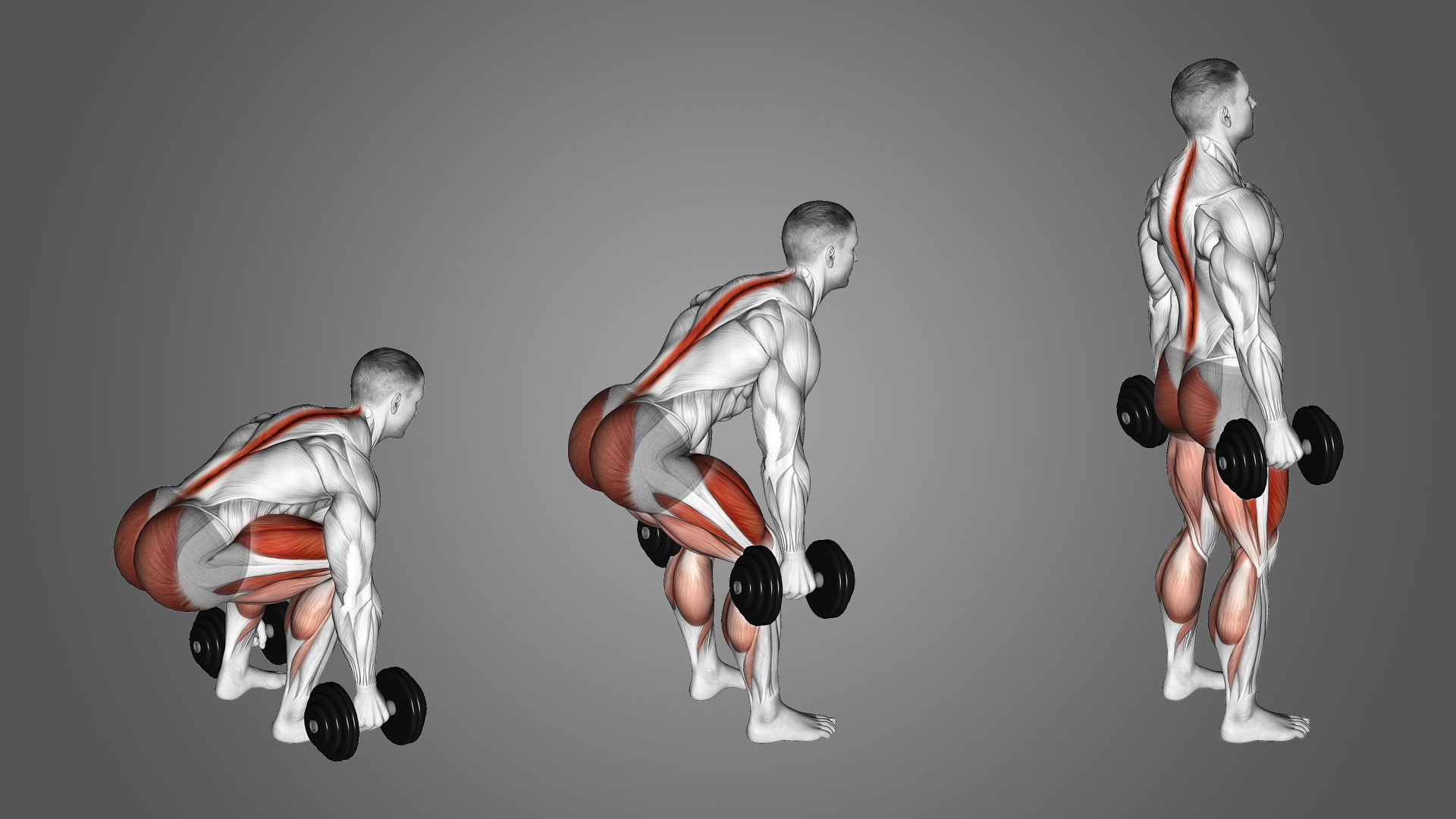
Stand with feet hip-width apart, holding dumbbells by your sides. Keep your back straight and chest up. Bend at the hips and knees, lowering the dumbbells close to the floor. Do not round your back. Push through your heels to stand back up. Keep the dumbbells close to your legs the entire time. Move slowly and control the weight to avoid injury.
Muscles Targeted
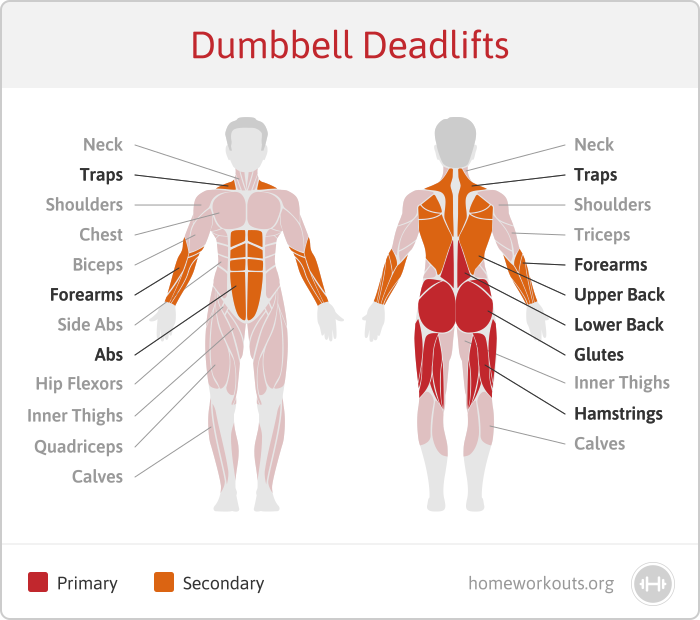
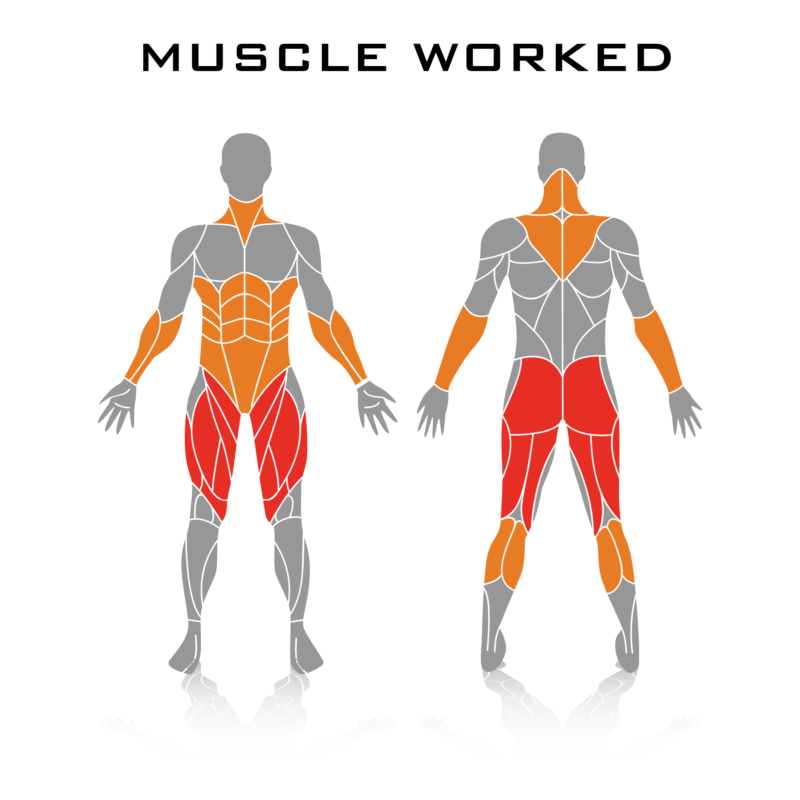
Dumbbell deadlifts mainly work the muscles in your back. The lower back muscles get a strong workout. Your glutes and hamstrings also work hard. The core muscles engage to keep balance. Your forearms and grip get stronger too. This exercise helps improve overall body strength and posture.
Credit: homeworkouts.org
Back Muscles Engaged
Dumbbell deadlifts are a powerful exercise for the back. They target several muscles that help you stand tall and move well. Understanding which back muscles work during this exercise helps you train smarter. It also helps prevent injuries and build balanced strength.
Upper Back Activation
The upper back muscles hold your shoulders back and support your posture. Dumbbell deadlifts activate the trapezius, rhomboids, and rear deltoids. These muscles pull your shoulder blades together during the lift. This action improves your upper back strength and stability.
Lower Back Strengthening
The lower back muscles protect your spine and help you bend and lift. Dumbbell deadlifts engage the lumbar muscles deeply. These muscles work hard to keep your spine straight as you lift. Strengthening the lower back reduces the risk of pain and injury.
Role Of Spinal Erectors
Spinal erectors run along your spine from neck to lower back. They keep your spine stable and upright during the deadlift. Dumbbell deadlifts challenge these muscles to resist bending forward. This action builds endurance and power in the spinal erectors.
Benefits For Back Development
Dumbbell deadlifts offer many benefits for back development. They target several muscles in the back, helping you build strength and improve posture. Using dumbbells allows for a natural range of motion. This makes the exercise safer and more effective for your back muscles.
Improved Posture
Dumbbell deadlifts strengthen the muscles along the spine. Strong muscles help you stand taller and reduce slouching. Better posture lowers the risk of back pain. It also supports daily activities and other exercises.
Increased Muscle Endurance
Performing dumbbell deadlifts regularly builds muscle endurance. Your back muscles can work longer without getting tired. This helps during long hours of sitting or physical work. Endurance also aids in recovery from back strain.
Enhanced Strength
Dumbbell deadlifts increase the power of your back muscles. Stronger muscles protect your spine and improve lifting ability. This strength supports better performance in sports and daily tasks. It also helps prevent injuries by stabilizing your back.
Comparison With Other Deadlifts
Dumbbell deadlifts are a popular choice for many fitness enthusiasts. They target the back and other muscle groups effectively. Comparing them with other deadlift types helps you understand their benefits and limits.
Different deadlifts use various equipment and techniques. These differences affect muscle activation and workout style. Knowing these details can guide your training choices.
Barbell Vs Dumbbell Deadlifts
Barbell deadlifts allow lifting heavier weights. This builds more overall strength. The barbell keeps your hands fixed in one position. It helps maintain a stable form during the lift.
Dumbbell deadlifts use two separate weights. This means each side works independently. It improves muscle balance and coordination. Dumbbells also allow a greater range of motion. This can reduce strain on the lower back.
The choice depends on your goals and equipment. Barbell lifts are great for strength. Dumbbells offer more flexibility and control.
Suitability For Beginners
Dumbbell deadlifts suit beginners well. They are easier to learn and control. The lighter weights reduce injury risk. Dumbbells also help focus on form and posture.
Barbell deadlifts require good technique to avoid injury. Beginners may find the barbell harder to handle. Starting with dumbbells builds confidence and strength. Then, you can progress safely to barbells.
Choosing dumbbells first helps develop proper movement patterns. This foundation is important for long-term progress.
Common Mistakes To Avoid
Dumbbell deadlifts help build your back muscles effectively. But mistakes can reduce benefits and cause injury. Avoiding common errors ensures better results and safety. Focus on form and weight for the best workout.
Rounding The Back
Keep your back straight during the entire movement. Rounding the back strains your spine and increases injury risk. Engage your core and pull your shoulders back. This keeps your spine neutral and stable. Good posture protects your back and improves muscle activation.
Incorrect Weight Selection
Choose weights that challenge you but do not break your form. Too heavy weights cause poor technique and risk injury. Too light weights limit muscle growth and strength gains. Start with moderate weight and increase gradually. Proper weight helps maintain control and proper posture.
Tips To Maximize Back Engagement
Maximizing back engagement during dumbbell deadlifts boosts strength and improves posture. Small changes in technique make a big difference. Focus on muscle control and breathing for better results.
Controlled Movement
Move slowly and with control. Avoid jerky or fast motions. Keep your back straight and chest lifted. Lower the dumbbells carefully to feel the muscles working. Pause briefly at the bottom. This helps increase tension in your back. Controlled movement reduces injury risk and improves muscle focus.
Breathing Techniques
Breathe deeply to support your back muscles. Inhale before you lift the dumbbells. Exhale slowly as you stand up. This creates core stability and helps maintain good posture. Proper breathing improves oxygen flow to muscles. It also helps you stay calm and focused during the exercise.
Credit: squatwolf.com
Frequently Asked Questions
Do Dumbbell Deadlifts Target The Back Muscles Effectively?
Yes, dumbbell deadlifts engage the lower back, lats, and traps. They strengthen these muscles while improving posture and stability. This makes them an effective back workout option.
How Do Dumbbell Deadlifts Compare To Barbell Deadlifts?
Dumbbell deadlifts offer more range of motion and balance training. Barbells allow heavier lifting but less movement freedom. Both target back muscles well but differ in equipment and technique.
Can Dumbbell Deadlifts Improve Posture And Reduce Back Pain?
Yes, dumbbell deadlifts strengthen core and back muscles, supporting better posture. Stronger muscles reduce strain and help alleviate chronic back pain over time.
What Is The Correct Form For Dumbbell Deadlifts To Protect The Back?
Keep a straight back, hinge at hips, and avoid rounding the spine. Engage core muscles and lift with legs to prevent injury and maximize effectiveness.
Conclusion
Dumbbell deadlifts help build a strong back and improve posture. They work many muscles, including the lower back, traps, and lats. Using dumbbells allows better control and balance. This exercise suits beginners and experienced lifters alike. Remember to keep your form correct to avoid injury.
Adding dumbbell deadlifts to your routine can support overall back strength. Simple but effective. Give it a try and feel the difference.