Your bike lock is the key to keeping your ride safe, but over time, dirt, rust, and grime can make it hard to use. If you’ve ever struggled with a sticky or jammed lock, you know how frustrating it can be.
The good news? Cleaning your bike lock is easier than you think. In this guide, you’ll discover simple, effective steps to restore your lock’s smooth operation and extend its life. Keep reading, and you’ll never have to worry about a stubborn lock again.
Credit: www.tondicaffe.com
Tools And Materials Needed
Cleaning a bike lock keeps it working smoothly and stops rust. Gathering the right tools and materials makes the job easier. Simple items can help remove dirt and protect the lock parts.
Using the correct supplies ensures a thorough clean. It helps prevent damage and extends the lock’s life. Here is what you need for a good cleaning session.
Soft Cloth Or Rag
A soft cloth removes dust and dirt gently. Avoid rough fabrics that can scratch the lock’s surface.
Mild Soap Or Detergent
Mild soap breaks down grime without harming the lock. Mix a small amount with water for cleaning.
Small Brush
A small brush, like a toothbrush, reaches tight spots. It helps remove dirt from hard-to-reach areas.
Lubricant
Lubricant keeps the lock’s moving parts smooth. Use a lock-specific oil or spray for best results.
Water
Clean water rinses off soap and dirt. Use it sparingly to avoid moisture build-up inside the lock.
Paper Towels
Paper towels dry the lock after cleaning. They absorb moisture quickly to prevent rust.

Credit: www.vecteezy.com
Signs Of A Dirty Or Rusty Bike Lock
Recognizing signs of a dirty or rusty bike lock helps protect your bike. A clean lock works smoothly and lasts longer. Dirt and rust cause problems that may stop the lock from opening.
Check your bike lock often. This helps catch issues early. Small problems grow bigger without care. Watch out for these common signs.
Visible Rust Spots
Rust looks like orange or brown patches on the lock. It forms when metal meets water and air. Rust weakens the lock and can break it.
Difficulty Turning The Key
When the key feels hard to turn, dirt or rust may block the mechanism. The lock might stick or jam. This makes using the lock slow and frustrating.
Rough Or Noisy Movement
If the lock moves with noise or roughness, dirt may be inside. Clean locks move quietly and smoothly. Noise signals trapped dirt or rust buildup.
Stiff Or Frozen Lock Parts
Parts that do not move or freeze in place suggest rust or dirt buildup. This causes the lock to fail. Locks need to move freely to work well.
Discoloration On Metal Surfaces
Metal that changes color, such as dull or dark areas, often has dirt or corrosion. This weakens the lock and shows poor condition. Clean metal shines and looks healthy.
Preparing The Lock For Cleaning
Preparing the lock for cleaning is an important first step. It helps remove dirt and makes the cleaning process easier. Taking time to prepare your bike lock will improve its performance and last longer.
Start by gathering all the tools and materials needed. This saves time and avoids interruptions. Clean the area where you will work to keep everything tidy.
Inspect The Lock For Visible Dirt
Look closely at the lock surface. Check for mud, dust, or grime. Notice any rust or sticky spots. This helps decide how deep the cleaning needs to be.
Remove The Lock From The Bike
Take the lock off the bike carefully. This allows better access to all parts. Cleaning the lock while off the bike avoids damage to the frame.
Gather Cleaning Supplies
Prepare a soft cloth, brush, and mild soap. Use a lubricant designed for locks. Avoid harsh chemicals that can harm the lock’s finish.
Clear The Lock Mechanism
Use compressed air or a small brush to clear dust inside. This prevents dirt buildup inside the lock. A clean mechanism works smoothly and lasts longer.
Credit: www.bikelockwiki.com
Step-by-step Cleaning Process
Cleaning a bike lock keeps it working smoothly and lasts longer. A simple step-by-step process helps remove dirt and rust. Follow these easy steps to clean your bike lock well.
Removing Surface Dirt
Start by wiping off loose dirt and dust. Use a dry cloth or soft brush. Clean all sides of the lock carefully. This prevents grime from scratching the surface later.
Applying Rust Remover
Check the lock for rust spots. Apply a rust remover with a small brush or cloth. Let it sit for a few minutes. The remover breaks down rust and protects the metal.
Scrubbing And Brushing
Use a soft brush to scrub the lock gently. Focus on rusty or dirty areas. Avoid hard scrubbing to prevent damage. This step clears away rust and stuck dirt well.
Rinsing And Drying
Rinse the lock with clean water to remove chemicals. Dry it thoroughly with a soft towel. Make sure no moisture stays inside the lock. This stops rust from forming again.
Lubricating The Lock Mechanism
Lubricating the lock mechanism keeps your bike lock working smoothly. Dirt and rust can cause the lock to stick or jam. Adding lubricant helps protect the internal parts and extends the lock’s life.
Use a lubricant made for locks or a light machine oil. Avoid thick greases that attract dust and grime. Proper lubrication ensures easy turning of the key and smooth locking action.
Choosing The Right Lubricant
Select a lubricant that penetrates well and does not leave residue. Graphite powder and silicone sprays are excellent choices. Avoid heavy oils that can gum up the lock over time.
How To Apply Lubricant Properly
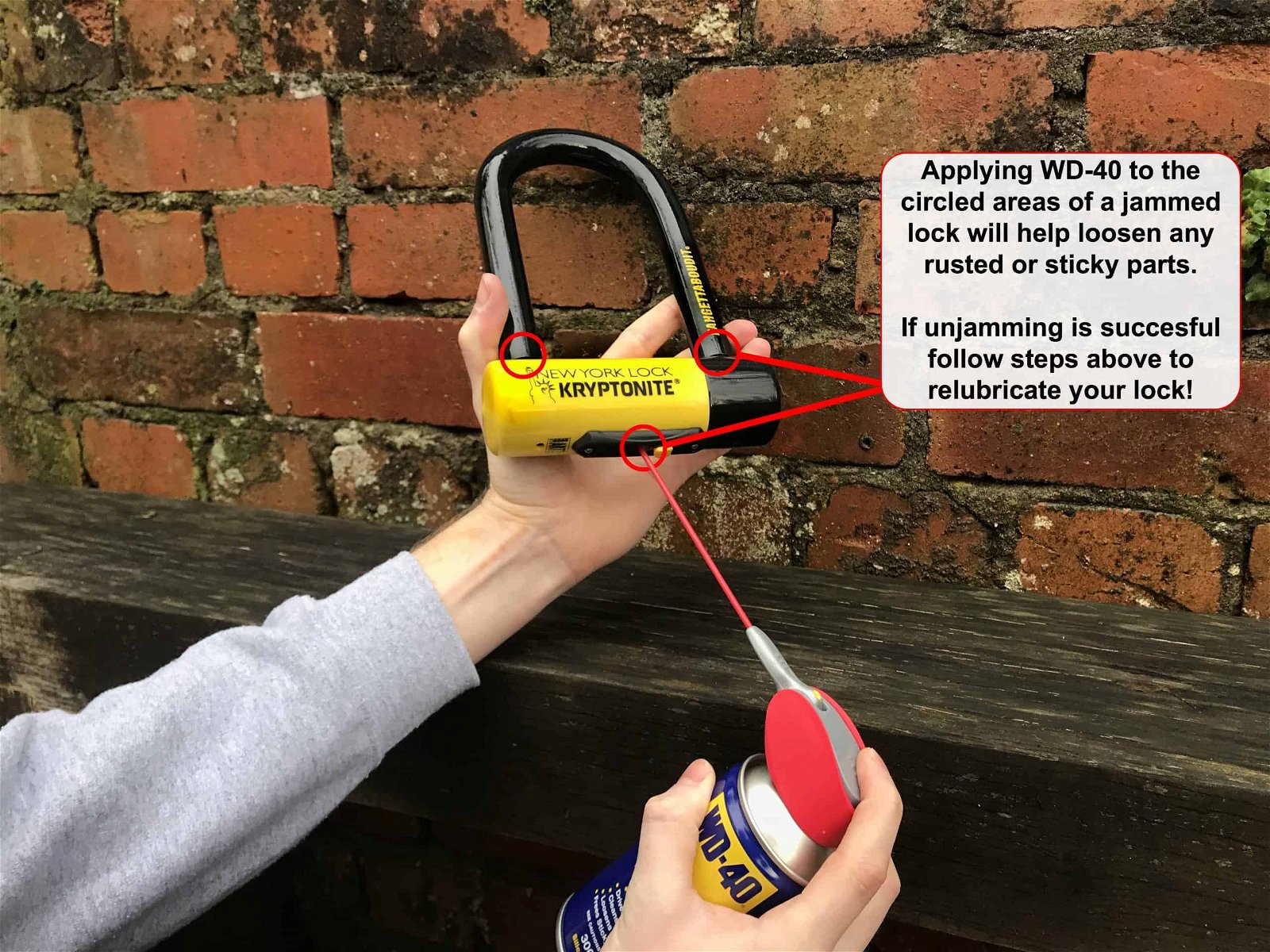
Insert the key and spray or drop lubricant inside the keyhole. Turn the key several times to spread the lubricant evenly. Wipe away any excess around the lock to prevent dirt build-up.
Frequency Of Lubrication
Lubricate your lock every few months or after exposure to rain. Regular lubrication stops rust and keeps the mechanism smooth. More frequent care is needed in wet or dusty environments.
Preventing Rust In The Future
Rust can ruin a bike lock quickly. Preventing rust protects your lock and keeps it working well for years. A little care stops rust from forming on metal parts. It also saves time and money on repairs or replacements.
Regular Maintenance Tips
Clean your bike lock often. Use a dry cloth to wipe off dirt and moisture. Oil the lock’s moving parts with light lubricant. This stops rust and keeps the lock smooth. Check for signs of rust or damage every month. Fix small problems fast to avoid bigger issues.
Proper Storage Methods
Store your bike lock in a dry place. Avoid leaving it outside in rain or snow. Use a lock cover or plastic bag if needed. Keep the lock away from salty air or chemicals. Dry the lock completely before storing after use. Proper storage extends the life of your lock.
Frequently Asked Questions
How Often Should I Clean My Bike Lock?
Clean your bike lock every 3 to 6 months. Regular cleaning prevents rust and ensures smooth operation. Frequent use or exposure to dirt may require more frequent cleaning to maintain lock functionality and longevity.
What Materials Do I Need To Clean A Bike Lock?
You need a mild detergent, warm water, a soft brush, and a cloth. Use lubricant designed for locks to keep internal parts working smoothly. Avoid harsh chemicals that can damage the lock’s surface or mechanism.
Can I Use Wd-40 To Clean My Bike Lock?
Yes, WD-40 can help remove dirt and rust. However, avoid overuse as it can attract dust and grime. Apply it sparingly and follow with a lock-specific lubricant for best results.
How Do I Clean A Frozen Bike Lock?
Use warm water to gently thaw the lock. Avoid hot water as it may damage the lock. After thawing, dry the lock thoroughly and apply lubricant to prevent future freezing.
Conclusion
Cleaning your bike lock keeps it working smoothly and lasts longer. Use simple tools like a cloth, brush, and oil. Regular care stops rust and dirt from building up. A clean lock helps protect your bike every day. Small efforts save you from big problems later.
Remember, a little cleaning goes a long way. Keep your lock clean, and your bike safe. Easy steps, great results.