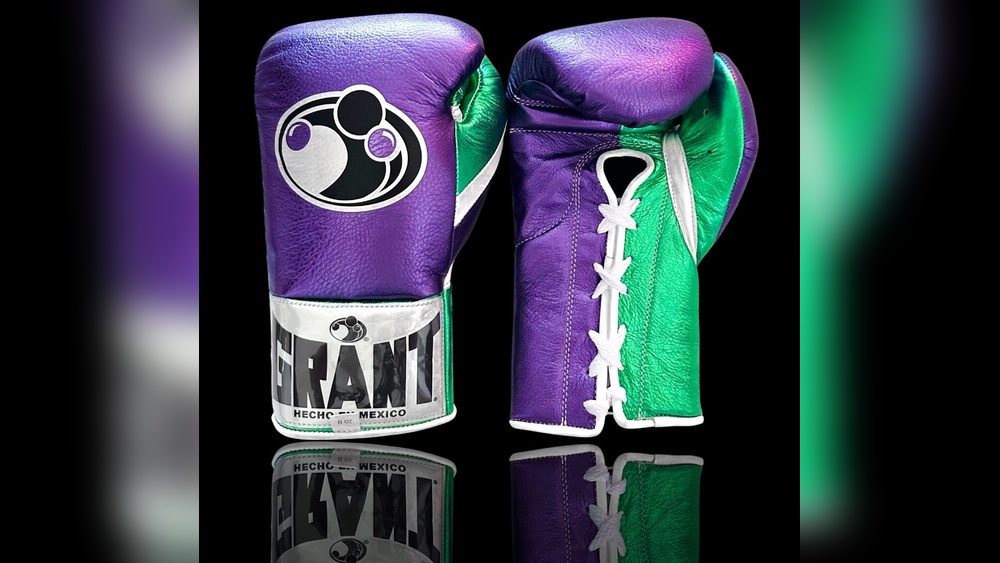
Are you confused about which boxing gloves size is right for you? Choosing the correct glove size can make a big difference in your comfort, safety, and performance in the ring.
Whether you’re just starting out or looking to upgrade your gear, understanding the differences in boxing glove sizes will help you train smarter and fight better. Keep reading to discover how the right gloves can protect your hands, boost your confidence, and take your boxing skills to the next level.
Boxing Glove Sizes Basics
Choosing the right boxing glove size is important for comfort and safety. Gloves come in different sizes to fit various hand sizes and training needs. Understanding the basics of glove sizes helps find the best fit for every boxer.
Boxing glove size affects protection, control, and performance. The correct size also reduces the risk of injury during training or matches.
What Glove Size Means
Glove size refers to the weight of the gloves in ounces (oz). This weight includes the padding inside the glove. Bigger gloves have more padding and weigh more. The size does not measure the glove’s length or width but its thickness and protection level.
Different weights suit different purposes. Heavier gloves offer more protection for sparring. Lighter gloves are often used for bag work and competitions. Knowing the glove size helps pick the right glove for each activity.
Common Size Measurements
Glove sizes usually range from 8 oz to 20 oz. Beginners often use 12 oz or 14 oz gloves. Professional fighters may choose 8 oz or 10 oz gloves for matches. Larger gloves, like 16 oz or 18 oz, are common for training and sparring.
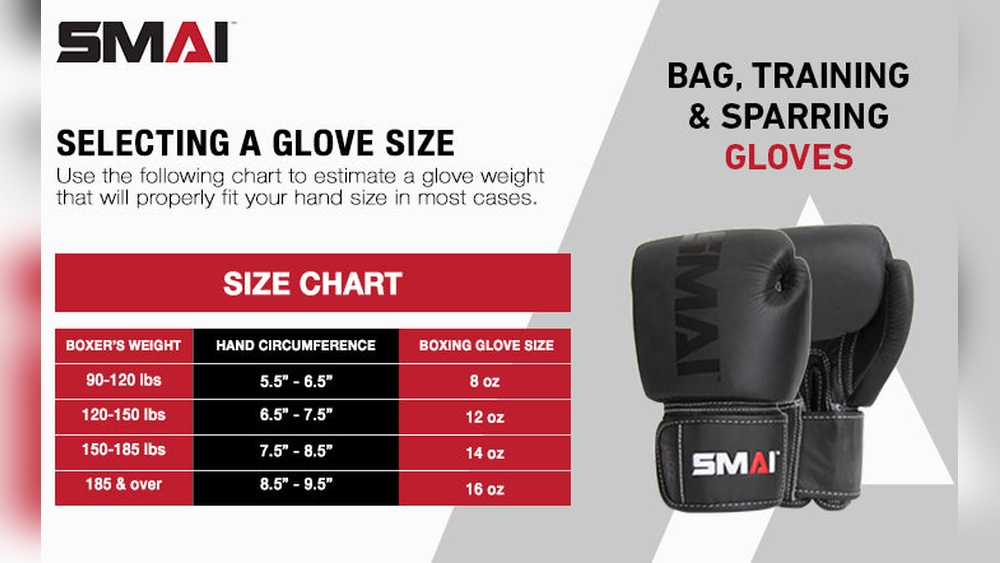
The glove size depends on the boxer’s weight and hand size. For example, a boxer weighing 120 pounds might use 12 oz gloves. Someone over 180 pounds might need 16 oz gloves. Checking the size chart helps select the right glove easily.

Credit: hydrogeology.mn
Weight And Size Relation
Boxing gloves come in various sizes and weights. Both size and weight affect how gloves feel and perform. Understanding their relation helps pick the right gloves for training or competition. Weight usually refers to ounces, which link closely to glove size. This connection influences comfort, protection, and speed during boxing.
Ounces And Their Impact
Glove weight is measured in ounces (oz). Common sizes are 8 oz, 10 oz, 12 oz, 14 oz, and 16 oz. Lighter gloves feel faster and allow quicker punches. Heavier gloves offer more padding and protect hands better. The right weight depends on your training goals and safety needs. Heavier gloves also slow your punches a bit but improve endurance.
Choosing Size By Weight Class
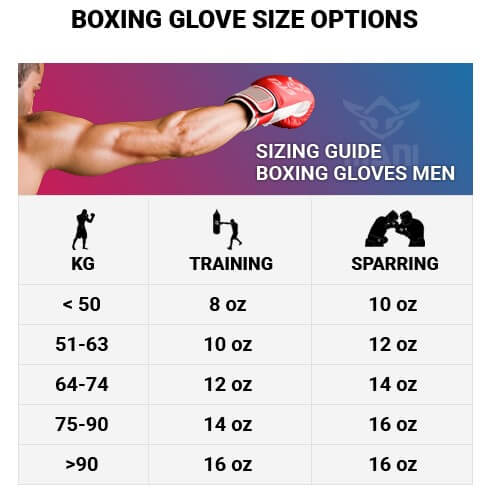
Boxers often select glove size based on their weight class. Lighter boxers use lighter gloves like 8 oz or 10 oz. Heavier boxers choose 12 oz or 16 oz gloves for better hand protection. Weight class guides help match glove size to body weight and strength. Using the correct size reduces injury risk and improves performance. Size choice also depends on the type of boxing activity, such as sparring or bag work.
Types Of Boxing Gloves
Boxing gloves come in different types, each designed for a specific purpose. Choosing the right type helps protect your hands and your opponent. It also improves your training and performance.
Understanding these types helps you pick the right gloves for your needs. Sizes vary between types, so knowing the difference is important.
Training Gloves
Training gloves are versatile and used for many exercises. They provide good padding for heavy bag work and mitt drills. These gloves offer solid hand protection and comfort. They come in sizes that balance protection and mobility.
Sparring Gloves
Sparring gloves focus on safety for both fighters. They have extra padding to reduce injury during practice matches. These gloves are usually larger and heavier than training gloves. Their size helps absorb impact and protect your partner.
Competition Gloves
Competition gloves are lighter and smaller to increase speed. They have less padding than sparring gloves. These gloves are designed to meet official rules and standards. Using the correct size ensures fairness and safety in matches.
Credit: hydrogeology.mn
Hand Size And Glove Fit
Choosing the right boxing gloves depends a lot on hand size and glove fit. Gloves that fit well protect your hands and improve your performance. Gloves too tight or too loose can cause discomfort and injuries. Knowing your hand size helps you pick the best glove size. Proper fit feels snug but not tight. It allows good movement and support.
Measuring Your Hand
Measure your hand to find the correct glove size. Use a soft tape measure or a string. Wrap it around the widest part of your palm. Do not include the thumb. Note the measurement in inches or centimeters. This number matches glove sizes on most charts. Measure both hands because sizes can differ. Use the larger measurement for the best fit.
Glove Fit Tips
Try gloves on before buying when possible. Gloves should fit snugly without pinching. Fingers should reach the glove end but not feel tight. The wrist strap must secure the glove firmly. Gloves should not slide or bunch inside. Padding should cover the knuckles fully. Check your hand movement inside the glove. A good fit protects and feels comfortable during training.
Glove Size For Different Uses
Choosing the right boxing glove size depends on what you plan to do. Different activities need different glove weights and sizes. This helps protect your hands and your training partner. It also improves your performance in each activity.
Below are common uses for boxing gloves and the best sizes for each.
Bag Work
Bag work involves hitting heavy bags or speed bags. Gloves for this should be lighter, usually between 10 to 14 ounces. Lighter gloves help you move faster and punch harder. They also protect your knuckles from the hard bag surface.
Use gloves with good padding but not too bulky. This balance keeps your hands safe and lets you practice your technique well.
Sparring Sessions
Sparring means practicing with a partner in a controlled fight. Gloves for sparring are heavier, typically 14 to 18 ounces. Heavier gloves offer more padding to protect both fighters. This reduces the chance of injuries.
Choose gloves that fit well and feel comfortable. Proper fit helps with control and defense during sparring.
Professional Fights
Professional fight gloves are the lightest, usually 8 to 10 ounces. These gloves have less padding to allow faster punches. They help show true skill and power in the ring.
Fighters must follow strict rules about glove size in professional matches. This keeps the competition fair and safe for both boxers.

Credit: vixencomposites.com
Materials And Padding Differences
Boxing gloves come in various sizes, but their materials and padding also differ. These differences affect comfort, protection, and performance. Choosing the right glove depends on understanding these key features.
Foam Types
Foam padding is crucial for shock absorption in gloves. Some gloves use single-layer foam, which is softer but wears out faster. Multi-layer foam offers better protection and lasts longer. High-density foam is firm and protects hands during heavy hits. Low-density foam feels softer and suits light training. The type of foam changes how gloves feel and protect your hands.
Leather Vs Synthetic
Leather gloves are durable and mold to your hand over time. They feel comfortable and last longer with proper care. Synthetic gloves cost less and are easier to clean. They are lighter but may wear out faster than leather. Both types have pros and cons. Your choice depends on budget and how often you train.
Safety And Performance
Choosing the right size of boxing gloves affects both safety and performance. Gloves that fit well protect your hands and your opponent. They also help you punch better and last longer in training or matches.
Impact Absorption
Boxing gloves come with padding that absorbs the shock of punches. Larger gloves have more padding, which spreads the force over a bigger area. This reduces injury risk to your knuckles and wrists. Smaller gloves offer less padding but allow faster punches and better control. Using the right size means your hands stay safe while your punches stay strong.
Wrist Support
Good wrist support prevents sprains and strains during punching. Gloves that are too big can slip, causing weak wrist alignment. Gloves that are too small may feel tight and cut off blood flow. The right size keeps your wrist stable and comfortable. This balance helps you punch harder without hurting yourself.
How To Choose The Right Size
Choosing the right size of boxing gloves is important for comfort and safety. Gloves that are too big or too small can affect your performance. They can also cause injuries. Knowing how to pick the right size helps you train better and protect your hands.
Factors To Consider
Weight is a key factor in glove size. Gloves come in ounces, like 8 oz or 16 oz. Lighter gloves are for competition, heavier ones for training. Your body weight can guide your choice. Also, think about the type of boxing you do. Training gloves need more padding. Competition gloves are lighter and less padded.
Hand size matters too. Measure your hand around the knuckles. This helps find a good fit. Fit affects how the glove feels and protects. Your skill level can influence your choice. Beginners might need more padding for safety. Experts may prefer lighter gloves for speed.
Trying Gloves On
Try gloves before buying. Wear hand wraps to check the real fit. Gloves should feel snug but not tight. Move your fingers and make a fist easily. Check if the wrist strap holds the glove firmly. Gloves that slip or pinch cause problems. Test them by punching the air or a bag. This shows how they protect your hands.
Ask for help from a trainer or shop expert. They can suggest the best size for your needs. Taking time to try gloves avoids mistakes. It ensures comfort and good protection during boxing.
Frequently Asked Questions
What Are Common Boxing Glove Sizes?
Boxing gloves typically range from 8 oz to 16 oz. Size depends on purpose, hand size, and weight class. Smaller gloves offer less padding, suited for competition. Larger gloves provide more protection, ideal for training and sparring.
How Do Glove Sizes Affect Protection?
Larger gloves have more padding, reducing injury risk for both fighters. Smaller gloves offer less cushioning but increase speed and impact. Choosing the right size balances safety with performance needs.
Can Boxing Glove Size Impact Performance?
Yes, glove size influences speed, power, and endurance. Smaller gloves allow faster punches but less protection. Bigger gloves slow punches but provide better hand and opponent safety.
How To Choose The Right Boxing Glove Size?
Consider your weight, training type, and hand size. For training, 14-16 oz gloves are common. For competitions, 8-10 oz gloves suit most weight classes. Always try gloves for comfort and fit before buying.
Conclusion
Choosing the right boxing glove size protects your hands and improves performance. Smaller gloves offer more speed but less padding. Larger gloves give better protection but may feel heavy. Consider your weight, training type, and comfort before buying. Using the correct glove size helps avoid injuries and boosts confidence.
Keep these points in mind to find gloves that fit well. Proper gloves make training safer and more effective. Your hands deserve the best care during every workout.