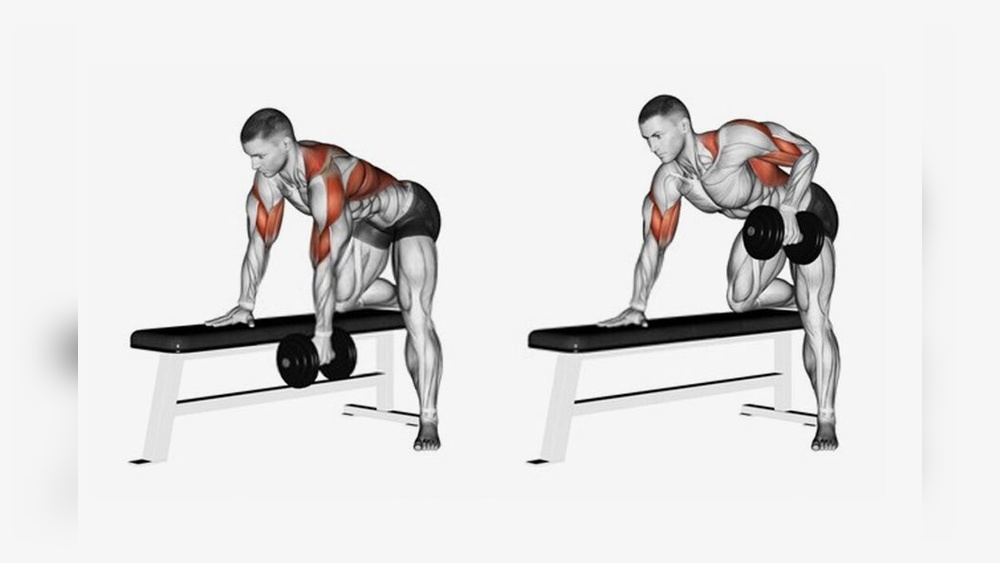
Want to build strong, defined chest muscles without stepping foot in a gym? You can do it right at home using just a pair of dumbbells.
Imagine the confidence you’ll feel with a sculpted chest that shows off your hard work. You’ll discover simple yet powerful exercises that target your chest, easy-to-follow tips to maximize your results, and how to avoid common mistakes that can slow your progress.
Ready to transform your upper body and boost your strength? Keep reading, because your best chest workout starts here.
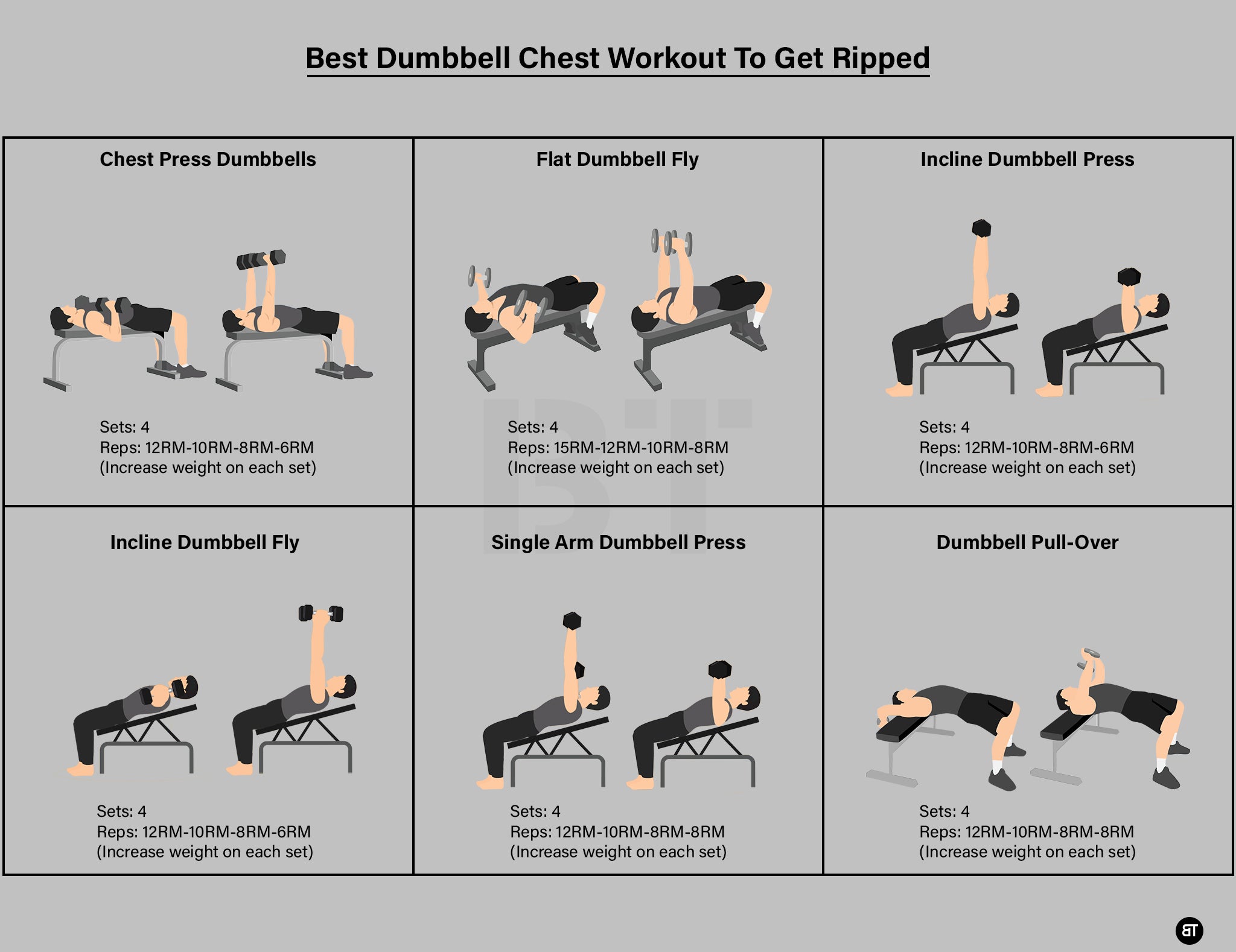
Credit: www.liftingitalia.com
Benefits Of Dumbbell Chest Workouts
Dumbbell chest workouts offer many benefits for building muscle at home. They help you develop strength evenly on both sides of your body. You get a wider movement compared to machines or barbells. Plus, dumbbells are easy to use anywhere, making your workouts flexible and simple.
Improved Muscle Balance
Dumbbells force each side of your chest to work alone. This stops one side from doing more work than the other. Muscle imbalances reduce strength and increase injury risk. Using dumbbells helps fix these imbalances. It builds equal strength and shape on both sides of your chest.
Increased Range Of Motion
Dumbbells allow your arms to move freely in many directions. This wider range stretches your chest muscles more. It helps muscles grow stronger and bigger. The extra movement also improves joint flexibility. Better range of motion means better workout results and less stiffness.
Convenience And Flexibility
Dumbbells are small and easy to store at home. You can workout anytime without needing a gym. They fit in small spaces and allow many exercise variations. This flexibility keeps workouts fresh and fun. You can build chest muscles anywhere and anytime with dumbbells.
Essential Equipment For Home Workouts
Building chest muscles at home needs some basic equipment. You do not need a lot. Just a few items can help you work out well and safely. Dumbbells are the main tool for chest exercises. They allow many moves that help build strength and muscle. Some extra gear can improve your workout experience and comfort.
Choosing The Right Dumbbells
Select dumbbells that fit your current strength level. Start with lighter weights to learn the movements. Gradually increase the weight as you get stronger. Adjustable dumbbells save space and money. They let you change the weight easily. Fixed-weight dumbbells are simple and durable. Choose a set with a comfortable grip. This helps prevent slipping during exercises. Make sure the dumbbells are balanced and stable. This keeps your workout safe and effective.
Optional Accessories
A workout bench helps you do more chest exercises. It supports your back and keeps you steady. Resistance bands add variety to your routine. They help with warm-ups and muscle activation. A yoga mat offers comfort and grip on hard floors. Weight gloves protect your hands and improve grip. A timer or stopwatch helps track rest periods. These tools are not must-haves but can boost your workouts.
Key Chest Muscles To Target
Building chest muscles at home with dumbbells requires knowing the key muscles to target. This knowledge helps you focus your workout on the right areas. It also improves your form and results. Understanding these muscles guides your exercise choices and helps you avoid injury.
Pectoralis Major
The pectoralis major is the largest chest muscle. It covers the front of your chest. This muscle helps move your arms toward the center of your body. It also helps lift and rotate your arms. Exercises like dumbbell presses mainly work the pectoralis major. Strengthening this muscle gives your chest a fuller, stronger look.
Pectoralis Minor
The pectoralis minor lies beneath the pectoralis major. It is smaller but important for shoulder movement. This muscle pulls your shoulder blade down and forward. Dumbbell fly exercises can help engage the pectoralis minor. A strong pectoralis minor improves shoulder stability and posture.
Supporting Muscles
Supporting muscles help the chest muscles work better. These include the deltoids and triceps. The deltoids sit on your shoulders and assist in arm movements. Triceps are on the back of your upper arms and help extend your arms. Dumbbell exercises often activate these muscles too. Training supporting muscles improves overall chest strength and endurance.
Effective Dumbbell Chest Exercises
Building chest muscles at home is simple with dumbbells. Effective exercises target different parts of the chest. This creates balanced muscle growth and strength. Dumbbells allow a full range of motion. This helps muscles work harder and grow faster. Below are some key exercises to include in your routine.
Flat Dumbbell Press
The flat dumbbell press works the middle chest. Lie on a flat bench or floor. Hold a dumbbell in each hand at chest level. Push dumbbells up until arms are straight. Lower them slowly back to the start. Keep your feet flat on the ground. This exercise builds size and strength.
Incline Dumbbell Press
The incline dumbbell press targets the upper chest. Set your bench at a 30-45 degree angle. Press dumbbells up from your chest. Lower them slowly to feel the stretch. This angle helps shape the upper chest muscles. It also improves shoulder stability.
Dumbbell Flyes
Dumbbell flyes stretch the chest muscles deeply. Lie flat or on an incline bench. Hold dumbbells above your chest with arms slightly bent. Open your arms wide to the sides. Bring dumbbells back up, squeezing your chest. This exercise increases chest width and flexibility.
Pullover Variations
Pullover exercises work the chest and ribcage muscles. Lie on a bench or floor. Hold one dumbbell with both hands above your chest. Move the dumbbell slowly back over your head. Return to the start position. Pullover variations improve chest expansion and muscle control.
Proper Form And Technique
Proper form and technique are key to building chest muscles effectively at home. Using dumbbells without correct posture can cause injury. Maintaining good form helps target the chest muscles properly. This section covers the basics to keep in mind during your workouts.
Starting Position
Begin by lying flat on a bench or the floor. Hold a dumbbell in each hand with a firm grip. Keep your feet flat on the ground for stability. Position the dumbbells near your chest, elbows bent at about 90 degrees. Your wrists should stay straight and aligned with your forearms.
Movement Control
Lift the dumbbells slowly by pushing them upward until your arms are almost straight. Avoid locking your elbows at the top. Lower the dumbbells carefully back to the starting position. Control the weight throughout the movement. Avoid fast or jerky motions to reduce injury risk.
Breathing Tips
Inhale deeply as you lower the dumbbells. Exhale steadily while pushing the weights upward. Proper breathing supports muscle strength and endurance. Don’t hold your breath during the exercise. A smooth breathing pattern helps maintain focus and energy.
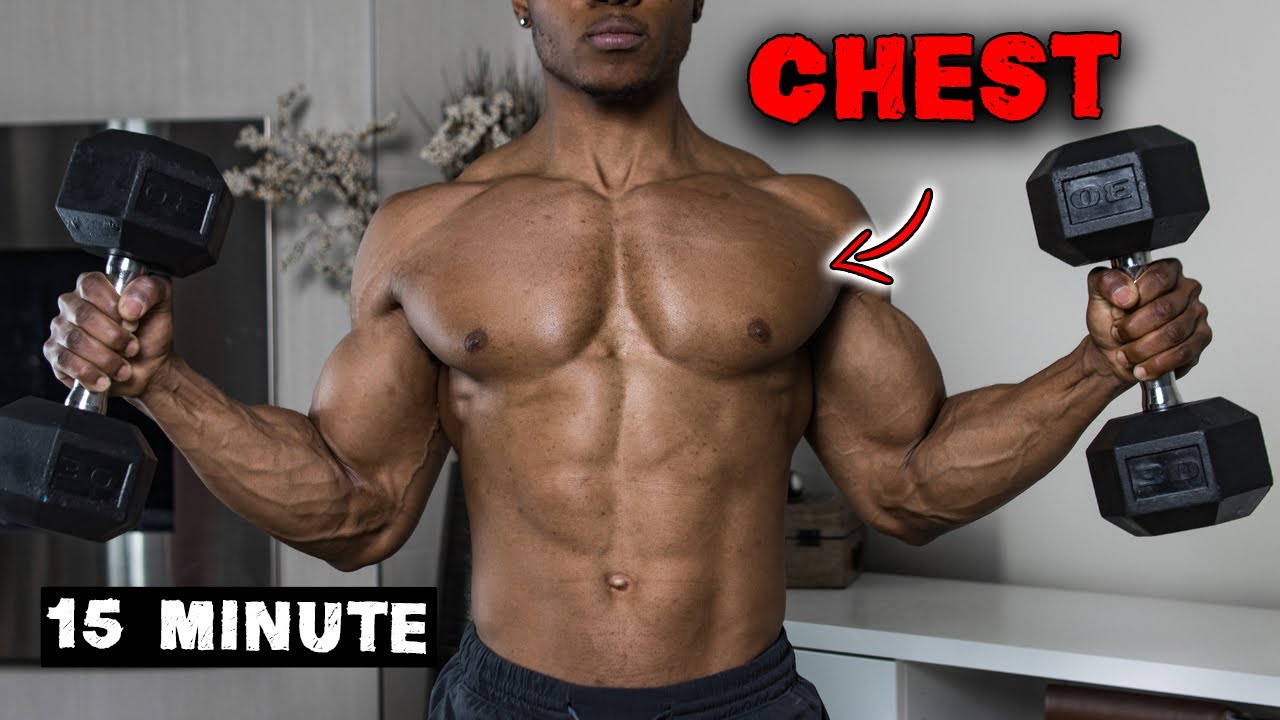
Credit: www.youtube.com
Creating A Balanced Workout Plan
Creating a balanced workout plan is key to building chest muscles at home with dumbbells. A well-structured plan helps you train effectively and avoid injury. It keeps your progress steady and your muscles growing.
Balance means managing how often you train, what exercises you pick, and how you increase difficulty. These parts work together for the best results.
Frequency And Volume
Train your chest muscles two to three times per week. This gives muscles enough time to recover and grow. Each session should include three to four sets of exercises. Aim for eight to twelve repetitions per set. This range builds strength and size. Rest for 48 hours between workouts to avoid overtraining.
Exercise Selection
Choose exercises that target different parts of the chest. Use dumbbell bench presses to work the middle chest. Dumbbell flyes stretch and contract the chest muscles. Incline dumbbell presses focus on the upper chest. Mix these exercises to hit all muscle fibers. Variety helps prevent plateaus and keeps workouts interesting.
Progressive Overload
Progressive overload means gradually increasing workout difficulty. Add more weight or do more repetitions over time. This forces muscles to adapt and grow stronger. Track your progress to know when to increase the challenge. Small, steady increases work best. Avoid sudden jumps to reduce injury risk.
Common Mistakes To Avoid
Building chest muscles at home with dumbbells can be effective. Avoiding common mistakes speeds up progress and prevents injuries. Focus on good form and smart choices.
Using Excessive Weight
Lifting too heavy dumbbells can cause injury. It often leads to poor form and less muscle activation. Choose a weight you control well. Start lighter and increase gradually.
Poor Range Of Motion
Short or incomplete movements limit muscle growth. Full range of motion stretches and contracts chest muscles properly. Lower dumbbells slowly and push up fully. This improves strength and shape.
Neglecting Warm-up And Cool-down
Skipping warm-up increases risk of strain and injury. Warm-up prepares muscles and joints for work. Cool-down helps muscles relax and recover. Spend at least 5 minutes on both.
Nutrition For Muscle Growth
Nutrition plays a big role in building chest muscles at home with dumbbells. Eating the right foods helps your muscles grow and recover. Good nutrition supports the hard work you put into your workouts.
Eating enough protein, drinking water, and timing your meals well can make a difference. These simple steps boost muscle growth and keep you strong.
Protein Intake
Protein is the building block of muscles. Your body needs protein to repair and grow muscle tissue. Include sources like chicken, fish, eggs, beans, and dairy in your meals. Aim for at least 1.2 to 2 grams of protein per kilogram of body weight daily. Spread protein intake evenly across your meals.
Hydration
Water keeps your muscles hydrated and working well. It helps carry nutrients to your muscles. Drink enough water throughout the day, especially before and after workouts. Dehydration can reduce strength and slow recovery. Keep a water bottle nearby during exercises.
Meal Timing
When you eat matters for muscle growth. Eating protein and carbs after your workout helps repair muscles faster. Try to eat a balanced meal within 30 to 60 minutes after training. Regular meals every 3 to 4 hours keep your energy steady. Avoid skipping meals to support muscle recovery.
Tracking Progress And Staying Motivated
Tracking your progress and staying motivated are key to building chest muscles at home with dumbbells. You need to see how far you have come. This keeps you focused and pushes you to keep working hard. Simple tools and clear goals help a lot. Rest is just as important to keep energy high.
Using Workout Logs
Write down your exercises, weights, and reps each session. This helps you watch your strength grow. You see which workouts work best. It stops you from repeating the same routine without progress. A workout log is your personal guide to success.
Setting Realistic Goals
Set small, clear goals that you can reach. For example, increase dumbbell weight after two weeks. Achieving these goals feels good. It keeps your motivation strong. Don’t rush. Building muscle takes time and patience. Realistic goals make your journey steady and rewarding.
Incorporating Rest Days
Rest days help your muscles recover and grow. Without rest, you risk injury and burnout. Plan one or two rest days each week. Use this time to relax and eat well. Rest keeps your body ready for the next workout. It is as important as training itself.

Credit: www.setforset.com
Frequently Asked Questions
How Often Should I Train Chest Muscles With Dumbbells?
Train chest muscles 2-3 times weekly for optimal growth. Allow at least 48 hours rest between sessions to recover. Consistency and proper form are essential for results. Avoid overtraining to prevent injuries and fatigue.
What Are The Best Dumbbell Exercises For Chest Muscles?
Effective dumbbell exercises include chest presses, flyes, and pullover variations. These target different chest areas for balanced muscle growth. Adjust weights and reps based on your fitness level and goals. Combining these exercises maximizes chest development at home.
Can I Build Significant Chest Muscles Using Only Dumbbells?
Yes, dumbbells offer versatile resistance to build chest muscles effectively. Progressive overload, proper technique, and nutrition are key factors. Dumbbells also improve muscle balance and engage stabilizing muscles. Consistent training with dumbbells can yield noticeable chest muscle gains.
How Many Sets And Reps Are Ideal For Chest Workouts?
Aim for 3-4 sets of 8-12 reps per exercise for muscle growth. Use a challenging weight that allows completing reps with good form. Rest 60-90 seconds between sets to maintain intensity. Adjust based on your strength and endurance levels.
Conclusion
Building chest muscles at home with dumbbells is simple and effective. Use the right exercises and stay consistent. Focus on good form to avoid injuries. Increase weight or reps slowly to see progress. Rest well to let muscles grow stronger.
Keep your routine varied to stay motivated. Enjoy the process and celebrate small gains. Your chest will get stronger with time and effort. Keep pushing and stay patient. Results will follow.