Are you wondering how many dumbbell reps you should do each day to build real muscle? It’s a question many people ask but don’t always get a clear answer to.
Doing too few reps might leave you stuck without progress, while doing too many could wear you out or even cause injury. The right number of reps can unlock your muscle growth and help you see the results you want faster.
You’ll discover exactly how to find that sweet spot for your workouts, so you can train smarter, not harder. Keep reading, and let’s get your muscles growing the right way!
Choosing The Right Rep Range
Choosing the right rep range is key to building muscle with dumbbells. Different rep ranges target different muscle goals. Picking the right range helps you gain strength, size, or endurance. Understanding these ranges makes your workouts more effective.
Low Reps For Strength
Low reps usually mean 1 to 5 repetitions per set. This range focuses on building muscle strength. Use heavier dumbbells that challenge your muscles. Rest longer between sets to recover fully. This method helps muscles grow stronger, not bigger.
Moderate Reps For Hypertrophy
Moderate reps range from 6 to 12 per set. This range is ideal for muscle growth, or hypertrophy. Use weights that cause fatigue near the last rep. Shorter rest times keep muscles under tension. This helps muscle fibers grow thicker and stronger.
High Reps For Endurance
High reps mean 15 or more per set. This range improves muscle endurance and stamina. Use lighter weights to maintain form through many reps. Rest periods are shorter to keep muscles working. This training helps muscles last longer during activity.

Credit: www.youtube.com
Daily Vs. Weekly Volume
Understanding the difference between daily and weekly training volume helps you plan your workouts better. Volume means the total number of dumbbell reps you do. You can spread these reps across many days or concentrate them in fewer sessions. Both approaches affect muscle growth and recovery.
Benefits Of Daily Training
Training daily allows you to practice exercises often. Your muscles get used to the movements faster. Small daily sessions can improve muscle endurance and skill. It can also keep your metabolism active every day. Daily training helps build habits and keeps motivation high.
Importance Of Rest Days
Muscles need time to recover after hard workouts. Rest days prevent overuse injuries and reduce fatigue. Recovery lets muscles repair and grow stronger. Without rest, your progress may slow down or stop. Listen to your body and take breaks when needed.
Weekly Rep Recommendations
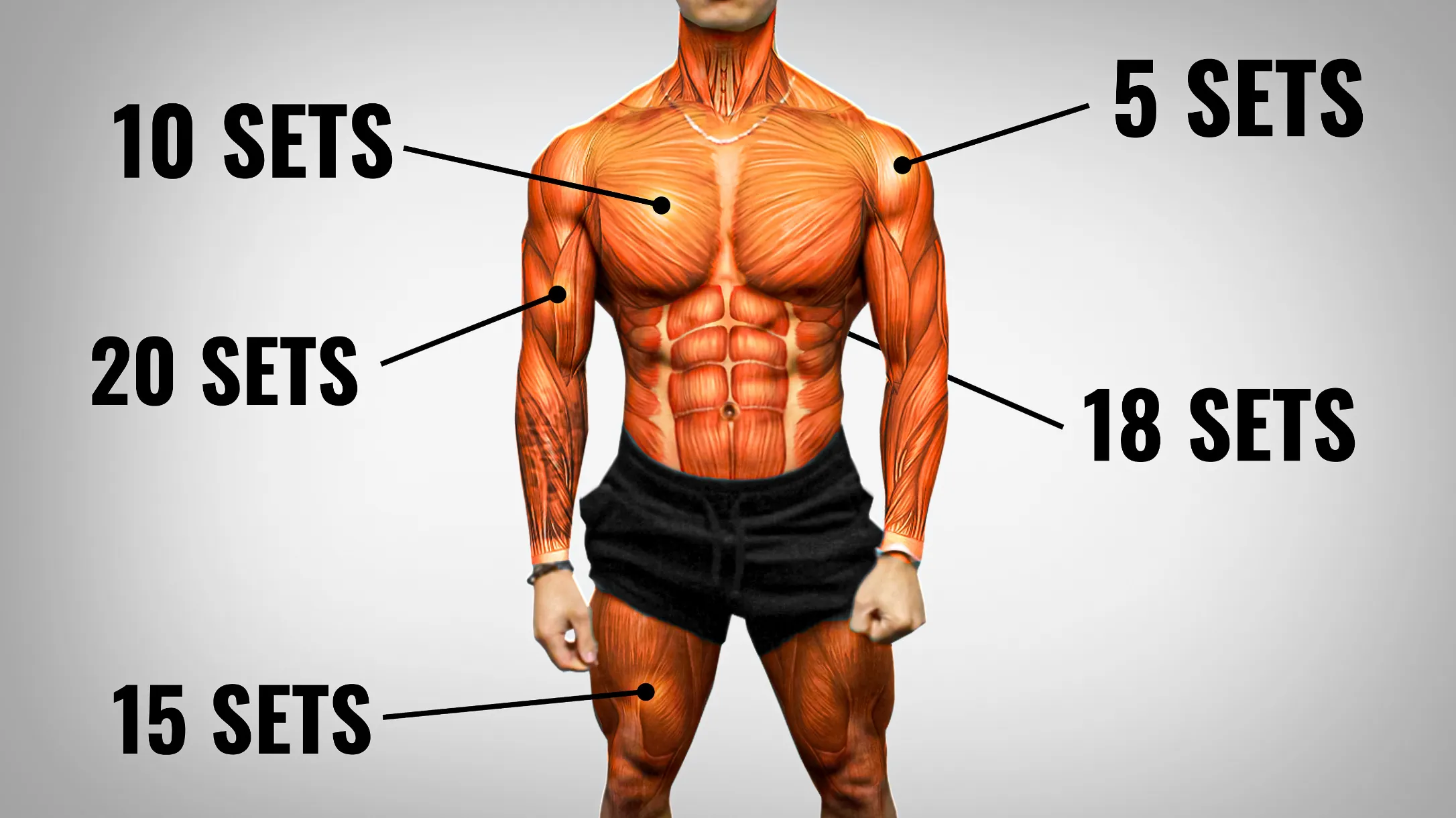
A good weekly volume for muscle growth is 150 to 250 reps per muscle group. You can divide reps over 3 to 5 sessions each week. Quality matters more than just quantity. Focus on good form and control in every rep. Adjust reps based on your fitness level and goals.
Adjusting Reps By Experience
Adjusting the number of dumbbell reps daily depends on your workout experience. Different experience levels require different rep ranges to build muscle effectively. Matching reps to your fitness level helps avoid injury and boosts muscle growth.
Beginners’ Rep Guidelines
New to dumbbell training? Start with 8 to 12 reps per set. Use lighter weights to focus on proper form. Aim for 2 to 3 sets per exercise. Rest for 60 to 90 seconds between sets. Keep reps slow and controlled to build strength safely.
Intermediate Training Plans
Intermediate lifters benefit from 10 to 15 reps per set. Increase weights gradually to challenge muscles. Perform 3 to 4 sets per exercise. Shorten rest time to 45 to 60 seconds to improve endurance. Add variety with different dumbbell exercises.
Advanced Rep Strategies
Experienced trainers often use 6 to 12 reps per set. Lift heavier weights for muscle growth. Complete 4 to 5 sets with focused effort. Use techniques like drop sets or supersets to increase intensity. Rest periods can be 30 to 60 seconds to maintain workout pace.
Role Of Weight And Intensity
Weight and intensity play key roles in building muscle with dumbbells. Choosing the right weight affects how muscles grow. Too light, and muscles won’t get enough challenge. Too heavy, and form may suffer, causing injury.
Intensity controls how hard the muscles work during each set. Higher intensity means muscles face more stress, which helps them grow. Balancing weight and intensity leads to better strength and size gains.
Choosing Dumbbell Weight
Select a weight that feels challenging but manageable. Aim for a weight you can lift with good form for 8 to 12 reps. This range helps build muscle size effectively. If you can do more than 15 reps easily, increase the weight.
Start lighter to learn proper technique. Gradually raise the weight as you get stronger. The right weight should tire your muscles near the last rep but not cause pain.
Balancing Reps And Load
Reps and load work together to create muscle growth. Lower reps with heavier weight build strength. Higher reps with lighter weight improve endurance. For muscle size, aim for moderate reps and moderate load.
Keep reps between 8 and 12 for best muscle growth. Adjust weight so you reach fatigue by the last rep. Avoid using too much weight that forces poor form or reduces reps below six.
Progressive Overload Techniques
Progressive overload means increasing workout difficulty over time. Add more weight, increase reps, or do more sets. This forces muscles to adapt and grow stronger.
Track your progress and aim to improve regularly. Small increases in weight or reps add up. Change your routine every few weeks to avoid plateaus.
Tracking Progress Effectively
Tracking your progress is key to building muscle with dumbbells. It helps you know what works and what needs change. Without tracking, you may lose focus or stop improving. Keep a clear record of your workouts to stay on the right path.
Recording Reps And Sets
Write down how many reps and sets you do each day. Use a notebook or an app to keep it simple. Note the weight of the dumbbells too. This record shows your daily effort and helps spot progress.
Recognizing Plateaus
Plateaus happen when your muscle growth stops. You may do the same reps but feel no stronger. Tracking lets you see this early. If you stay stuck for weeks, it’s time to change your routine.
When To Increase Reps Or Weight
Increase reps or weight when your current workout feels easy. Add more reps first, then increase weight gradually. This keeps your muscles challenged and growing. Tracking guides these changes safely and effectively.
Credit: builtwithscience.com
Common Mistakes To Avoid
Building muscle with dumbbells requires more than just doing many reps. Many people make mistakes that slow progress or cause injury. Avoiding these common errors helps you get better results safely. Focus on quality, rest, and proper technique for muscle growth.
Overtraining Risks
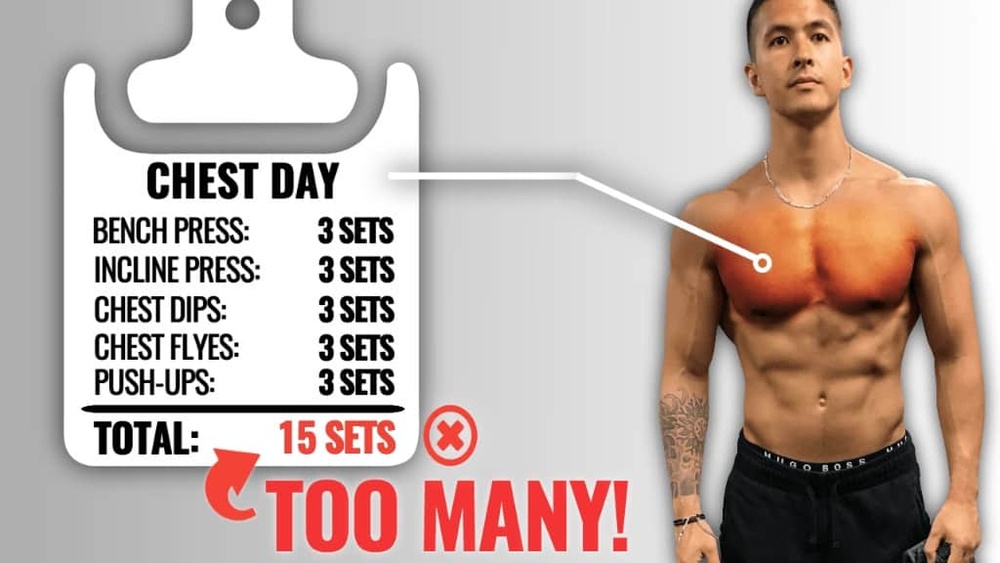
Doing too many reps every day can harm your muscles. Muscles need time to heal and grow. Overtraining causes fatigue, soreness, and weakens your strength. It can also lead to injuries. Give your body rest days to recover fully.
Neglecting Proper Form
Bad form reduces workout effectiveness. It also increases injury risk. Using wrong posture or rushing reps can strain joints and muscles. Always control your movements and keep your back straight. Quality reps build muscle better than many sloppy ones.
Ignoring Recovery Needs
Muscle growth happens during rest, not workouts. Skipping recovery slows progress and causes burnout. Sleep and nutrition are crucial for repair. Drink water and eat protein for muscle repair. Respect your body’s need for rest between sessions.

Credit: www.youtube.com
Frequently Asked Questions
How Many Dumbbell Reps Build Muscle Effectively?
To build muscle, aim for 8-12 reps per set with proper form. This range targets hypertrophy, promoting muscle growth efficiently.
How Many Sets Of Dumbbell Reps Should I Do Daily?
Perform 3-4 sets per exercise daily for optimal muscle gain. Adequate rest between sets supports strength and endurance improvements.
Can Daily Dumbbell Reps Cause Muscle Fatigue?
Yes, overdoing reps daily can lead to fatigue. Allow muscle recovery by resting 48 hours between intense sessions for better growth.
Should Dumbbell Reps Vary To Build Muscle Faster?
Varying reps between 6-15 challenges muscles differently. This variation prevents plateaus and encourages continuous muscle development and strength gains.
Conclusion
Building muscle with dumbbells takes consistent effort and the right number of reps. Aim for moderate reps, usually between 8 and 12 per set, to challenge your muscles. Rest days matter too, allowing muscles to grow stronger. Listen to your body and adjust reps as needed.
Keep your form good to avoid injury. Small steps every day bring steady progress. Stay patient and consistent, and muscle gains will follow.