Choosing the right size gloves is one of the most important steps before you start boxing. If your gloves are too big or too small, they can affect your performance and even cause injuries.
You might be wondering, “What size gloves do I need for boxing? ” Don’t worry—this guide will help you find the perfect fit for your hands, whether you’re just starting out or training like a pro. Keep reading, and you’ll discover simple tips that make a big difference in your comfort, safety, and power inside the ring.
Choosing Boxing Glove Sizes
Choosing the right boxing glove size is key for comfort and protection. Gloves that fit well help prevent injuries and improve your performance. The correct size depends on several factors including your weight, hand size, and the type of boxing you do.
Understanding how to pick the right glove will make your training safer and more effective. Here are some important points to consider when choosing boxing glove sizes.
Factors Influencing Glove Size
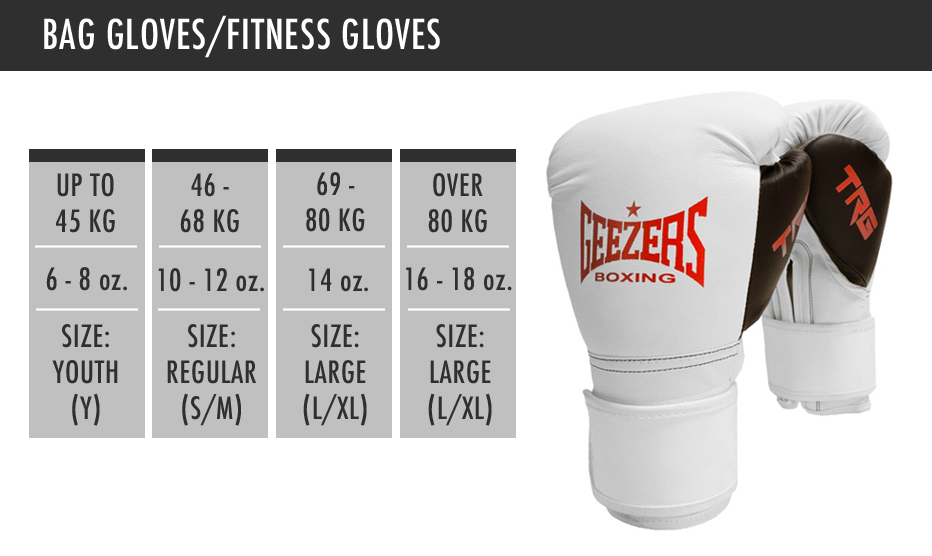
Body weight plays a major role in choosing glove size. Heavier boxers need larger gloves for better padding. The type of training also matters. Sparring gloves are usually bigger to protect both fighters. Bag gloves are often lighter and smaller for better control. Your hand size affects fit and comfort. A glove that is too tight or loose can cause discomfort or injury. Padding thickness varies by glove size and use.
Weight-based Sizing Guide
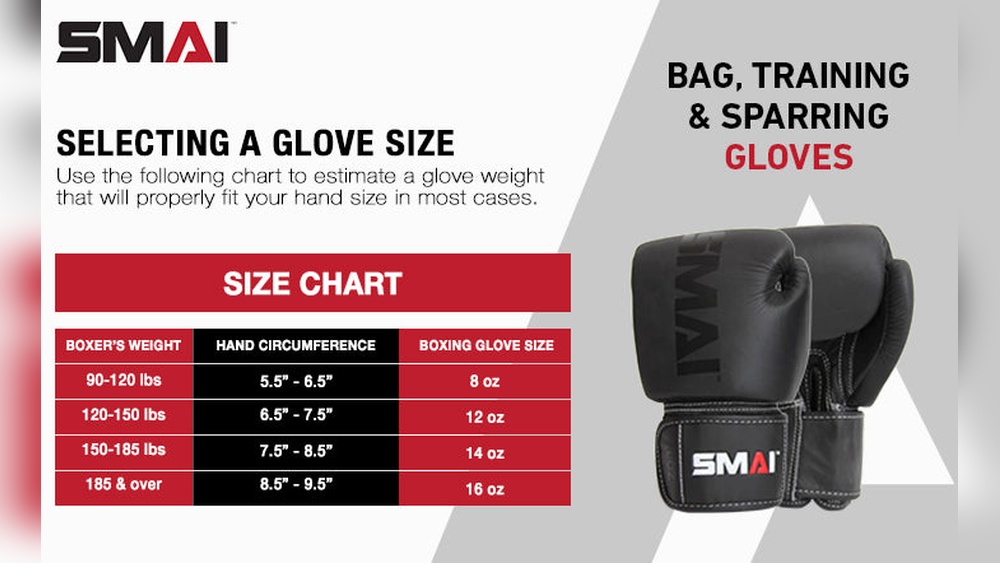
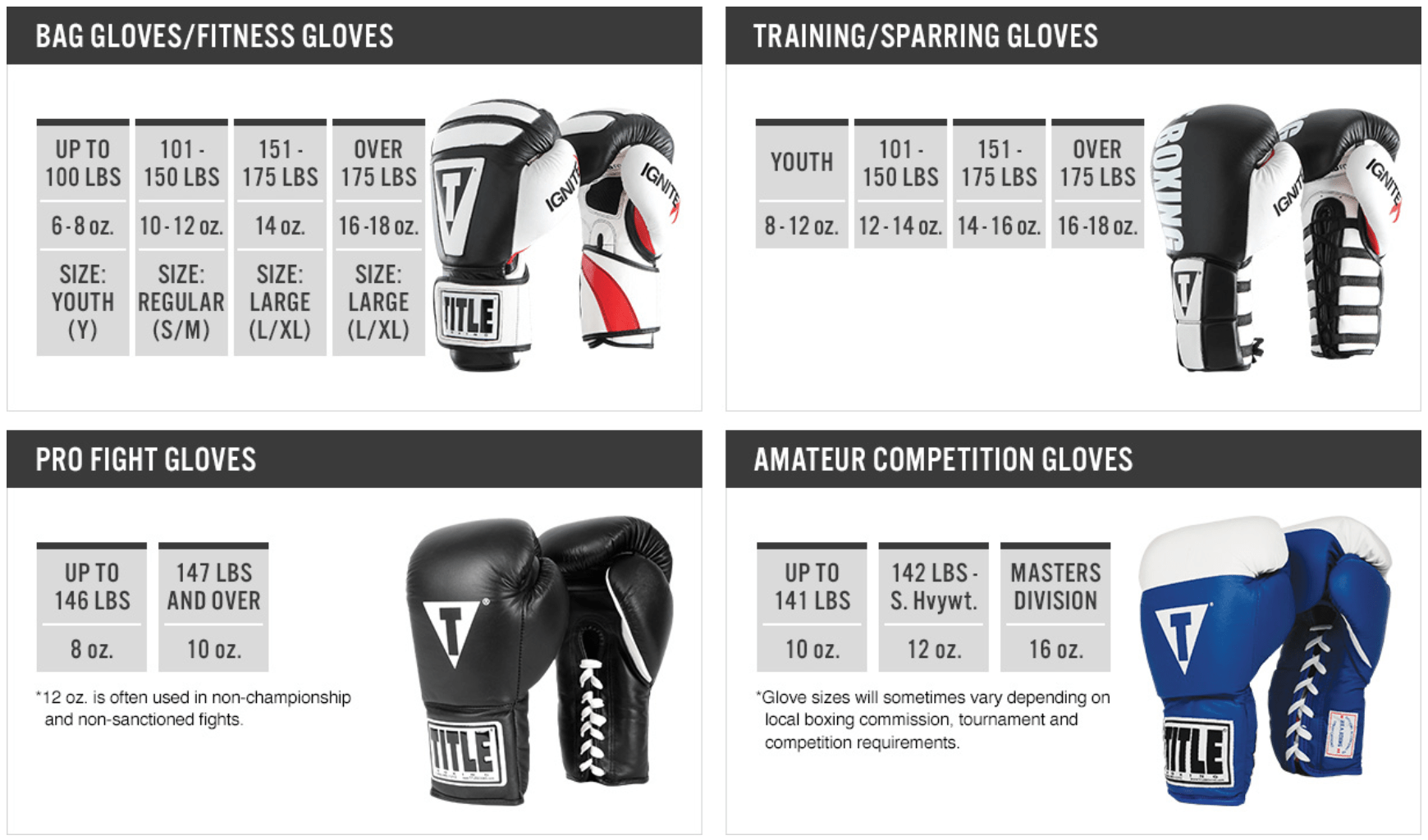
Weight guides offer a simple way to pick glove size. Below 120 pounds, 10 to 12-ounce gloves work well. Between 120 and 150 pounds, 12 to 14 ounces fit best. From 150 to 180 pounds, 14 to 16-ounce gloves provide good protection. Above 180 pounds, 16-ounce or larger gloves are ideal. These sizes balance protection and mobility during training and fights.
Hand Measurement Techniques
Measure your hand to find the right glove size. Use a soft tape measure around your knuckles. Keep your fingers together and palm open. Compare the measurement with glove size charts from brands. Try gloves on to check fit and comfort. Your fingers should move freely, but the glove should feel snug. Proper hand wraps can also affect glove fit.
Credit: www.geezersboxing.co.uk
Types Of Boxing Gloves
Boxing gloves come in different types. Each type fits a specific purpose in training or fighting. Choosing the right glove helps protect your hands and your opponent.
Understanding the types of gloves can guide you to pick the best size for your needs. Gloves vary by weight, padding, and use.
Training Gloves
Training gloves are for daily practice. They offer extra padding to protect your hands during long sessions. These gloves balance comfort and safety. Most beginners start with training gloves.
Sparring Gloves
Sparring gloves are softer and heavier. They protect both you and your sparring partner from hard hits. These gloves reduce the risk of injury during practice fights. Weight usually ranges from 14 to 18 ounces.
Bag Gloves
Bag gloves are lighter and more compact. They provide less padding but allow faster punches. These gloves protect your knuckles when hitting heavy bags or pads. They are not meant for sparring or competition.
Competition Gloves
Competition gloves are lighter and firmer. They are designed for official matches. These gloves have strict rules on weight and size. They offer less padding to make fights fair and challenging.
Impact Of Glove Size On Performance
The size of boxing gloves greatly affects your performance in the ring. Choosing the right size helps balance protection, speed, and power. Different glove sizes change how you punch and defend. Understanding this impact guides you to pick gloves that fit your needs.
Smaller gloves may feel light but offer less padding. Larger gloves add weight and cushion but can slow you down. This balance matters for training and fighting. Let’s explore how glove size influences protection, speed, and power.
Protection And Safety
Bigger gloves have more padding to absorb blows. This padding reduces the chance of injury to your hands and your opponent. Gloves that are too small may cause bruises or fractures. Properly sized gloves protect your knuckles and wrists well. Safety is key for long training sessions and tough matches.
Speed And Mobility
Smaller gloves are lighter and help you move faster. Faster punches can surprise your opponent. Heavy gloves slow down your hand speed and reaction time. Speed and mobility improve your ability to dodge and counterattack. Choose gloves that let your hands move freely.
Power And Impact
Heavier gloves add weight behind each punch. This can increase the force but may tire your arms quickly. Lighter gloves let you throw more punches with less fatigue. Power depends on your strength and glove weight combined. Find a size that balances strong hits with endurance.
Credit: kdfoundation.org
Material And Padding Differences
Choosing the right boxing gloves depends a lot on their material and padding. These features affect comfort, protection, and performance. Understanding these differences helps you pick gloves that fit your needs and style.
Foam Types And Density
Boxing gloves use different foam types inside. Some foams are soft and absorb shock well. Others are firm and offer more support. Denser foam protects better but can feel harder. Softer foam feels comfy but may wear out faster. The right foam depends on your training and impact level.
Leather Vs Synthetic
Leather gloves are popular for their durability and breathability. They mold to your hand over time. Synthetic gloves cost less and are easier to clean. They dry faster after use. Leather lasts longer but needs more care. Synthetic gloves suit beginners or casual users well.
Durability Considerations
Durability matters if you train often or hit hard. Leather gloves last through many sessions and impacts. Synthetic gloves can crack or peel after heavy use. Check stitching and material quality before buying. Well-made gloves keep their shape and padding longer. This helps keep your hands safe during fights.
Common Glove Size Mistakes
Choosing the right boxing glove size is not always easy. Many people make common mistakes that hurt their training and safety. These errors can cause discomfort, injury, or poor performance. Learning about these mistakes helps you pick the perfect gloves.
Choosing Too Small Or Too Large
Gloves that are too small squeeze your hands tightly. This limits movement and can cause pain. Gloves that are too big feel loose and unstable. This reduces your control and increases injury risk. Proper fit is key for comfort and protection.
Ignoring Hand Wraps
Hand wraps add extra padding and support. Not wearing wraps changes how gloves fit. Gloves might feel tight or loose if you ignore wraps. Always consider hand wraps when choosing glove size. They protect your hands and improve glove fit.
Not Trying Gloves On
Buying gloves without trying them is risky. Sizes can vary between brands and models. Trying gloves on helps check comfort and fit. Test gloves with hand wraps on for accuracy. This step prevents buying the wrong size.

Credit: www.smai.com
Tips For Perfect Glove Fit
Getting the right glove fit is key for comfort and safety in boxing. Gloves that fit well protect your hands and improve performance. Poor fit can cause discomfort or injury. Follow these tips to find your perfect glove size.
Using Hand Wraps Correctly
Hand wraps add extra support inside your gloves. Wrap your hands tightly but not too tight. Make sure your fingers and knuckles are covered well. Proper wrapping helps the gloves fit better and protects your wrists.
Testing Fit And Comfort
Try on gloves with your hand wraps on. Check if your fingers move easily inside. Gloves should feel snug but not tight. Move your wrists and make a fist to test comfort. Gloves that pinch or feel loose are not right.
Adjusting For Different Activities
Training and sparring may need different glove sizes. Heavier gloves offer more padding for sparring. Lighter gloves are better for bag work and speed drills. Choose gloves based on your boxing activity to keep your hands safe.
Recommended Glove Sizes By Weight Class
Choosing the right glove size is key in boxing. Gloves protect your hands and your opponent. Different weight classes need different glove sizes. This helps balance safety and performance in the ring. Below are the recommended glove sizes by weight class.
Lightweight Boxers
Lightweight boxers usually weigh between 130 and 135 pounds. They often use gloves that weigh 10 to 12 ounces. These gloves offer enough padding and allow fast hand movement. Smaller gloves help lightweight boxers keep their speed and agility.
Middleweight Boxers
Middleweight boxers weigh from 154 to 160 pounds. The best glove size for them is 12 to 14 ounces. These gloves provide good protection and power. They balance defense and offense for middleweight fighters.
Heavyweight Boxers
Heavyweight boxers weigh over 200 pounds. They need gloves that weigh 14 to 16 ounces. Bigger gloves add extra padding to reduce injury risk. Heavyweights often use larger gloves to protect their hands during powerful punches.
Maintenance And Care For Boxing Gloves
Proper care keeps boxing gloves fresh and durable. Gloves absorb sweat and dirt during training. Without cleaning, they can develop bad smells and wear out fast. Taking simple steps helps gloves last longer and stay comfortable.
Cleaning Tips
Wipe gloves with a clean, damp cloth after each use. Use mild soap to remove stains gently. Avoid soaking gloves in water. Let them air dry naturally, away from direct sunlight or heaters. Use glove deodorizers or sprinkle baking soda inside to reduce odor.
Storage Advice
Store gloves in a cool, dry place after drying. Avoid leaving them in your gym bag for days. Use a breathable bag instead of a plastic one. Keep gloves open to allow air circulation. This prevents moisture buildup and bacteria growth.
Extending Glove Lifespan
Rotate between two pairs of gloves if you train often. Use hand wraps to reduce sweat inside gloves. Regularly check gloves for damage and fix small tears. Clean and store gloves properly after every session. These habits keep gloves in good shape longer.
Frequently Asked Questions
What Glove Size Is Best For Beginners In Boxing?
Beginners should start with 12 to 14-ounce gloves. This size offers good protection and comfort for training and sparring. It helps prevent hand injuries while providing enough padding. Always choose gloves that fit snugly but are not too tight.
How To Measure Hand Size For Boxing Gloves?
Measure around the widest part of your hand, excluding the thumb. Use a soft tape measure for accuracy. This measurement helps determine the correct glove size to ensure comfort and proper protection during boxing sessions.
Do Heavier Gloves Offer Better Hand Protection?
Yes, heavier gloves usually have more padding. They provide better shock absorption and protect your hands and wrists during impact. Heavier gloves are ideal for training and sparring but may reduce punching speed slightly.
Can I Use The Same Gloves For Training And Competition?
No, training gloves and competition gloves differ. Training gloves are heavier with extra padding for safety. Competition gloves are lighter to enhance speed and performance. Use gloves designed for each purpose to maximize effectiveness and safety.
Conclusion
Choosing the right boxing glove size protects your hands and improves performance. Consider your weight, training type, and hand measurements first. Proper fit helps prevent injuries and boosts comfort during workouts. Try different sizes before buying to find what feels best.
Remember, good gloves last longer and support your progress. Take time to pick the right pair for your needs. Gloves that fit well make every boxing session safer and more effective.
