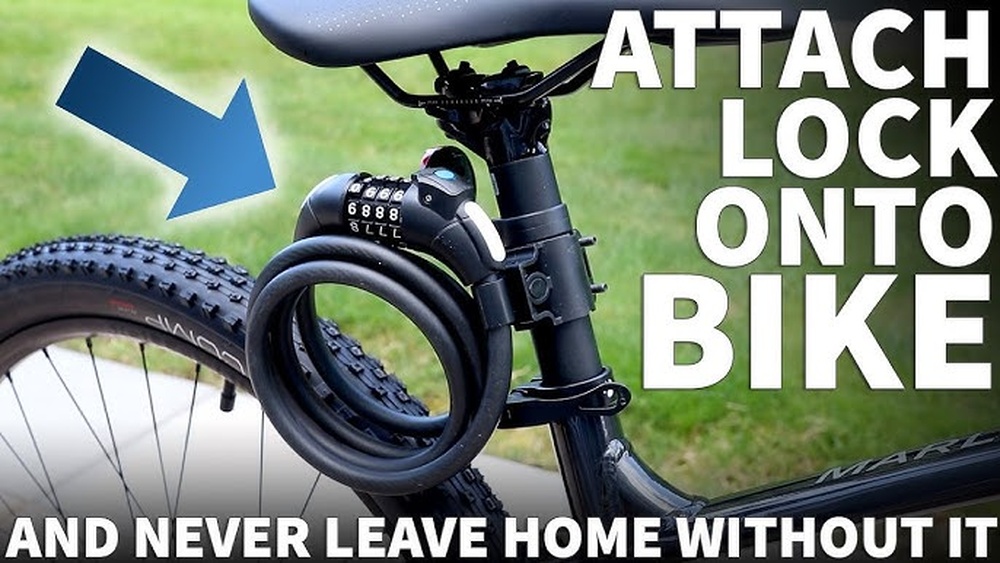
You want to keep your bike safe, but attaching a lock cable the right way can be confusing. If you don’t secure it properly, your bike could still be an easy target for thieves.
This guide will show you simple, clear steps to attach your lock cable quickly and securely. By the end, you’ll feel confident that your bike is well-protected wherever you go. Keep reading to learn how to lock your bike the smart way!

Credit: www.amazon.com
Choosing The Right Lock Cable
Choosing the right lock cable is key to protecting your bike. A good lock cable should be strong, durable, and fit your bike’s needs. Picking the right one helps keep your bike safe from theft. Here is what to consider before buying a lock cable.
Types Of Lock Cables
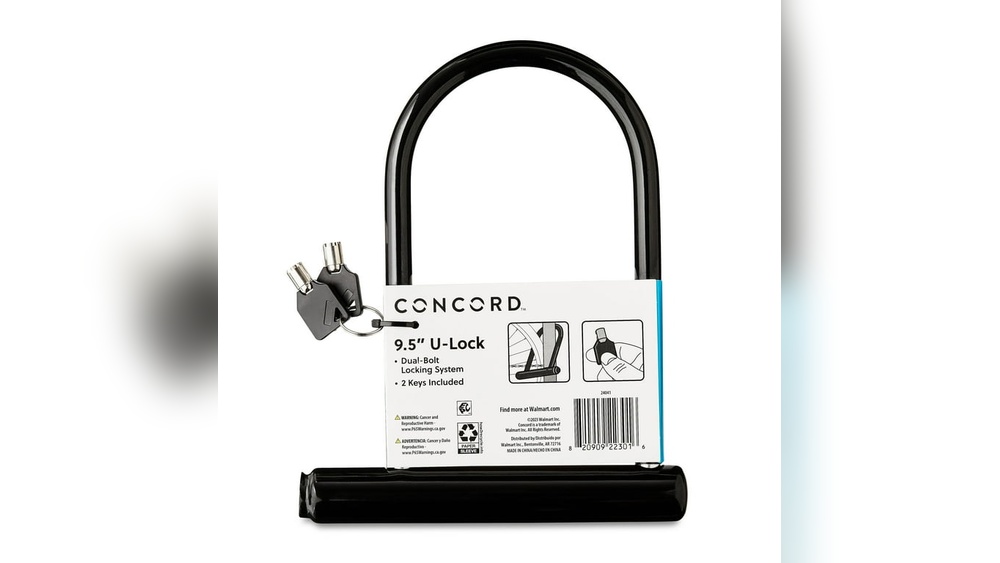
Lock cables come in different types. The most common are cable locks, chain locks, and U-locks. Cable locks are flexible and easy to carry. Chain locks offer more strength but can be heavier. U-locks are very tough but less flexible. Choose a type that fits your lifestyle and security needs.
Material Strength And Durability
Material matters for security. Steel is the strongest and most common material for lock cables. Some cables have layers of braided steel wires for extra strength. Look for cables with a protective coating to stop rust and damage. A strong material resists cutting and keeps your bike safe.
Length And Thickness Considerations
Length and thickness affect how you use the lock. A longer cable lets you lock your bike to larger objects. A shorter cable is lighter and easier to carry. Thickness also matters. Thicker cables are harder to cut but heavier. Choose a length and thickness that balance security and convenience.

Credit: www.youtube.com
Preparing Your Bike For Locking
Preparing your bike for locking is an important step to protect it from theft. Proper preparation makes locking easier and more secure. Small actions can make a big difference in keeping your bike safe.
Selecting A Secure Location
Choose a well-lit area with high foot traffic. Avoid dark or hidden spots that attract thieves. Look for sturdy bike racks or poles that cannot be cut or moved. The better the location, the harder it is for thieves to take your bike.
Positioning The Bike Frame
Place the bike so the frame rests against the lock point. Lock the main frame, not just the wheels. Wheels can be removed quickly. Locking the frame secures the most valuable part of your bike. Position the bike so the lock is tight and hard to reach.
Removing Accessories
Take off any removable accessories like lights or bags. These items are easy to steal and replace. Keep them with you when you lock the bike. Removing accessories lowers the risk of losing extra gear. It also makes the bike lighter and easier to lock tightly.
Step-by-step Lock Cable Attachment
Attaching a lock cable to your bike properly keeps it safe from theft. Follow clear steps to secure your bike quickly and easily. A well-attached lock cable protects both the frame and wheels. This guide breaks down the process into simple actions anyone can do.
Threading The Cable Through The Frame
Start by uncoiling the lock cable. Find a spot on the bike frame that is sturdy. Pass the cable through the frame’s main triangle. This spot is usually the safest place to thread the cable. Avoid areas with moving parts like brakes or gears.
Securing Wheels And Frame
Next, loop the cable around the rear wheel. Include the front wheel if possible. Pull the cable tight to hold everything together. This prevents wheels from being removed easily. Make sure the cable runs close to the frame for better security.
Locking Around A Fixed Object
Find a strong, fixed object like a bike rack or pole. Wrap the cable around this object. Ensure the object cannot be moved or broken. Pull the cable tight and lock it securely. The lock should be out of easy reach to stop tampering.

Credit: thebestbikelock.com
Maximizing Security Tips
Securing your bike with a lock cable is important. Taking extra steps can stop thieves and keep your bike safe. These tips help make your lock stronger and harder to break.
Avoiding Ground Contact
Keep the lock cable off the ground. Locks touching the ground can get dirty and wet. Dirt and moisture make it easier for thieves to cut the cable. Always lock your bike higher up, like around a bike rack or pole.
Using Multiple Locks
Use more than one lock for better security. A cable lock with a U-lock or chain lock is a good choice. Thieves need more tools and time to break two locks. This lowers the chance of theft.
Regularly Inspecting Lock Condition
Check your lock often for damage or wear. Rust, cuts, or weak spots make the lock easier to break. Fix or replace a damaged lock quickly. A strong lock works best to protect your bike.
Common Mistakes To Avoid
Attaching a lock cable to your bike is easy but can be done wrong. Many bikers make simple mistakes that leave their bikes unsafe. Avoiding these errors helps keep your bike secure. Pay close attention to how you lock your bike. Small changes make a big difference in safety.
Locking Only The Wheel
Locking just the wheel is not enough. Thieves can remove the wheel and take the rest of the bike. Always lock the frame and a solid object. This method protects the main parts of the bike. Secure both the frame and at least one wheel.
Choosing Weak Locking Points
Pick strong and fixed objects to lock your bike. Avoid thin poles or objects that can be cut easily. Trees or small posts might not hold well. Use sturdy bike racks or metal poles. Strong locking points stop thieves from carrying your bike away.
Ignoring Lock Maintenance
Locks can wear out over time. Dirt and rust make the lock hard to use. Check your lock regularly for damage or dirt. Clean and oil the lock to keep it working smoothly. A well-maintained lock gives better protection and lasts longer.
Additional Security Enhancements
Adding extra security measures helps protect your bike from theft. Basic locks work well, but combining them with other tools increases safety. These enhancements make it harder for thieves to steal your bike. Explore some useful options below.
Using Alarmed Locks
Alarmed locks sound a loud alarm if someone tries to tamper with your bike. This noise can scare off thieves quickly. They are easy to use and fit most bike frames. The alarm attracts attention and alerts nearby people. It acts as a strong warning to anyone trying to steal your bike.
Installing Gps Trackers
GPS trackers help you find your bike if it gets stolen. They use satellites to send location data to your phone. Some trackers are small and hide well under the seat or frame. This device gives you peace of mind when parking in public places. You can track your bike’s position anytime with a simple app.
Parking In Well-lit Areas
Choosing bright and busy spots for parking reduces theft risk. Thieves avoid places where they can be seen easily. Lights make it harder to break locks without being noticed. Pick areas near entrances, cameras, or busy streets. Your bike stays safer where more people can watch it.
Frequently Asked Questions
How Do I Attach A Lock Cable To My Bike Frame?
Attach the lock cable by looping it through the bike frame and a secure object. Ensure the cable is tight and locked properly for maximum security.
What Is The Best Way To Secure A Bike With A Cable Lock?
Loop the cable through the frame, wheels, and a fixed object. This prevents wheel theft and bike tampering effectively.
Can I Use A Lock Cable On All Bike Types?
Yes, lock cables are versatile and fit most bike types. Just ensure the cable length suits your bike and locking location.
How Tight Should A Bike Lock Cable Be?
The cable should be tight enough to prevent movement but not overly strained. This keeps the lock secure and avoids damage.
Conclusion
Attaching a lock cable to your bike keeps it safe from theft. Choose a strong cable and secure it tightly to your frame. Always lock your bike to a solid, fixed object. Double-check the lock before leaving your bike. Regular practice helps you lock quickly and correctly.
Stay safe and enjoy your rides without worry.