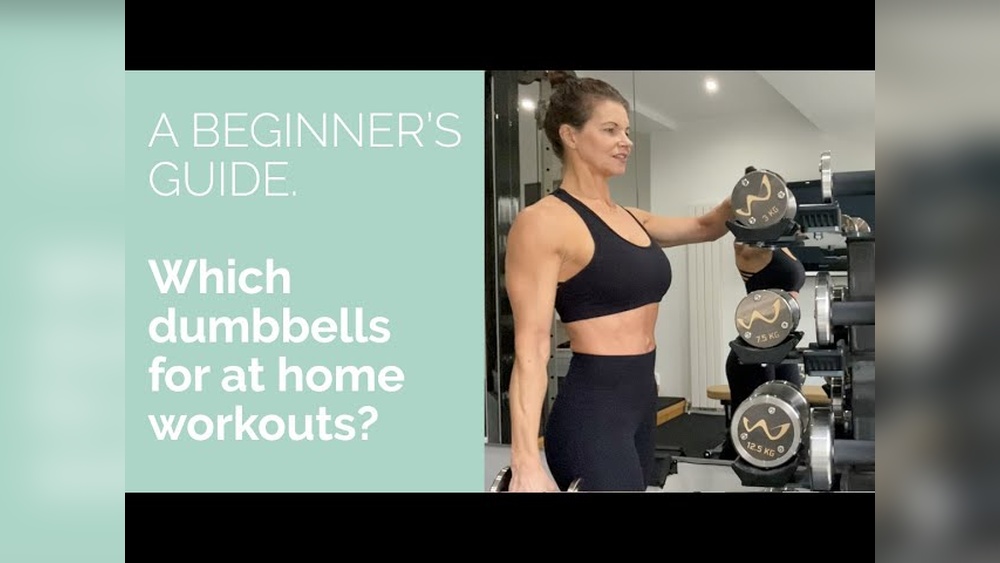
Are you ready to start your strength training but unsure about which dumbbell weight is right for you? Choosing the right dumbbell weight can make a huge difference in your progress and safety.
Using weights that are too heavy can lead to injury, while weights that are too light might not give you the results you want. You’ll discover exactly how many kilograms dumbbells beginners should use to build strength effectively and confidently.
Keep reading, and you’ll get simple tips to find the perfect starting point for your fitness journey.
Choosing The Right Weight
Choosing the right dumbbell weight is important for beginners. The right weight helps build strength safely and avoids injury. It also keeps workouts effective and fun. Beginners should start with weights that feel challenging but still allow good form. This balance helps improve muscles without strain.
Factors To Consider
Body strength varies from person to person. Age, fitness level, and health affect weight choice. Start light to learn proper movements. Muscle endurance matters. Choose a weight that you can lift 10 to 15 times easily. If it feels too hard, pick a lighter dumbbell. If it feels too easy, try a heavier one.
Type of exercise also matters. For arm curls, lighter weights work well. For squats or lunges, you can use heavier dumbbells. Focus on control and form first. Avoid weights that cause pain or poor posture.
Common Beginner Weight Ranges
Most beginners use dumbbells between 1 kg and 5 kg. Women often start with 1 kg to 3 kg weights. Men usually begin with 3 kg to 5 kg. These ranges allow safe muscle building. Beginners can increase weight gradually as strength improves. Small weight steps help avoid muscle strain.
Some exercises need lighter weights. Others require heavier ones. Using different weights for different moves helps balance muscle growth. Remember, consistent practice with the right weight is key to progress.

Credit: www.stylist.co.uk
Benefits Of Starting Light
Starting with light dumbbells offers many benefits for beginners. It allows muscles and joints to adapt safely. This approach supports steady progress and reduces risks. Beginners gain confidence and enjoy their workouts more.
Preventing Injuries
Light weights reduce strain on muscles and joints. They help avoid sprains and muscle tears. Beginners can learn safe movements without pain. This lowers chances of stopping workouts due to injury.
Building Proper Form
Using light dumbbells helps focus on correct technique. Good form improves exercise effectiveness. It trains muscles evenly and protects the body. Proper habits build a strong foundation for heavier weights later.
Progression Strategies
Progression strategies help beginners improve strength safely. Starting with light dumbbells builds a good base. Gradual weight increase avoids injury and boosts results. Knowing when to add weight is key. This section explains how to notice the right time to progress.
When To Increase Weight
Increase dumbbell weight after consistent workouts. If exercises feel easier, it is time. Completing all reps with good form shows readiness. Avoid rushing to heavier weights too soon. A small increase, like 1-2 kg, works best. This helps the body adjust without strain.
Signs You’re Ready To Move Up
You feel little muscle fatigue at the end. The last reps do not challenge you much. You keep perfect form during all sets. Recovery between sessions feels fast and smooth. No joint pain or discomfort appears. These signs mean it is safe to add weight.
Types Of Dumbbells For Beginners
Choosing the right dumbbells is important for beginners. Different types suit different needs and exercises. Understanding the options helps start training safely and effectively.
Dumbbells vary by design and materials. Each type has its own benefits and challenges. Knowing these can make workouts easier and more enjoyable.
Fixed Vs Adjustable
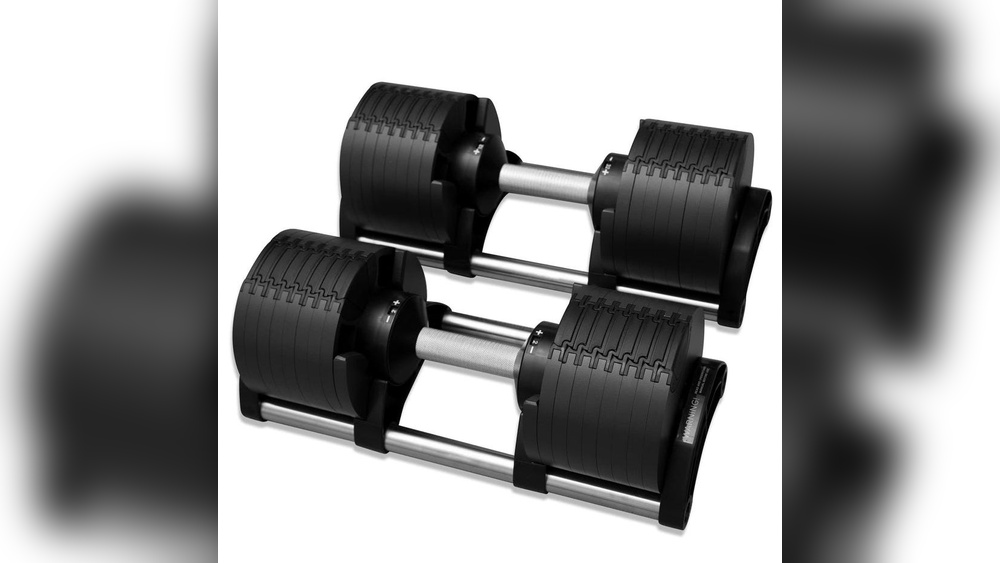
Fixed dumbbells have a set weight. They are simple and ready to use. Beginners find them easy to handle and store. Adjustable dumbbells let you change weights quickly. They save space and cost less over time. Beginners can increase weight as they grow stronger.
Material And Grip
Dumbbells come in metal, rubber, or plastic. Metal ones are durable but can be slippery. Rubber-coated dumbbells protect floors and reduce noise. Grip comfort is key for safety and control. Look for textured handles that prevent slipping. A good grip helps maintain proper form during exercises.
Sample Beginner Workouts
Starting with dumbbells can be simple and effective. Sample beginner workouts show how to use light weights safely. These workouts build strength and confidence. Each routine focuses on key muscles. The exercises help develop good form and stamina.
Full Body Routine
This workout targets all main muscle groups. Use 2 to 5 kg dumbbells for most exercises. Start with 2 sets of 10 to 12 reps. Include moves like dumbbell squats, overhead presses, and bent-over rows. Keep rest time around 30 seconds between sets. This routine improves overall muscle tone and endurance.
Targeted Muscle Groups
Focus on specific muscles to balance strength. For arms, try bicep curls and tricep extensions. Use light weights, around 2 to 4 kg. For legs, do lunges and calf raises with 3 to 5 kg dumbbells. Chest and back benefit from dumbbell chest presses and rows. These exercises build strength gradually and reduce injury risk.

Credit: nefeg.com.br
Common Mistakes To Avoid
Starting with dumbbells can be exciting. Beginners often want to see quick results. This eagerness can lead to some common mistakes. Avoiding these errors helps keep you safe and improves your progress. Here are two key mistakes to watch out for.
Lifting Too Heavy Too Soon
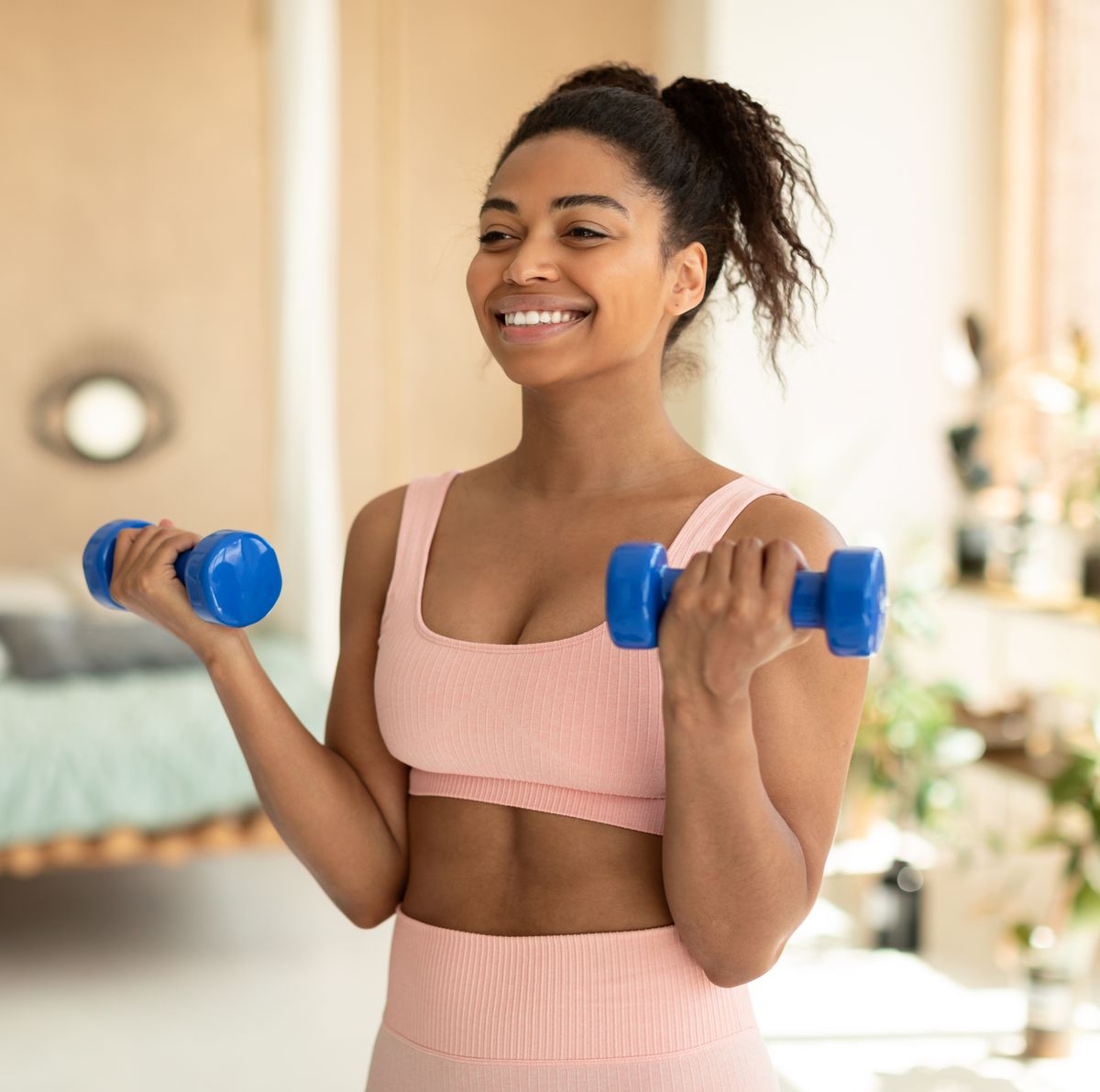
Choosing dumbbells that are too heavy can cause injuries. Beginners might strain muscles or joints this way. Start with light weights to learn the right form. Focus on control, not the number on the dumbbell. Gradually increase weight as strength improves. Patience leads to better and safer results.
Ignoring Rest And Recovery
Rest days allow muscles to heal and grow stronger. Skipping recovery can cause fatigue and slow progress. Overworking muscles increases the risk of injury. Schedule regular breaks between workouts. Sleep well and stay hydrated to support recovery. Your body needs time to adapt and improve.
Credit: www.sietesetenta.com.ar
Frequently Asked Questions
What Weight Dumbbells Should Beginners Start With?
Beginners should start with 2 to 5 kg dumbbells. This range helps build strength safely without risking injury. It allows beginners to focus on form and control.
How To Choose The Right Dumbbell Weight For Beginners?
Choose dumbbells that challenge muscles without causing strain. Start light and increase weight as strength improves. Proper weight enables effective, safe workouts.
Can Beginners Use Heavy Dumbbells Safely?
Beginners should avoid heavy dumbbells to prevent injury. Starting with lighter weights ensures proper technique. Gradually increase weights as strength and confidence grow.
How Often Should Beginners Increase Dumbbell Weight?
Increase dumbbell weight every 2 to 4 weeks. Progress depends on strength gains and exercise difficulty. Gradual increments prevent plateaus and enhance muscle growth.
Conclusion
Beginners should start with light dumbbells to build strength safely. Choose weights that feel comfortable but still challenge muscles. Focus on good form rather than heavy lifting. Gradually increase weight as strength improves over time. Consistency matters more than lifting too much too soon.
Small steps lead to better results and fewer injuries. Enjoy the process and listen to your body’s signals. This approach helps create a strong foundation for fitness growth.