You’re standing there, ready to ride, but your bike lock won’t budge. It’s jammed, and frustration is building fast.
You need a quick, reliable way to get your bike free without causing damage. What if you could unlock it yourself, right now? In this guide, you’ll discover simple, effective tricks to open a jammed bike lock—no locksmith needed. Keep reading, because your next ride is waiting, and we’re here to make sure nothing stops you.
Credit: ilockit.bike
Common Causes Of Jammed Bike Locks
Jammed bike locks cause frustration and delay. Understanding common causes helps prevent this problem. Knowing what blocks the lock lets you fix it quickly. Here are the main reasons bike locks get stuck.
Rust And Corrosion
Rust forms when metal meets moisture and air. This weakens the lock parts and makes them stick. Corrosion builds up inside the lock cylinder. It blocks smooth movement of the key or combination dial. Locks left outside without protection often suffer from rust.
Dirt And Debris
Dirt, dust, and small debris can enter the lock mechanism. These particles jam the internal parts. The lock stops turning or sliding easily. Road dust or plant matter can cause this. Regular cleaning prevents dirt from building up inside.
Frozen Locks
Cold weather causes water inside the lock to freeze. Ice blocks the moving parts from working properly. Frozen locks refuse to open until warmed. Moisture trapped in the lock is the main cause. Avoid water exposure in winter to reduce freezing risk.
Misalignment Issues
Lock parts must line up perfectly to open. Drops or impacts can bend or shift lock components. Misalignment stops the key or dial from turning. The shackle may not fit into its slot correctly. Careful handling and proper installation help prevent this.

Credit: thebestbikelock.com
Tools Needed To Fix A Jammed Lock
Fixing a jammed bike lock requires the right tools. Having them ready saves time and effort. Some tools help loosen the lock. Others assist in careful manipulation or cleaning. Understanding each tool’s role makes the process smoother.
Lubricants And Penetrating Oils
Lubricants reduce friction inside the lock. Penetrating oils reach deep into small spaces. They help free stuck parts. Popular choices include WD-40 and graphite powder. Apply a small amount and let it sit. This softens rust and dirt buildup.
Basic Hand Tools
Simple tools help in many ways. Screwdrivers can pry open covers or panels. Pliers offer grip and control. A small hammer may tap gently to loosen parts. These tools support the main work on the lock.
Heat Sources
Heat can expand metal parts slightly. This loosens the jammed mechanism. Use a hairdryer or lighter carefully. Avoid overheating to prevent damage. Heat softens rust or grime holding the lock tight.
Lock Picking Tools
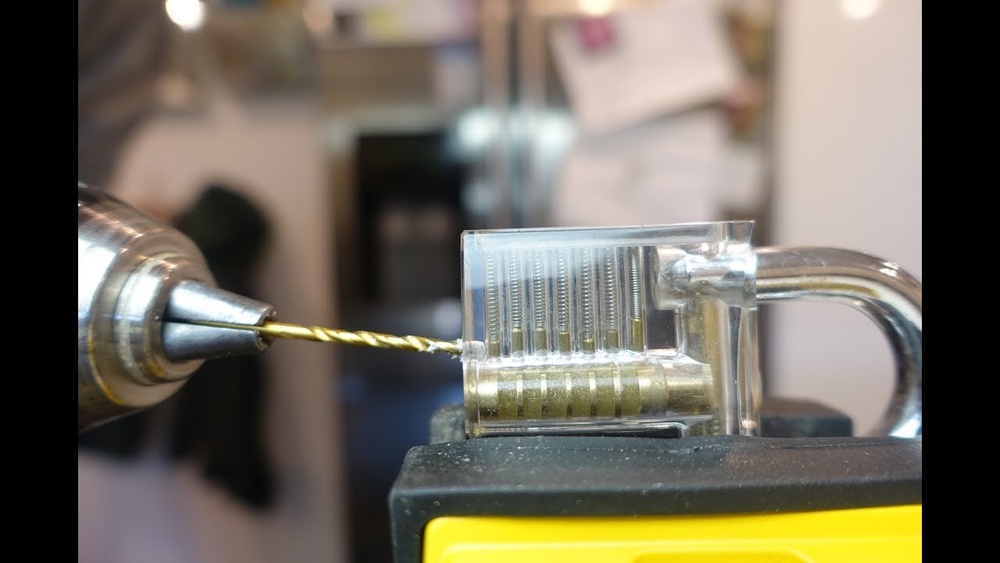
Pick sets include tension wrenches and picks. These tools manipulate the lock’s internal pins. They require patience and gentle touch. Learning basic lock picking helps in tough jams. Use them only on your own lock.
Step-by-step Fixes For Jammed Locks
Jammed bike locks cause frustration and delay. Simple fixes can often solve the problem fast. Follow these clear steps to free your lock without damage.
Applying Lubricant
Start by spraying a lubricant inside the lock keyhole. Use a graphite-based or silicone spray for best results. Let the lubricant sit for a few minutes. Insert the key and try turning it gently. The lubricant helps loosen stuck parts inside the lock.
Tapping And Gentle Movement
Tap the lock body lightly with a small tool, like a screwdriver handle. This can shake loose dirt or rust blocking the mechanism. Gently wiggle the key back and forth while tapping. Avoid using force that could break the lock or key.
Using Heat To Thaw Frozen Locks
Cold weather can freeze locks. Warm the lock carefully using a hairdryer or warm water. Do not use open flames or high heat sources. After warming, try inserting and turning the key slowly. Heat melts ice inside the lock, freeing the parts.
Aligning Lock Components
Misaligned parts cause jamming. Check if the lock shackle or keyhole looks out of place. Try moving the shackle slightly while turning the key. This can realign internal components and release the jam. Patience and small adjustments work best here.
When To Use Lock Picking Techniques
Knowing when to use lock picking techniques is important for opening a jammed bike lock. These methods can help when keys are lost or the lock mechanism fails. Use lock picking only if the lock belongs to you or you have permission. Avoid damaging the lock or bike. Understanding the right moment keeps things safe and legal.
Simple Picking Methods
Simple picking methods work well on basic locks. Use a tension wrench to apply slight pressure inside the keyhole. Insert a pick tool to lift the pins one by one. Feel for pins that stick and raise them carefully. This process can free the lock without force. Practice makes the method easier and quicker.
Using Shim Tools
Shim tools slide between the lock body and shackle. They push the locking mechanism to release the shackle. Shims work best on padlocks with spring-loaded catches. Insert the shim gently and wiggle it to find the catch. This method avoids damage and opens the lock smoothly. Shims are small and easy to carry for emergencies.
Legal And Safety Considerations
Lock picking may be illegal in some places without permission. Always check local laws before trying these methods. Use lock picking only on your own bike lock. Avoid using force that might harm yourself or others. Keep tools clean and in good condition for safe use. Respect others’ property and privacy at all times.
Preventing Future Lock Jams
Preventing future jams in your bike lock saves time and avoids frustration. Simple care steps keep the lock smooth and reliable. Small habits make a big difference in lock performance.
Regular Cleaning And Maintenance
Dirt and dust cause most lock jams. Clean your lock with a soft brush or cloth. Avoid water inside the lock to stop rust. Use a lubricant designed for locks twice a year. This keeps the parts moving freely and stops stiffness.
Proper Storage Tips
Store your bike and lock in dry places. Moisture damages lock parts and leads to rust. Avoid leaving the lock outside during rain or snow. Keep the lock covered or inside a bag if possible. This reduces dirt buildup and protects from harsh weather.
Choosing Durable Locks
Select locks made with strong materials like hardened steel. Cheap locks often jam or break easily. Look for locks with good customer reviews on durability. A strong lock resists rust and damage better. This means less chance of getting stuck.

Credit: www.reddit.com
Emergency Alternatives If Lock Won’t Open
Sometimes a bike lock just won’t open. The key might break or the lock might jam. In these cases, waiting or forcing the lock could waste time. Instead, try emergency alternatives to solve the problem fast.
These methods help you get your bike free without extra damage. Choose the best option based on your tools and situation.
Using Bolt Cutters
Bolt cutters are strong tools that can cut through most bike locks. They work well on chain and cable locks. Place the jaws of the cutter on the lock’s shackle or chain link.
Apply steady pressure to cut through the metal. Use caution to avoid injury. Bolt cutters may not work on thick or hardened locks.
Calling A Locksmith
A locksmith has the right tools and skills to open jammed locks safely. They can pick the lock or cut it without damaging your bike. Calling a locksmith saves time and effort.
They also offer professional advice on lock replacement or repair. Keep the locksmith’s contact handy for emergencies.
Replacing The Lock
If the lock is broken or unusable, replace it quickly. Removing the old lock with bolt cutters or a locksmith is the first step. Choose a new lock that fits your bike and is easy to use.
Invest in a lock with good security features to avoid future issues. Always test the new lock before leaving your bike unattended.
Frequently Asked Questions
How Can I Safely Open A Jammed Bike Lock?
To safely open a jammed bike lock, apply lubricant like WD-40 to the keyhole. Gently wiggle the key while turning. Avoid force to prevent damage. If unsuccessful, try using lock-picking tools or seek professional locksmith help.
What Causes A Bike Lock To Get Jammed?
A bike lock jams due to dirt, rust, or debris inside the locking mechanism. Lack of lubrication or weather exposure can worsen the problem. Frequent use without maintenance increases the chance of jamming.
Can I Open A Jammed Bike Lock Without Damaging It?
Yes, you can open a jammed bike lock without damage. Use lubricant and carefully work the key. Avoid excessive force or tools that may break the lock. If unsure, consult a locksmith for safe unlocking.
How Do I Prevent My Bike Lock From Jamming?
Prevent jamming by regularly cleaning and lubricating your bike lock. Keep it dry and store your bike in sheltered areas. Use a lock cover during bad weather to protect the mechanism.
Conclusion
Opening a jammed bike lock takes patience and care. Use simple tools and gentle pressure to avoid damage. Try different angles if the lock does not move at first. Keep your bike key or combination handy to check. Remember, forcing the lock can cause more problems.
Stay calm and work step by step. With practice, handling jammed locks becomes easier. Your bike stays safe and ready to ride again.