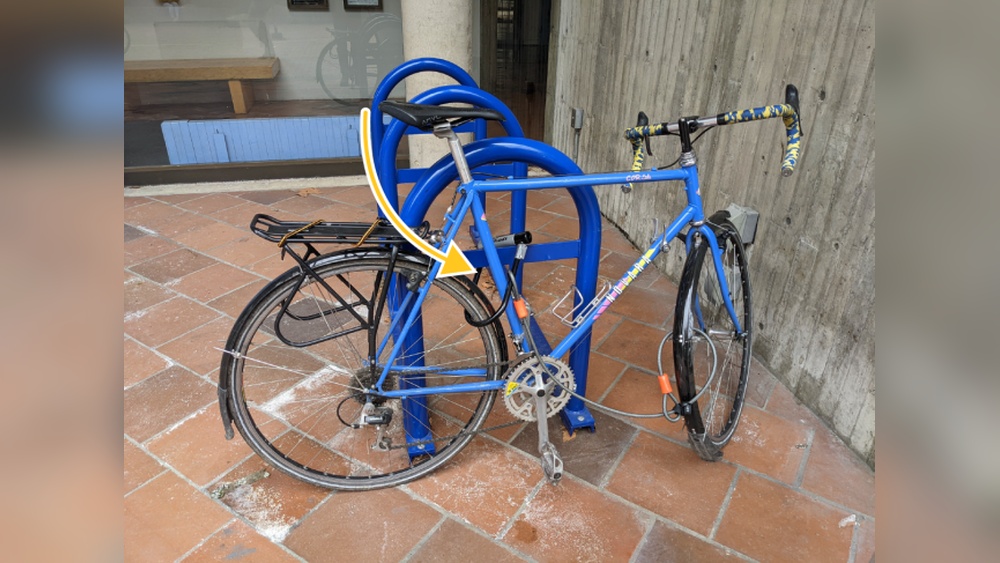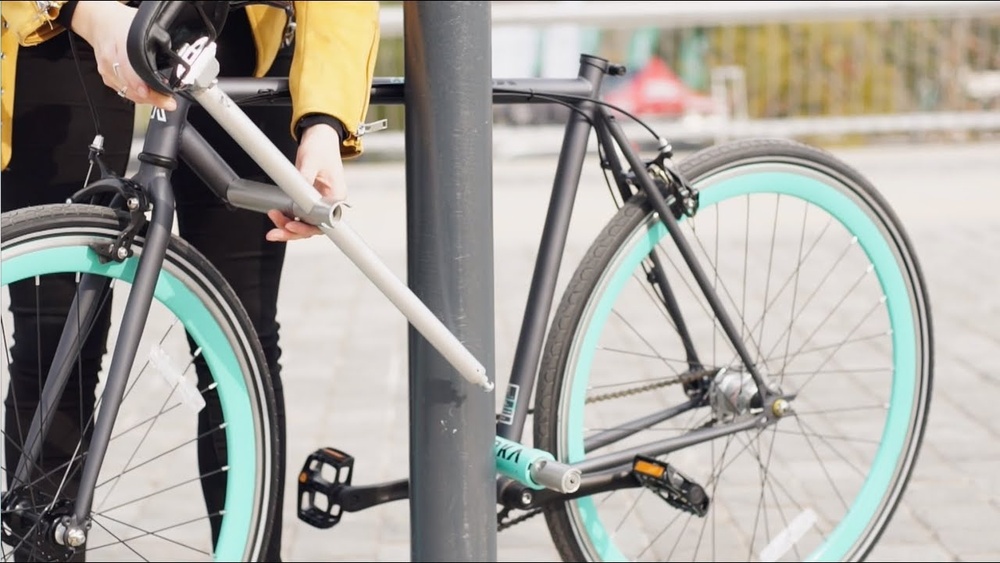
You want to keep your bike safe, but locking it to a pole can feel tricky. How do you make sure your bike stays secure without damaging it?
You might have seen bikes stolen or locks broken, and you don’t want that to happen to yours. This guide will show you simple, effective steps to lock your bike to a pole the right way. By the end, you’ll know exactly how to protect your ride and have peace of mind wherever you go.
Keep reading to learn the secrets that most cyclists overlook!

Credit: www.stolenride.co.uk
Choosing The Right Lock
Choosing the right lock is key to keeping your bike safe. A good lock stops thieves and gives you peace of mind. Not all locks are the same. Some protect better, last longer, and cost less. Understanding the different locks helps you pick the best one.
Types Of Bike Locks
There are many lock types. U-locks are strong and hard to cut. Cable locks are flexible but easier to break. Chain locks offer good security but can be heavy. Folding locks fold into small shapes and are easy to carry. Choose a type that fits your needs and bike.
Lock Strength And Durability
Strong locks resist cutting and picking. Look for locks made with hardened steel. The lock mechanism should work smoothly. Locks with good durability last longer outdoors. Avoid cheap locks that break fast. A durable lock saves money and protects your bike better.
Budget Considerations
Locks come in many price ranges. Expensive locks usually offer better security. But budget locks can work if used carefully. Balance cost and security needs. Spending a bit more on a good lock prevents big losses later. Choose a lock that fits your budget and protects your bike well.
Selecting The Best Pole
Selecting the best pole to lock your bike is very important. A strong and safe pole keeps your bike secure. Not all poles are good choices. Some poles can be weak, loose, or even illegal to use. Choose carefully to protect your bike from theft.
Pole Material And Stability
Choose poles made of strong metal like steel or iron. They hold the lock tightly and resist cutting tools. Avoid wooden poles or plastic ones. These materials can break or get damaged easily. Check if the pole is firmly fixed in the ground. Wobbly poles are unsafe for locking your bike.
Avoiding Weak Or Removable Poles
Some poles are not safe for locking bikes. Poles that can be removed or moved easily put your bike at risk. Look for poles that are thick and solid. Avoid poles with bolts or screws you can remove by hand. Thin poles can be cut or bent quickly by thieves.
Legal And Safe Locations
Lock your bike to poles allowed by local rules. Some poles may be on private property or reserved for other uses. Using these can cause problems or fines. Choose poles in well-lit and busy areas. More people around means less chance of theft. Safety matters as much as strength.
Proper Locking Techniques
Proper locking techniques keep your bike safe and secure. A good lock stops thieves from taking your bike. Using the right method is important. It makes your bike hard to steal. Follow these simple steps to lock your bike well.
Securing The Frame And Wheels
Always lock the frame of your bike. The frame is the strongest part. It holds the bike together. Include at least one wheel in the lock. The front wheel is easy to remove. Secure it with the frame to the pole. This stops thieves from taking parts quickly.
Lock Placement Tips
Place the lock around a solid, immovable pole. Make sure the pole cannot be cut or moved. Keep the lock off the ground. Locks on the ground are easier to break. Leave little space inside the lock. Less space means less room for tools.
Avoiding Common Mistakes
Do not lock only the wheel. Wheels can be removed easily. Avoid locking to thin or weak poles. Thieves can break these poles fast. Never leave your bike unlocked for long. Always double-check your lock before leaving.
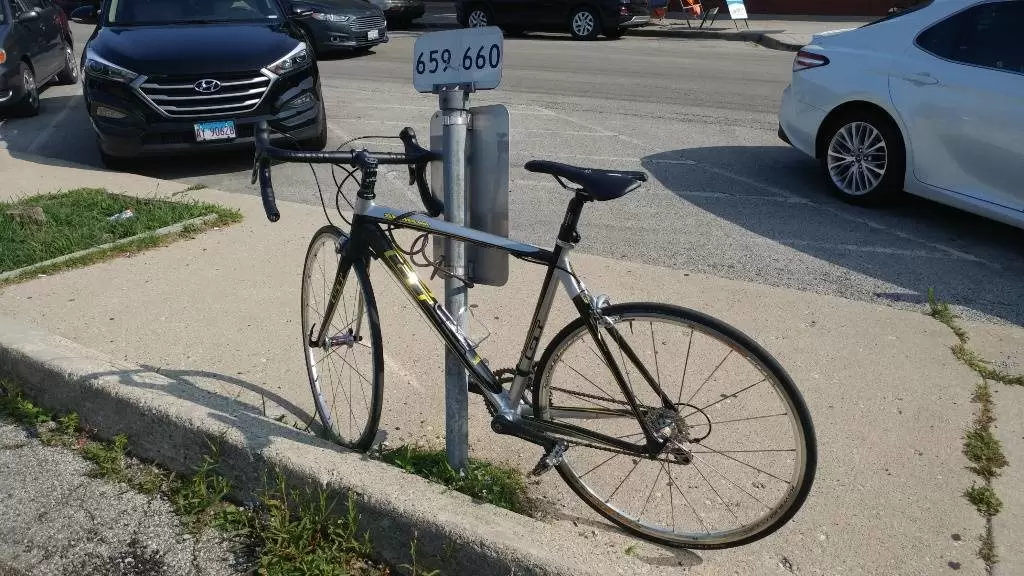
Credit: roadbikebasics.com
Extra Security Measures
Adding extra security to your bike protects it from thieves. Basic locking is good, but more steps keep your bike safer. These extra measures make stealing harder and less tempting.
Using Multiple Locks
Use two or more locks to secure different parts of your bike. One lock can secure the frame to the pole. The second lock can hold the wheels. Thieves must break both locks to steal your bike. Choose strong locks made of hardened steel. Avoid cheap cables that cut easily.
Adding Wheel And Seat Locks
Lock your wheels and seat to stop quick theft. Remove the front wheel and lock it with the frame and pole. Use a small lock for the seat post. Some seats have special locks to keep them safe. These stops thieves from taking parts and selling them.
Registering Your Bike
Register your bike online or with local authorities. This creates proof you own the bike. It helps police return your bike if stolen. Use a registry that offers a visible ID sticker. Thieves avoid bikes with visible registration. Keep a record of your bike’s serial number and photos.
Maintenance And Inspection
Keeping your bike lock in good shape helps protect your bike better. Regular maintenance and inspection stop problems before they start. Small checks save time and money.
Check your lock often. Look for damage or wear. A strong lock works best to keep your bike safe.
Checking Lock Condition
Look at the lock’s body and shackle. Check for cracks, rust, or bends. Test the key or combination. It should turn smoothly. If the lock feels stiff or jammed, it may fail when you need it most.
Lubricating Locks
Use a small amount of lock lubricant. Spray inside the keyhole and on the shackle. Avoid oil-based products that attract dirt. Lubrication keeps the lock working smoothly. Do this every few months or after rain.
Replacing Worn Locks
Replace the lock if it shows heavy wear or damage. Old locks can break or open easily. Choose a new lock with good reviews and strong materials. It is better to spend a little on safety than lose your bike.
Dealing With Theft Attempts
Bike theft is a common problem in many places. Knowing how to deal with theft attempts helps protect your bike. Acting quickly can save your bike from being stolen. Learn how to spot signs of tampering and what to do next.
Recognizing Tampering Signs
Check your lock and pole for scratches or marks. Loose or damaged locks may mean someone tried to break it. Missing parts or bent components are clear warnings. Listen for unusual sounds when locking or unlocking. Early detection helps prevent theft before it happens.
Reporting And Recovery Tips
Report any theft attempts to local authorities right away. Provide detailed descriptions and photos if possible. Share your bike’s serial number and unique features. Use social media and local groups to spread the word. Quick reporting increases chances of recovery.
Insurance Options
Consider bike insurance to cover theft losses. Check policies for coverage details and claim process. Some insurance plans cover repairs from tampering too. Keep purchase receipts and photos for proof. Insurance offers peace of mind and financial help.

Credit: www.reddit.com
Frequently Asked Questions
How Do I Choose The Right Pole For Locking My Bike?
Choose a sturdy, immovable pole made of metal or concrete. Avoid wooden or thin poles, as they are easy to break or cut. Ensure the pole is tall enough to secure both the frame and wheels of your bike properly.
What Type Of Lock Is Best For Securing A Bike To A Pole?
A U-lock or a heavy-duty chain lock is best. These locks resist cutting and leverage attacks. Avoid cable locks alone, as they are easier to cut. Use two locks if possible: one for the frame and one for the wheels.
How Should I Position My Bike When Locking It To A Pole?
Lock the frame and at least one wheel to the pole. Position the lock as high off the ground as possible. This makes it harder for thieves to use tools. Keep the keyhole facing down to prevent tampering.
Can I Lock My Bike To Any Pole In Public Spaces?
Only lock your bike to poles that are secure and allowed by local laws. Avoid poles with signs or attachments that prohibit bike locking. Look for designated bike racks or official poles for safer parking.
Conclusion
Securing your bike to a pole keeps it safe from theft. Choose a strong lock and wrap it tightly around the frame and pole. Always lock in a well-lit, busy area. Double-check the lock before leaving your bike. These simple steps help protect your bike every day.
Stay alert and keep your bike secure.